- Iconic Japanese fish, Buri and Madai, are perfectly suited to fine food shoppers’ palates and philosophies – here's why

Ask any food lover what they seek in a premium product, and they will likely answer quality, provenance, and a sense of culinary adventure. The good news for such consumers and the fine food retailers who serve them is that two fish offering a delicious combination of all three of the above – plus time-honoured crafts perfected over generations by Japanese fish masters – are now available to explore, stock and relish.
The noble mission of JFFEA
First founded in 2022 to promote Japanese farmed fish exports, Japan Farmed Fish Export Association (JFFEA) proudly represents fish farmers, fishermen, processors, cooperatives, distributors, traders and seafood industry partners across the country in a mission to showcase the quality and craftsmanship of Japanese fish internationally.
The JFFEA has set its sights on the UK’s discerning fish customer and is introducing two particularly special specimens to menus and fish counters: Buri and Madai.
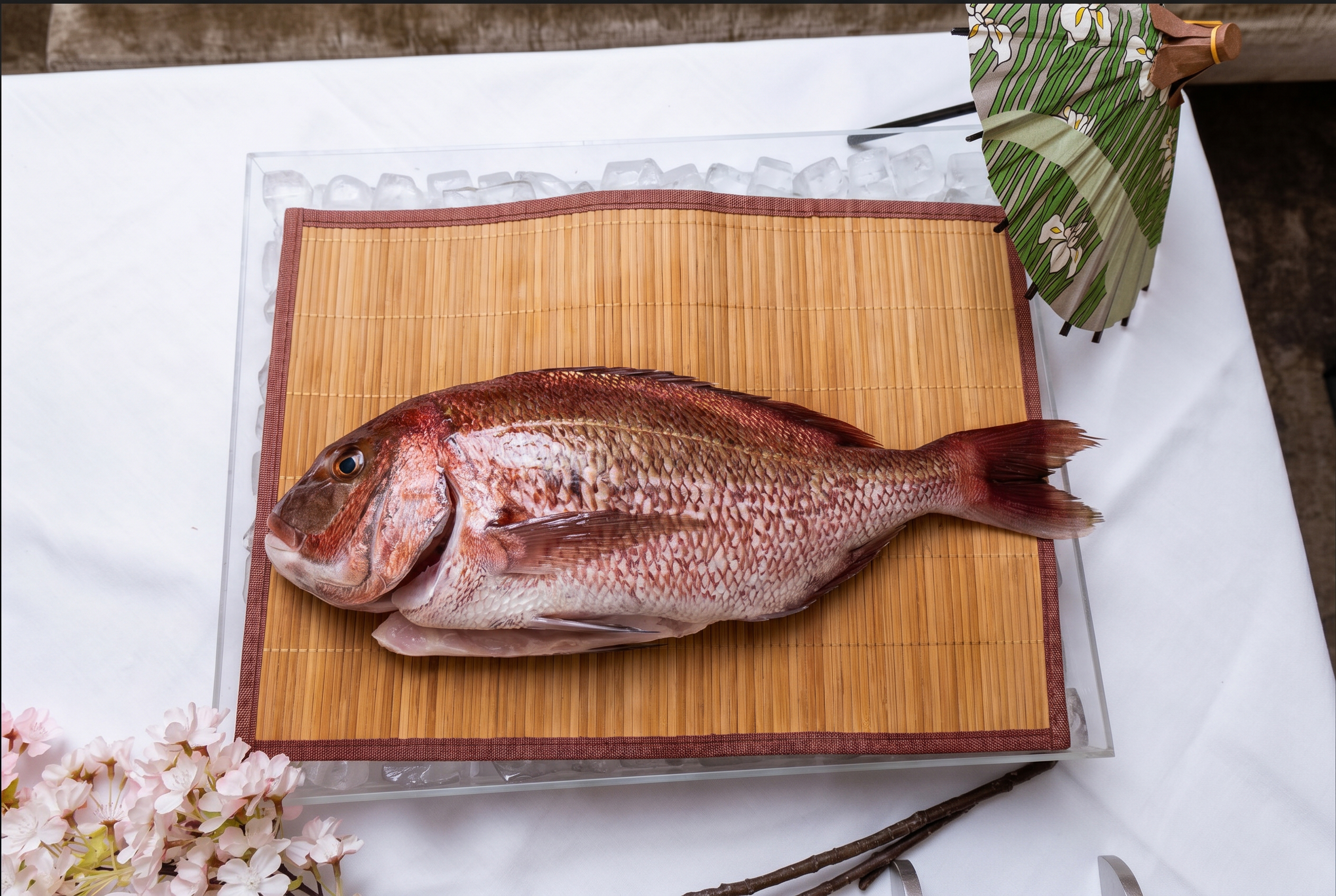
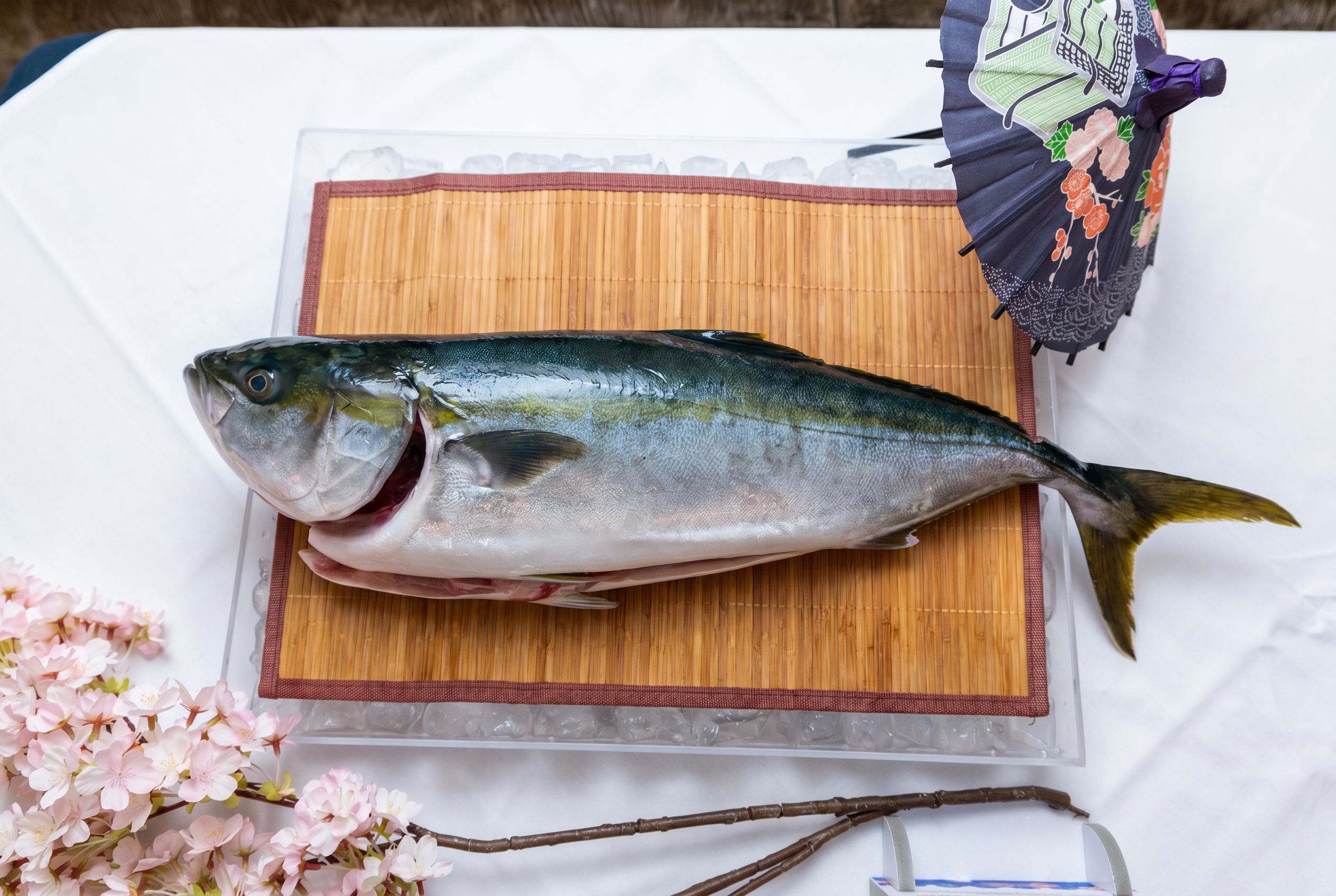
Buri and Madai: legendary fish to savour
Buri is renowned across Japan for its high fat content – promising full umami flavour – and delicate orange flesh which is a result of the oxygen-rich muscles that power the fish to migrate across oceans. Also known as Yellowtail, it is one of Japan’s most popular fish and delicious served thinly sliced and raw as sashimi for a full illustration of its delicate flavour or coated in soy sauce and mirin and grilled for Teriyaki, a savoury dish popular around the world. For a Buri to be deemed suitable for sale, it must weigh at least 4kg which takes 1.5-3 years – a process within which the fish changes name as it ages, from Wakashi to Inada to Warasa and finally Farmed Buri when it reaches its peak. Those with prime fat content will weigh 4.5-5.5kg and are particularly prized.
The pure white flesh of Madai – also known as Red Sea Bream – has been revered for centuries. Since holding pride of place at milestone banquets held by emperors long ago as a symbol of good fortune, it has retained its reputation as a fish worthy of being the centrepiece of celebrations and can be enjoyed in a wide range of recipes both raw and steamed thanks to its firm flesh, a result of high collagen content. Each Madai that enters the market weighs between 1-2kg after 1.5-3 years of carefully managed growth.
Both fish are available in a variety of formats which are distributed frozen: whole for fishmonger counters; round, gilled and gutted; vacuum-packed fillets, either collar on or collar off and skinned or skinless; and vacuum-packed loin, either skin on or skinless.
It is only natural that two such fine fish hail from the seas and menus of Japan. The country hosts some of the world’s greatest fishing ground as well as internationally renowned aquafarming technology – plus a consumer base which is knowledgeable and passionate about high quality thanks to their familiarity with eating raw fish, a format which brings into sharp focus the quality of the fish at hand.
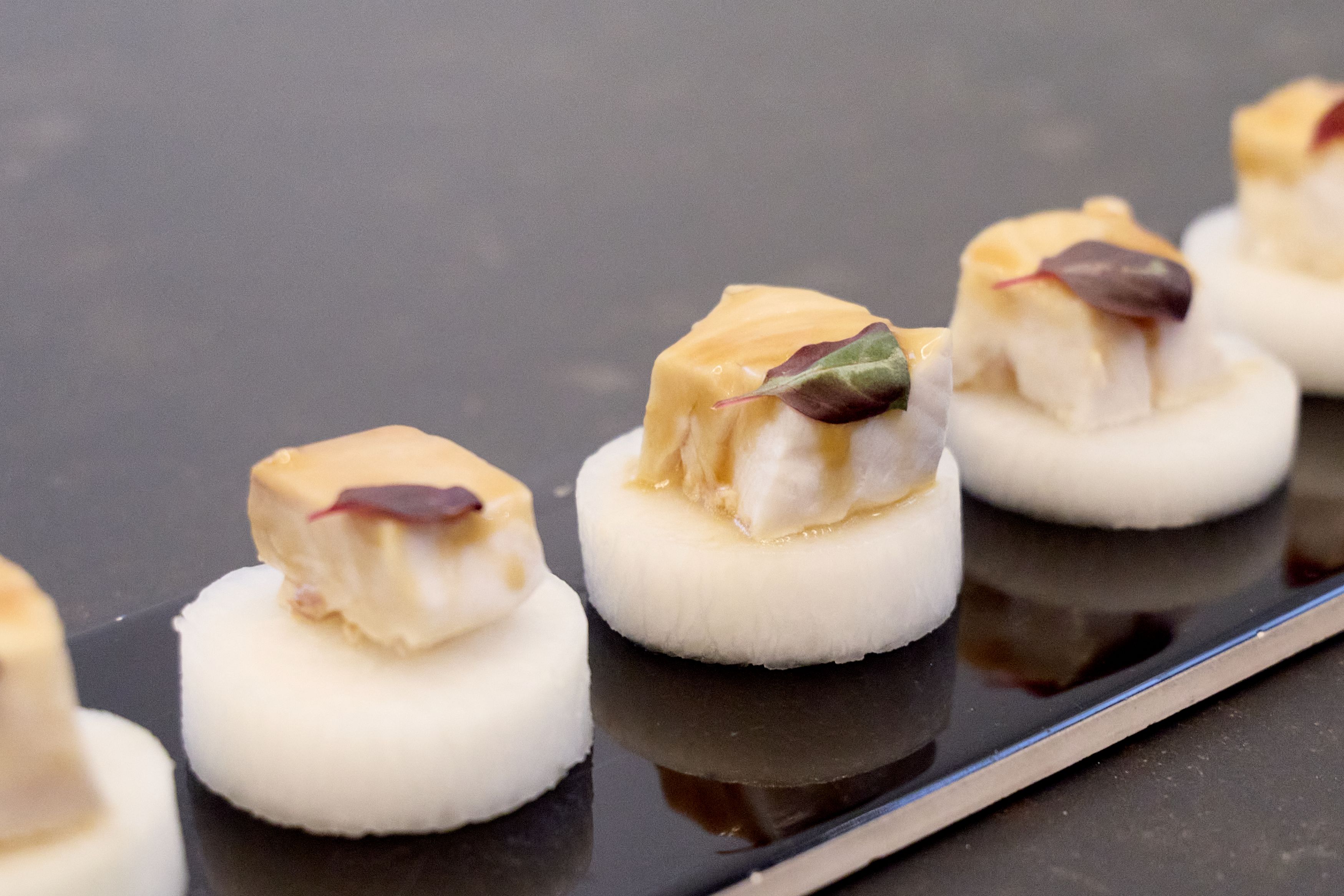
Sustainable farming and sourcing
Buri and Madai are not only worthy of the central position of any dish thanks to their refined taste and texture, but the sustainability of their farming too. Japan’s world-famous aquafarming innovations promise complete traceability as well as a sustainable source of high-quality fish – a vital development in a world where a growing population relies upon human-controlled quality protein to thrive.
According to Journal of Fisheries Technology (2008) Vol.1, No. 1 from Fisheries Research Agency, Ikesu aquafarming was originally created in Japan; its format of fish farming pens located in the sea, where fish are cultivated similarly to how they would thrive in nature, both preserves the quality of the lives of the fish being farmed and the environment surrounding the farms – plus is a significant move towards maintaining healthy and sustainable fish stocks as well as ‘preserving the richness of the oceans’, a Sustainable Development Goal put into place by the United Nations in 2015.
The feed on which both Buri and Madai thrive is of paramount importance to the health of the oceans, and Japan’s fish industry has developed an innovative solution to the problem of fish food going to waste and polluting the nation’s seas: EP feed, which is carefully produced to settle at the correct sea level for both fish – Buri at the surface, Madai between low and mid-level – and therefore doesn’t pollute the seabed. The sector has also invested in AI-equipped automatic feeders to ensure that the correct quantity of feed is released.
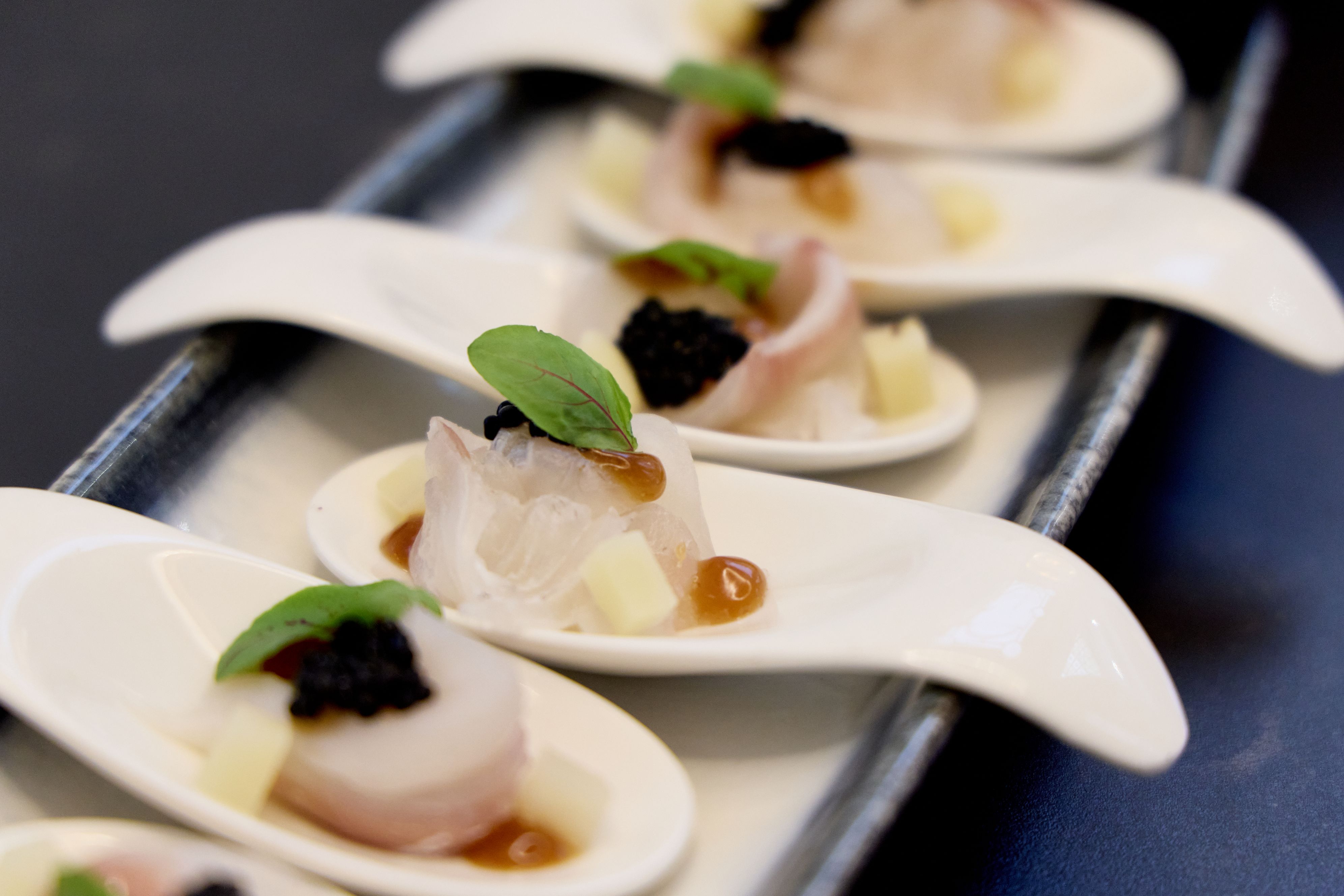
Finely crafted for optimum enjoyment
As well as proudly celebrating the family and locality-led traditions and culture of fishing, JFFEA explores the potential future of fishing to ensure a safe and world-leading industry which satisfies the growing demand for premium fish around the world.
Water temperature and currents, weather conditions and air temperature, as well as the natural swimming and feeding styles of both Buri and Madai, are taken into consideration during the fish farming process – testament to Japan’s reputation for meticulous craftsmanship.
Meanwhile, strict government-monitored production controls maintain the premium quality and safety of farmed fish that Japan is renowned for, with production facilities boasting HACCP accreditation for both domestic and export markets the next step after such careful farming.
The ultimate goal across farming and production is for Buri and Madai to showcase optimum taste, texture and appearance – with umami levels one of the most important markers of quality and a natural component of both fish, which showcase higher umami levels than beef, pork and chicken.
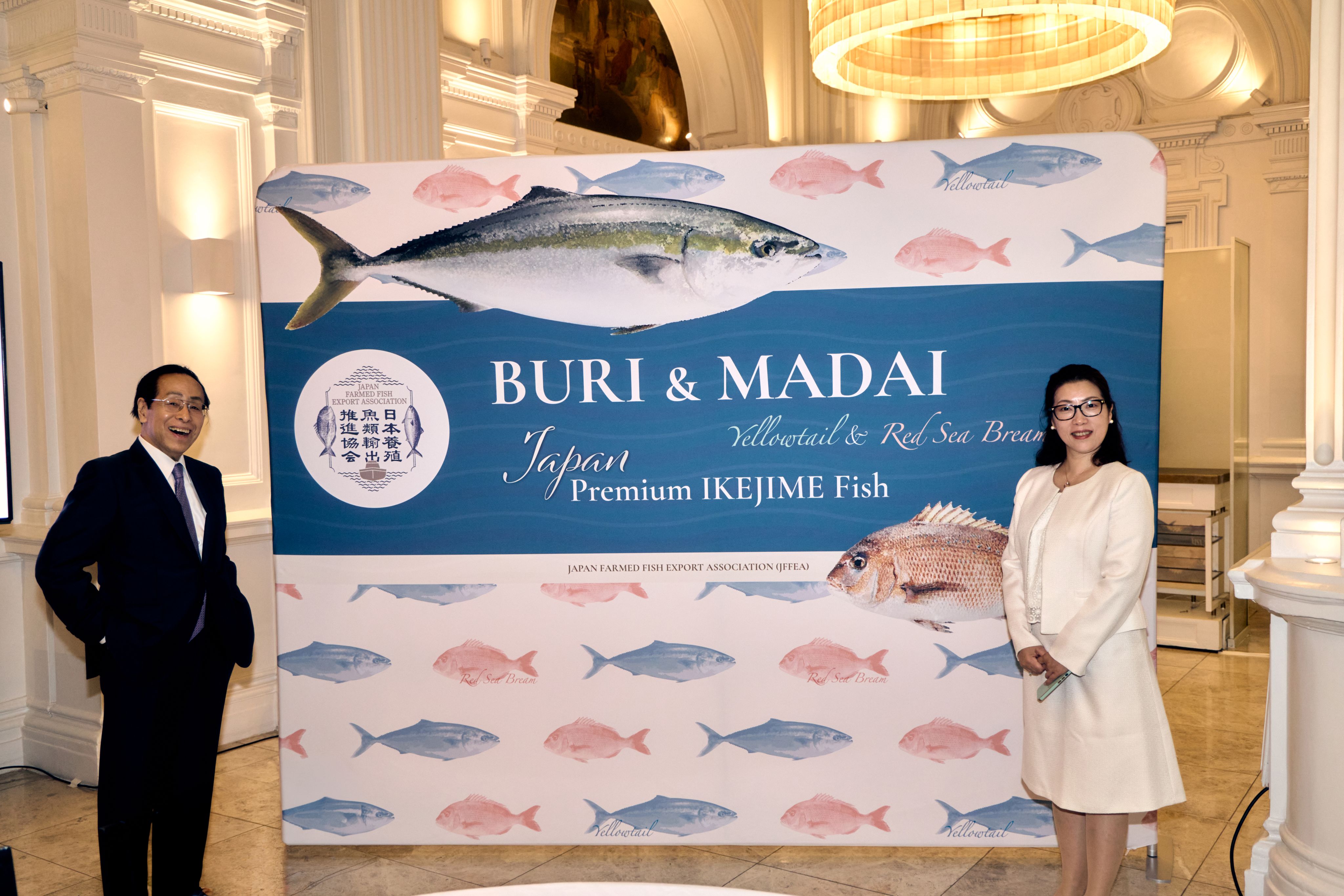
Introducing Premium Ikejime Fish
To ensure Buri and Madai satisfy these precise criteria, the innovative method of Ikejime is utilised. This technique represents the pinnacle of the Japanese fish industry and its inherent quality and craft, and in 2026 is being honoured with a dedicated brand mark under which all Buri and Madai exported by JFFEA will be distributed.
Ikejime is a processing method in which a spike or specialized tool is inserted into the fish’s brain or medulla oblongata, causing instant death while minimizing pain and stress. This is often followed by Shinkeijime, a technique in which a wire is passed along the spinal column to disrupt the nervous system. By delaying rigor mortis, this process helps maintain the fish’s firmness, flavour and freshness for a longer period after death.
This technique enables distributors and food industry professionals to offer premium products while reducing waste. As evidence of factory processing prior to shipment, fish treated using this method typically show a cut mark around the head or gill area and an incision near the base of the tail.
Expert view
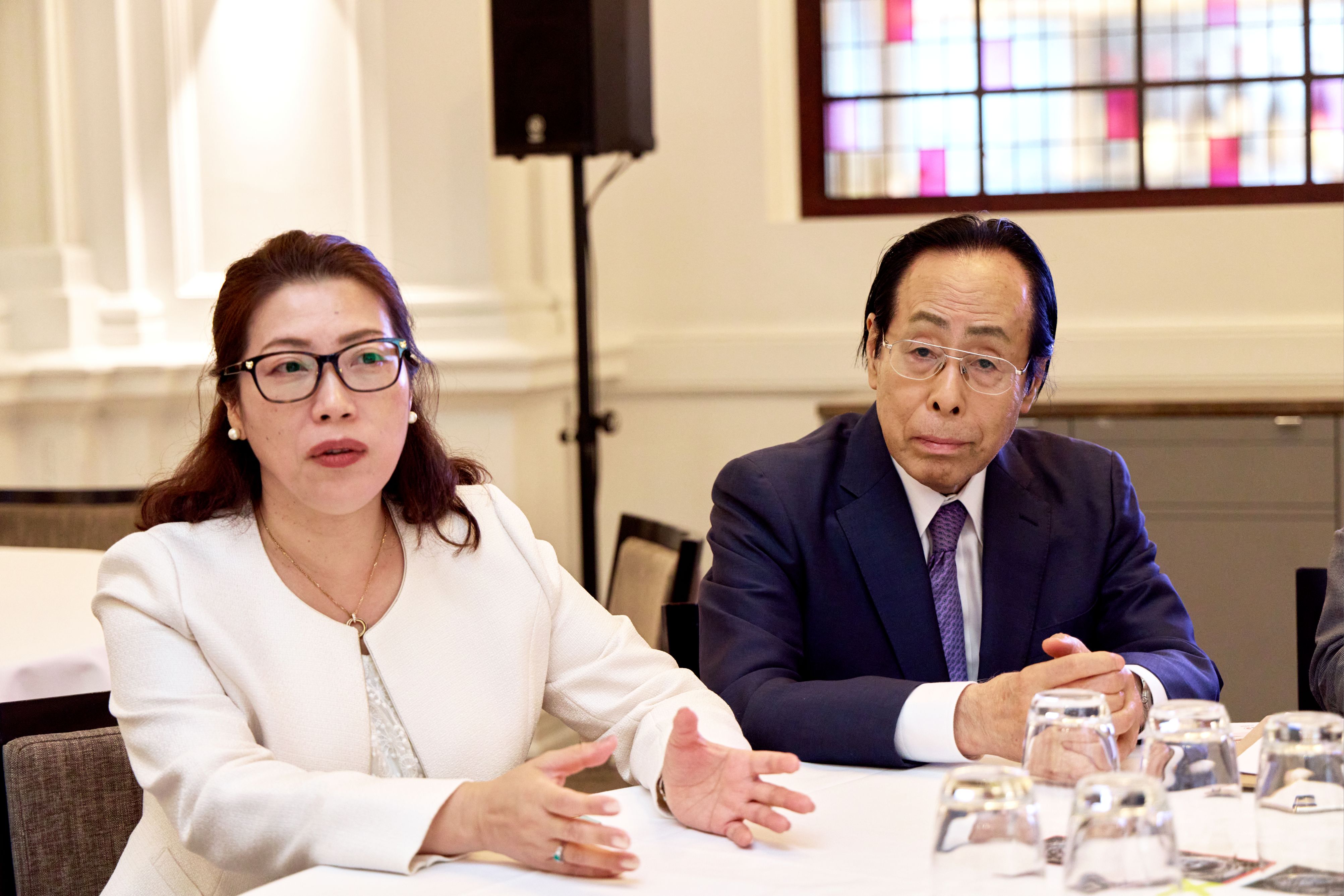
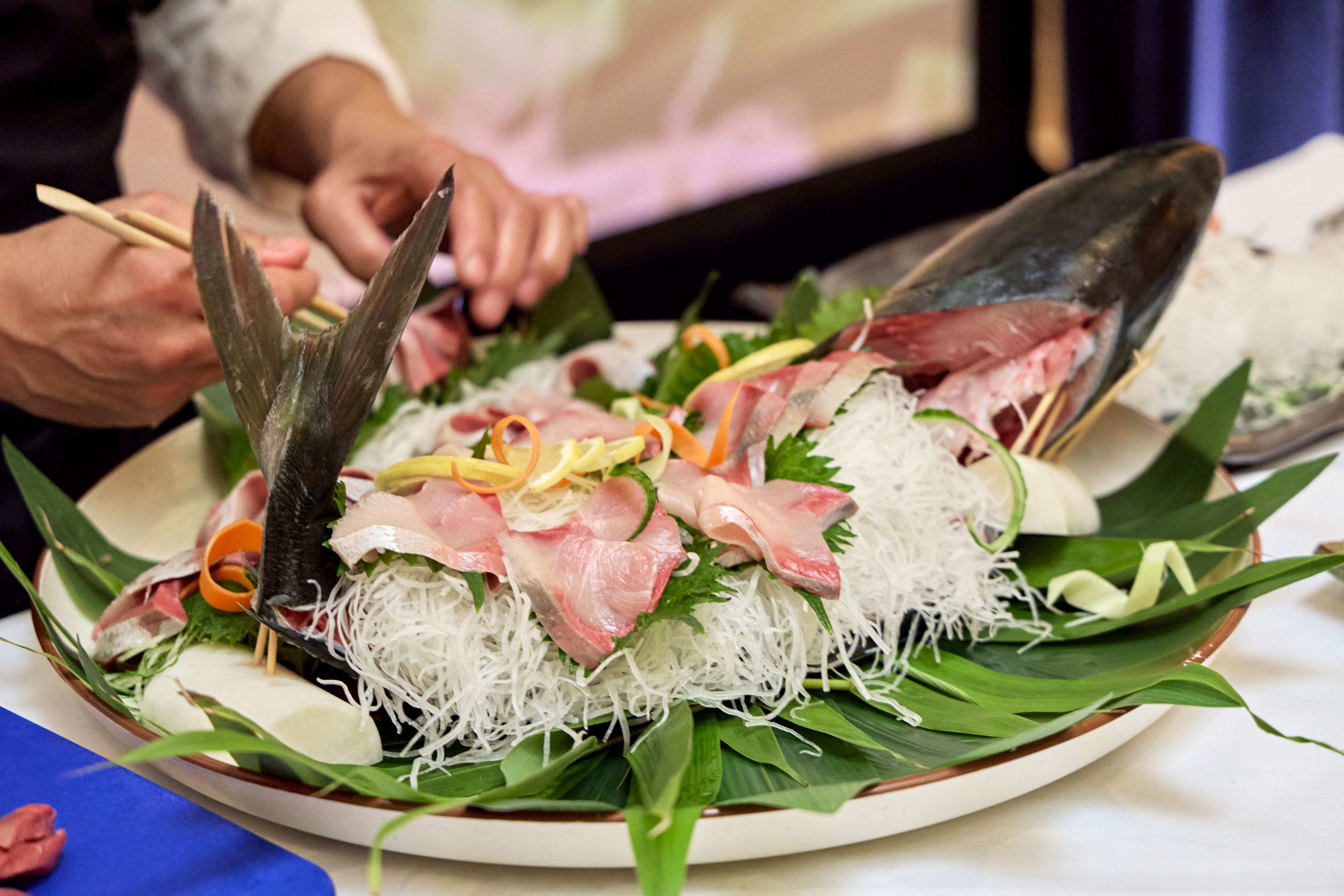
On June 8 at Andaz London Hotel, JFFEA held a very successful event which approximately 100 industry professionals attended. The event educated the professionals, ranging from fishmongers and chefs to wholesalers and the media from both Britain and Japan, about the cultural and culinary significance of Buri and Madai via informative presentations, fish-cutting demonstrations and authentic prepared dishes. Attendees also learned about the innovation of the Japanese aquafarming industry, of which Buri and Madai are highlights.
Speaking at the event, Mr Yoshihiro Kobayashi, director and secretary general of JFFEA, and Ms. Kiuchi, Assistant Secretary-General, told Speciality Food that they consider the UK to be a sizeable potential market for Buri and Madai thanks to its large number of food professionals and discerning consumers who are interested in premium quality food.
They explained, “We have run promotional events in Spain, Italy, France and Germany as well as the UK, but the potential in Britain is especially large so this event required even greater preparation.”
2026 is an important year for the mission to share the story and quality of Buri and Madai with the international community, he said, with Japanese government focusing its attention on premium quality proteins such as fish.
The true value of Japan’s fish was widely unknown until recently, despite its rich history of innovation dating back hundreds of years, said Mr Kobayashi and Ms. Kiuchi. “Japanese fish farmers initiated sustainable fishing centuries ago when they used cages to collect fish, and the technique of Ikejime began in the Edo era (1600 to 1868) providing consideration towards the fish’s welfare, bringing less stress and suffering than conventional methods.”
While the British public undoubtedly has a positive view of Japanese cuisine, there is work to be done regarding what makes it a premium product and what makes it unique in the industry, he continues – a valuable opportunity for JFFEA and the UK’s fine food industry alike.
A valuable opportunity
Across the UK Japan is synonymous with premium quality, passionate craftsmanship, rich heritage and state-of-the-art technology and innovation, and JFFEA is bringing all of this and more to the UK market.
For the independent fine food retailer, both Buri and Madai offer an invaluable chance to share some of the very best of Japanese cuisine and culture with a discerning customer base – their story and heritage, the careful craftsmanship innate within their production, and their iconic taste and versatile texture provide food lovers with an authentic taste of Japan as well as a sustainable addition to their counters and plates.
Click here