Free digital copy
Get Speciality Food magazine delivered to your inbox FREE
Get your free copy

Condiments and sauces have long been a mainstay of fine food retailers’ shelves, offering flavour-boosting possibilities and premium credentials. This corner of the shop floor has always been a go-to for shoppers seeking both a taste of tradition and culinary excitement - perhaps now more than ever, as small-scale brands and larger, heritage makers alike experiment with a boldly delicious blend of old and new.
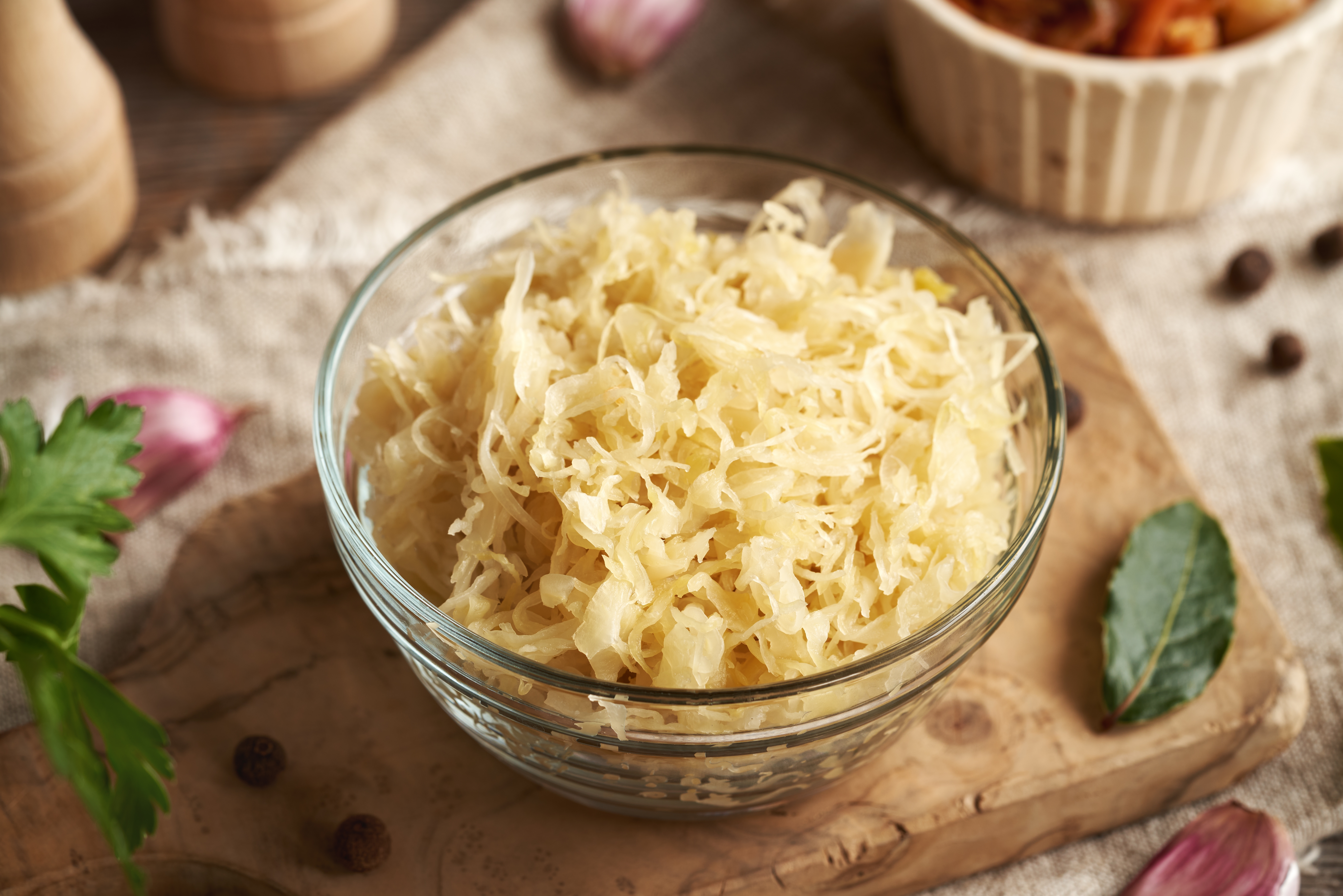
With international flavours holding a valuable appeal to fine food shoppers, it is well worth looking to Europe for inspiration. Kelly Shields, consultant to the EU’s More Than Only Food & Drink Campaign, gives the examples of Italy and Poland as two nations for which condiments and pickles play an important role.
While in Italy the likes of giardiniera, olives, artichokes and peppers – all familiar to British fine food shoppers – are preserved in oil and/or vinegar, Central and Eastern European options are usually fermentation-based such as fermented cucumbers (ogórki kiszone) and sauerkraut, she explains.
All of these products have familiar taste profiles to UK consumers yet bring their own sales pitches, with the herbaceous and umami flavours of Italian condiments offering the health benefits of extra virgin olive oil, and the fermented sourness of their Polish counterparts appealing to health-conscious shoppers looking to boost their gut health with probiotic foods.
“In Poland, pickles such as pickled cucumbers, beetroot and sauerkraut have a permanent spot in the fridge and cupboard. Often these are homemade and, if buying from a store, the important thing is ‘how is it made?’ and ‘what’s added to it?’ The more traditional, the better,” she says.
The basis of many of these nations’ condiments are well-known to the domestic market – olive oil for Italy and mayonnaise, horseradish and mustard for Poland – meaning that the marketing of these products could mean the difference between a shopper’s excitement and their walking past without a second glance. Inspire your customers to see these favourites in a new light with recipe cards, tastings of finished dishes and stories of provenance and versatility.
Due to the differing climates of European countries, approaches to preserving produce differ from those in the UK. “Because the growing seasons are longer, those in warmer climates are less likely to feel the pressure to preserve something in order to enjoy it later in the year, like the British do – they’re more likely to utilise it while it’s fresh, so, for example, in fresh salsas and condiments with shorter pickling periods,” she explains.
This means that as opposed to, say, pickled onions that are bought at Christmas and still in the fridge come summertime – a familiar sight in many British kitchens – there will be fresh produce quick-pickled and eaten within a couple of weeks, she says: “Fresher, cleaner pickles rather than those which could sustain them over winter.”
There are plenty of tried-and-true British condiments which have stood the test of time. Gentleman’s Relish, an anchovy-based paste first created in 1828, has brought umami to British dishes for generations and retains its distinctive heritage branding, and the likes of piccalilli and green tomato chutney, just two examples of the pickling tradition used to preserve fresh produce for centuries, are just as popular today as they ever have been.
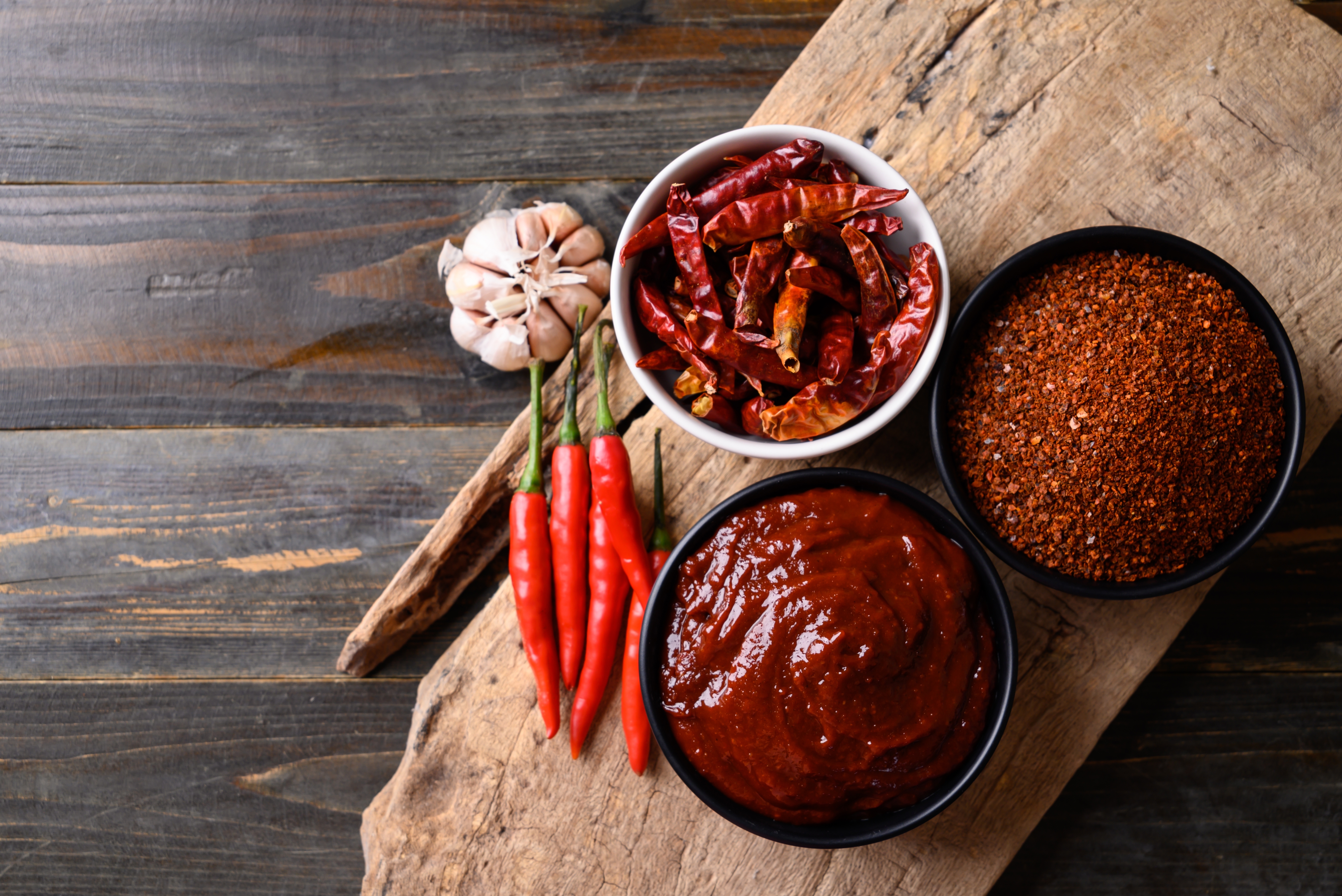
Tradition undoubtedly holds a place in the condiments and sauces category of the fine food sphere, but today, innovation and international inspiration are just as important. Flavours which hail from the other side of the world – harissa from Tunisia, chermoula from North Africa and miso and gochujang from Japan and Korea respectively are just as popular in Brits’ cupboards as the up-until-now more conventional choices of tomato ketchup and mayonnaise.
“Though enduring cupboard staples, the days of the classic ketchup and mayonnaise as the dominant condiments are dwindling,” agrees Caroline Chapman, food lettings manager at KERB. “Increasingly,” she explains, “consumers are craving elevated flavours that could once only be sampled through restaurant kitchens.”
Part of the reason for the popularity of condiments and sauces in recent times is the consumer recognition that they can often be shortcuts to flavour – a valuable addition to a shopper (and retailer)‘s arsenal when time is of the essence. “Condiments and sauces are an easy hack for pimping the most humble of meals,” Alex Hayes from Harris and Hayes Insight and Innovation Studio, explains. “A hot sauce or chilli crisp for example can totally transform a simple protein and rice dish.”
Indeed, easy access to flavour boosters which level-up home-cooked dishes is in high demand. “Nowadays, everyday elevation is the name of the game, with big players in the restaurant industry like Ottolenghi and Gymkhana offering an affordable range of sauces on supermarket shelves to bring the restaurant experience home,” Caroline continues. “On the condiment side, big player names and celebrity endorsements provide an accessible entry point for those looking to err on the side of caution.” For example, she says, “In July 2026, Jamie Oliver’s Gnome Rangers ketchup launched through Ocado, while in April Nando’s Peri Peri Saka Sauce launched in Tesco. This hybrid of household names with twists on classic sauces allows for a level of consumer trust in a financially strenuous climate.”
On the fine food side of proceedings, where endorsements from TV chefs are harder to come by and retailers are reliant on a trusting jump from their customers, tactics such as ‘try before you buy’, recipe suggestions and spelling out the various uses of the products in question could prove fruitful.
Taste is, of course, of paramount importance, but fresh new makers have another ace up their sleeve, too: top-notch branding. Boldly packaged and offering something exciting and new, small, new players in the sauces and condiments field are making the sector attractive to younger generations and ever more appealing to adventurous foodies of all generations. “At the same time,” she continues, “sexy challenger brand products have become status symbols. Take the success of brands such as White Mausu and Gymkhana. Just having these products on a kitchen shelf has become a means of achieving cult foodie status.”
These products may be cool, but they’re offering something which most similar culinary experiences out of home can’t: value and versatility. “In terms of value, although seemingly expensive, a premium jarred sauce at around £6.75 plus fridge ingredients is still much cheaper than a standard takeaway and is significantly nicer,” Alex explains. And with the growing demand for ‘fakeaways’ - at-home meals which offer the excitement and culinary adventure of takeaways, without the price tag, health concerns and waiting times, it’s only natural that food retailers would see a boom in internationally-inspired shortcuts to flavour.
Perhaps it’s no surprise, then, that going forward Alex expects to see a continuation of demand for “feasts for the senses” – with “texture, integrity (minimal, recognisable ingredients) and complexity, and with a chef seal of approval.”
For Speciality Food readers wanting to stay ahead of the curve, Alex points to format variation as a solution for on-the-go consumption. “We’re seeing single-serve sachets and mini pots of kimchi, nut butters, seasonings and beyond that are perfect for out-of-home,” she says.
“In 2027, customers are looking to up their sauce and condiment game with polarity: the name of the game is hyper-authenticity and cross-cultural mega mashups,” suggests Caroline. “In June, Ocado paved the way by being the first supermarket to announce a collaboration with Guyanese sauce brand, Grandma’s Hot Sauce. A retail distribution milestone, this collaboration is indicative of expanding consumer palates and an appetite for authentic international spice moving into 2027.
“By contrast, Aldi’s April launch of Specially Selected Sriracha & Hot Honey Houmous points to a consumer interest in novelty and an eagerness to be ‘the first’ to try a never seen before flavour combination.”
This example adds an exciting new angle for food producers and retailers alike, says Caroline: “This opens up a whole new avenue for innovation, playing with cross-cultural flavours and formats that are reflective of the UK’s melting pot of cultures. With more avenues for innovation, expect to see experimentation across all facets of the food retail sector in 2027.”
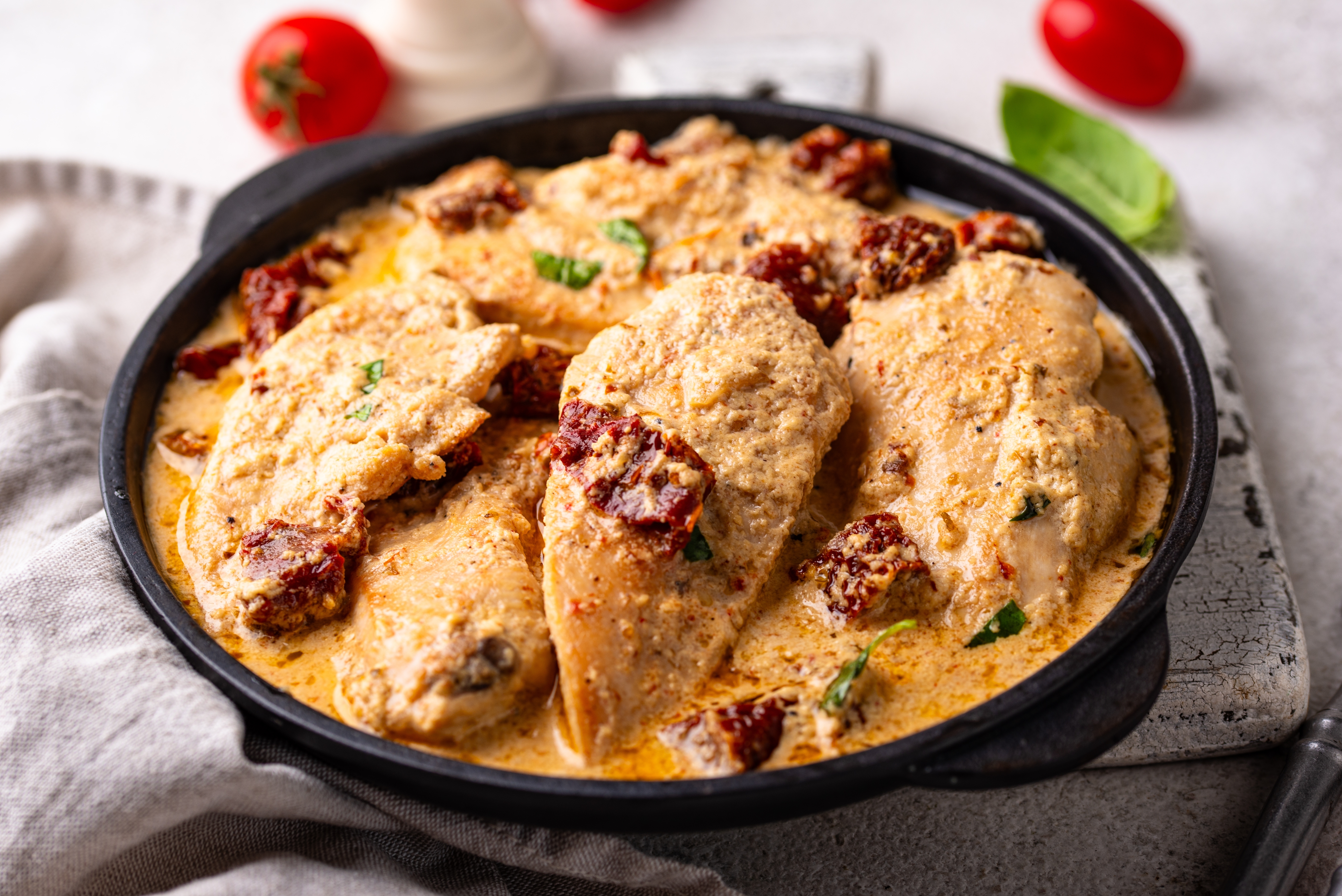
Readers will be well aware of the power of social media, and smaller players would be smart to take a leaf out of the books of large-scale brands – with their hefty budgets and audiences – who are adopting flavours rife on social media and transforming them into meal solutions. Indeed, “With social media firmly cemented in the foodie landscape, consumers are looking for easy ways to make the ingredient-heavy sauces they are seeing on social media,” says Caroline. “From this, Heinz have launched a take on Marry Me Chicken Sauce while Homepride are boasting a new Fajita Pasta Bake Sauce. These are examples of big brands recognising the benefits of providing consumers with a no-fuss shortcut to viral recipes.”
Speciality Food readers may not have the resources of the big boys, but they do have nimbleness on their side and are able to react quicker to consumer demand – so often, these days, shaped by socials. “In an age of social media, brand perception is king, transforming online traction into real revenue,” explains Caroline.
“In a similar vein,” she continues, “expect to see a continuation of virality-driven, American-inspired sauces in 2027. M&S’s New York Deli cream cheese schmears launched earlier this year in flavours ranging from classic to jalapeño. This is a prominent example of a supermarket giant taking a trend-forward approach to food innovation which allows them to cement their status as being at the forefront of the trend cycle, in-house. With these launches, M&S are keeping their finger on the pulse when it comes to the latest cupboard staples, which cross-pollinates sales in other product lines.”