Free digital copy
Get Speciality Food magazine delivered to your inbox FREE
Get your free copy

There are plenty of challenges facing the British consumer now, from budget constraints to time crunches and a desire to live more sustainably… while also creating healthy – not to mention delicious – meals for all the family.
It’s no wonder that they’re feeling the pinch.
Thankfully, fine food retailers have the solution in the form of frozen food. “Frozen food fits well with the realities many households are facing,” explains Rupert Ashby, CEO of the British Frozen Food Federation (BFFF). “It offers convenience and affordability at a time when budgets are under pressure and time is limited. Importantly, consumers are increasingly aware that frozen locks in nutrients and vitamins so is a fresh as the day it was harvested when used.
“Our research shows that 71 per cent of shoppers feel frozen food helps them manage portions and reduce waste. That is good for household finances and good for the environment. Frozen also allows people to enjoy small, affordable treats at home, delivering quality and comfort without the cost of eating out.”
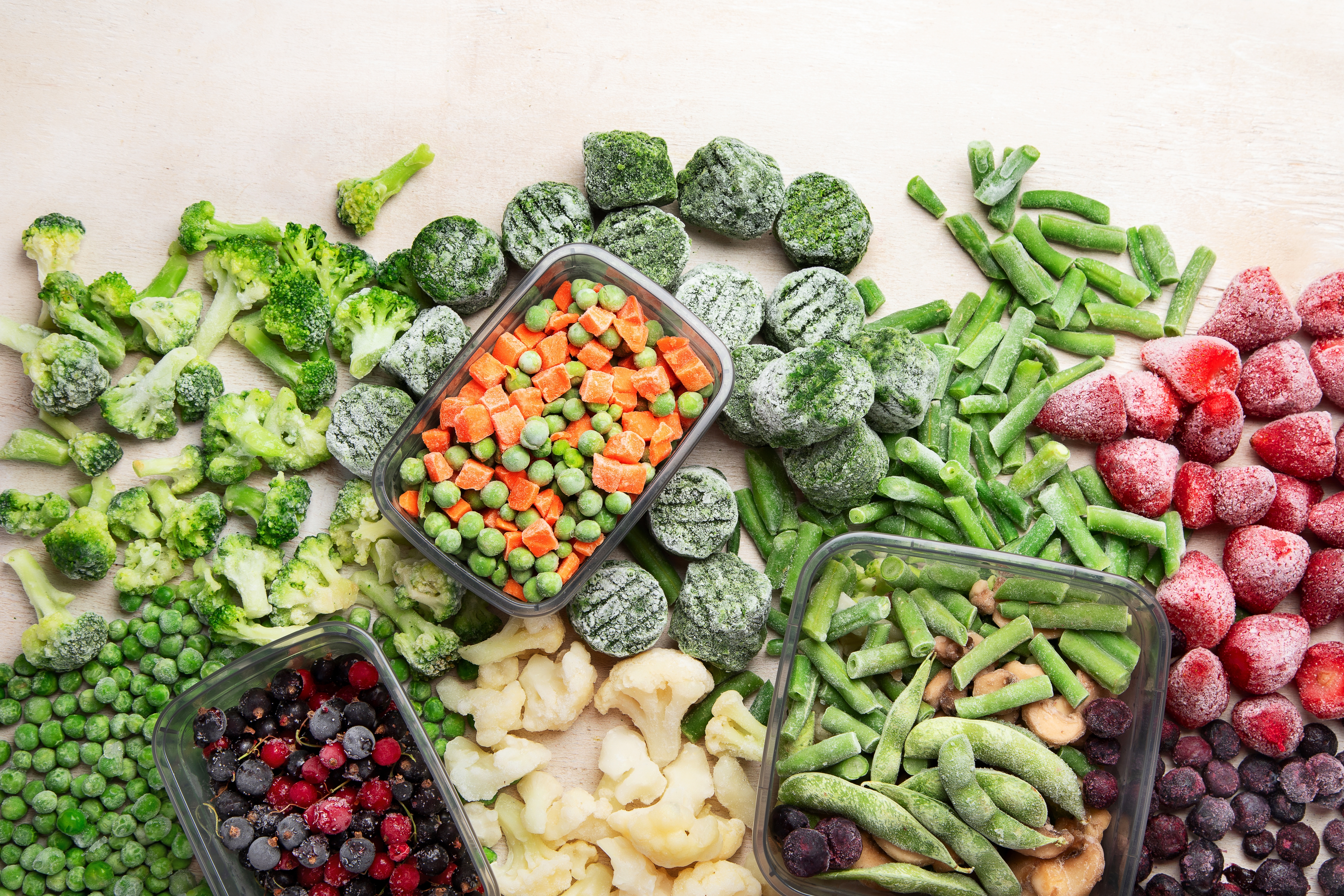
In great news for fine food shoppers and sellers – the days of frozen food being centred around the likes of crinkle cut chips and fish fingers is long gone; these days, renowned chefs are creating restaurant-worthy dishes for discerning customers to enjoy at home, health-driven brands are serving up nutritionally balanced meals for all the family to relish; and shoppers can personalise their purchases thanks to self-serve options that run the gamut from deliciously buttery pastries to meal solutions, fruit and veg to desserts.
Bath-based chef Christophe Lacroix has built a loyal fanbase in his local town and now beyond thanks to the proven popularity of the convenient fine food meal solutions he’s created under the Bistro Chef brand. “With restaurant prices rising, and quality hard to find when eating out, the attraction of premium home dining is evident,” says Jackie Phillips, director.
Originally trained in a Michelin-starred restaurant in France before travelling around the world as a private chef and putting various Bath establishments on the map ever since, Lacroix was inspired to create such in-home dining experiences by customers themselves.
“His brasserie customers were asking if they could have his dishes as take-home for their dinner party at the weekend,” explains Jackie.
Why frozen? “Firstly there is the shelf life which gives flexibility to consumers and keeps waste right down for retailers. But it also means that we can offer a wide range in a small batch kitchen,” says Christophe. “We often get asked if freezing affects flavour and quality. It doesn’t. We blast freeze our dishes and this maintains maximum integrity of the ingredients, ensuring texture and flavour is maintained. The recipes are also developed specifically for freezing. We test each new product before production starts to ensure that it freezes well and reheats to perfection.”
What makes frozen food such a golden opportunity in 2026? “Convenience, consciousness and cost,” say Sam and Elliot Day, founders of FieldGoods.
“Convenience will never not be important, and it’s growing. People are working more, they care more and they have less money to spend. Frozen answers all three. By having food in the freezer you can have more on hand. It has a longer shelf life so there is less waste and it’s therefore better for the environment. No waste also means lower cost, relative to quality.”
“Freezing is nature’s preservative,” agrees Matt Whelan, managing director at Fieldfare. “It locks in freshness and nutrients without the need for artificial additives, giving shoppers reassurance around quality while allowing them more time to use what they buy. At a time when consumers are focusing on what’s in their food and how it is made, frozen naturally moves to the forefront.”
Frozen food is no longer a compromise, say Sam and Elliot. Shoppers no longer need to choose between variety, health and convenience. “Gone are the days of the freezer aisle just being for chips – a people care about ingredients, additives, stabilisers – and the good news is none are needed in frozen. There is a growing awareness that frozen IS fresh! There’s no nutrition lost. Plus, shoppers are looking for easy options that don’t compromise from what they’d expect in fresh food: taste, sustainability and quality ‘real’ ingredients.”
For Matt, the magic of frozen food lies in its sustainable credentials. “Sustainability has become much more front of mind, even when cost remains important, and consumers are thinking more carefully about food waste, packaging and value. Our loose frozen proposition naturally supports all three.”
“Smaller households value the flexibility frozen offers, whether that’s buying single portions, mixing products, or planning meals more efficiently, making a substantial difference to potential food waste.
“In our research, over a third of speciality shoppers say reducing packaging is important to them, and nearly one in four place strong importance on sustainability credentials. When a category meets that desire with very little need for behaviour change, it is enormously attractive.”
This makes the frozen category a boon for Speciality Food readers. “From a retail perspective, the longer shelf life of frozen helps reduce in-store waste and supports more efficient stock management compared with chilled alternatives. At the same time, loose frozen meets growing consumer demand for portion control, reduced packaging and more sustainable ways of shopping.
“Clear storytelling around quality, provenance and sustainability along with trusted brands like Fieldfare help frozen cement its place as a core part of a premium offer.”
“Frozen should be seen as an opportunity rather than an afterthought,” says Rupert Ashby, CEO of the British Frozen Food Federation (BFFF).
“For specialist retailers, the focus should be on quality, provenance and a well-curated range that complements their other ranges, something that the younger generations are particularly looking for according to our research.” There’s no need to bend your rules to add more frozen food to your establishment. Indeed, “Used well, frozen can extend seasonality, reduce waste and create a destination category that shoppers actively seek out,” he continues.
“Frozen food is a major part of the UK grocery market. Worldpanel data shows total spend reached £8.8 billion in the 12 months to November 2025, up 1.9 per cent year on year.
“However, the real value of frozen food can’t be captured in a headline sales figure. At a time when one in five households say they are struggling financially and grocery costs are a growing concern, frozen food plays a vital role in many people’s diet.
“It is helping households access nutritious food that lasts longer and can be used when it is needed. Our research shows families could save around £1,100 a year on a healthy 5-aday diet by choosing frozen fruit and vegetables as part of a balanced diet.
“At the same time, frozen food helps reduce food waste, which accounts for up to 10 per cent of global greenhouse gas emissions. And, the waste reduction isn’t just in households, but also in food service outlets, institutions and right across the supply chain.”
Play to frozen food’s strengths for optimum selling power:
● Quality: Your frozen selection is a far cry from your local supermarket’s range, so communicate its quality credentials loud and proud. Are you sourcing from a local supplier? Do your frozen dishes have Michelin star appeal? Make your messaging sing to get your customers as excited about their potential as you are.
● Convenience: Few of us have the time to whip up a culinary masterpiece from scratch every night of the week, but with the help of the freezer your customers’ family and/or guests don’t need to know that… From decadent pastries to nutrient and flavour-packed meals for all the family, demonstrate to your customers that they can consider your freezer aisle a one-stop-shop for quick and easy (and delicious) meal solutions.
● Sustainability: By offering low packaging, self-serve options, you can help eliminate food waste and add a touch of desirable personalisation to proceedings.