Free digital copy
Get Speciality Food magazine delivered to your inbox FREE
Get your free copy

With more travellers planning their trips around unique food experiences, farm shops, delis and food halls are becoming must-visit destinations in the UK. From food trails and sampling sessions to vineyard tours, discovering and shopping for local produce is now a key part of the modern holiday.
“Food connects the visitor to landscape, stories, people and traditions,” a spokesperson for The Suffolk Coast, the county’s tourism platform, told Speciality Food. Two leading trends have emerged amid the rise of food tourism: ‘snackpacking’ and ‘grocery shop tourism’, which see consumers making UK food hall, deli and farm shop visits part of their trips.
According to VisitBritain, trying local food and shopping were among the leading activities in 55% of consumers’ visits to experience city life, giving independent retailers ample opportunity to introduce their products to tourists.
Furthermore, 59% of domestic visitors and 50% of international tourists have chosen a destination based on experiences they were interested in. Food tastings, vineyard tours and brewery visits are among the most appealing experiences, along with classes focused on specialist products such as sourdough, chocolate and gin making.
A 2025 Expedia survey shows that 44% of travellers shop for local goods they can’t get at home when on holiday, which aligns with the specialist local fine-food ranges that independent retailers put on their shelves.
“Our version of ‘snackpacking’ is travelling around the county, sampling the place directly from the people who make it,” said The Suffolk Coast’s spokesperson.
Social media gives travellers a taste of food tourism
Social media is powerful too, prompting travellers to plan trips around finding speciality products. It can be a game-changer for fine food retailers, shaping how they choose and communicate their produce, stories and specialisms.
“We use our social platforms regularly now because they allow us to reach a much wider customer base and successfully attract visitors from much further afield,” Amanda Farrow, FoodHall Supervisor of Poplar Nurseries, an independent garden centre in Essex, told Speciality Food.
A recent study of food tourism in Amsterdam found that people discover food businesses on TikTok, visit them in person and then share their own content, which inspires more visits. It even sparked the trend, “social media-induced food tourism”.
Platforms like Instagram and TikTok have changed how shoppers discover local markets and food shops. Foodie content can gain a huge following and engagement. “Businesses are becoming much more savvy about engaging influencers to promote their businesses,” said the spokesperson for The Suffolk Coast.
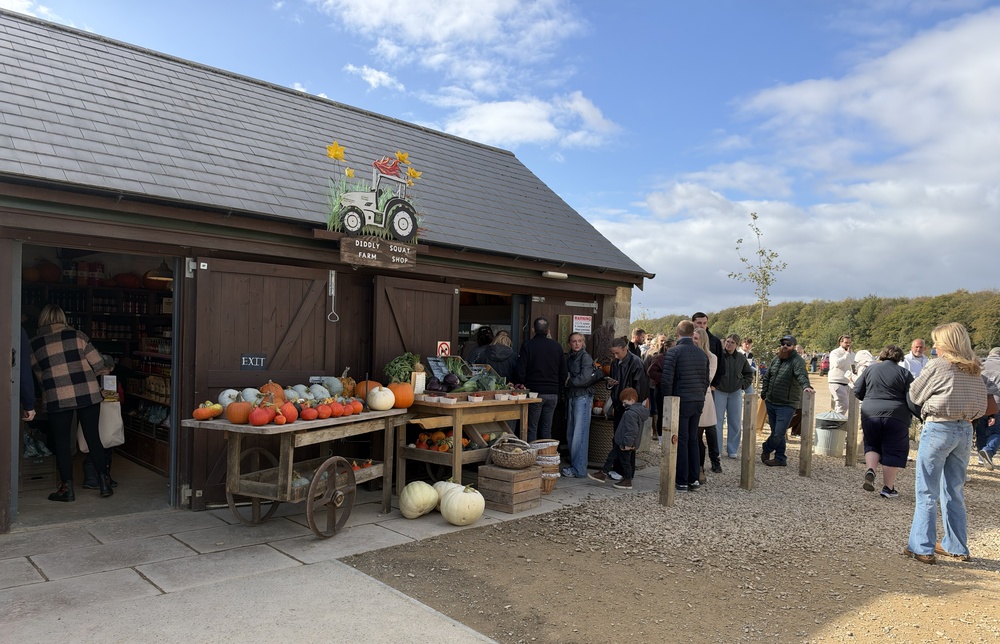
Shoppers regularly ask for local produce, enabling retailers to stock, showcase and sell a wide range of products, including their regional specialities. “Visitors are incredibly drawn to our local map, which shows exactly where our stockists are based. It gives them a visual connection to the area and the food they are buying,” Amanda said.
While independent retailers embrace grocery shop tourism and snackpacking trends, encouraging visitors to find new and novel products, ingredients and flavours, they also want to ensure they don’t alienate their regular consumers, who value living and shopping locally.
“While it is great to welcome visitors from all over the UK and beyond, our local visitors are equally important to us,” Amanda said. Farm shops, delis and food halls can therefore serve both communities by balancing everyday essentials with unique local finds. While overall sales typically focus on local consumers who shop more often for everyday produce, shoppers still purchase gifts occasionally.
“Tourists are as important as residents and the local community to us,” Vanessa Pitt, General Manager of Fodder, based at the Great Yorkshire Showground in Harrogate, told Speciality Food. Fodder runs events at its sister venues, Pavilions Of Harrogate and the Great Yorkshire Events Centre, and operates the Harrogate Caravan Park on-site. Its holidaymakers and visitors shop with or eat in the café when staying or visiting an event.
“Our takeaway Fodder on the Hoof has seen an upturn in customers, particularly with the weather we have had this year,” Vanessa said. Walkers or cyclists are stopping off for a coffee or a sandwich, giving retailers extra opportunities to get in front of new shoppers.
During its flagship event, The Great Yorkshire Show, Fodder will also see an increase in footfall, as people start their day with the food hall, then go into the show, pre-order lunches or stop for their shopping on their way home.
“For our regulars, there’s a sense of loyalty as we are quite unique,” Vanessa shared. Fodders’ profits go back to the registered charity, the Yorkshire Agricultural Society, to support farmers and the industry.
Providing daily staples, distinctive gift ranges, and food experiences that offer something extra special can enable independent retailers to meet the needs of both demographics: local visitors and food tourists.
Food shopping has become part of the holiday experience rather than just a practical necessity. Today, it is part of a broader shift towards experiential and more authentic tourism.
Updating displays regularly and embracing creative merchandising can spark and keep visitors’ interest in retailers’ shops and products. Independent food destinations can lean heavily into changing their displays with the seasons and for special calendar days like Mother’s Day, Easter, Halloween and Christmas. “This keeps the shopping experience fresh and interesting whether you are a frequent visitor or not!” said Amanda.
Retailers who stock a broad selection of products that detail the origin stories of their ingredients give tourists new and exciting eating experiences that tap into the local food scene. “Tourists love to seek out authentic local products to experience during their stay and take home,” Amanda confirmed.
Shoppers also look for local items to buy as gifts while travelling. Local honey, wine, biscuits, and chocolates are among Poplar Nurseries’ most sought-after items. “[Food and drink] make great souvenirs and things to take home—literally a ‘taste of the place’”.
Customers like to know where their food is coming from and that they are supporting local producers. “We really fly the flag for farmers and our local producers,” Vanessa said about Fodder, which stocks over 430 products.
In Suffolk, for example, there is a network of producers across the county which focuses on the foodie experience and the provenance behind food products. Suffolk’s food producers trail showcases the county’s producers and their range of food items, from smoked fish, sausages and scallops to cheese, chutney and chocolate. “Visitors now don’t simply want to see a place, they want to experience something that feels special to that place,” The Suffolk Coast’s spokesperson said.
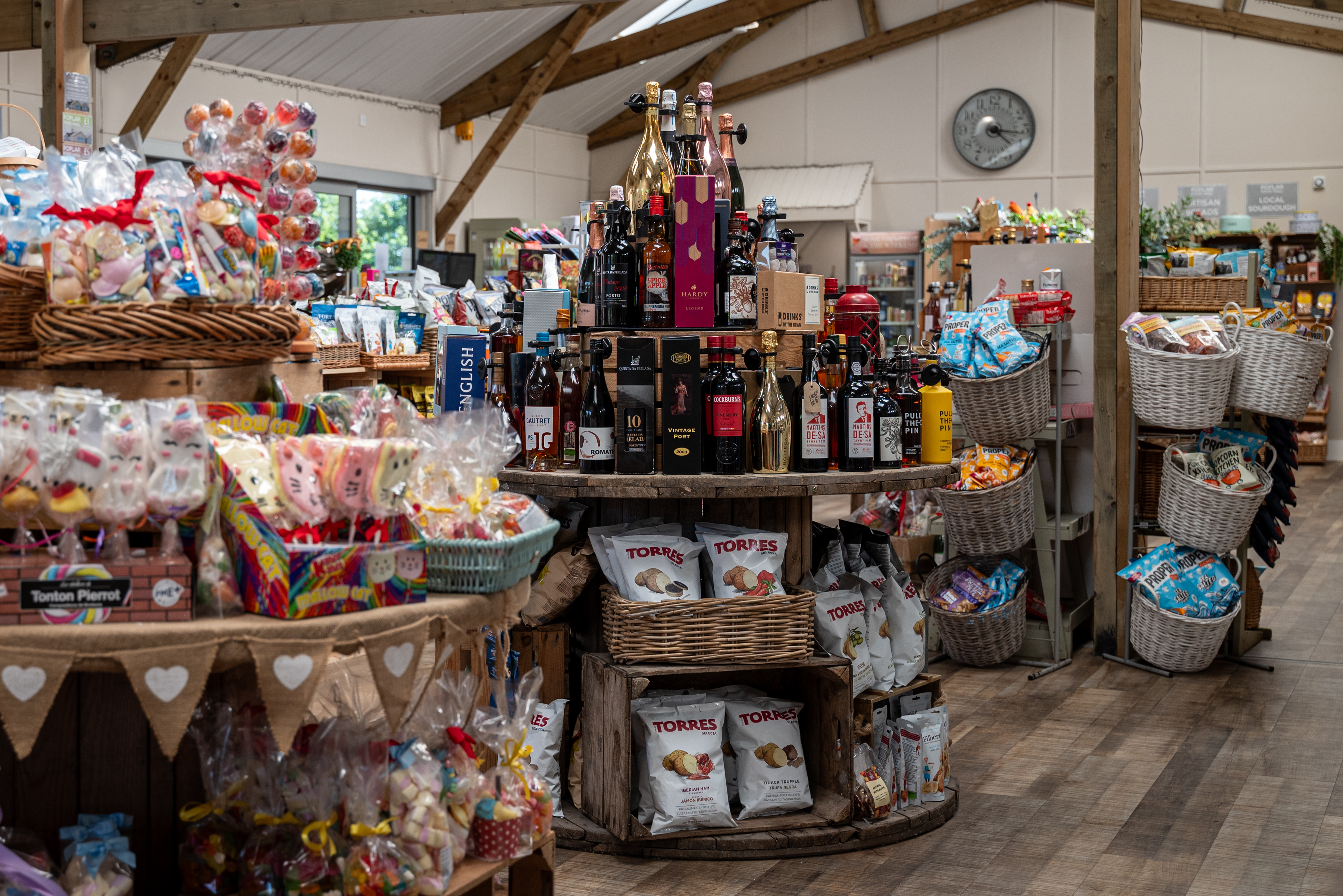
In independent retail, shoppers can see the herd that produced the milk and talk to the producers about the meat, cheese, chocolate or beer. Tourists can have conversations with local experts and learn how ingredients, stories and places are all connected.
Travellers are increasingly drawn to local markets or grocery shops rather than conventional tourist attractions. “Visiting a specialist local food shop, town or farmers’ market is a bit like cultural sightseeing,” said The Suffolk Coast’s spokesperson. These tell you something about what is grown and made locally.
There is also a growing desire among travellers to “live like a local”. Buying groceries is considered a form of sightseeing that represents this, weaving together a place’s landscape and traditions. “Food can certainly become part of the cultural heritage,” the spokesperson for The Suffolk Coast said.
Farm shops, food halls and delis bring together delicacies, place, provenance and stories and so can offer a full tourism experience.