Free digital copy
Get Speciality Food magazine delivered to your inbox FREE
Get your free copy

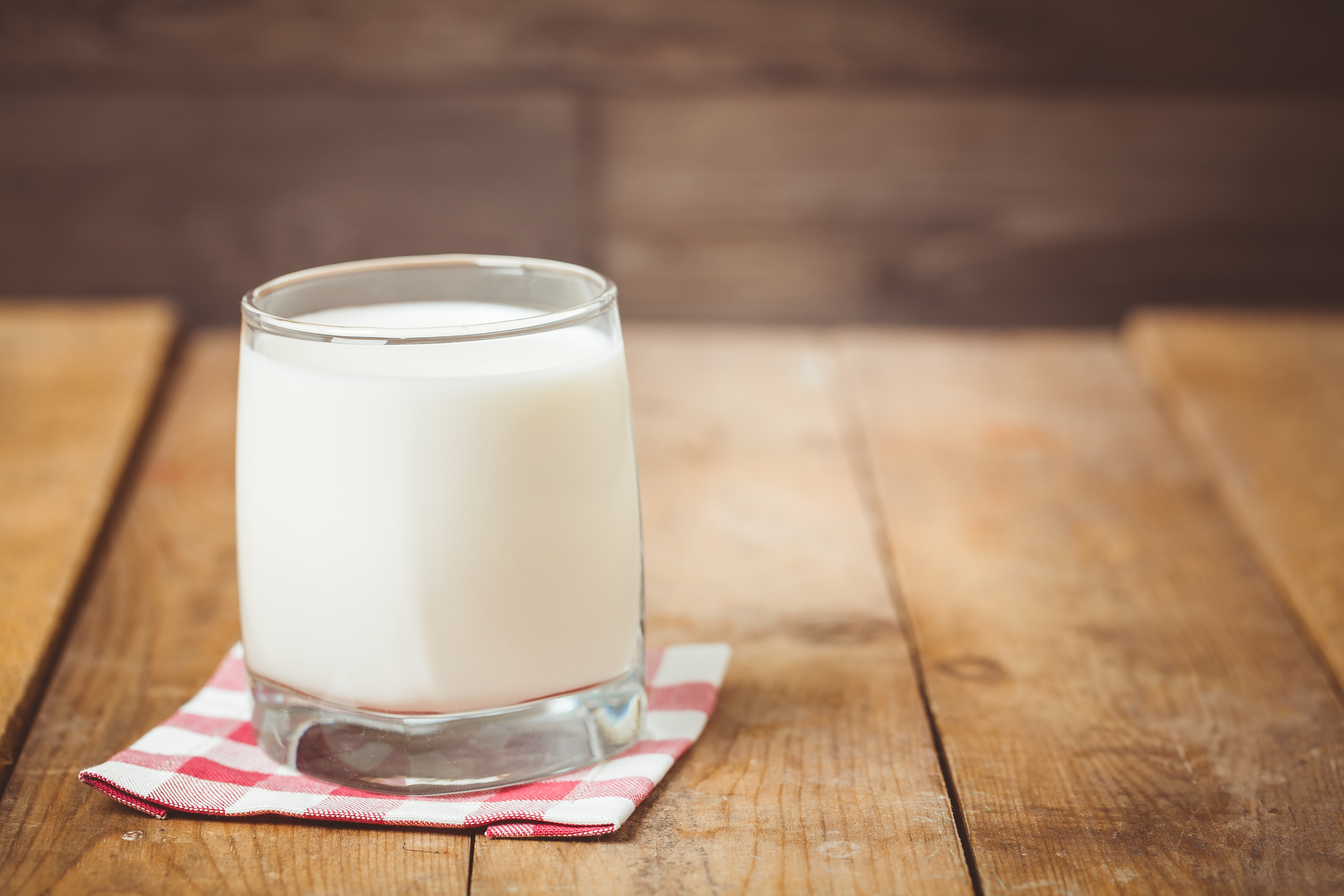
Whole milk? In. Luxuriously creamy yoghurts? In. All-natural premium ice cream? In.
Dairy is experiencing somewhat of a renaissance in the UK. Despite the challenges of milk supply (particularly organic and speciality milk), a movement is steadily sweeping all four corners of the British Isles. It’s seen by most commentators and forecasters as part of the uprising against ultra-processed foods.
Collective consciousness around ingredients and what may or may not be good or bad for us (and our gut) is steadily influencing consumer buying habits.
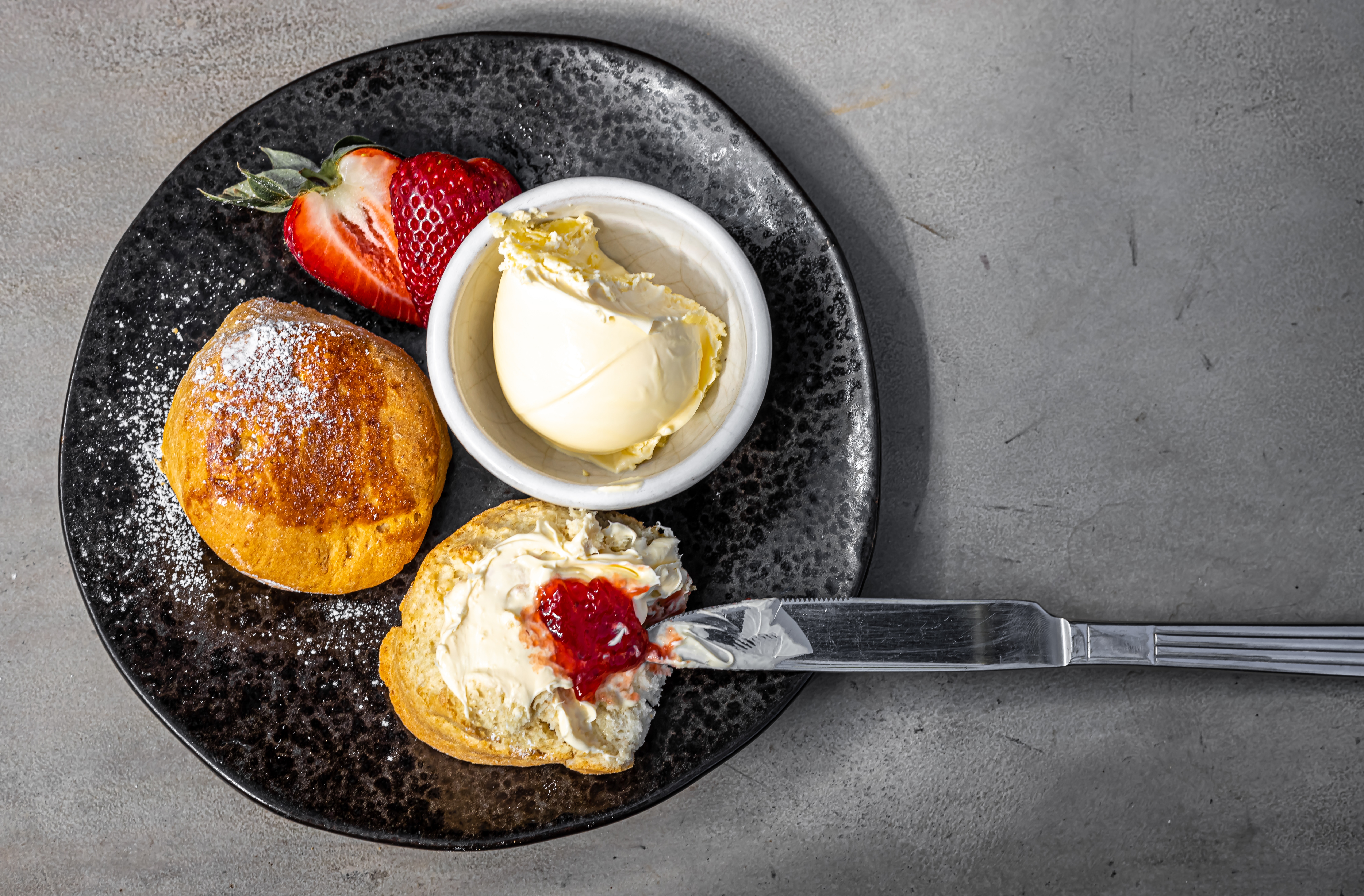
Demand appears to be up across the category. According to the Agriculture & Horticulture Development Board (ADHB) semi-skimmed and skimmed milk were in decline in 2025, while whole milk volumes went up 3% year on year, and yoghurt and yoghurt drink volumes rose by 6.5% with spend up 11.3%. The spend on cream went up by 9.7%, led by clotted cream (12.2%) noted as a strong performer towards the end of 2025.
Then there’s cheese, where the market, according to Mordor Intelligence, has increased in size by 28.6%
This fluctuation in sales is being seen overseas too, with some reports suggesting exports reached around £1.1 billion in 2025 – up 20% year on year.
Could it be time to invest more heavily, and diversify within, your in-store dairy range?
The resounding answer is yes. From small traditional dairies, to larger brands, the ripple effect of changes to buying patterns is having a notable impact.
As Ed Watts, chief commercial officer at Ehrmann Cornish Dairy (home of Trewithen Dairy and Ehrmann brands) says, shoppers are prioritising products that feel trustworthy and natural – with the traceability of being British seen as a must-have.
Trewithen Dairy is seeing significant rises in sales across its entire range, and has secured additional retail space for its Barista and Gold Milks as a response. “Our Barista Milk has experienced year-on-year volume growth in the retail section of 96%,” Ed reveals.
Nick Pomposi, global head of production at gelato maker Badiani 1932, says the business is seeing consumers place even greater value on premium options in dairy. They are, “more aware of what ‘good dairy’ means in terms of flavour, texture and digestibility, and this reinforces the relevance of our approach.”
Retailers are telling the team at Tom Parker Creamery that they are seeing an increase in consumers buyer natural products which have been minimally processed, adds CEO Rob Yates. “We’re also seeing it first-hand in feedback we’re getting directly from our customers.”
Health and sustainability are two huge factors in consumer activity, not just in dairy, but more widely in food and drink says Catherine McNeil, director of operations at the Ice Cream Alliance.
“From a sustainability perspective, dairy products labelled as sustainable (particularly grass-fed and pasture-raised milk) have become a strong selling point,” Catherine says, adding that innovation is happening at a pace in the ice cream sector.
“Some innovative, premium dairy products include ice creams with a Greek yoghurt base, which gives a dense, creamy texture, and goats’ milk, which has also been used to give a distinct flavour to ice cream.
“Premium dairy products also vary according to region, as local businesses would create their products based on what is available to them. Some are unique for the UK. For example, Jersey cow milk, which contains higher butterfat and thus is very creamy, as well as clotted cream-heavy bases.”
As we’ve already said, and as echoed by Nick, consumers are more informed than ever before, “and are comparing products not just on flavour, but on ingredient quality and authenticity”.
Indeed, that authenticity matters, says Ed, who quotes figures from the ADHB which show 58% of consumers actively seek out British food and produce. “At Trewithen Dairy, we proudly work with 35 Cornish farmers, all within a 25-mile radius of the dairy. The increased interest in British farming, combined with the association this and Cornish dairy herds have with quality, has contributed to our positive growth.”
On health, Ed says protein is now mainstream, with IGD ShopperVista noting that 28% of shoppers were actively boosting their intake in 2024, with a further 29% planning to increase it last year. Consumers are reaching particularly for Greek yoghurt and cottage cheese – demand Ed thinks will only grow this year – as well as the number of gut-friendly dairy products on the market.
“Fifty-eight per cent of people believe yoghurts and dairy drinks are most effective in contributing to a healthy gut.”
“As a nation, it feels like we have somewhat lost touch with natural food products and their characteristics, adds Rob. “Ultra-processed food has become the norm, often meaning poor quality, cheap ingredients that you can’t pronounce and don’t recognise. These types of foods are portrayed as seemingly more convenient, time saving, affordable products that have led consumers down a dangerous path to poor health outcomes.”
With awareness of UPFs, “we’re now starting to see a reversal of this,” thinks Rob. “More people are looking for products that are closer to nature, and health-conscious shoppers want to reconnect with simple wholefood ingredients like free-range whole milk, bottled fresh in recyclable glass.”
Another factor to consider in so-called ‘designer dairy’ is everyday luxury behaviour, Ed continues. “Shoppers are cutting back in some areas, but still allowing small treats that feel high-quality and reliable. For example, at-home coffee machines are becoming increasingly popular, with people opting to create barista-style coffees in their homes rather than buying out. We think this example is a specific driver of the positive performance of our Barista Milk, as we see consumers seek out products that mirror the quality and experience they would expect from a coffee shop.”
There’s definitely confidence to try new things, farmers and dairy brands are telling Speciality Food.
Rob says consumer feedback and trends strongly shape Tom Parker Creamery’s innovation. Most recently Unhomogenised Milk has joined the range. This is minimally processed (in line with shopper demands) and closer to milk in its natural state. He explains. “It has not had the fat content re-distributed evenly throughout the milk, which has become standard practice for most supermarket bought milks.” And it’s characterised by the ‘cream plug’ which rises to the top of the bottle – varying in thickness depending on the time of year and cows’ seasonal diet.
“We are getting lots of compliments from customers,” adds Rob. “Especially as it comes in an iconic glass bottle, which appears to be something that just makes it feel even more natural.”
Bedtime Milk is another 2025 addition to the line, infusing whole milk with natural botanicals to support sleep. “We know that many consumers struggle with sleep due to fast and busy lives, so we’ve crafted a natural milk drink that gives people a simple, delicious solution to incorporate into their bedtime routine.” Customers are attracted to the fact the business uses only free-range whole British milk, real fruits, raw cacao, botanicals and minimal sugar in its products, which is where, Rob says, the future of British dairy needs to go.
“We believe customers should have access to foods that are both delicious and made in the most natural way possible to support public health, British farming, and hopefully create a more honest food industry.”
Over at Trewithen Dairy, consumer buying patterns have also strongly impacted NPD strategy.
Firstly, says Ed, the business has invested in developing products that offer an elevated approach to enjoying dairy – for example its Gold Milk launch in 2025, capitalising on demand for whole milk. “Our 5% fat milk offers indulgence, nostalgia and depth of flavour that elevates milk use at little extra expense to the consumer.”
Functionality is a second pillar for the dairy, with plans to develop products and messaging that highlights the range in the category, such as high-protein or gut health-friendly formats.
And there are seasonal opportunities to be seized too. “For example, in 2025 we developed a flavoured clotted cream and strong performance of this means we will continue to explore innovations in this category in 2026, tapping into Christmas and other occasions in the summer months.”
Excitement and enjoying of premium dairy has sharpened the focus at Badiani 1932, says Nick. “Our NPD increasingly starts from the dairy itself rather than from flavour alone. While we already work with high-quality dairy, we are constantly trialling new variations and specifications to understand how even small changes impact structure, mouthfeel and flavour expression.”
The brand is also exploring future-facing concepts such as higher-protein gelato bases, and kefir-style yoghurt desserts, more broadly reflecting health and wellness trends. “These projects allow us to stay ahead of consumer expectations and continuously refine our offering.”
If the figures keep going the way they are, then it’s a resounding ‘yes’, which can be seen as a vote of confidence in British dairy.
Consumers are filling their baskets not only with kefir, yoghurts and really good cheese, but they’re thinking of dairy in a similar way to their parents, grandparents or even great-grandparents – choosing whole milk, clotted cream, traditionally churned butter (over margarine), and cottage cheese (formerly the reserve of slimming clubs and weightlifters) over skimmed and skinny versions which may have added preservatives or emulsifiers, designed to give the impression of a creamier mouthfeel or to make products more filling and satisfying.
“As consumers continue to seek products based on provenance and performance across the F&B sector, we think the support for premium dairy will only grow,” says Ed. “The brands that can evidence provenance, quality and moments of joy, not just claim it, will win.”
“At Badiani, we see premium dairy not as a trend, but as a long-term evolution of the market,” says Nick. “UK consumers are increasingly willing to invest in products that deliver superior taste, transparency and craftsmanship. This creates a strong opportunity for brands that take dairy seriously and are prepared to innovate responsibly. We believe this marks the beginning of a more quality-driven era for the UK dairy and gelato industry.”