Free digital copy
Get Speciality Food magazine delivered to your inbox FREE
Get your free copy

We are all familiar with the language around sustainability, and if you read our recently published Ultimate Guide to Sustainable Supply – available to download here – you’ll have heard from multiple experts why it is so vital that we act now to save the health of our planet and the people who rely on it.
You’ll find yet more valuable insights in this three-part series, as well as inspiring stories from the businesses and food and drink brands who are making it their mission to build a better future for us all. From operational innovations to planet-first philosophies, the businesses profiled below are truly moving the needle when it comes to sustaining the food industry and beyond for future generations.
In the fine food industry, we have the luxury of being connected to both the grassroots of the food we work with and the end consumer who enjoys them, and those connections are invaluable. Nobody likes to be preached to, but by educating ourselves around the value of working more sustainably, being inspired by businesses such as those featured here, and making active change to be more supportive of people and planet, we can hold our heads up high as champions of a sustainable future.
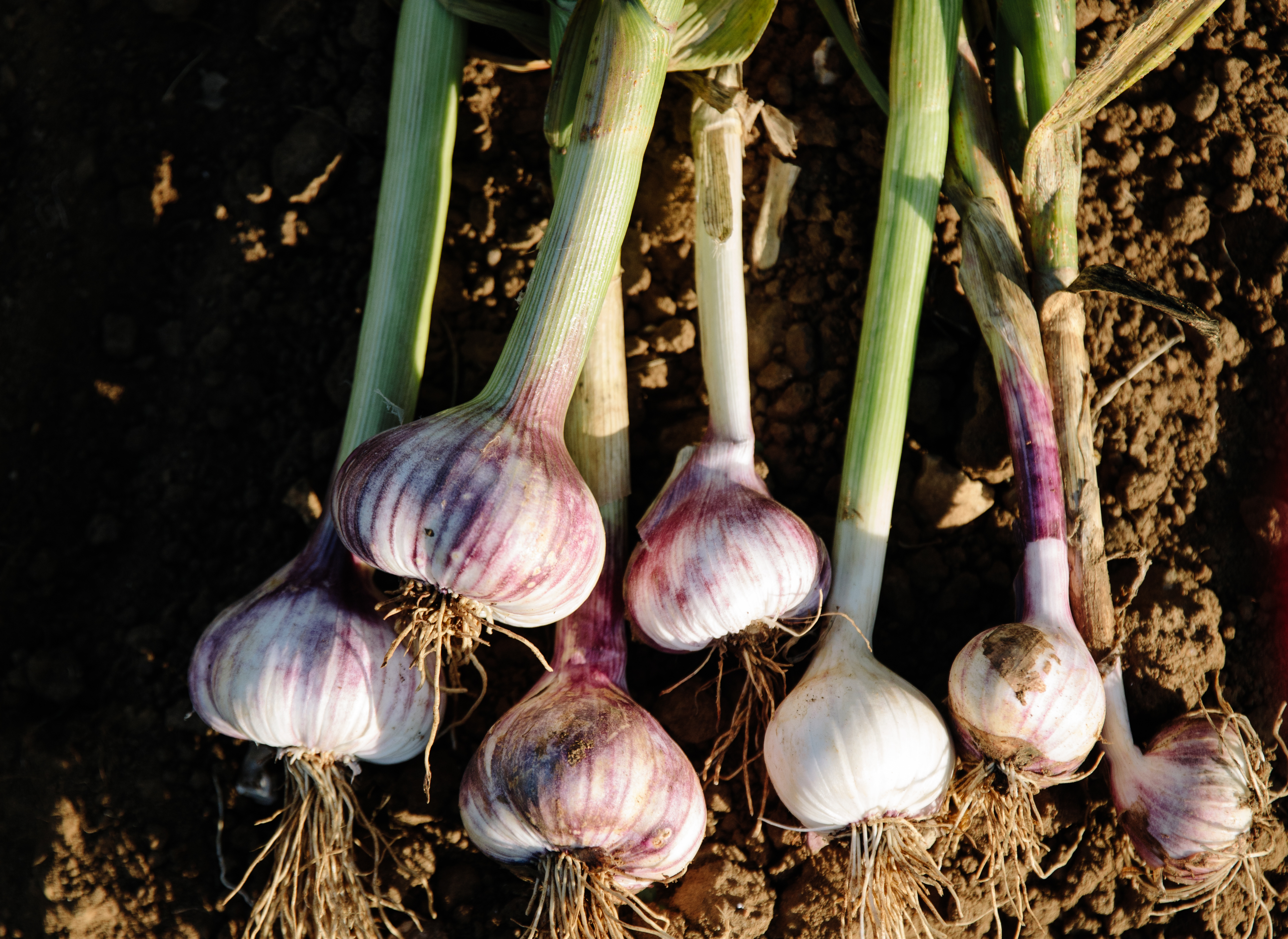
With a vision to develop health and happiness for people and planet, The Garlic Farm is thriving in its mission to promote sustainable farming and production to food lovers across the UK and beyond.
“We are a family business which aims to protect and restore the land we rely on for the long term,” explains Natasha Edwards, managing director. “We see ourselves as custodians of the land and business for future generations of our family and our community, and aim to create net positive social and environmental impacts through a series of measurements ensuring constant improvement.”
A raft of certifications, from Organic to Pasture for Life and B Corp – not to mention a 2025 King’s Award for Enterprise in Sustainable Development – help The Garlic Farm to communicate their values as well as inform their farming and business practices.
“We believe that business can be a force for good, creating positive outcomes for people and planet, while maintaining commercial viability, ie a profitable business. If we focused solely on profit, we would miss the core long-term reasons that our business can thrive; our community, our natural environment and a healthy, motivated team.” The business invests in land management practices that actively support nature, including carbon sequestration, water quality, soil health, biodiversity and animal health.
“As a farming business, we can have significant impact in these areas,” says Natasha. “Our adaptive multipaddock grazing, WETland wastewater treatment system and agroforestry projects all make significant contributions to these sustainability measures.
“In terms of social impact, our focus has been on team wellbeing, community engagement and support for local causes,” she continues. “We offer paid volunteering opportunities for all team members, support local charities with donations and fundraising events and we have a unique ‘buddy scheme’ allowing those needing extra help in the workplace the opportunity to be part of our team. Providing free access to farmland throughout the year as well as free school visits for Island primary schools and regular work experience for our local special-needs school students helps us to engage young people in nature and farming.”
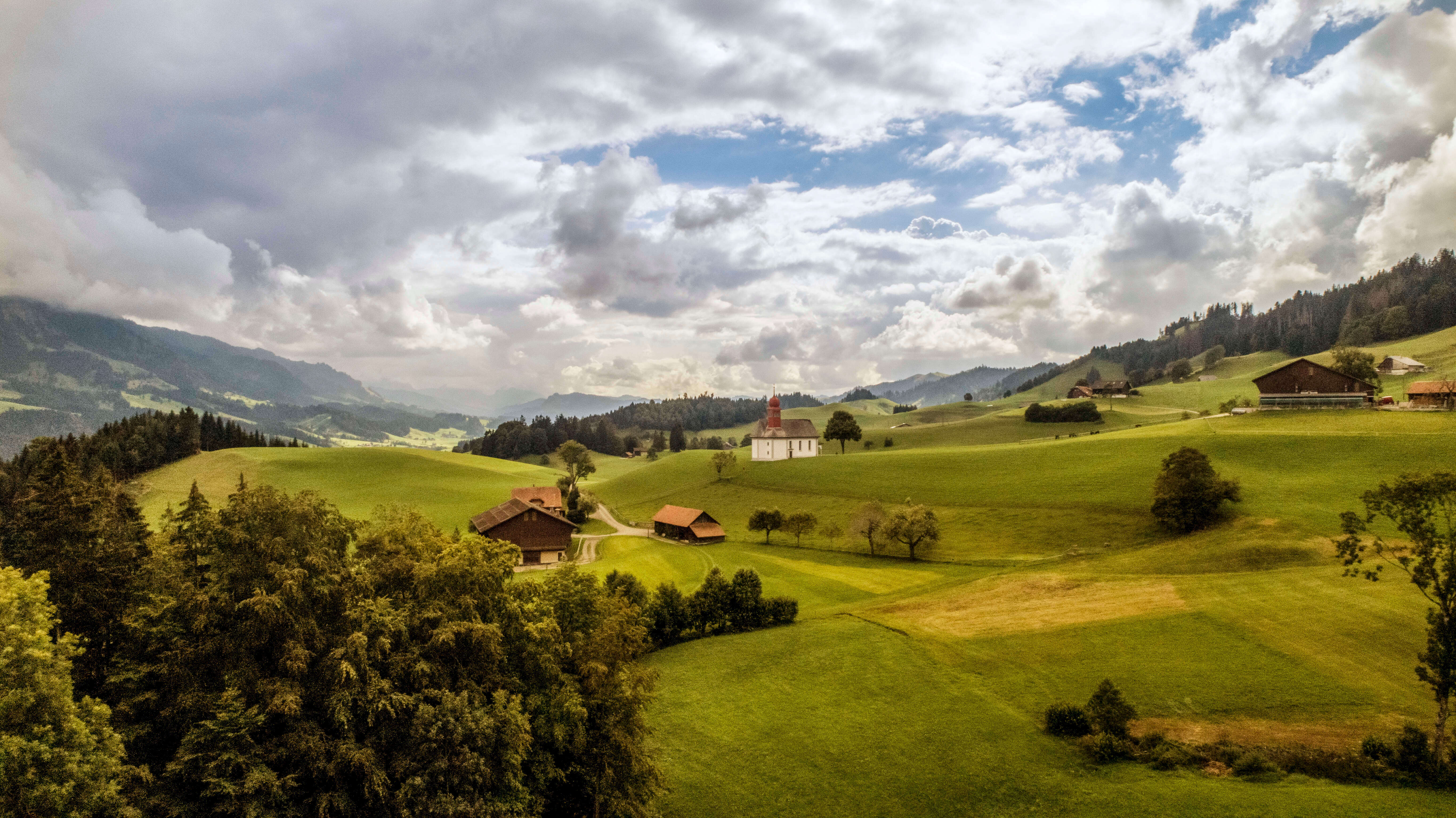
Emmi’s sustainability credentials are deeply rooted in its Swiss heritage and longstanding partnerships with milk suppliers. Since its founding in 1907, the company has worked closely with small and medium-sized family farms, creating long-term value in rural regions while treating people, animals, and nature with respect.
Almost all of Emmi’s milk is sourced in Switzerland, where some of the world’s strictest environmental and animal-welfare standards apply.
Animal welfare is a core priority within Emmi’s value chain, explains Amanda Burningham, Emmi Cheese brand lead. “Around 98% of Swiss dairy farms meet the Ecological Performance Certificate (OLN) requirements, production is largely grass-based, and approximately 80% of agricultural land is permanent grassland. About 90% of animal feed is sourced locally, and 89% of cows spend at least 26 days per month outdoors during the grazing season.
“These conditions not only support animal wellbeing but also directly influence the quality of Emmi’s cheeses, such as Kaltbach Emmentaler and Kaltbach Gruyère, where flavour, texture, and character are closely linked to grass-based feeding and regional origin.”
Alongside sustainable sourcing, Emmi has made significant progress in reducing the environmental footprint of its own operations. Since 2014, the company has reduced its direct greenhouse gas emissions by around 25% and increasingly relies on renewable energy. “Waste reduction, circular packaging solutions, and the reuse of by-products - such as whey from cheese production – are firmly embedded in daily operations”, explains Amanda.
Plus, sustainability is anchored in Emmi’s governance and corporate strategy, supported by partnerships and aligned with broader goals including climate action and responsible production. “Emmi stands out by taking a whole value-chain approach to sustainability, combining regional sourcing, innovation, and measurable impact,” says Amanda. “It relies on Swiss farms with grass-based grazing systems that support biodiversity, enhance CO₂ capture, and ensure high-quality dairy production, while helping farmers reduce emissions through long-term partnerships.”
Beyond sourcing, Emmi plays a pioneering role in the circular economy as a founding member of RecyPac, actively helping to build Switzerland’s first nationwide recycling system for plastic packaging and beverage cartons.
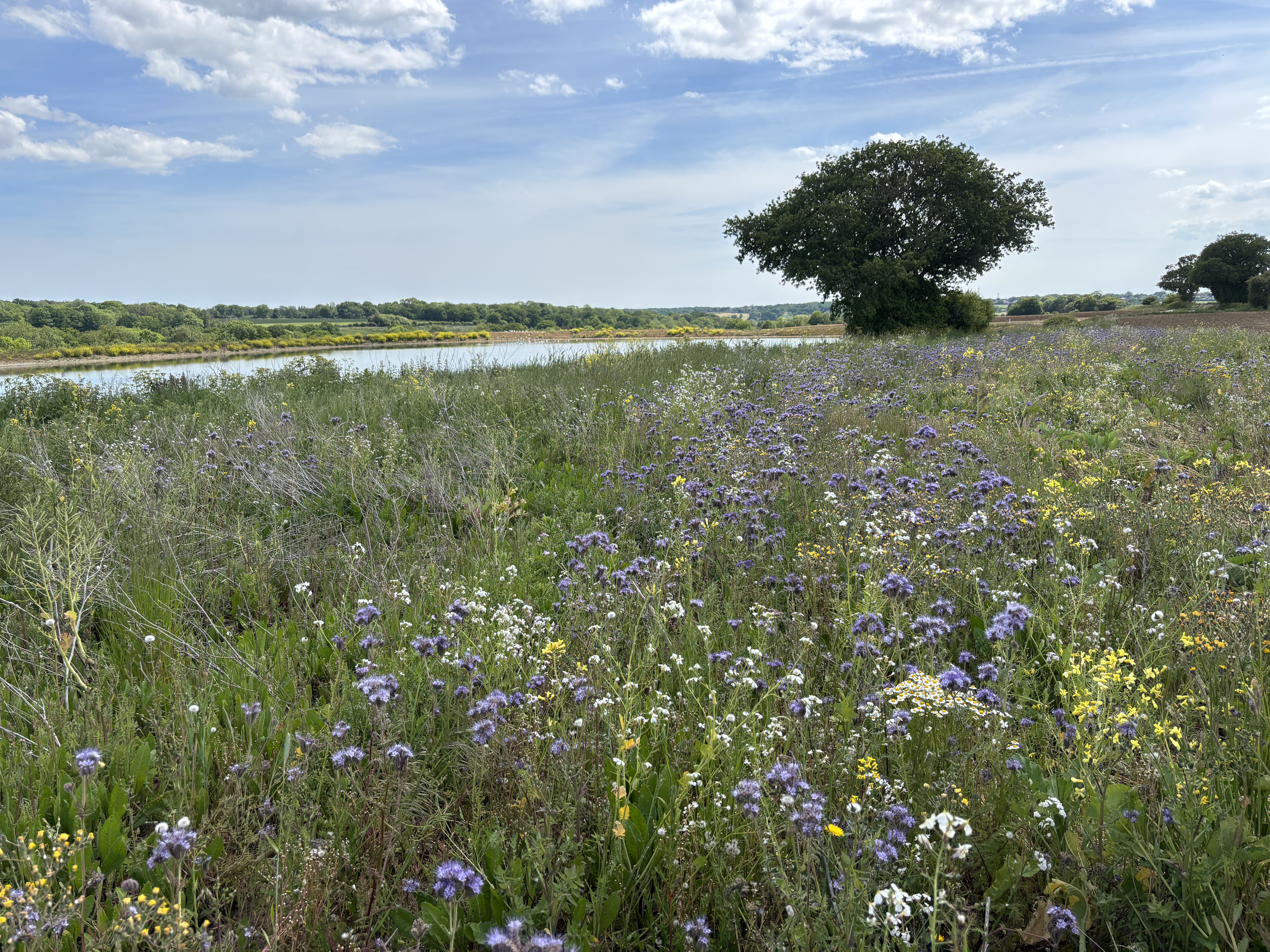
“Fairfields Farm makes thick-cut, skin-on potato crisps that don’t just taste delicious – they’re vegan, gluten-free, carbon neutral and made from potatoes we grow ourselves,” begins Robert Strathern, co-founder.
They’re free from major allergens too, which means there’s something for everyone to enjoy. “From our fields to our factory, we’re focused on making practical, meaningful changes that help reduce our environmental impact and protect the land we care so much about.
“Water plays a huge role in growing great potatoes, so we manage it carefully. Our reservoirs and closed-loop underground piping network are designed to minimise energy use as much as possible. We also grow maize and rye to feed the on-site anaerobic digestion (AD) plant which produces a handy byproduct called ‘digestate’ that’s used to fertilise the soil.”
Fairfields Farm are always looking for smarter ways to use energy, too – from transitioning to an electric forklift fleet, to using solar panels to help power our office operations. “Even our cooking oil used to make our crisps has a second life – it’s collected and repurposed into biodiesel,” says Robert.
Over the last few years 2,800 trees were planted in collaboration with volunteers supporting carbon sequestration and enhancing local biodiversity, bringing the community together, and the team engages with schools to share the farming process, from planting to harvesting potatoes to spark a passion for farming in their community.
“We’re always looking at ways we can progress, with a goal to achieve on-farm net zero by 2033, building on the regenerative farming techniques we already use, such as no-plough practices and cover cropping,” says Robert. “Plus, plans for adding extra solar panels and improving efficiency in our factory are just a few ways we are moving a step closer to our goals.”
“Our mission at Fen Farm Dairy is to nourish land, animals and people, so running a sustainable farm and business is core to that,” begins Jonny Crickmore, owner of Fen Farm Dairy.
“Green farming isn’t easy, but we work tirelessly to make positive, incremental changes in our every day operations – to give back more than we consume.”
The past few years have seen some sizeable changes on the farm. Solar panels on the cows’ winter barns, creating a cow poo-powered heat exchange system, and introducing a biomass straw burner – all of which provide valuable resources for the farm – are helping the team to achieve their goal. A new silage bunker and reservoir have been established in the past 12 months.
In terms of our day to day farming practices, says Jonny, “we truly believe that dairy and meat production and consumption can be good for the planet – and is actually a part of the solution when done right. Here at Fen Farm, we put back what we take – and we respect and nurture our ecosystem.”
One example is trying to grow all of the necessary winter feed on their own land, immediately surrounding the farm. This is a mixture of herbal ley, grass and whole crop silage. “That way, we can be self-sufficient and have full control over the quality of our cows’ winter feed – plus we drastically reduce the need to import feed from across the globe,” Jonny explains.
The herbal leys and grasses grown for winter feed can occupy a field for several years in a row, greatly reducing the need for ploughing and soil disturbance. This allows healthy root structures and mycorrhizal communities to become established, contributing to improved soil health, reduced runoff and greater carbon storage potential.
Bertie Matthews is the 8th generation MD of Matthews Cotswold Flour. “We have long advocated for regenerative farming practices, which prioritise soil health, biodiversity and carbon capture,” he begins.
“Through our Cotswold Grain Partnership, we work closely with local farmers to ensure they adopt practices that protect the environment. We also help identify specialty grains and diversification options that allow farmers and soil systems to thrive. We are working alongside them to move all our grains to a regenerative farming model by 2030. These are long-term partnerships that will benefit the soil, the farmers and our customers for generations to come.”
Matthews Cotswold Flour has just added five new regenerative flours to its premium-quality, award-winning range: Regenerative Plain, Self-Raising, Artisan T65 Bread Flour, Wholemeal and Fine Cake flours. Each of the new flours is milled from grains farmed in a way that improves soil health and will enable trade customers and consumers to create delicious, nutritious, planet-friendly bakes.
The new products, available in 1.5kg bags and 16kg sacks, have been added to the brand’s regenerative range which already includes All Purpose, Light and Dark Spelt and Strong Bread Flour. Bertie adds, “Our regenerative journey started back in 2019 when we sat down with local farmers to see if they could grow grain that’s good for the land, the farmer, and the baker. Since then, we’ve developed our own audit process and standards that help farms rebuild soil health, boost biodiversity and restore balance to our food system.
“Through our Cotswold Grain Partnership, we are helping farmers grow grains that bring life back to the soil and flavour back to the loaf. We are delighted to be able to share these new flours with our customers to help them on their regenerative journey too.”
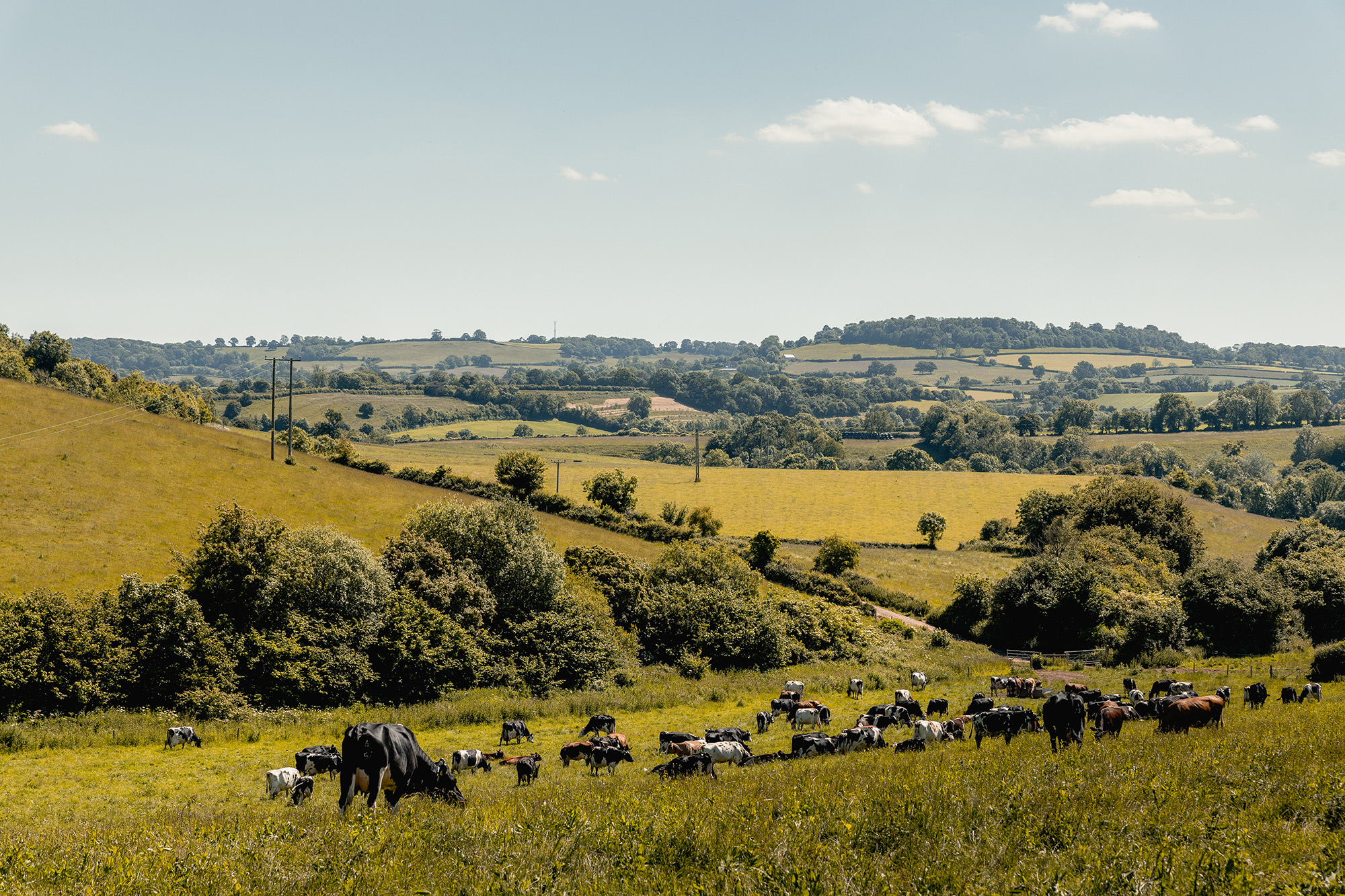
Godminster’s waxed cheeses are proudly organic and have been for over 25 years now. “Our commitment to organic is at the heart of our motto ‘nature repays those who treat her kindly’, which sums up our ethos of looking after the British countryside,” begins Jessica Kimber-Holloway, commercial and operations director.
Organic dairy farming is one of the highest welfare standards in the UK. Plus, organic farms are more resilient to climate change and have healthier soils, and are 25% more effective at storing carbon.
“This isn’t fake news or greenwashing; the good that organic farming does for the environment is demonstrably backed by scientific studies and has been for years,” says Jessica. “What’s more, organic farming is legally bound to uphold their commitment to preserving the environment.
“In 2025 we completed the first step in a major carbon measurement project,” she continues. By measuring their carbon footprint and setting reduction targets, Godminster is supporting the UN’s Sustainable Development Goals, a blueprint for creating a healthier planet and a net-zero carbon future.
Godminster’s next step is to use the Science Based Targets initiative (SBTi) framework to set measurable goals for cutting down emissions. “In October 2025 we took a big step forward in our sustainability journey. For the first time, we measured the carbon footprint of our operations – a piece of work that took months of data collection and calculations done by the science team at Planet Mark, who work with businesses to establish scientific frameworks for their carbon measurement,” Sarah explains.
“This year, we’re widening our scopes to include even more facets of our organisation – as well as working on reducing those scary carbon numbers, of course!”