Free digital copy
Get Speciality Food magazine delivered to your inbox FREE
Get your free copy

‘World flavours’ is a broad term, but it encompasses a general shift in the way many of us are cooking today. For modern consumers, an unfamiliar ingredient on a recipe is an exciting opportunity to discover something new; herbs and spices that once sat untouched in the cupboard are making regular outings in our homecooked meals.
With so much to tempt us on the world stage, Speciality Food has identified the global cuisines fine food retailers should be paying attention to now.
Sangita Tryner, owner of Delilah Fine Foods in Nottingham has seen huge interest in world flavours from customers. She finds that because the team is passionate about selling everything from Middle Eastern to Japanese flavours, customers are excited to try them. And brilliant products from brands are making it all possible.
For instance, something that many customers would have never cooked with six months ago could now become a firm favourite in the shop, Sangita says. Take the new Ottolenghi range’s Pomegranate, Rose and Lemon Harissa Paste, which Sangita has had to reorder four times since first launching in the deli, or Poon’s Kitchen’s soy sauce, which is flying off the shelf despite a premium price tag because “it’s like a soy sauce you’ve never tasted; you could eat it by the spoonful!” Sangita says.
Poon’s produces Chinese sauces and pantry essentials that, at first, Sangita thought may be too niche for customers. However, she’s found that customers are not afraid to pick up a jar of fermented soy bean paste. While some customers come in with a plan, others become inspired in-store. “If we see someone looking, we go and give them ideas,” Sangita says. A simple idea, like how to add a spoonful of a jarred sauce to a stew, can be all the convincing a customer needs. The products “sell themselves once people know what they are.” While traditional chutneys will always have their place, Sangita says, the uptake in new flavours is an exciting development in fine food.
Delilah Fine Foods also has a food bar which can be used as a forum for customers to talk about products, ask questions and engage with staff. And there’s cross-promotion through the restaurant, too. The kitchen loves using world flavours, Sangita says. Each dish they make includes at least two or three products from the deli to provide inspiration with what’s available to buy, and customers are loving what they come up with.
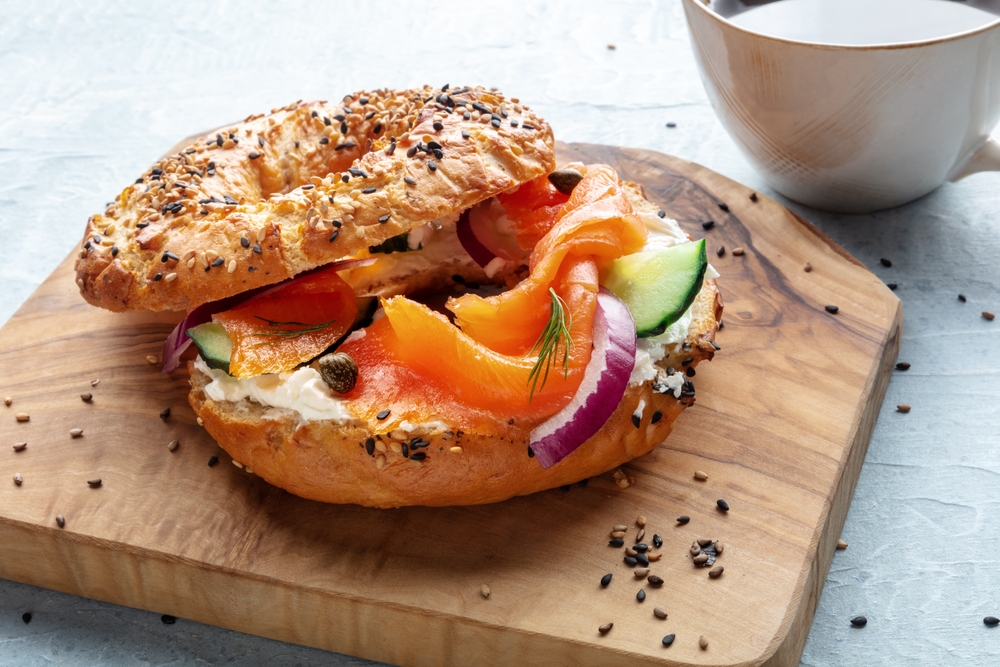
You can also look a bit culturally closer to home to succeed with world flavours. Tom Gatehouse of consultancy Egg Soldiers explains why taking inspiration from the ‘Big Apple’ could deliver strong sales. “New York–Italian food feels nostalgic to UK diners even without a visit to the city, thanks to decades of exposure through American film, television and music,” Tom says. “That cultural familiarity has paved the way for these dishes to move from reference point to reality on UK menus over the past couple of years.”
Building on the success of NYC-style pizza and bagels, some brands are now introducing a wider range of New York–Italian comfort foods, he says. “Banana pudding, long associated with New York, is among the newest of on-trend new arrivals in London, signalling growing confidence in both savoury and sweet formats.
“Flavour-infused cream cheese, rooted in NYC bagel culture, is a space of interest to me (having been to the Big Apple last year), with major players there offering seriously broad ranges of infused options such as jalapeño; olive pimento; blueberry; honey bacon sriracha; and chipotle,” he concludes.
Another trending flavour from the Americas is Mexican cuisine, which has seen a notable influx in the UK over recent years. Now, customers are looking to discover “authentic, often regional Mexican styles”, Tom says, which is “largely down to the driving force that is the Gen-Z palate — with taco formats providing a clear marker of progress. Barbacoa, carne asada, tinga and al pastor are all emerging as on-trend expressions,” he says.
Flavour cues are becoming more refined too. It’s no longer jalapeno or nothing. “Ancho, chipotle and guajillo chillies are gaining prominence, alongside citrus-led marinades using lime, orange and lemon. This shift towards authenticity moves Mexican food well beyond the tired ‘Tex-Mex’ formula,” Tom says.
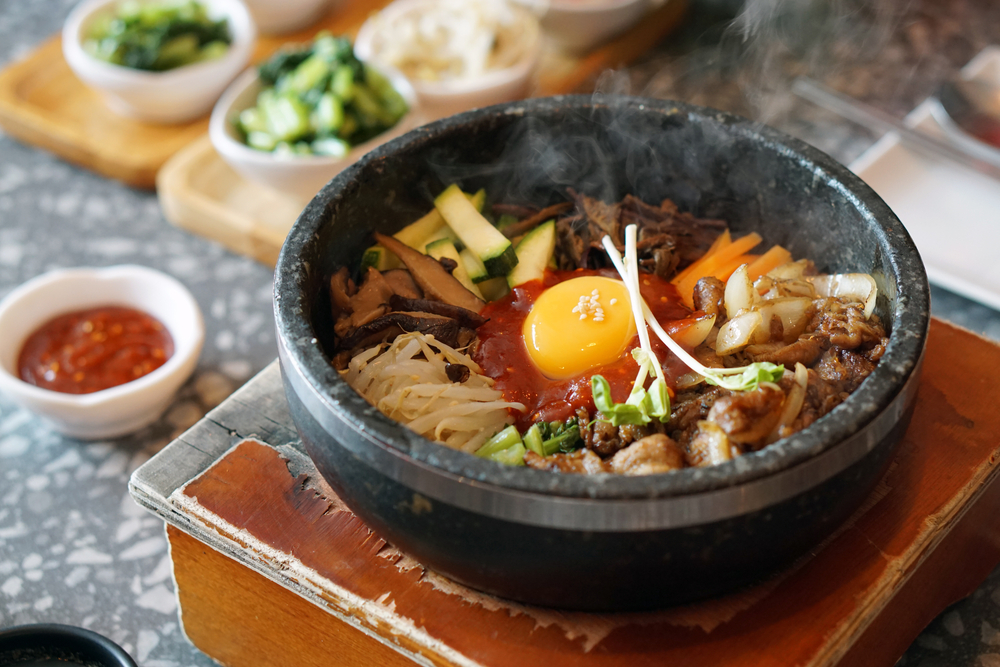
Korean food has been in the spotlight in the UK for several years now. “The journey from kimchi to broader Korean concepts has been notable, with gochujang emerging as the standout flavour driver along the way,” Tom says.
“One unifying ingredient to watch is gochugaru, which has been firmly on our radar for some time,” he adds. “A key component in both kimchi and gochujang, this Korean chilli powder delivers smoky, sweet and subtly fruity notes, with impressive versatility.
“Gochugaru-seasoned fries, for example, are emerging as a quietly on-trend pairing among those in the know,” Tom says.
A wholly separate world flavour that’s stealing the spotlight is Basque cuisine, best known in the UK for its fire-grilled meats, pristine seafood and the now-ubiquitous Basque cheesecake. “Given its popularity, it’s surprising that a broader range of Basque dishes hasn’t arrived sooner,” Tom says. But that’s all starting to change.
“Much like Greek before it, Basque is beginning to carve out a stronger presence in the UK hospitality scene, led primarily by higher-end restaurant openings. Across these concepts, familiar threads are emerging,” Tom continues.
“Espelette and piquillo peppers sit alongside anchovies, pil pil and Basque-style chorizo, creating a flavour profile that feels both distinctive and refined.”
For now, Basque cuisine remains firmly in the premium category, “but as Greek has demonstrated, wider mainstream adoption could be next,” Tom says. And speciality retailers are well placed to be the conduit.
Whether you decide to make your shop a celebration of regional cuisines around the world or you zero in on one or two proving successful with your customers, Matt Hopkins of IND!E says the shift is specifically towards “globally inspired foods that feel both authentic and accessible to the UK consumer”.
“Korean and Mexican flavours continue to grow as people look for bold, punchy tastes, while regional Italian and Eastern Mediterranean foods are benefiting from a move away from generic ‘Mediterranean’ labels towards more provenance-led storytelling,” Matt says.
“Middle Eastern and South American cuisines are also gaining traction, particularly where brands can balance heritage with everyday usability. At the same time, tropical and fruit-led flavours are cutting through as consumers look for freshness, escapism and natural sweetness.
“Overall,” he concludes, “the brands winning are those that combine genuine cultural roots with formats that fit easily into modern UK cooking habits.”
● Korean craft and culture: A celebration of Korea’s rich food heritage and modern innovation — from fermented staples and chilli pastes to snacks, condiments and contemporary pantry products.
● Regional Italian: Dive into the diversity of Italy’s regional food traditions, highlighting artisanal pasta, sauces, oils, cheeses, cured meats that are worth investing in, and the regional specialities to know now.
● Middle Eastern pantry: Middle Eastern kitchens are inspiring today’s fine food shoppers, who are increasingly hungry for spices, tahini, oils, preserves, flatbreads and more.
● Eastern Mediterranean flavours: The sunny flavours of the Eastern Mediterranean are trending for 2026. In our May issue, we covered why this is and how to cash in on the consumer demand for lesser-known cuisines.
● Tropical fruit and botanical: Tropical fruits provide British consumers with a bright and flavour-packed taste of sunnier climes – and they’re surprisingly versatile, too.
● South American artisan foods: From the Andes to the Atlantic, it’s all about South America’s diverse foods — including coffee, cacao, sauces, grains and snacks.
● Malaysian heritage flavours: Inspired by Malaysia’s multicultural food landscape, the modern foodie’s larder showcases spice blends, sauces, pastes, noodles, snacks, and pantry staples rooted in tradition.
● Mexican regional foods: Food lovers are hungry for authentic Mexican foods such as chilli and corn-based products, chocolate, spices, and artisanal specialities.