Free digital copy
Get Speciality Food magazine delivered to your inbox FREE
Get your free copy

Fibre has been in the spotlight for at least five years, highlighted on product packaging and shouted about as a USP as consumers look to fibre to play a key role in digestion and gut health.
“Fibre is definitely having a moment right now, and for good reason,” says Anna Mapson, a registered nutritional therapist who specialises in gut health. “Most people normally link fibre to gut health, but there are broader benefits for our overall health. Eating just 7g a day more fibre (which might be just an apple and a piece of wholegrain bread) can help reduce the risk of a stroke by 7%, which is pretty good odds,” she says.
As consumers increasingly understand that fibre is about more than digestion alone, what they expect from brands is changing.
Fibre has become one of the most interesting nutrition categories for Alex Glover, global product formulation lead at Holland & Barrett. “There’s growing awareness of the links between gut health, immunity, energy and even mood, so people are looking at fibre as part of a broader approach to wellbeing rather than a quick fix for digestive issues.”
And – retailers, take note – consumers are changing how they shop for fibre, too. “Consumers are becoming much more proactive about their health, but they also want solutions that fit into busy lives. Our research found that 59% of people plan to focus more on their health over the next year, yet only 50% say they currently manage it proactively,” Alex says. “That tells us people are looking for simple habits they can stick to, rather than completely changing the way they eat.”
Fibre and gut health have been ‘on-trend’ for so long, you’d be forgiven for thinking they have already had their day. “Over the last few decades, there’s been a rise in the popularity of fibre-rich foods, with UK Google search volumes showing yearly increases for ‘fibre’ searches, since 2004,” says Nuala Armstrong, health advisor at Bupa Health Clinics.
But fibre-related searches on Holland & Barrett’s website increased by around 62% between July 2023 and July 2026 alone, showing that consumers are still looking for practical ways to increase their fibre intake.
“Fibremaxxing has become one of the biggest gut health trends, encouraging people to increase both the amount and variety of fibre they eat,” says Holly Caske, nutritionist at the gut health brand Biomel. “Rather than simply eating more fibre, the focus is on consuming a wider range of plant foods, such as beans, lentils, wholegrains, fruit, vegetables, nuts and seeds, to support a more diverse gut microbiome.”
This is likely enhanced by the spread of information on social media, Nuala says. “Social media also seems to be influencing fibre’s popularity across younger people, with recipes like overnight oats and chia pudding seeing virality across platforms.”
While Jon Walsh, co-founder and CEO of Bio&Me says ‘fibremaxxing’ is certainly boosting a ‘fibre aware’ mentality, “this is something that has been evolving since the pandemic: the growing awareness of the importance of gut health, and the role that fibre plays within that.”

Consumers have become savvier about fibre in recent years, agrees Gavin Cox, founder of Benefit Juice, which has recently revamped its range to add more fibre in its juices. “And the explosion of fibre-rich food promotion in the media and on our shelves reflects this,” he tells Speciality Food.
He believes the fibre trend is shifting from ‘eat more fibre’ to ‘functional fibre with a purpose’. “Consumers are becoming more informed, and brands are moving beyond simply highlighting fibre content,” he explains.
“The NHS recommends about 30g of fibre a day as part of a healthy, balanced diet. Most adults in the UK average around 20g of fibre a day, which is why it’s a good idea to look for simple ways to boost fibre intake.” By enriching their juices with 6g of fibre per 150ml serving, Gavin says they aim to make it simpler for shoppers to add more fibre to their diet.
Holland & Barrett’s Alex agrees that the biggest shift is moving fibre out of traditional formats and into everyday food.
“Rather than relying on powders or supplements, we’re seeing much more innovation in snacks, drinks and ingredients that people can easily add to meals. The aim is to make it easier to increase fibre intake without asking consumers to change their routines,” Alex says.
That’s the thinking behind one of the brand’s latest ranges, which includes a Fibre Soda with 7g of fibre per can, High Fibre Crunchy Roasted Beans, High Fibre 5 Seed Bars and a range of seed toppers and boost mixes. “Rather than asking consumers to completely rethink their diets, these products are designed to slot into meals and snacks they’re already eating,” Alex says.
And people should not have to choose between taste, better nutrition and affordability, adds Simon Gray, founder of It’s Giving, a gut-friendly soft drink brand. “What makes [It’s Giving] stand out is that it behaves like a proper soft drink, rather than a supplement,” Simon says. “It is designed around great flavour, refreshment and familiar soft drink occasions, while the £1 price-marked pack makes the emerging gut-friendly soda category accessible as an everyday choice rather than a premium treat.”
Most people, he says, do not want a science lesson or a complicated ingredient list. “They want familiar products with benefits they can quickly understand and trust.” And consumers are more open to getting fibre from convenient formats beyond traditional cereals or supplements.
“The opportunity is not simply to add fibre to more products. It is to make fibre easy to fit into everyday life, without asking people to compromise on taste, convenience or price.
“Taste is what turns a health trend into a lasting category,” Simon says. “A functional benefit might encourage someone to try a product once, but flavour and quality are what bring them back.”
By helping consumers to make small, sustainable changes to what they eat every day, Jon says, “there’s a real opportunity not only to drive category growth, but importantly, improve the nation’s health”.
Many fibre products are becoming more rounded nutritionally, Alex says, as consumers seek out products that support multiple nutritional goals rather than focusing on a single ingredient.
Protein, 2026’s other nutritional big-hitter, is a common pairing – including in Holland & Barrett’s new High Fibre Boost Mix. “Government data shows that 96% of UK adults don’t consume enough fibre, so we’re seeing growing interest in products that combine protein and fibre, rather than treating them as separate trends,” Alex says. “That combination helps consumers support multiple health goals at once, whether that’s gut health, satiety or maintaining a balanced diet.
“Fibre and protein are actually natural partners,” adds Bio&Me’s Jon. “Followers of my co-founder, Dr Megan Rossi, The Gut Health Doctor, will know that for consumers wanting to increase their protein intake, they should be looking to increase their fibre intake too in order to avoid having too many toxins in their digestive system.” The brand even launched a Fibre+Protein range, which includes a kefir yoghurt and fibre-packed granola in a ready-to-eat format.
“Ultimately,” Alex says, “the biggest shift we’re seeing is that consumers are moving away from chasing individual ingredients and towards choosing foods that support their overall wellbeing.”
Consumers are also becoming more interested in products that combine multiple gut health benefits, such as fibre, prebiotics and probiotics, says Biomel’s Holly, “making it easier to support the gut microbiome as part of an everyday routine”.
Different types of fibre play different roles in supporting gut health, which is why eating a variety of fibre-rich plant foods is so important, Holly says. Fibre isn’t one single nutrient, so different types work in different ways to support digestion and the gut microbiome.
“Ultimately,” Holly says, “it’s about building sustainable habits that support long-term gut health, rather than following short-lived wellness trends.”
This all plays into where Alex believes the fibre trend is going next. “We think the conversation will move beyond simply eating more fibre to thinking more about the overall health of the gut microbiome.
“Consumers are becoming much more aware that gut health may be connected to lots of different aspects of wellbeing, including mood, immunity and skin health, so there’s growing interest in eating a wider variety of fibre-rich foods alongside fermented foods and other gut-friendly ingredients.”
Anna believes the next trend in fibre will be to consider the diversity of fibre types, not just the total fibre we’re supposed to eat each day. “This is because different gut microbes enjoy a range of different fibres, and we can increase diversity amongst gut bacteria by eating a wider range of plant-based foods.
“Eating a broader range of foods can also help ensure people are getting the right levels of vitamins, minerals and antioxidants for long-term health,” Anna continues.
Holly agrees. “The conversation around fibre is moving beyond simply hitting a daily target to understanding the importance of fibre diversity. Going forward, I expect we’ll see more people focusing on eating a wider variety of fibre-rich plant foods throughout the week, rather than chasing a single daily target.”
Plus, Jon says, consumers are much more discerning. “They want functional benefits, but they also want ingredient lists they recognise and trust.
“That’s driving a shift towards more natural ingredients, rather than heavily fortified formulations where the back of pack reads like a chemistry experiment,” he adds. “Shoppers increasingly want products to have less reliance on artificial additives, sweeteners, and emulsifiers. So, it’s not just about fibre, it’s about the overall quality of a product, and carefully selecting whole food ingredients and healthy fats such as extra virgin olive oil, which support gut health and overall health too (which is what you’ll find in our granolas and bars).”
And convenience will remain key. “People know fibre is good for them, but they’re looking for realistic ways to incorporate it into everyday life,” Alex says. “The products that succeed will be the ones that make healthy choices feel easy, whether that’s through snacks, drinks or simple meal additions.”
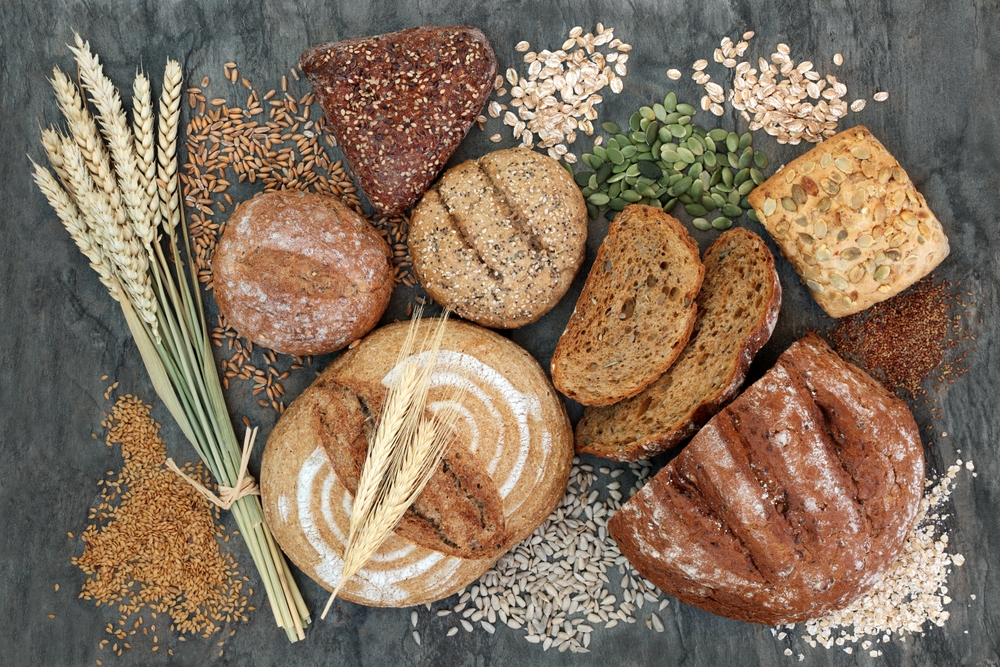
While buzzy new launches attract the most attention, there are plenty of products packed with fibre that will already be on your shelves. Why not highlight a range of fibrous products from different plant-based sources, which Nuala says is the best way to boost your fibre intake:
- Wholegrains (cereals, rice, crackers, pasta and breads)
- Beans and pulses
- Fruits, like berries, dried fruit and apples – don’t forget to eat the skin as that’s also another great source of fibre
- Vegetables containing prebiotic fibres, including garlic, onions and asparagus
For any item to truly be high fibre, the number of grams there are per each 100g is key, Nuala adds. “Products that contain at least six grams of fibre per 100g can have more health benefits than a product with less.”
“Adults need to aim for around 25-30g of fibre per day,” says Anna Mapson. “It’s possible to get a high fibre diet without eating beans and pulses all day (although they are a very good source of fibres). Surprising high fibre foods include kiwi fruit, popcorn, dark chocolate and avocado.”

Getting enough fibre in your diet has a positive effect on multiple aspects of your health, says Nuala Armstrong, health advisor at Bupa Health Clinics.
Reduces constipation. “Providing that you’re drinking lots of water alongside what you eat, the fibre within your food helps to keep you regular, and makes it easier to pass poo, thanks to the bulk fibre adds to your stool.”
Keeps your digestive system working well. “If you don’t eat enough fibre, it can make it hard for your digestive system to do its job well. Fibre helps the good bacteria in your large intestine and encourages a healthy and diverse range of bacteria within your gut. A healthy microbiome can reduce intestinal inflammation, along with other conditions related to intestines, like diverticulitis and colon cancer.”
Improved cardiovascular health. “Fibre-rich foods like barley and oats can help reduce the amount of cholesterol within your blood. This is because these foods contain a type of fibre that forms a helpful, gel-like substance within your gut, that cholesterol can stick to. Eating more of this food gives your body a better chance of excreting any cholesterol, rather than it absorbing into your body.”
Helps with blood sugar control. “Fibre also helps to create less volatility in your blood sugar levels. It slows the rate that glucose enters your blood stream as it takes longer to break down, resulting in a smaller rise in blood sugar levels after meals. In doing this, research has shown there’s a lower risk of developing type 2 diabetes long-term.”
Helps you feel fuller, for longer. “Food that’s high in fibre can help you feel fuller for a longer period of time. If you feel fuller, you may be less likely to eat in excess. Research is increasingly pointing towards fibre helping you to maintain a healthy weight.”