Free digital copy
Get Speciality Food magazine delivered to your inbox FREE
Get your free copy

Starting up a farm shop is an exciting undertaking. From fresh fruits and vegetables to home goods - they are a treasure trove of lovely things.
In the UK, farm shops are increasingly appearing, as farmers seek to expand their business offerings and meet the growing demands for locally grown produce. Farmers in particular are well-positioned to meet these needs and also have the business experience and knowledge it takes to get started.
Whether you’re a farmer or an entrepreneur with the dream of opening your own farm shop, this article is for you. We’re going to run through the steps you need to successfully open your own farm shop.
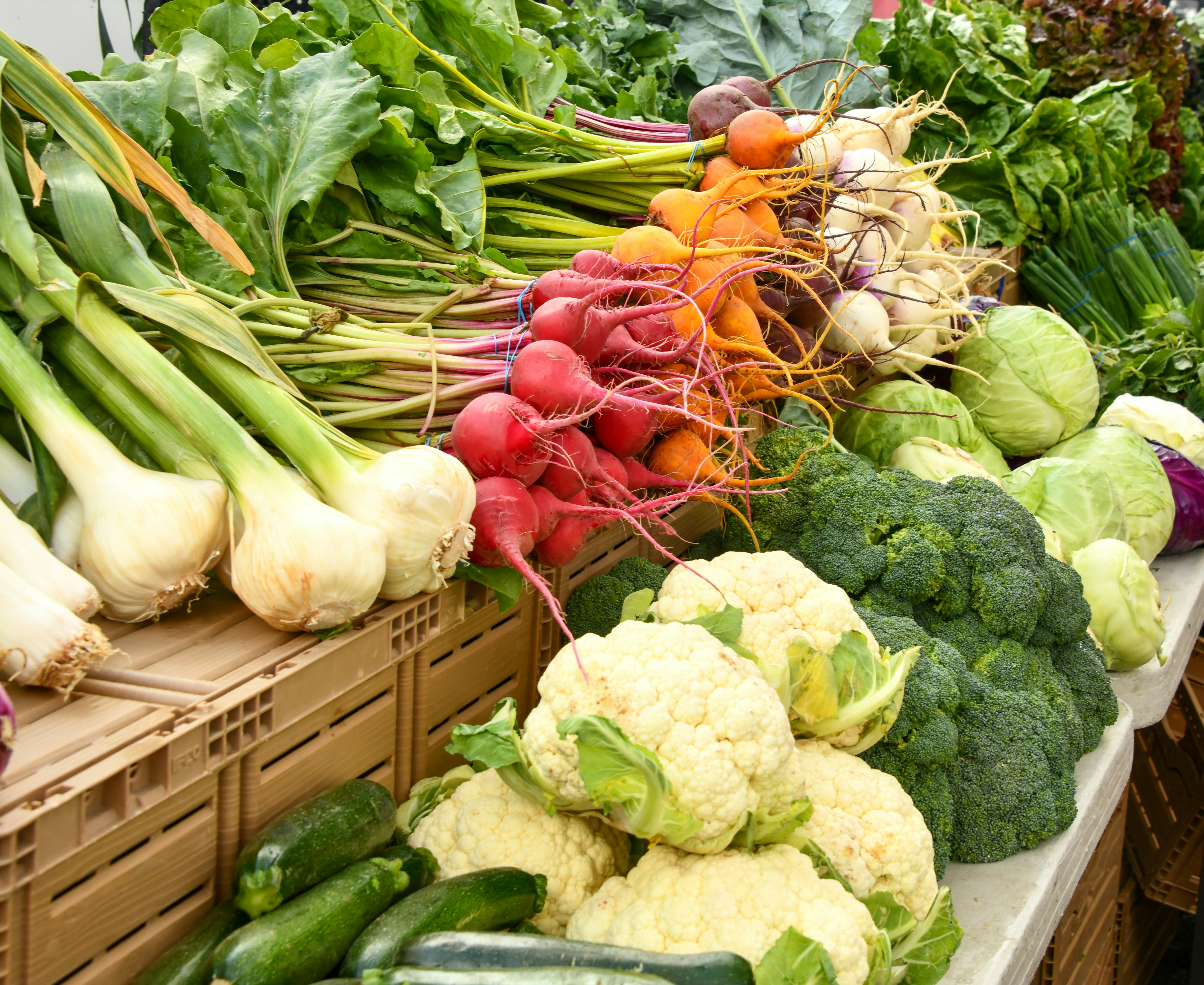
Many people have an idea in their heads of what running a successful business looks like. But it often takes a lot more skill, knowledge, and grit than they realise.
While you will learn a lot in the process, it is helpful to have some foundational business knowledge to help you get started. Here’s a breakdown of the things we’d consider pretty essential:
An understanding of financial management: Understanding how to budget, successfully manage cash flow, and how to price items for profitability can all be helpful financial skills from the outset.
Customer service skills: Many aspects of running a successful farm shop involve face-to-face customer service skills. These are essential for building long-term relationships and ensuring a positive customer experience, as well as encouraging return visits.
Supply chain and inventory management: Farm shops sell a lot of produce - much of it fresh. So, it’s important to have a solid, well-managed supply chain as well as an efficient inventory management system. Learning these skills in advance will help you sustainably launch your shop, ensuring timely deliveries and minimising product waste.
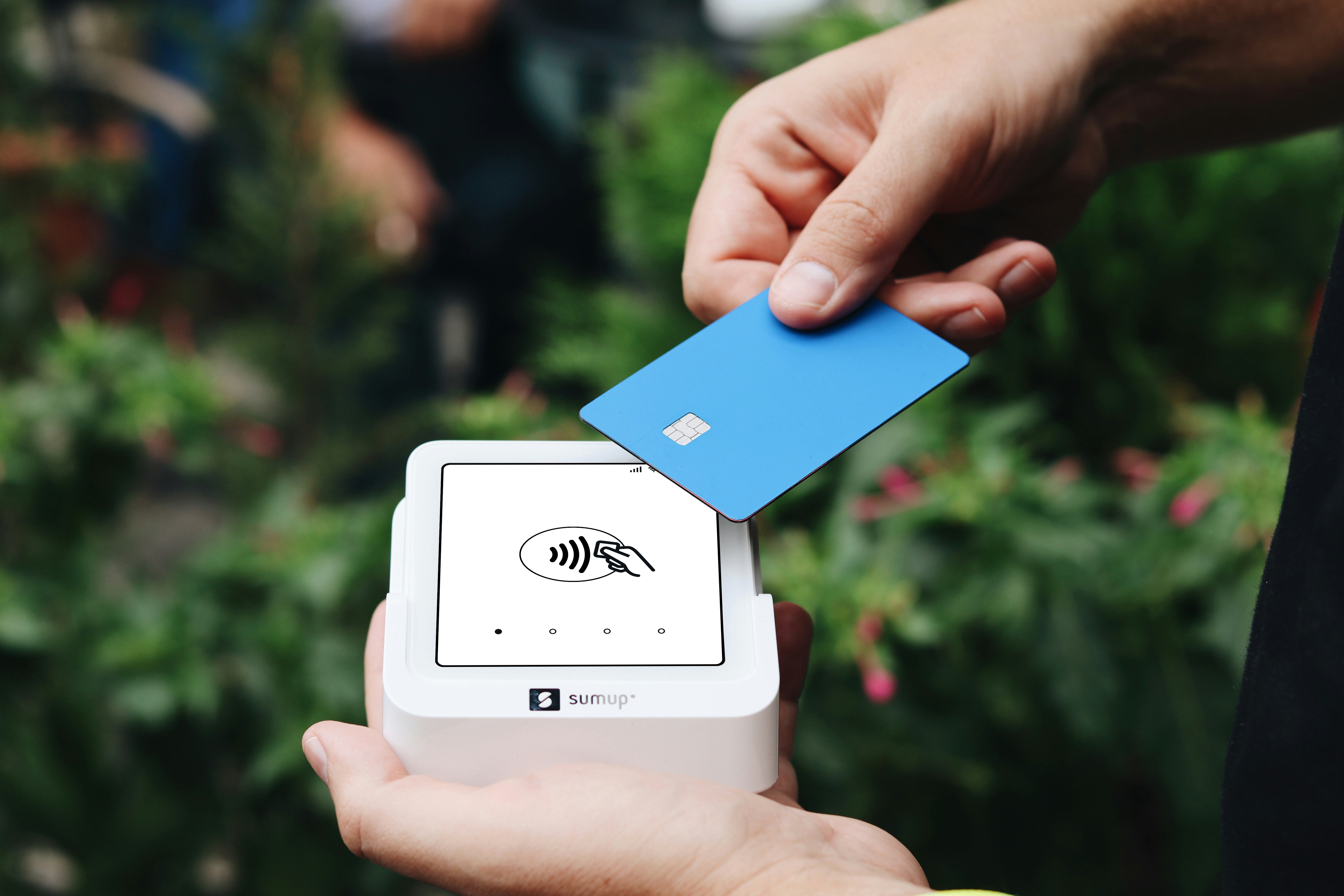
Customer payment solutions: In advance of opening your farm shop, it’s important to consider the best payment solutions for retail. While this might sound like a small detail, it can have a huge impact. Customers want ease and convenience, so being able to take payments on phones is hugely important and something your customers will expect.
Finding the perfect farm shop location is integral to business success. While most people enjoy the ‘day out’ experience a farm shop offers - somewhere they can relax, enjoy a picnic, and have a drink - they also want accessibility.
This means, ideally, you want a shop that is located within comfortable driving distance from the nearest town.
Your customers will also need to know how they can get to your farm shop. So, it’s important to have clear and well-marked road signs that point them in the right direction. You should also think about on-foot access routes, as not everyone will be arriving by car.
When your farm shop is accessible - often just off a main road and with plenty of onsite parking - it’s more likely that people will drop-in for a look around on their way to somewhere else.
In order to remain competitive, attract more customers, and increase monetisation, farm shop owners are offering more features - from petting zoos to seasonal events. This is because one in four UK consumers spends more money on memorable experiences than physical items.
As visitors are on the lookout for great weekend experiences and activities, you can attract more customers by extending your farm shop offering to include everything from quality produce and local shopping to seasonal events and picnic areas.
The wider the range of features your farm shop can offer, the better. According to research, people expect farm shops to open on the weekends (95%), have an onsite cafe (85%), show farm animals (38%) and provide a children’s play area (35%).
As Savills summarises, “The growing demand for visitor destinations offering a wide range of experiences presents a huge opportunity for farm shop enterprises and it does not have to cost the earth.”
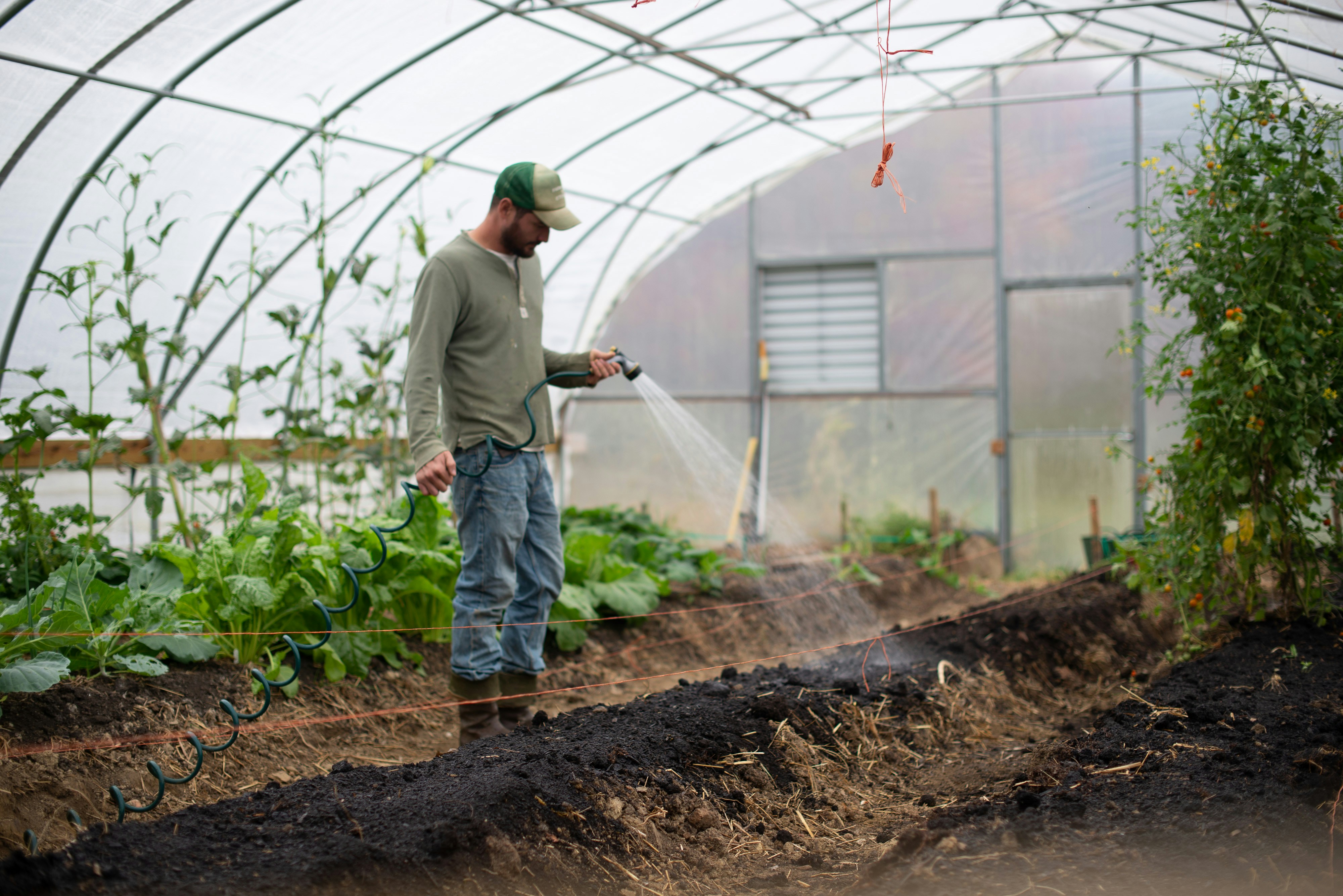
It’s important to understand who your audience are and what they like, in addition to the features they would like to see at your farm shop. For example, you might know that there are lots of families within your shop’s vicinity. Therefore, selling more snacks, introducing a picnic area, and installing a playground would be a worthwhile investment.
The good news is that adding convenient features that meet your customers’ needs doesn’t have to be expensive. It might be that customers want a click and collect service, extended opening hours, or a wider variety of ethical meats and cheese for sale. You don’t have to build an extension or open a restaurant to keep your customers happy - small but thoughtful changes can make just as much of an impact.
Who’s your nearest farm shop? How are you setting yourself apart from them? What is your unique selling point? Knowing your competitors is important for any business as it helps you understand what other businesses are doing well, where they are perhaps falling short, and where you might be able to fill a gap.
We highly recommend visiting competitors’ farm shops to get a feel for their services, including: the foods on offer, the facilities they provide, the level of customer service on offer, as well as the overall shopping experience.
By visiting your competitors’, you can learn from the pros and discover (from a customer’s perspective) what’s working well and what isn’t. You can take this knowledge and apply it to your own farm shop.
Once you’ve done all the hard work of setting up a farm shop in the UK, it’s natural to expect people to turn up. However, just because you’ve put the effort in, doesn’t mean customers will automatically appear. It doesn’t work like that. In fact, the main reason for slow uptake is a lack of promotion and marketing.
Promoting and marketing your farm shop in the lead-up to opening day is vital for attracting customers. People need to know your farm shop exists. So, here are a few ways you can drum up interest:
- Set up a Google business profile
- Promote your farm shop on social media
- Post flyers through doors in the local area
- Create a memorable logo and slogan
- Build a website that is optimised for local search
- Use clear and attractive signage to guide people to your shop
By combining each of these strategies above as part of a wide marketing and promotion campaign, you can get people talking about your farm shop. So that when opening day rolls around, you’ve got a queue of people snaking out the door.
Whether you have tried-and-tested business experience or not, opening your own farm shop is a big job - and an exciting one at that. Whatever your level of expertise, we’re confident that you will learn a lot along the way. We hope this article acts as a helpful guide to get you started.