Free digital copy
Get Speciality Food magazine delivered to your inbox FREE
Get your free copy

Increasingly, retailers are encouraging consumers to shop organic throughout September. In recent years, more major retailers have been investing in organic, expanding their ranges and distribution, and offering price promotions to appeal to new consumers.
“We know that over half of organic shoppers buy from independent retailers,” Julia Kirby-Smith, Executive Director of the Better Food Traders network, told Speciality Food.
Doubling down on their Organic September efforts, brands are also highlighting the health and environmental benefits of organic food. With consumer interest rising, these campaigns are reshaping shopper habits and setting the stage for possible year-round growth.
“This has really worked,” Clare Hadway-Ball, Senior Commercial Manager at Soil Association Certification, told Speciality Food. According to the Organic Market Report 2025, organic sales in supermarkets grew by 7% (3% higher than total market growth) last year and accounted for 65% of all organic sales.
“We’ve seen growth at both ends of the market, with the discounters growing their organic market share and M&S and Ocado as well,” Clare said. A total of 4 out of 5 UK households are buying organic, with purchase frequency increasing to every three weeks, likely due in part to better availability in supermarkets.
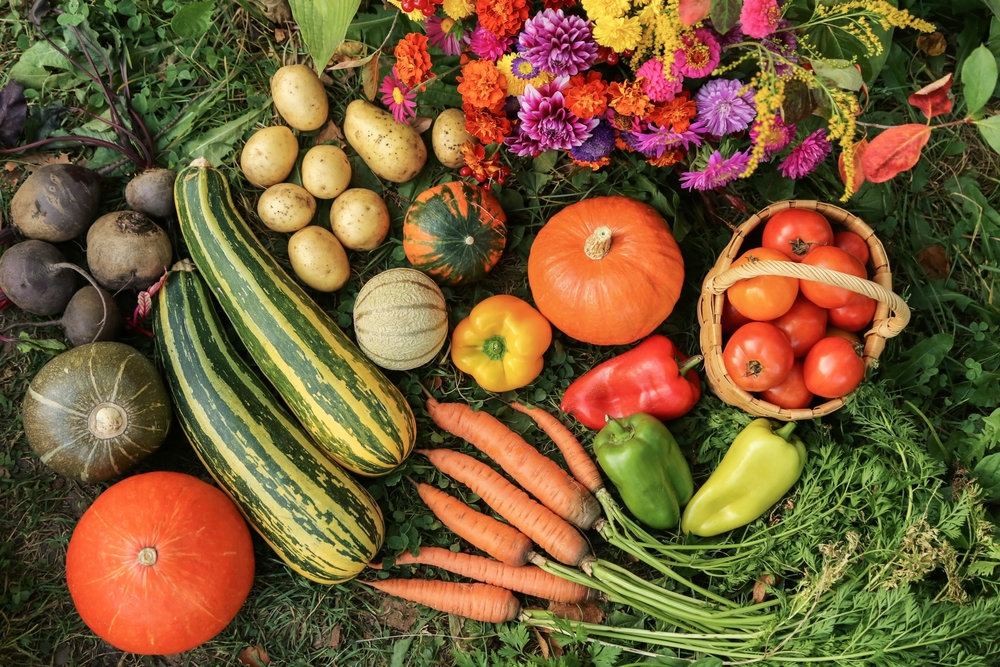
In 2026, Soil Association Certification, the brand behind the nationwide campaign, has seen numerous major retailers embrace Organic September.
Leading retail Organic September campaigns in 2026 include:
M&S announced price cuts on nearly 50 organic lines, including fruit and vegetables, to align with its Remarksable Value proposition. They have backed this up in-store with Remarksable Value and Organic combined window displays in selected stores. They have also expanded their in-store organic zone to make it easier for shoppers to find organic products together in one part of the store.
Ocado’s Future of Food Edit aisle includes a 130% increase in organic products to mark Organic Sept.
Sainsbury’s has launched half-price Nectar deals on Organic during September.
“Veg box subscriptions always see an uplift in September as the produce is at its best and people have that back-to-school mentality of getting more organised about meals,” Julia said. Organic beans and pulses are also popular, with Better Food Trader seeing consumers shifting away from meat toward cheaper, plant-based protein and fibre.
“Price is certainly a driving factor in the current climate for what shoppers choose to buy,” Clare confirmed.
“Organic shoppers are also twice as likely to have a passion for cooking and prioritise top quality ingredients,” said Julia. As a result, organic-buying consumers are drawn to recipe cards, nutrition advice and ideas for following healthy diets.
“People want to know more about what they’re eating, where it has come from and how it was produced, and organic gives them a clear, legally certified standard they can trust,” Jenny North, Ecommerce Director at organic veg box company Riverford, told Speciality Food.
The Better Food Traders network has found that different demographics respond to organic discounts in different ways. Broadly speaking, the boomer generation—consumers born between 1946 and 1964—and older shoppers are more likely to buy organic products only when they are on discount in supermarkets.
Younger shoppers and people with families, on the other hand, tend to spend the extra because they want pesticide-free, more nutritious and healthier food for themselves and their families.
“So price drops aren’t necessarily the answer,” Julia shared.
Important factors other than price highlight the value of conveying how organic products are seen as ‘treats’, e.g., chocolate, coffee and meat. Emphasising the value of showcasing organic products for their higher quality, nutrition and health credentials is, as indicated, also key.
Making the benefits of organic clear in-store, for example, noting less exposure to artificial pesticides and higher animal welfare regulations, can capture organic-buying shoppers. “Independent retailers have a unique opportunity to do this with more space in-store and an opportunity for a more personalised shopping experience through their staff,” Clare said.
Loyalty discounts help too. Implementing these incentives leads some shoppers to continue buying organic more frequently because they have experienced high quality and enjoy the taste of organic products.
“Positioning in-store is also key,” noted Clare. Product positioning at eye level, and bold branding and packaging capture consumers’ attention. To mark Organic September 2025, Tesco and Waitrose rebranded their organic own-brand products to help make them stand out more in-store. Some Sainsbury’s and Waitrose stores have placed an organic fixture at the front of the store and are doing promotions on shelf edges.
Perceived value is particularly linked to organic products seen as ‘treats’, such as chocolate, coffee and meat. Highlighting organic products’ quality, nutritional and health credentials is also key to communicating their value to shoppers.
When it comes to fruit and vegetables, Riverford has seen that many shoppers are keen to eat more of it. Yet, there can be practical barriers, from knowing how to cook certain vegetables from scratch to finding options that suit different households and their eating habits.
Making the benefits of organic clear in-store, for example, noting less exposure to artificial pesticides and higher animal welfare regulations, can capture organic-buying shoppers’ attention. “Independent retailers have a unique opportunity to do this with more space in-store and an opportunity for a more personalised shopping experience through their staff,” Clare said.
Loyalty discounts help too. Implementing these incentives leads some shoppers to continue buying organic more frequently because they become familiar with its high quality and enjoy the taste of organic products. Product positioning at eye level, and bold branding and packaging also capture consumers’ attention.
While seasonality remains at the heart of Riverford’s vegetable boxes, the brand is exploring how to combine it with more choice, flexibility and value for customers. A trial allowing consumers to personalise their boxes, as well as developing options for different household needs, such as its new organic bundles, are among Riverford’s strategies.
“We also have to be careful that affordability for customers doesn’t come at the expense of farmers,” said Jenny. “Fairness has to work both ways, offering good value to customers while making sure the growers producing their food receive a fair price too.”
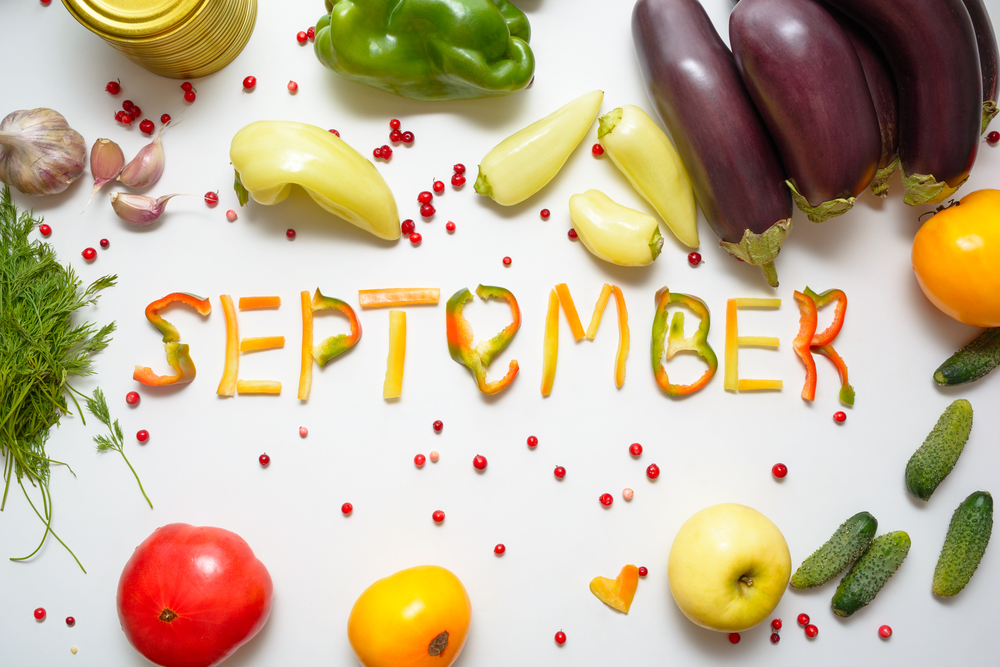
Organic September began as “Organic Harvest Week” almost 20 years ago and has since expanded to cover the full month of September. It is now a firm fixture in the calendars of retailers, brands and the media. It aims to raise awareness of the benefits of organic and to signpost simple swaps shoppers can make to introduce organic into their everyday lives.
The hype in the media and on socials drives more organic food content into people’s feeds. “We often see an uplift in organic sales in September as a result of all this ‘noise’, both in-store and online,” said Clare.
Looking at the other eleven months of the year, retailers can incorporate clear strategies to highlight the benefits of making organic purchases. While it is encouraging to see the increased interest and investment in organic from the retailers, more can be done.
“I would love to see them continue to back British organic growers and producers and to expand their ranges of home-grown organic produce all year round, with a focus on promoting organic seasonal British produce,” said Clare.
“Organic September is a great opportunity to get more people thinking about what organic means, where their food comes from and who grew it, but what’s encouraging for us is that the interest we’re seeing isn’t limited to one month of the year,” said Jenny.
Riverford has seen strong demand for organic produce over the past year, with customer numbers reaching a record high in FY25/26 and growth across fruit, veg, meat, dairy and its recipe boxes. “This reflects a positive picture for organic more widely,” says Jenny, with Soil Association data showing that organic food value sales grew over the last year, outpacing non-organic sales.
“There’s still a huge opportunity around fruit and vegetables,” Jenny said. At Riverford, the team aims to help more people make seasonal organic veg the centre of their meals, and that means thinking about convenience and flexibility as much as the produce itself.
In 2027, we can expect more in-store moments to celebrate organic produce, similar to Soil Association Certification’s Wake Up To Organic campaign in May. “We encourage retailers to highlight the benefits of starting your day with a healthy, organic breakfast through visual merchandising and price promotions,” said Clare.
Online is a big opportunity for organic, as retailers have a platform to share more information about its benefits. Ocado continues to lead the way, with over 3,000 organic products available on its site.
“Retailers should also continue to promote organic through price and loyalty promotions because we know it works in making more people long-term organic shoppers,” Clare concluded.