Free digital copy
Get Speciality Food magazine delivered to your inbox FREE
Get your free copy

Independent food and drink retailers have a natural advantage in gifting, bringing distinctive products together, introducing shoppers to small producers and recommending pairings that feel personal.
Discovering a new cheese, tasting a locally roasted coffee or enjoying an artisan treat can make a thoughtful gift. Plus, they do not have to be expensive. And that’s where independent retailers have a particular advantage. “We’re particularly passionate about demonstrating that gifting doesn’t have to mean an extravagant hamper,” Adie Callaghan, owner of The New Forest Hamper Company, told Speciality Food.
Conveying local stories and showcasing well-presented selections can help shoppers find memorable gifts, adding something extra to their usual shop. “We have access to an extraordinary variety of products, often made by small producers with fascinating stories, and the knowledge to put together something that reflects the recipient’s tastes, interests and budget,” Mark Kacary, managing director of The Norfolk Deli, told Speciality Food.
“Food consumption has become a form of cultural currency, and gifting is its ultimate flex,” Asawari Bora, strategist at branding agency Pearlfisher, told Speciality Food. What we buy, pour and present is curated for an audience: on the kitchen island, at the dinner table or on Instagram.
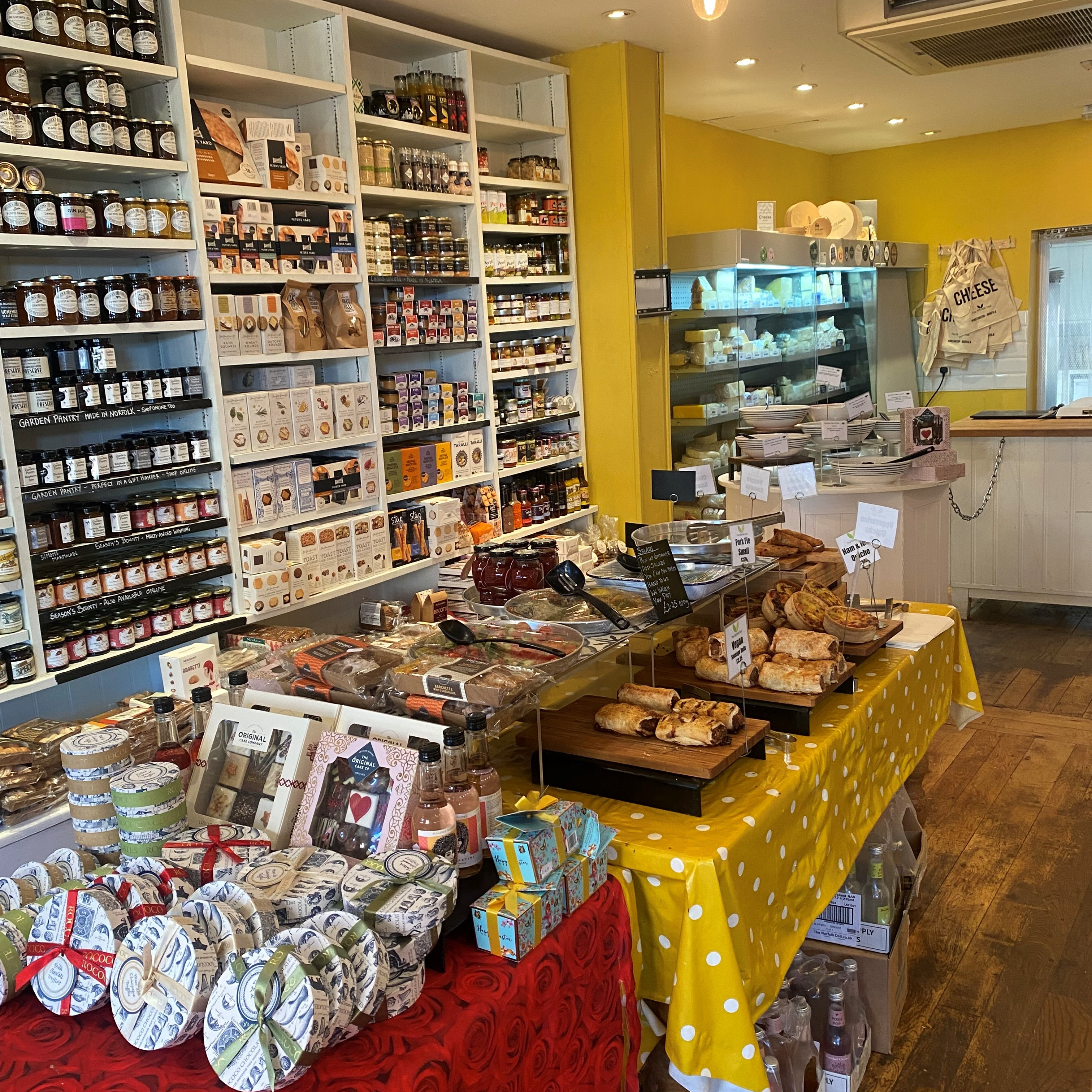
“Gift ranges can bring a completely different shopper mindset into food and drink,” Dominique Woolf, founder of Woolf’s Kitchen and cookbook author, told Speciality Food. “Instead of simply buying what they need that week, people are looking for something that feels thoughtful, special and easy to give,” Dominique said.
Unique gifts with distinctive ingredients and eye-catching visuals give independent retailers a new way to engage with shoppers, raising awareness, foot traffic and sales beyond their standard product offerings.
Independent retailers can draw on this to extend their usual stocklists, offering gifts in a range of formats. “Gifting is a really natural extension of the core Barti range rather than something completely separate from it,” Jonathan Williams, founder of Barti, an independent Welsh drinks brand, told Speciality Food.
Full-size products, complementary gift sets, duo sets and smaller miniatures give shoppers a new way to enjoy sought-after brands, products and flavours. Independent retailers can tailor these to specific tastes, price points and occasions.
However, retailers don’t always need dedicated gift ranges. Intuitive pairings, clear price points and signage can highlight the occasion. “Limited editions and collaborations also work really well because they feel rare and personal at once, striking an overlap that feels tailored specifically to the recipient,” said Asawari.
Branching out into the gift retail market requires a distinctive feel that unmistakably communicates the gift belongs to the specific brand, cuisine and ingredients. “West African food has always been closely tied to celebration, hospitality and bringing people together, so creating gift options allows us to package that experience differently,” a spokesperson for Tasty African Food told Speciality Food.
Shoppers can recognise branding, cuisines and themes immediately—think logos, colours and marketing messages—which retailers can tap into to meet consumer expectations and increase shopping basket totals.
Gifts, then, don’t belong in the corner of independent retail stores. “Isolating ‘gift items’ on a standalone display in the back of the store is an outdated retail strategy,” Hannah Francis, mid-weight designer at Pearlfisher, told Speciality Food. “Shopping for others triggers decision paralysis; physical retail succeeds when it solves that friction through narrative curation.”
Farm shops, food shops and delis can be the go-to reliable destinations for picking up a varied, curated assortment of gifts. Retailers can also build loyalty through their gifting strategies. “When you position your product as an everyday luxury rather than a seasonal novelty, you unlock year-round velocity and bypass the promotional discount trap,” Asawari said.
Christmas is naturally a major gifting moment for food and drinks. “But we don’t think gifting begins and ends there,” said Jonathan. Birthdays, Mother’s Day, Father’s Day, St David’s Day, Valentine’s, Easter thank-yous, host gifts and housewarmings are all occasions when shoppers often want something that feels a little more considered than simply picking up a standard food or drink item.
“While Christmas remains an incredibly important gifting occasion for us in particular, we have also found that food and drink gifting is very much a year-round activity,” agreed Adie.
The big-occasion shelf is crowded, loud, and easy to get lost in. “It’s hard to win where everyone else is playing,” said Asawari. Beyond the big seasons and holiday dates, food and drink lend themselves to everyday occasions, because they are an easy way to give someone a treat without needing to know their exact tastes.
Everyday treat-sized gift-giving is therefore on the rise. “There’s a growing appetite for smaller, more informal gifts—something you can take to dinner or give as a thank-you without it feeling overly formal,” Dominique confirmed.
When big-ticket splurges feel out of reach, people turn to food and drink for small, accessible treats. “These moments are unplanned and highly emotional, with fewer players competing for them,” said Asawari.
When curating their gifting ranges, retailers need to consider how well the products work together as an experience. “We believe the opportunity isn’t simply to encourage people to buy more gifts outside the traditional seasons—it’s to change how people think about food and drink as gifts in the first place,” Mark said.
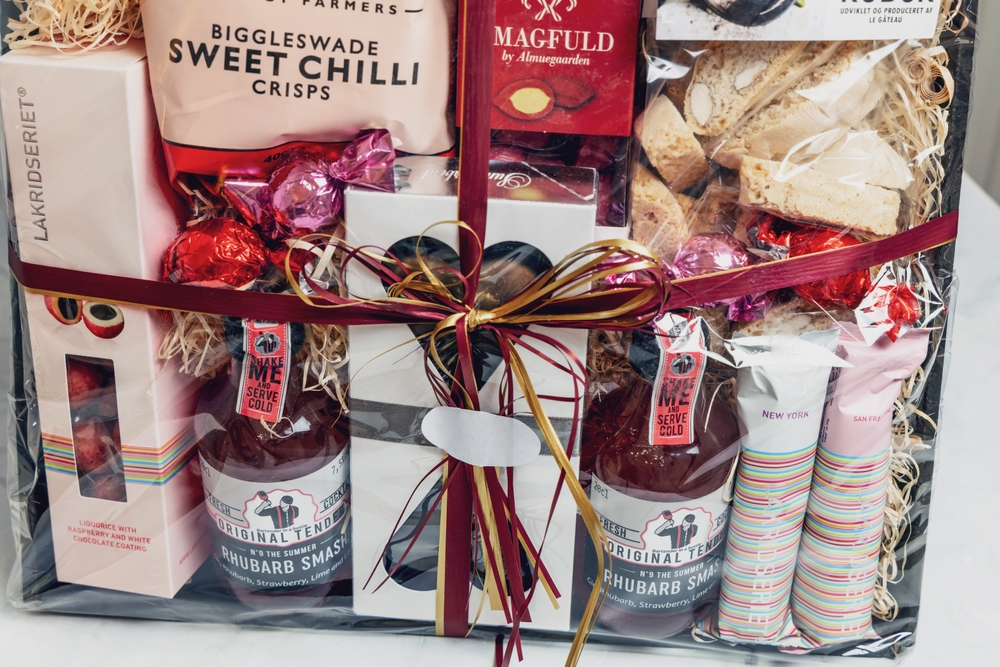
For shoppers looking for a selection of locally-sourced products that tap into luxury, hampers provide a bespoke and convenient option. “Many mass-market hampers rely heavily on generic, widely available products,” said Mark. That’s where independent delicatessens, farm shops and specialist food retailers have a tremendous advantage.
As for what makes a food and drink gift or hamper particularly popular with shoppers, “it’s a combination of quality, provenance, presentation, and, increasingly, personalisation”, Adie shared. “Customers love discovering something different, particularly products they wouldn’t necessarily find in a supermarket,” said Adie.
Independent retailers can draw on this uniqueness and the stories behind their products to capture audiences’ interest, build loyalty and drive repeat purchases.
Hampshire-based The New Forest Hamper Company works with over 45 independent producers. “There’s something rather special about knowing that the honey, chocolate, chutney or sparkling wine in a hamper has been created by a small business with a genuine connection to the region,” Adie added.
The Norfolk Deli has been developing its gifting offer around a clear principle. “Rather than telling customers what a gift should contain, we want to make it easier for them to create something that suits the person receiving it,” Mark shared. The brand’s traditional Norfolk hampers remain an important part of its business and reflect its pledge to offer Norfolk-described hampers that only contain county-sourced produce.
Authenticity is an important factor that determines shoppers’ purchasing decisions. “A good hamper should tell you something about the place it came from, the people who made its contents and the person who chose to give it,” said Mark. “Otherwise, it’s really just a box of shopping.”
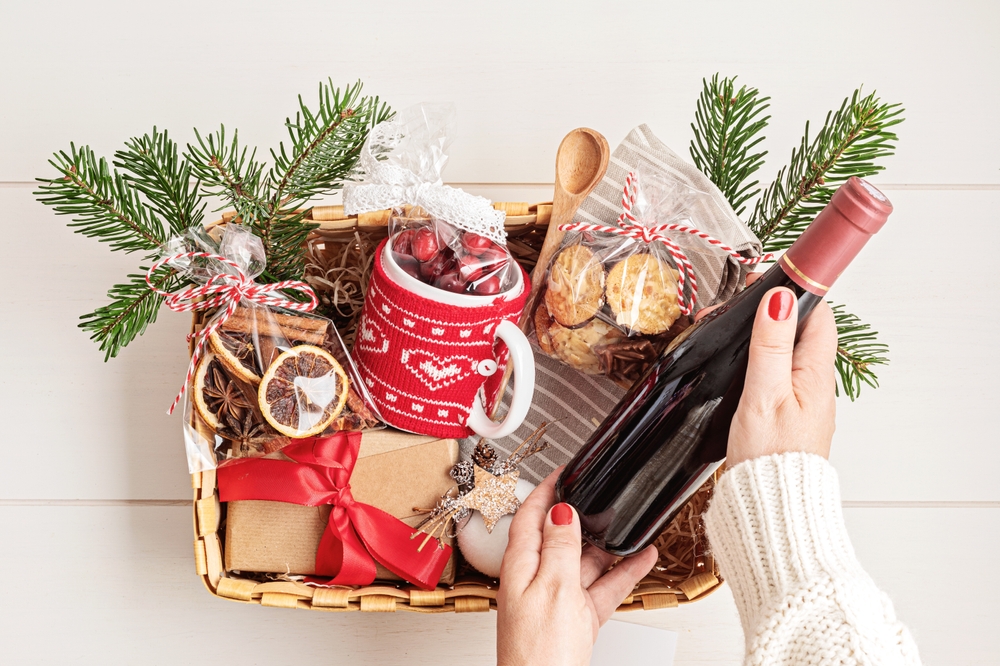
Presentation matters, but the contents should always be the real stars of the show. Beautiful packaging can make a gift feel special, but it cannot give otherwise ordinary products a story they don’t have. To resonate with shoppers, gifts need to feel thoughtful, distinctive and genuine. “They want to know that someone has taken care over what has been chosen and that the products have a reason for being together,” said Mark.
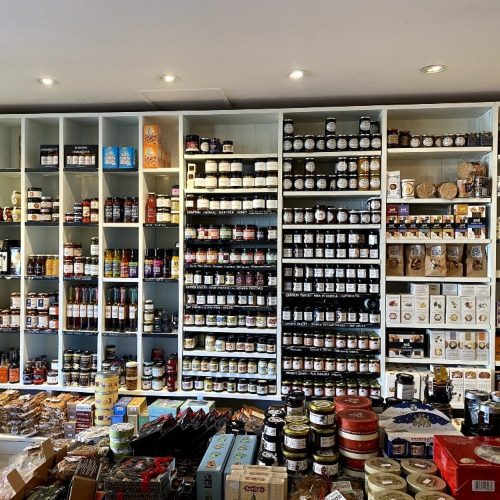
Increasingly, consumers don’t always start their search looking for a hamper, and so retailers are amping up the personalisation element in their gifting offers. These selections can be far more meaningful than a large hamper containing items consumers may never use. “We’ve recognised that not everyone wants a traditional hamper, and that gifting shouldn’t necessarily begin with choosing a pre-packed collection of products,” Mark noted.
Independent retailers can use their knowledge of artisan food and drink to create a more complete gifting experience than what a shopper could buy directly from a producer. “Rather than simply competing to sell the same individual products, we believe independent retailers can add value through their knowledge, creativity and understanding of what makes a good gift,” Mark shared.
The New Forest Hamper Company offers its Build Your Own Hamper service alongside its curated ‘ready-to-go’ hampers. This personalisation element allows shoppers to choose products that reflect the recipient’s tastes, preferences and interests. “We believe that flexibility and personalisation are enormously important,” Adie said.
The Norfolk Deli’s online Create Your Own Hamper service also allows customers to assemble their own selections rather than accept a predetermined assortment. Currently, the company is developing its website so it can turn virtually any product into a personalised gift. Using this new gifting feature, consumers can select an individual product, indicate they would like to turn it into a gift and specify approximately how much they would like to spend. “The aim isn’t to persuade someone to buy an expensive hamper, but to make it easier to create something special within their budget,” said Mark.
Independent retailers are also developing the subscription side of gifting, giving consumers the opportunity to conveniently send someone an experience that continues beyond the initial gift. E-commerce strengthens brick-and-mortar gifting opportunities by enabling retailers to offer nationwide delivery, personalised gift messages, specific delivery dates and corporate gifting for multiple recipients.
The Norfolk Deli’s Cheesemonger’s Selection, for example, can be purchased as a one-off gift or delivered monthly, every two months or quarterly. Customers choose the number of cheeses, their preferred style and whether they’d like Norfolk and East Anglian, British or Continental cheeses. “The actual selection is then made by a real cheesemonger, not an algorithm,” said Mark.
“Our strategy is to combine the personal knowledge and attention of an independent retailer with the convenience customers have come to expect from much larger businesses,” Mark added.
Over the next three years, the seasonal gifting calendar is expected to fragment even further. “While peak seasons won’t disappear, the real growth engine is the rise of the casual, year-round gesture,” said Asawari. Brands will focus on designing core products that feel special enough to pass across a table, and these are ideal for independent retailers to showcase.
Retailers can embrace this occasion-led shift in their campaigns, communications and product curation, creating more opportunities for shoppers to purchase gifts—both impulsively and as part of their shopping lists.
“There’s a real opportunity for retailers to create gift ranges around different occasions and price points, from small host and thank-you gifts through to more premium collections,” Dominique said.
How these gifts are packaged, how they differ from their standard product offerings and how they appeal to consumers’ consumption needs—flavours, ingredients and formats—will be vital, influencing whether consumers adopt or abandon gifts at the tills.
“Gifting ranges will become much more personalised and culturally diverse,” said Tasty African Food’s spokesperson. Shoppers are looking beyond traditional gift baskets and are increasingly interested in products that offer a story, a sense of place or an opportunity to discover something different.
Providing this choice is key. “Consumers increasingly want gifts that feel personal and considered, without necessarily spending a huge amount, so brands and retailers need to offer more choice across formats and price points,” said Jonathan.
Creating displays that highlight local stories, showcase brand personalities and offer shoppers opportunities to personalise gifts are effective strategies to help independent retailers maximise sales. “The future of gifting isn’t about winning the festive rush; it’s about capturing the days in between,” Asawari added.