Free digital copy
Get Speciality Food magazine delivered to your inbox FREE
Get your free copy

According to NIQ data to 8th August 2026, the overall cheese category is up 3.5%, with snacking cheese up 10.5%, spreads and dips up 10.4% and speciality cheese ingredients up 6.3%.
Vickie Rogerson, managing director of North PR, a food and drink PR agency, talks to Speciality Food about the latest trends and insights going on in cheese.
The cheese industry has a storytelling problem. We are slowly eroding the art of storytelling in how we promote and celebrate cheese, in exchange for dopamine-driven social posts and AI generated content.
Now, I love a TikTok video as much as the next person and there are some brilliant creators who do a wonderful job of celebrating cheese – Emma aka The Cheese Explorer and Morgan McGlynn are two of my faves. But beyond these knowledgeable voices, cheese content is increasingly being reduced to glossy food-porn aesthetics and the dreaded cheese pull.
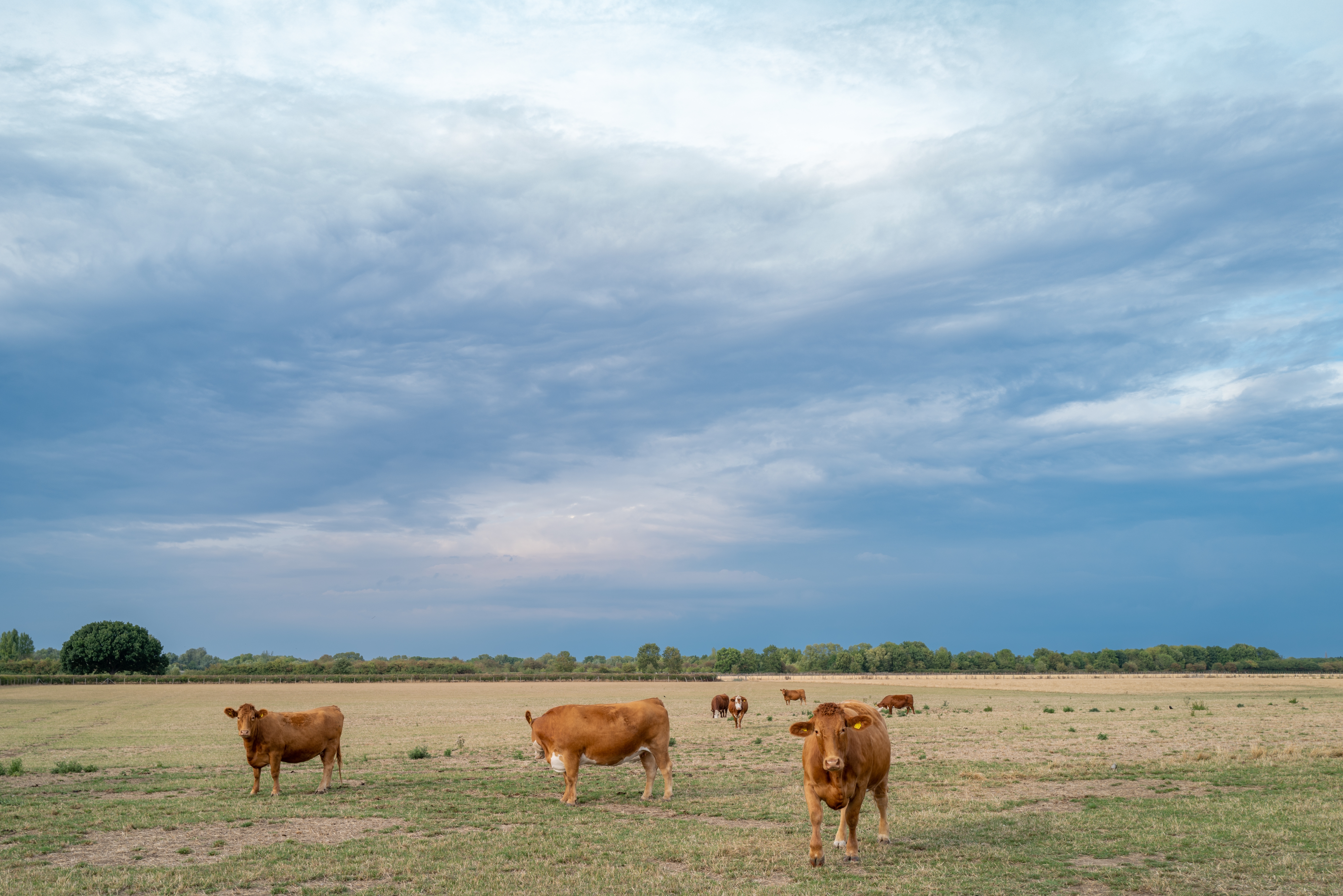
What is often missing is the authentic story behind the cheese: the people who make it, the landscape and pasture that shape it, the cows, goats or sheep that provide the milk, the production process and the family or farming story that brought it into being.
I have worked in and around cheese for more than 15 years, from running cheese events and awards to launching new products, and during that time I have watched the British and European cheese scene become increasingly vibrant, ambitious and exciting. There’s a palpable buzz which surrounds our cheese sector.
We are blessed with more than 700 British cheeses alongside a mighty array of continental varieties from Europe and beyond. It’s a joy to behold new cheese being created, emerging cheesemakers mastering their craft and passionate cheesemongers opening new shops.
There is so much to talk about yet these deeper stories of provenance, skill and place can easily become secondary to the aesthetics.
Human beings naturally connect with other human beings, and we are inquisitive, or nosy, depending on how you look at it. We engage with food more deeply if we understand who made it, why they made it and what makes it different.
Of course, taste is everything. For producers and retailers, that will always be the guiding principle, but the story creates emotional connection. It can help shoppers understand the value of a cheese, justify its price and remember it long after the tasting sample has disappeared.
The industry can take a leaf out of M&S’ director of product development Kathryn Turner’s playbook, where has lifted the lid on how M&S create their products in an authentic and naturally human way. Cheesemakers can do the same.
We need less AI generated content and more heart. Shine a light on the people, history, landscape, and craft behind every cheese.
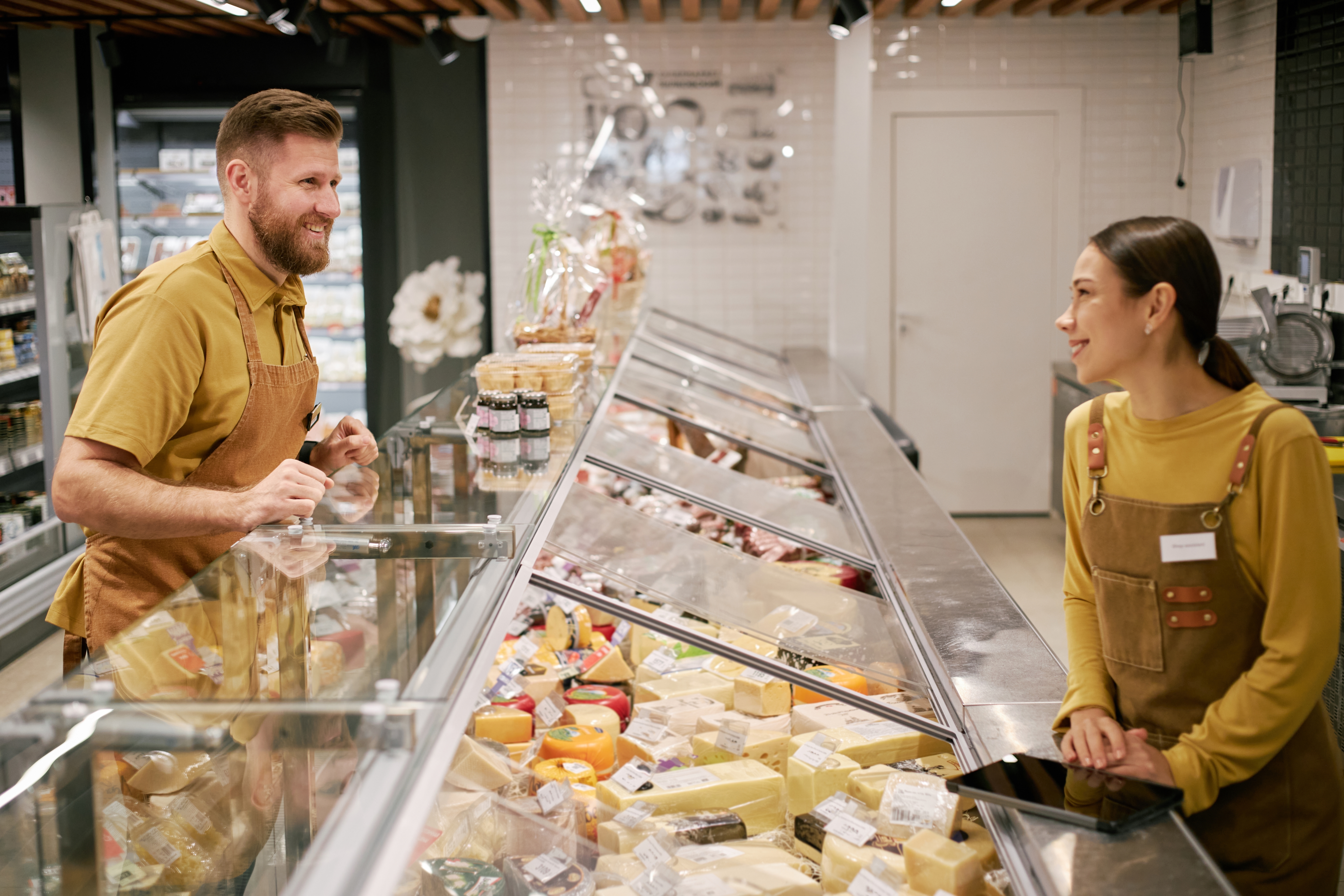
Retailers should invite cheesemakers into their shops to sample their cheese and talk directly to customers. Visit dairies, film the making process and give producers more space to tell their stories – instore, online, and across social media.
Cheesemakers should never underestimate the power of their own stories and expertise. Invite journalists, creators, retailers and customers to see what you do. Host in person and virtual masterclass to showcase your products and explain the traditions and history of your cheese; what worked and what didn’t. Bring that knowledge to life.
The more vividly we tell the stories behind our cheese culture, the more shoppers we can welcome into the cathedral of cheese we all know and love.
Lynher Dairy, Stithians – the latest offering from Lynher Dairy has fast become my new go-to cheese and one that delivers every time. Packed full of flavour it’s buttery, rich and savoury with a hint of sweetness and a delightful crumbly texture, it’s a cheese I could eat every day and never tire of, simply delicious.
Stone Tree Dairy, Goat Curd – I will never forget the first time I tried Stone Tree Dairy’s raw milk goat curd, it was a real seminal moment for me in what has now become a love for all things goat! It’s fresh, lemony, mousse like and so versatile. On pizza, in pasta, salads, dips, or for me simply on a cracker with a drizzle of honey. Stunning.
Hofkäserei Kraus, Alp Blossom – a showstopper of a cheese that will elevate anyone’s cheeseboard. Not only does it look incredible with its vibrant coating of flowers, it has the aroma and flavour profile to match. Nutty, sweet and beautifully aromatic, it is everything I want in an Alpine cheese and more.
Ticklemore Dairy, Beenleigh Blue – I LOVE blue cheese and Beenleigh Blue from Ticklemore Dairy in Totnes is a particular favourite. Strong enough to let you know it’s there, but never too strong to overpower your palate. It’s smooth, creamy with a gentle sharpness and not over salty. Some crusty bread, a full bodied red and some Beenleigh Blue = heaven.
Sharpham, Cremet – this mixed milk triple cream from Sharpham is about as good as it gets. It has all the characteristics of a good triple cream, elevated by the tang of the goat’s cheese. Delicate and mousse like when young, it ripens into this rich clotted cream like spreadable sensation. I am mildly addicted to this cheese and proudly so.
Clawson Farms, Rutland Red – who doesn’t love a Red Leicester? It’s a real pleasure every time I get to remove the cloth from a new wheel of Rutland Red. The aroma of the butter combined with the cloth, the beautiful golden orange colour once it’s cut open, topped off with the sweet caramel notes when you taste. It’s award winning for a reason, lots to love about this cheese.
The cheesemaker has shared the impact of the regenerative efforts taking place on the nearly 100,000 hectares of its First Milk co-op’s member farms.
The data shows year-on-year improvements, including a 3.8% decrease in net greenhouse gas emissions and an 8.2% reduction in farm carbon intensity. It found that 96% of member land was farmed in a way to minimise soil disturbance and 95% supported the maintenance of living roots, while 88% was used to incorporate livestock into the system.
Regenerative actions across First Milk farms are estimated to have locked away more than 264,000 tonnes of carbon in soils and vegetation, up 14.57% since 2025. Plus, Golden Hooves farmers are now mapping water risk across every farm to help protect waterways.
Improvements have also been made regarding the preservation of hedgerows as natural habitats, with 6,593km of hedgerows now falling within the co-op’s regenerative programme.
Leona McDonald, director of Golden Hooves, said, “We all want to feel good about our choices at Christmas, and these days, good intentions and flowery words just aren’t enough. At Golden Hooves, we’re leading the way in regenerative dairy, publishing powerful evidence across carbon, soil health, water and biodiversity, so we’re really excited to have sustainability claims that are as mature as our cheese.
Our hard cheese is award-winning. Our hard data speaks for itself. We have great products, real stories, and proof that fantastic flavour and fantastic farming go hand in hand. You can now choose a cheeseboard that helps farmers encourage and measure the return of nature, not just reduce carbon – so for those out there who have yet to discover us, join the regen revolution this Christmas!”
The family cheesemaker has announced the launch of two new cheeses: Villa Pickles and Chevretta Lavender.
Villa Pickles is a creamy cheese with the flavour of piccalilly, cucumber, and dill. Aged for eight weeks, this cheese has a creamy and soft texture. Willem-Jan Oudehinken, international account manager at Treur Kaas, said.
“Its aroma and taste are fresh and vibrant, with the flavours of piccalilly and dill taking centre stage. The cheese has a brighter yellow colour than most cheeses, thanks to the blend of herbs and spices. A surprising addition to any cheese board!”
The new Chevretta Lavender is a young, creamy goat’s cheese with a unique appearance and a fresh, delicate flavour. “The addition of lavender not only gives the cheese its distinctive purple colour but also adds subtle floral notes,” explains Willem-Jan.
“The cheese starts off wonderfully mild and creamy, followed by the light, aromatic notes of lavender. The result is a truly distinctive cheese that stands out for both its flavour and its appearance.”
Heat stress, drought and bluetongue are three of the factors experts have named as reasons why April-August milk production has been down 2.5% on the same period of 2025.
The GB milking heard was down 34,500 year-on-year at just below 1.6m head in early July.
AHDB figures showed UK mild Cheddar at £3,060/t in August, while cream rose £77/t and butter £130/t.
According to recent data from Worldpanel, soft cheeses from Mainland Europe are expanding in popularity in the UK market, and seeing a 5% value and 4.4% volume gains.
Mozzarella and Halloumi are the current front-runners, with value of Halloumi up 19.7% to £88.7m according to Worldpanel data.
However, hard Continental varieties are comparatively struggling, with volumes down 1.7% according to AHDB.
The rising popularity of at-home entertaining and hot serves of soft cheese such as Raclette are considered to be behind the growth of this category, as household budgets tighten and shoppers choose to indulge at home rather than in restaurants.