Free digital copy
Get Speciality Food magazine delivered to your inbox FREE
Get your free copy

British cheese is an industry shaped by resilience. It has survived industrialisation, changing consumer habits, Brexit, Covid-19, rising costs and increasingly unpredictable weather – yet the sector continues to evolve, with established producers joined by a new generation of cheesemakers, affineurs and retailers.
For Dan Bliss, e-commerce and marketing manager at Paxton & Whitfield, that adaptability is one of the most exciting aspects of the industry. “I love that the cheese sector is so adaptable,” she says. “I love that we’re still seeing new cheesemakers come through, and that we’re still seeing a real burst of energy within the affinage space in particular, with cheesemongers wanting to really get the most out of cheese.”
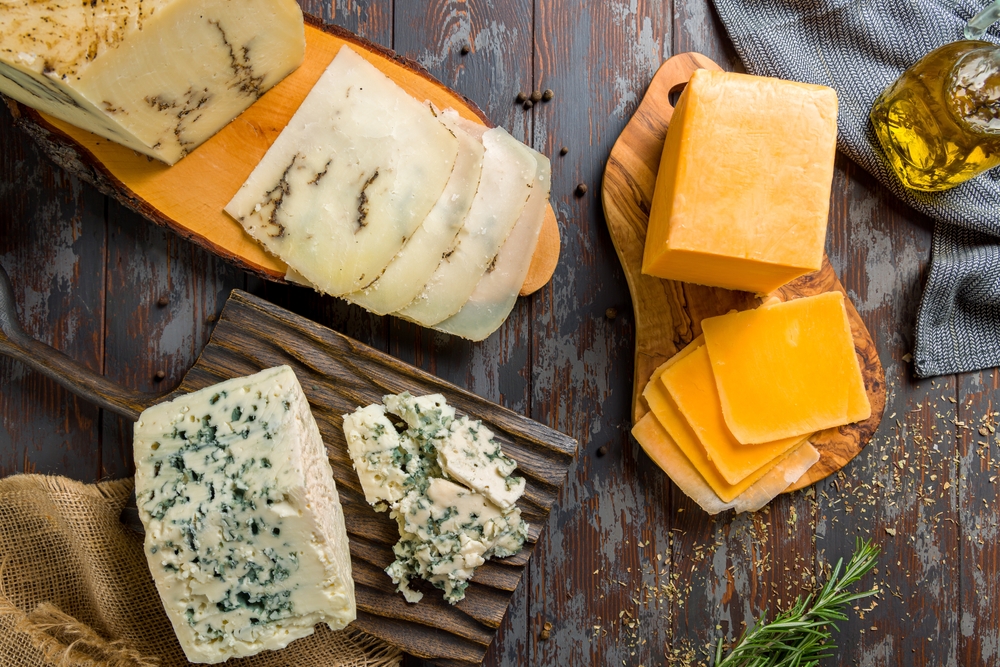
That energy is particularly evident in the way British cheesemakers are combining tradition with experimentation. Cheese writer and author Ned Palmer points to the history of the modern British cheese renaissance, which began in earnest in the late 1970s, when cheesemakers looked to the Continent for inspiration.
Alongside those new styles, traditional British varieties that had all but disappeared are now being revived in farmhouse versions. “British cheesemaking has always been a mixture of tradition and innovation,” he says. “I think cheesemaking in the UK will always be evolving and innovating and still taking the best of our traditions and terroir.”
Indeed, the near-loss of traditional cheesemaking has arguably given contemporary producers an unusual freedom. “British cheesemakers are not rigidly bound by tradition,” Ned explains. “In the last few years I’ve seen more novel styles of cheese appearing, and cheesemakers are not scared of being really experimental – mixing different styles and using new methods.”
For Jessica Summer, owner and founder of Mouse and Grape, that freedom is central to British cheese’s appeal. “British cheese is really exciting because we have so much creativity in our cheesemaking,” she says. “While many European cheeses have stricter rules around how they’re made, British cheesemakers have more fluidity to experiment, while also going back to traditional methods that were lost through industrialisation and standardisation.”
Central to the British cheese story are our territorial cheeses, which offer a strong sense of place primed to be appreciated by both national and international audiences.
“Our milk quality is fantastic, and territorial cheeses really celebrate that sense of place,” says Jessica. “You can explore cheese region by region, just like wine, and have fun with regional pairings too, whether that’s wine, cider or something completely different.”
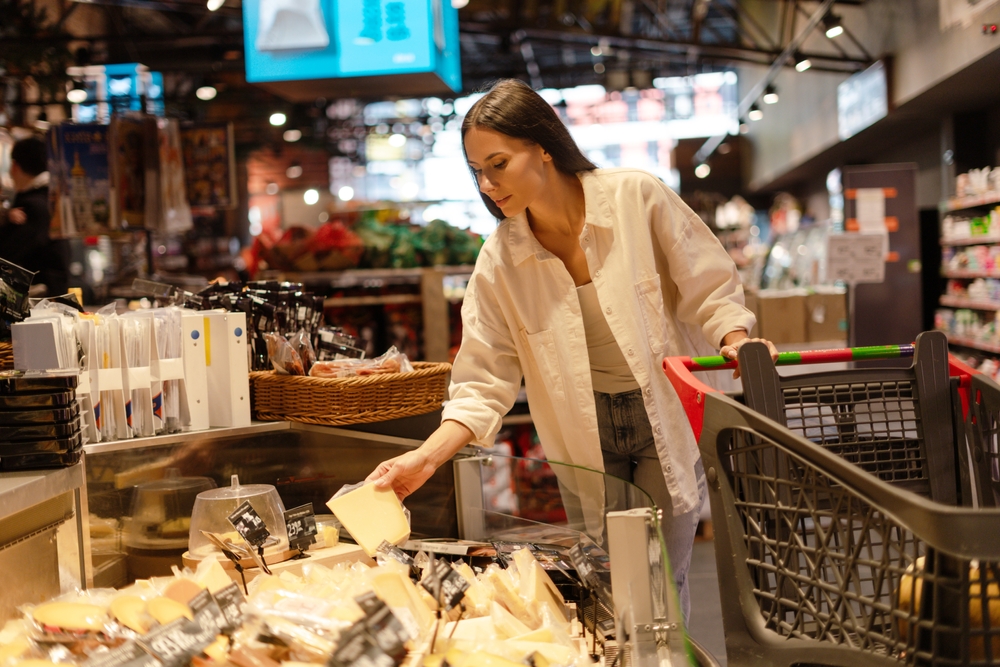
There is a growing opportunity for retailers to communicate those stories to consumers. British consumers have been rediscovering artisan cheese since the late 1980s, initially driven by an interest in quality and provenance, points out Ned, but questions around animal welfare and sustainability are increasingly influencing purchasing decisions.
Dan believes the industry needs to broaden the way it talks about sustainability. “We need to think about how we approach the topic, because we often talk about sustainability from an environmental impact standpoint. We must ensure that our land and ecosystems are sustainable, but we need to make sure businesses are sustainable as well and that farmers and cheesemakers are paid a fair wage.”
That is particularly important at a time when producers are facing significant financial pressure. “Everybody knows that costs are rising across the board,” says Dan. For farmers, those pressures are felt throughout the supply chain. “We work directly with farmers who’ve got a huge amount of rising costs related to directly producing food, including the significant price increases for feed and fertiliser,” she explains.
Ned highlights the combined pressures of Brexit, Covid, continuing wars and climate change. Drought has made feeding livestock particularly difficult, he says, while the wider increase in costs is being felt by both cheesemakers and consumers.
“It’s a difficult time,” says Dan, particularly for small and territorial cheesemakers, and while connections could be made between the experiences of Covid-19 and those felt today there are significant differences. “During the pandemic people were actively seeking out good cheese, whereas at the moment they are seeking it out more specifically for special occasions and in smaller quantities.”
This makes the role of cheesemongers and retailers increasingly important, and social media is a valuable tool – it has already opened up new ways for businesses to educate consumers and communicate directly about producers, styles and provenance. “I think one of the wonderful things about social media is that it really does mean you can have a cheesemonger in your pocket,” says Dan.
There is also growing confidence amongst cheesemakers themselves, she continues. “British cheesemakers have been really good at flying the flag. I’m really excited about how they are willing to stand up and say, ‘hi, this is my cheese. It’s great. Let me tell you about it’.”
For Dan, supporting the next generation is essential to the industry’s future. “We’ve got such a wealth of incredible cheesemakers in this country that have been going for generations,” she says, “but I also love supporting new and different cheesemakers. We need them to be there because the reality is that someone’s going to retire, to stop making cheese, and we need new makers to fill that gap.”
The challenges facing British cheese are substantial, but so is the appetite for reinvention. From revived traditional varieties to cheeses that deliberately cross borders and styles, the sector is demonstrating that heritage does not have to mean standing still.
“Organic dairy is a key entry point for organic shoppers, but compared to organic milk and eggs, organic cheese has less availability in retail,” Alex Cullen, commercial and marketing director at Soil Association Certification told Speciality Food. “As a result, while sales of organic eggs are in double-digit growth at 16.3% (compared to 1.8% for conventional) and organic milk sales are 9x that of conventional [NielsenIQ], there is less growth currently in organic cheese.”
“However, many of our organic cheese makers are in conversations with major retailers, which could super-charge the sector’s growth,” added Alex. “The healthy performance of the wider dairy category demonstrates that making organic available and accessible is key to getting shoppers on board. With 83% of British households now buying organic [Worldpanel by Numerator] it is an everyday part of people’s lives in the UK.”