Free digital copy
Get Speciality Food magazine delivered to your inbox FREE
Get your free copy

Pasta is a staple food for many consumers, never missing from the cupboard. But today’s shoppers are increasingly seeking quality, provenance, craftsmanship and authenticity from the Italian favourite.
According to 2025 UK Government survey data analysing how the British diet has changed over the last 85 years, pasta has risen in popularity to increase as a proportion of carbohydrates in consumers’ diets.
With its roots so embedded in Italian culture, if pasta has traditionally been so strongly associated with the home of the Colosseum, gondolas and the Leaning Tower, why are British-made and British-positioned pastas increasingly finding a place on premium shelves?
Traditional Italian methods and recipes are particularly popular among shoppers, and UK and European pasta producers are leveraging the Made in Italy model by adopting these techniques. “People are becoming much more curious about what makes a great pasta dish,” Roberta d’Elia, Head Chef at Pasta Evangelists, told Speciality Food. Recent data has indicated the growth of the Italian speciality among British consumers, with more than four in five (85%) eating pasta at least once a month and over two-thirds (68%) of 18-54-year-olds opting for a pasta dish weekly.
“British pasta is no longer a ‘novelty’; it isn’t seen as a ‘funny thing’ to discover,” Kathryn Bumby, Founder of The Yorkshire Pasta Company, told Speciality Food.
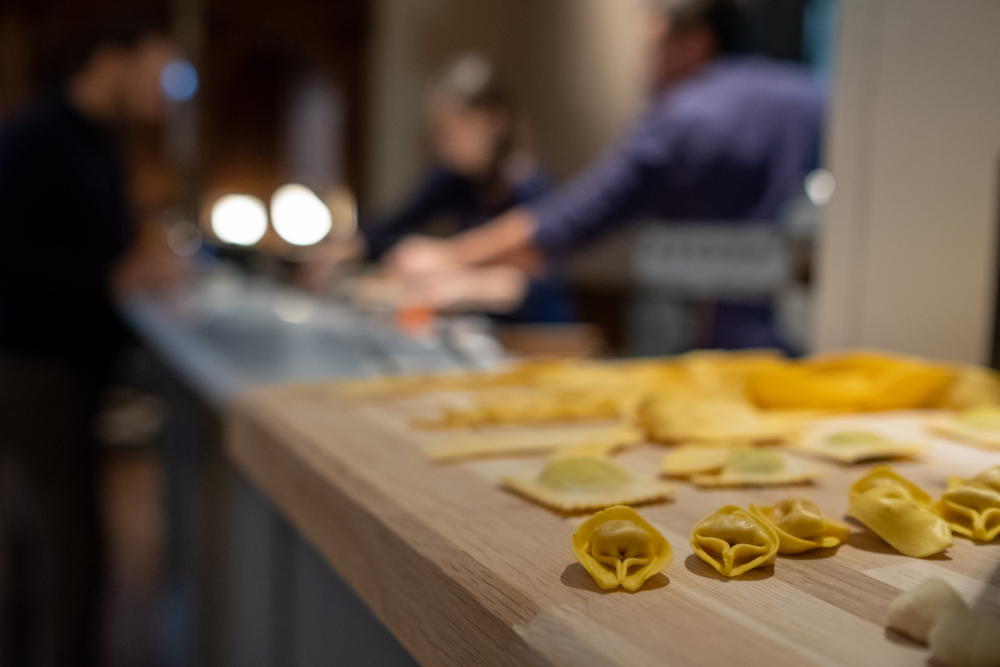
“We are seeing strong demand,” Anna Chapman, Head of Marketing at Nonna Tonda, told Speciality Food. The London-based fresh pasta makers have seen subscriber numbers up by around 10% compared with a year ago. Furthermore, as the brand is about to enter the peak season for pasta deliveries, they expect demand to grow significantly in the coming months.
“Brands have to work much harder now to give shoppers a reason to choose them,” Kathryn said.
Yet, consumers are increasingly receptive to products that feel discoverable. They enjoy finding something they haven’t seen at the supermarket, taking it home and telling someone about it. “That’s where independent retail has a real advantage,” said Kathryn.
A premium price tag is insufficient to win over consumers—they need a product with quality, provenance, a compelling story and a clear point of difference.
The positioning and stocking decisions behind British pasta play a key role. “Farm shops and delis have been instrumental in this shift,” said Kathryn. Their shoppers are already looking for products with provenance, quality and personality. A well-made British pasta can sit very comfortably alongside local sauces, cheeses, oils, wines and other premium ingredients.
Independent retailers in particular can tap into this point of difference. Farm shops and delis don’t have to compete with supermarkets on having endless choice or the lowest price. Their strength is curating a smaller range of products that customers can trust and that they can’t easily find elsewhere.
“We’re also seeing an opportunity for retailers to merchandise pasta alongside complementary products rather than treating it as a standalone grocery line,” said Kathryn. A premium pasta, paired with a great pesto sauce, rapeseed oil, local cheese, or local sausage, immediately becomes a meal rather than just a bag of pasta. It creates opportunities for cross-selling and inspires shoppers.
“The best brands for farm shops and delis going forward will be those that give the retailer something to talk about,” said Kathryn. A product with a genuine story creates a conversation with the customer, and that conversation is incredibly valuable in independent retail.
Provenance, craftsmanship and the rise of special-occasion-ready options are core drivers behind consumers seeking premium pasta products. There is a growing appetite for restaurant-quality pasta made with authentic, premium ingredients and genuine craftsmanship.
“They still love the classics, but they’re increasingly open to discovering regional recipes, seasonal ingredients and different pasta shapes,” said Roberta.
Authenticity and provenance are increasingly important to shoppers, forming an important component of a retailer’s messaging and brand story. “Customers are increasingly interested in authenticity and provenance, from regional Italian recipes and ingredient sourcing to understanding why particular pasta shapes are paired with specific sauces,” a spokesperson for Pasta Evangelists told Speciality Food.
Consumers are increasingly interested in how products are made, where ingredients come from and the people behind them. “They also need to be shown how it will make their own meals better,” Michele Scott from Holler Marketing told Speciality Food.
“In 2026, sustainability and provenance have also become less about simply putting a claim on the packaging and more about shoppers wanting to know whether the story is genuine,” said Kathryn. British-based Yorkshire Pasta Company prioritises provenance. Made in Yorkshire, the brand uses locally milled wheat flour from a mill 14 miles away to produce small, artisan batches. “That gives customers a story behind the bag, rather than pasta simply being another cupboard staple,” said Kathryn.
For British pasta producers in particular, there is an opportunity to differentiate through British-grown grains, local sourcing, shorter supply chains and relationships with farmers. “The growth of British pasta producers suggests there is genuine consumer appetite for this story, rather than consumers seeing high-quality dried pasta as something that has to come from Italy,” said Michele.
At the premium end of the pasta sector, the production method is becoming increasingly important too. Consumers are starting to see technical details relating to production methods like bronze-die extrusion and slow drying as indicators of quality because they affect the pasta’s texture and its ability to hold sauce.
Premium but uncomplicated cooking continues to appeal to consumers. Consumers want to make something that feels restaurant-quality at home without spending hours in the kitchen. “A really good pasta, a quality sauce, some excellent cheese and a few fresh ingredients can deliver that,” said Kathryn.
There is also a growing appreciation that excellent pasta is an ingredient in its own right. “It isn’t just something to cover in sauce,” said Kathryn. The texture, shape, cooking quality and ability to hold a sauce can completely change a dish.
“The biggest change I have noticed is that shoppers are becoming more discerning rather than simply buying on price,” said Kathryn. They want to understand why one pasta costs more than another and, if there is a premium, they expect to be able to taste and see the difference.
‘Affordable luxury’ presents a strong opportunity, enabling consumers to create something every day that feels special. Yet, how brands communicate their premium offerings should be carefully considered. “We don’t think consumers want to be told simply that something is ‘artisan’ or ‘premium’; they want to understand why,” said Michele.
Consumers can feel involved in finishing the meal by using at-home pasta dishes, making it part of the experience. It also offers a more affordable alternative to eating out, bringing the restaurant home.
Produced daily, Nonna Tonda’s fresh pasta uses Italian flour and Cotswolds eggs. “Therefore, it is technically British, made to our own Italian-influenced recipes,” said Anna. The brand also makes its own sauces, which it delivers directly to people’s homes (along with the pasta and a garnish), enabling a restaurant-quality meal to be enjoyed at home in about five minutes.
“The move away from UPFs continues,” said Anna. Consequently, we see consumers turning away from traditional takeaways, in favour of options that centre around their ingredients.
Seasonal British and Italian ingredients are key, drawing on Italy’s authenticity and accessibility in Britain. Innovation in health and dietary preferences is proving popular too, with clean labels and simple ingredients increasingly important.
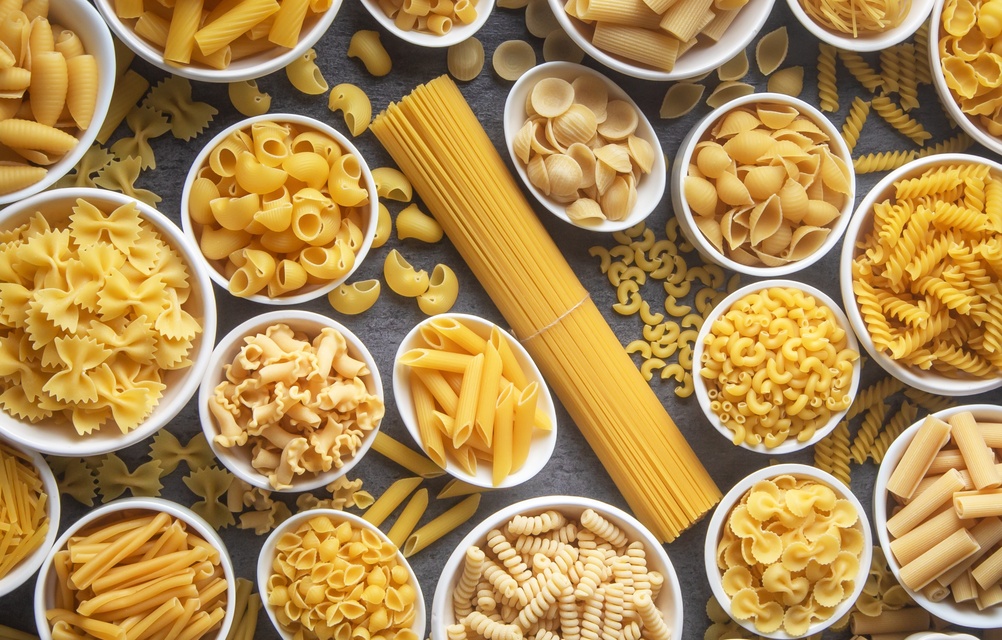
It’s not only taste and texture that are important, as consumers are becoming more knowledgeable about pasta shapes. Different pasta options give consumers a way to discover Italian culinary traditions and give retailers commercial opportunities to help make pasta visually discoverable.
Customers are discovering that different shapes pair well with different sauces, creating an opportunity for farm shops and delis to sell pasta as part of a complete meal solution. A conchiglie for a rich or chunky sauce, penne for something robust and creamy, or fusilli for pesto, for example.
“Social media is particularly important for pasta, because it is such a visual product,” said Michele. Beautifully photographed dishes, recipe ideas and demonstrations of different pasta shapes can inspire consumers to try something new. Authentic behind-the-scenes posts also give a ‘human face’ to the business, and reinforce the passion and skill of the team behind the products.
While classic dishes remain bestsellers for brands, British shoppers are also becoming more adventurous, particularly through seasonal and limited-edition menus. Seasonality allows customers to discover different pasta shapes, regional recipes and premium ingredients.
Product development at Pasta Evangelists revolves around seasonal Italian ingredients, regional recipes and premium produce with strong provenance, such as Parmigiano Reggiano. “New dishes are developed around finding the right relationship between pasta shape and sauce, ensuring innovation remains rooted in authentic Italian cooking rather than novelty,” Pasta Evangelists’ spokesperson said.
British pasta isn’t trying to replace Italian pasta. Instead, it’s creating a new food category that combines Italian technique and culinary heritage with British production, ingredients and retail culture. “Innovation is about giving people something new to discover while staying true to the traditions and craftsmanship of Italian cooking,” Roberta said.