Free digital copy
Get Speciality Food magazine delivered to your inbox FREE
Get your free copy

At Speciality Food we pride ourselves on being ‘in the know’ when it comes to what’s happening on the food and drink scene. Join us as we dip our toes into 2026, revealing all the big trends you should keep your eye on according to analysts and industry insiders.
Look out, throughout the year, for content diving further into many of these topics, helping you expand your own knowledge and expertise to share with customers, old and new.
1. Protein
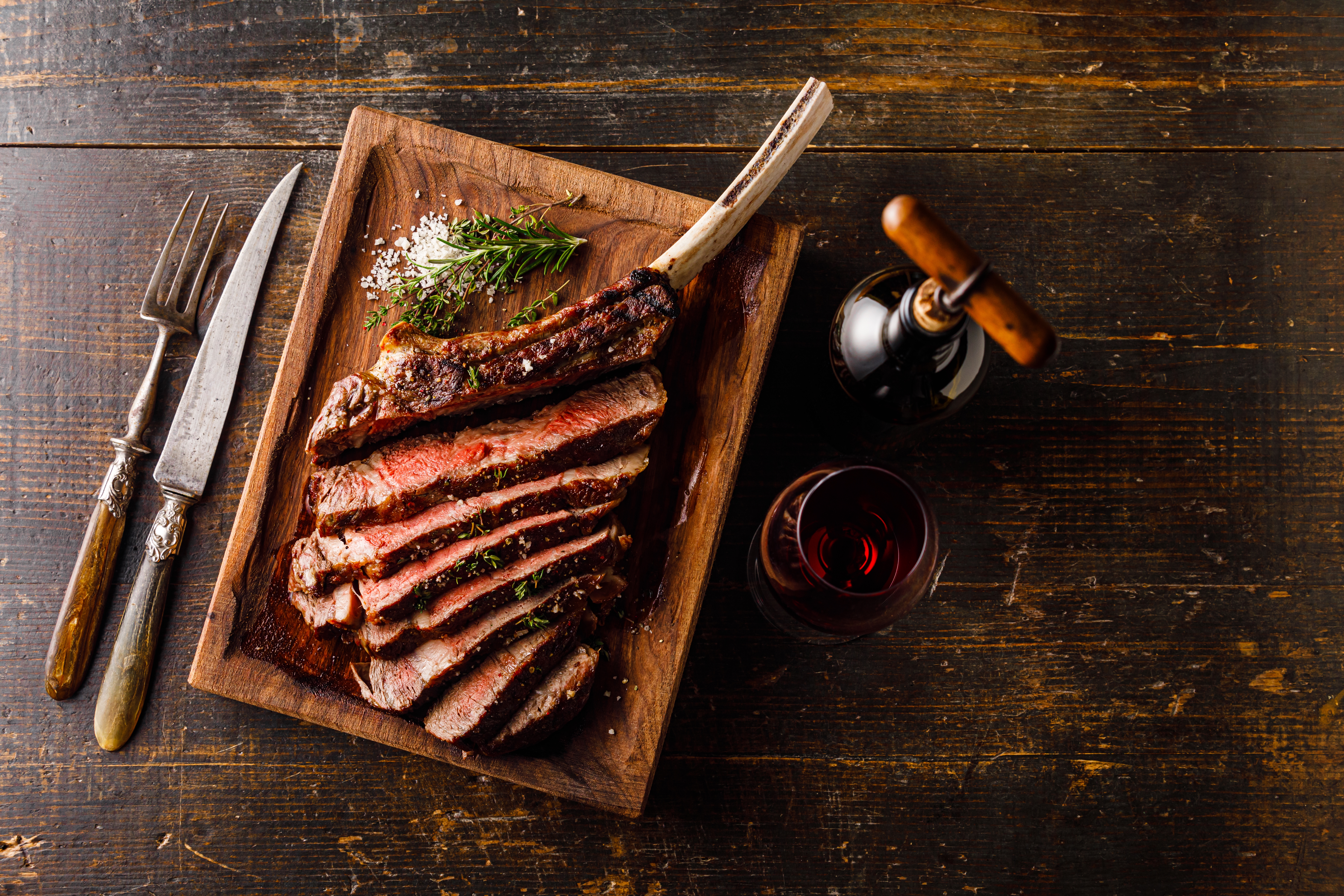
There’s no getting away from the value of the word ‘protein’. Protein claims abound in both food and drink today, and the macronutrient remains a hot topic, sought out for its ability to sate appetite, and important role in health, particularly as we age.
Innova Market Insights says interest shows no sign of slowing down, and its research shows consumers are looking for protein in myriad forms, for different occasions, to support their overall wellbeing. “The most recent Innova consumer trends research shows that at least half of consumers globally actively work to increase the protein in their diet,” Innova says. “They seek out milk and dairy drinks, which they consider to be the top subcategory of products that carry a protein claim, as well as other sources of protein.”
Tastewise agrees that protein has shifted into the mainstream, fuelling innovation in everything from breakfast items to RTD drinks. The strongest growing category, interestingly, is meat, at three times the rate of plant-based alternatives. “Consumers are actively seeking restaurant-quality cuts at home, while rewarding operators who deliver meat-centered value, and rejecting plant-based alternatives that rely on processed ingredients,” they say. “This shift is about a return to foods that feel real, where authenticity is the new measure of value.”
2. 30 Plants a Week
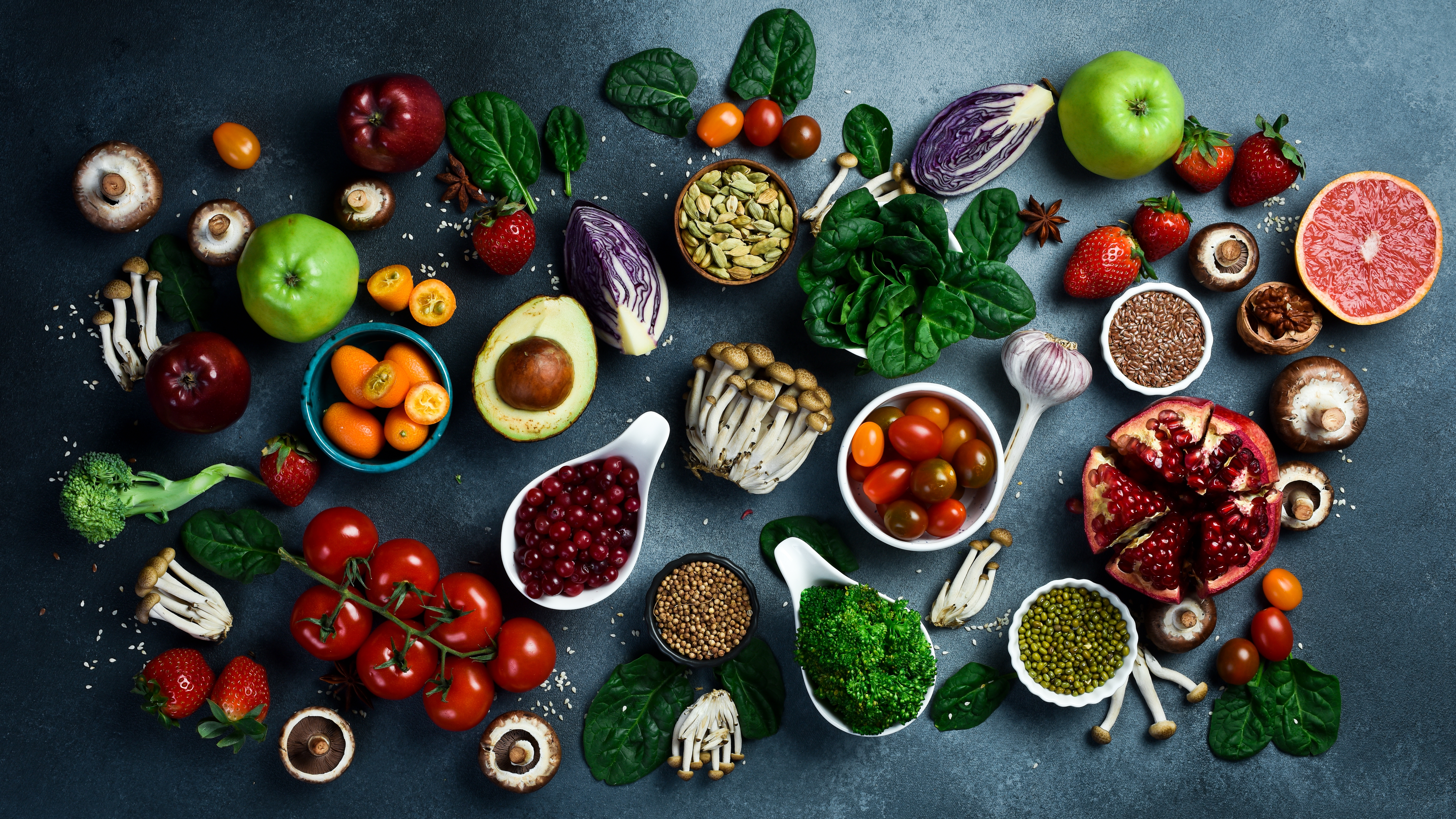
Once consumers have met their protein and fibre goals, they’re swiftly moving on to follow the school of thought that having 30 or more plants per week is optimal for health. Mintel says adopting inclusive diets that focus on variety is the future.
By 2030, the insight expert explains, “health-conscious consumers will strive to consume as many different ingredients as they can each week”. Those in the West, it continues, will reject the comfort of traditional meals built around a protein, vegetable and starch, in favour of focussing on putting diversity on the plate, such as lentils, seaweeds and native grains. It’s expected that brands will build on the success of products such as Zoe’s Daily 30+ gut sprinkle and Beeya’s seed cycling blends.
3. Korean Food and Ingredients
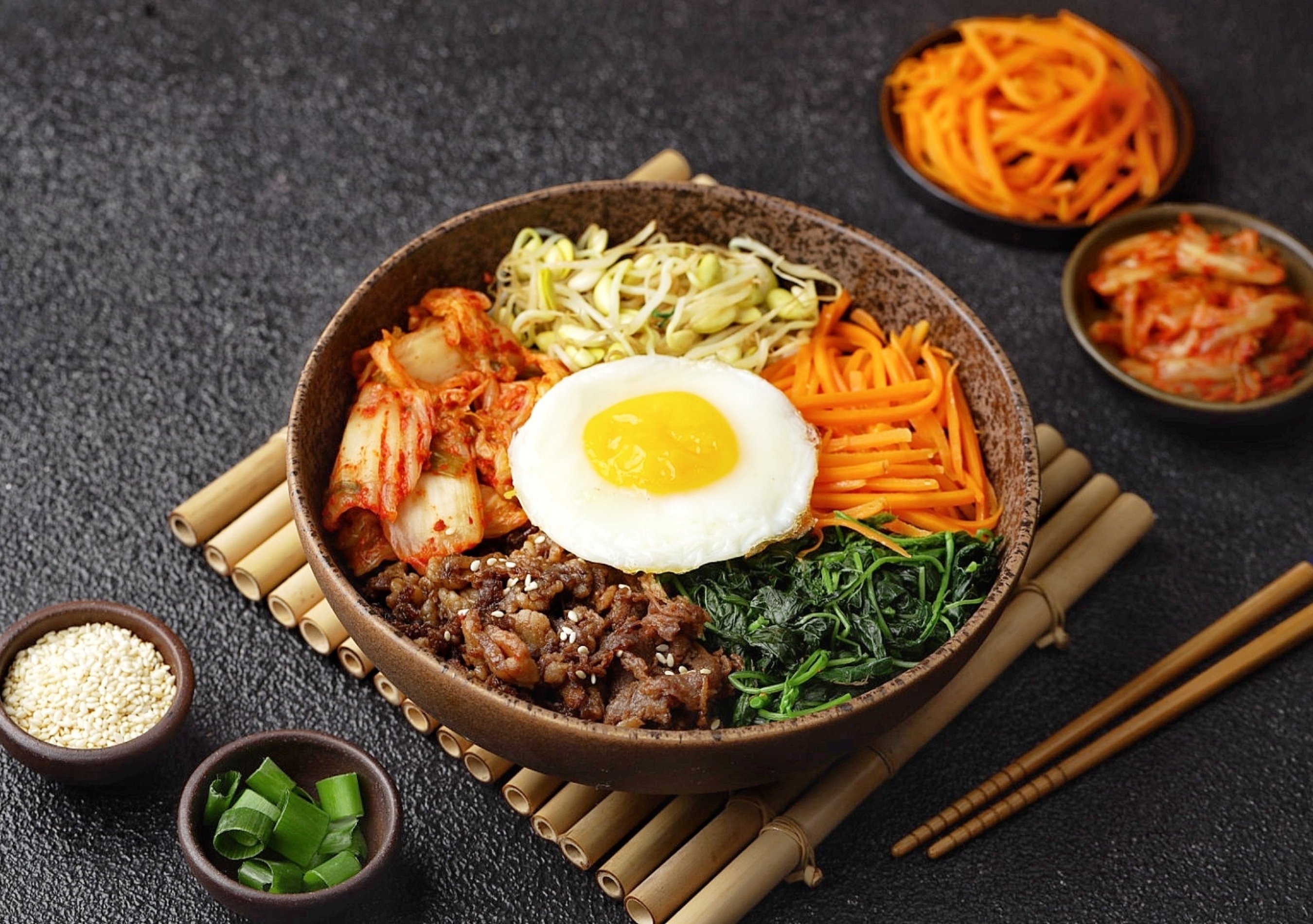
Korean fried chicken has been a big deal for a while, but as the market for Asian food and ingredients grows with consumer discovery (through socials and dining out) they’re looking for more. In fact, 51% of those asked by Bidfood said they’d like to try Korean food in the next year or two, and 43% said they’d pay more to experience it – showing particular interest in Korean barbecue, dumplings, bulgogi, jeon pancakes and bibimbap.
Synergy says the bold flavours of gochujang and kimchi are gaining popularity at a pace, as K-culture integrates especially into the lives of Gen-Z shoppers. They report 5.5% growth in global conversations around Korean food on socials in the last year.
And Tastewise reports Korean ttokbokki (a type of oblong dumpling) is making huge waves online right now – it’s one to watch.

4. Gut Health
We’ve written extensively about the ongoing role of gut health in food and drink NPD, and this trend will only continue to grow at a rate of knots in 2026. It’s seen, says Innova, as “the gateway to holistic wellness”. Modern research, and its assimilation into daily living thanks to podcasts, books and media appearances by ‘influencers’ such as Professor Tim Spector, mean gut health is firmly in the zeitgeist. Innova’s 2025 Trends Survey found more than half of consumers globally linked gut health to overall health. “They notice when their digestive system is healthy, and they also notice its positive impact on other aspects of health, such as immunity, energy and improved skin.”
Expect to see greater demand for products with pre and probiotics, and for whole foods which contribute to the gut’s microbiome, including seeds, pulses and grains.
5. Italian Food
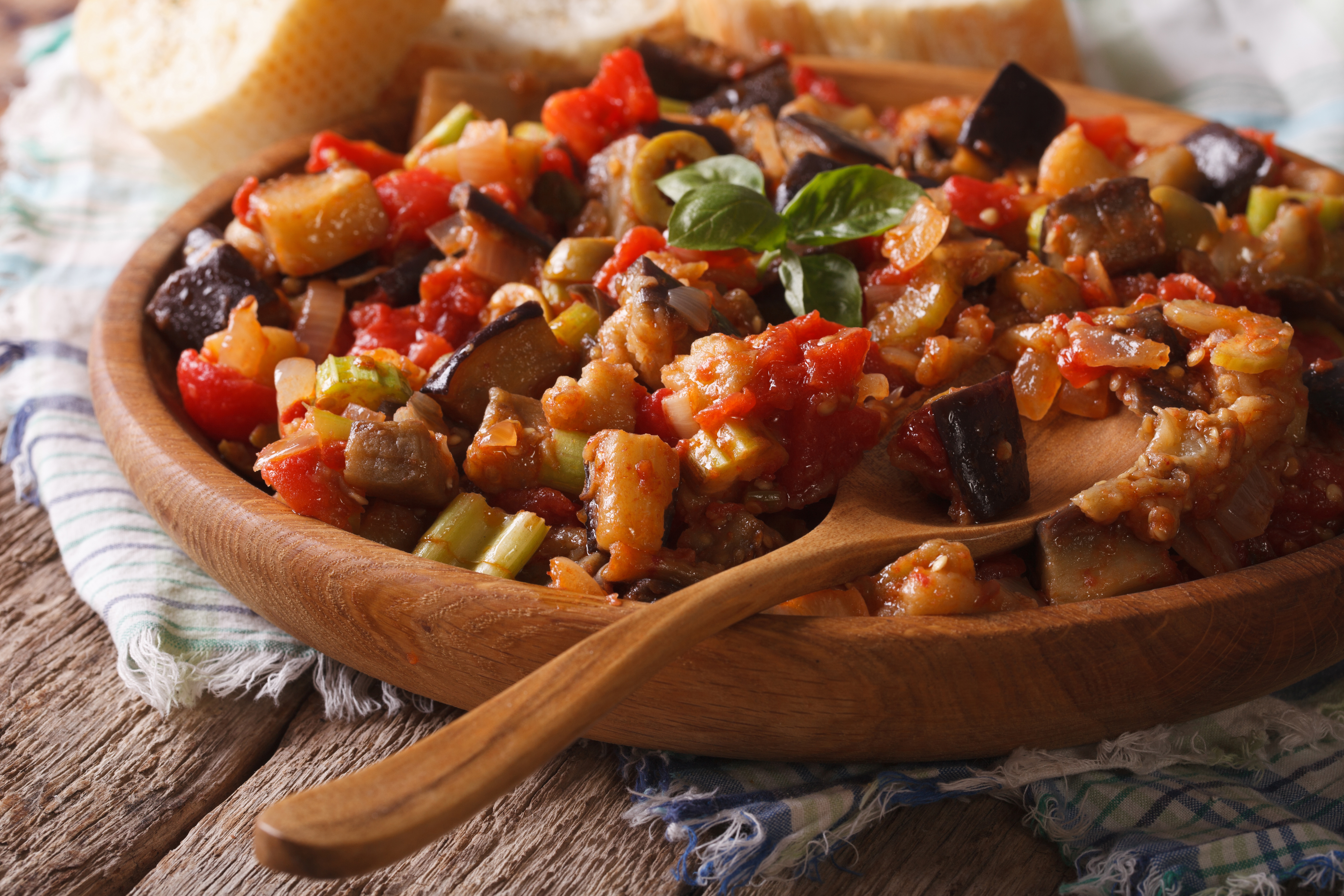
We all know Italian food in Britain – right? The pizza, the pasta, the meatballs. Some bruschetta laden with fresh tomatoes, basil and olive oil perhaps? Despite global influences on both at-home and dining out culture, Italian cuisine remains a pillar of the British table, says Phil Durham, UK business unit director at Atlante UK. And its role is deepening. “Post-pandemic, consumers are leaning into food that feels both comforting and genuine,” he explains. “Retailers are expanding their Italian ranges to include more regional and artisanal products, from Sicilian condiments, to Apulian grains.” Shoppers, he adds, are looking for simple Mediterranean-style eating that’s grounded in provenance and health. And perception is changing. “Italian food is no longer just a treat night choice, but an everyday expression of balanced, authentic living. ‘Clean’ labels, transparent sourcing and traditional processes are driving growth, reaffirming Italian cuisine’s timeless appeal in a modern, wellness-conscious context.”
6. Swavoury/Swalty
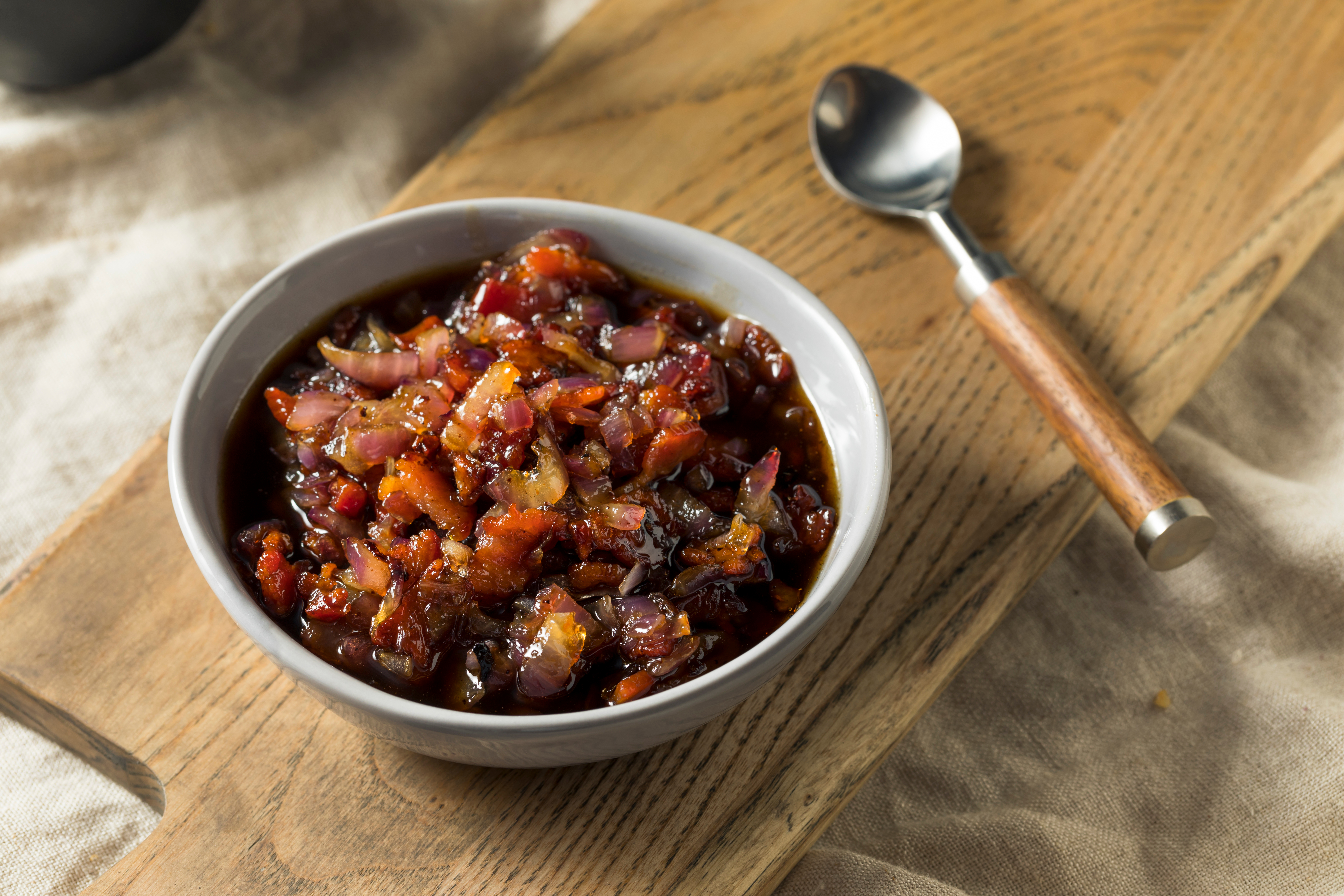
We’ve brought you the ‘swicy’ trend (which is still very hot), but now you’ve also got to consider ‘swalty’ or ‘swavoury’, which has been picked up as a new flavour profile to watch by both Bidfood and The Food People. They allude to a host of products combining salty and sweet ingredients. We’re talking bacon jam, salted caramel, fruity hot sauces and ferments and more. So many brands are jumping on board, taking this beyond the classic sweet salty popcorn. Did you see, for example, Heck’s special edition Pork & Strawberry sausages released for Wimbledon?
7. Whole Foods
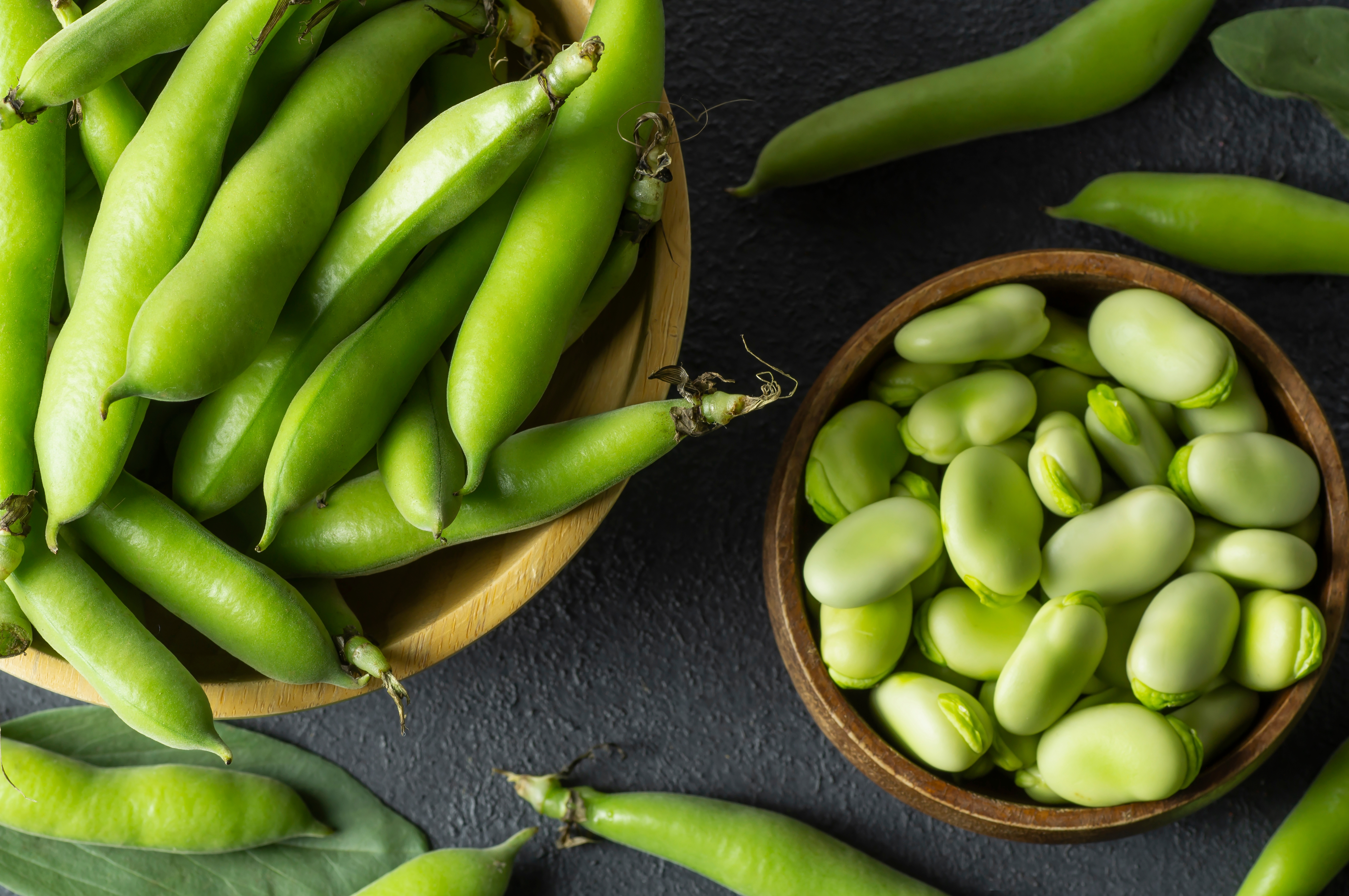
We’re already honed in on the importance of gut health within food and drink retail, and the rising interest in whole foods plays into this theme too. There are two types of consumer putting more whole foods in their baskets – vegans and vegetarians seeking completely natural alternatives to the processed fake meats and plant-based alternatives they might have been eating for years, and those actively thinking about ways to add more protein and fibre to their diets.
Synergy says, “European consumers are starting to throw out the idea of ‘alternatives’ and recognise the benefits of natural plant-based foods,” leading them to tofu products, beans, pulses and vegetables.
This has driven strong innovation in the plant-based category, with a 41% increase across launches. “Beans are rapidly gaining prominence in the kitchens of European consumers,” they continue. “Legumes are emerging as a go-to ingredient for health-conscious eaters,” says Natalie Sheil, Synergy’s European savoury category manager.
Mandy Savan, content director at Stylus, says fibre is the buzz nutrient to watch within whole foods in 2026, having evolved from a “quiet gut health hero” to a “headline ingredient” across snacks, drinks and wellness product development.
“Beyond digestive assistance it will be lauded for its ability to contribute to better mood, energy and immune health. Expect fibre to be marketed less like a supplement, more like a lifestyle must-have – making it more appealing and attractive to everyday consumers.”
8. Cheese at the centre of the table
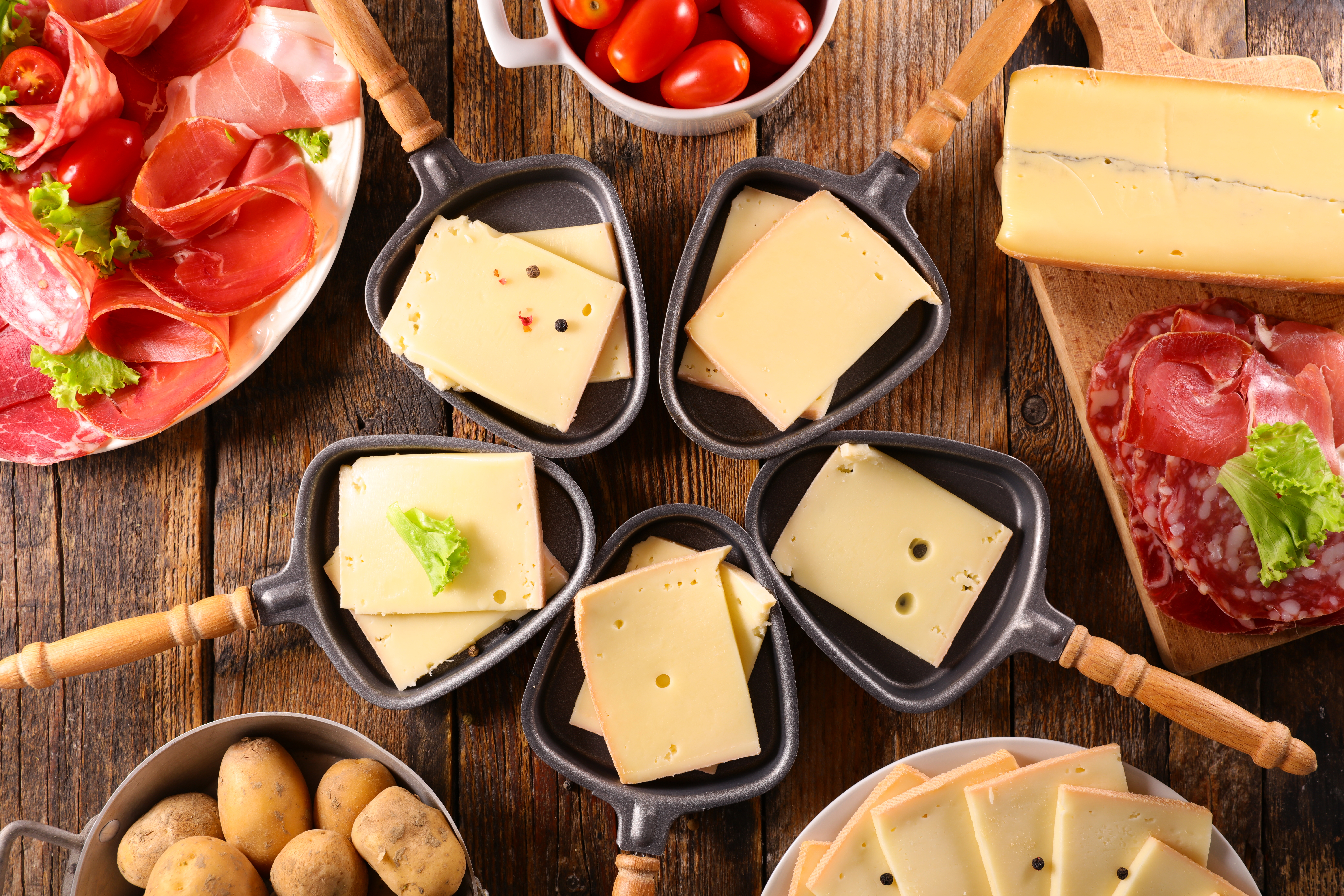
Interest in grazing platters and cheeseboards has led consumers to be fussier about their cheese selections, sending them to independent cheese retailers where they can buy varieties not found in supermarket chillers. Along the way, they’re choosing to put cheese front and centre as dining occasions beyond the board. Indies tell us sales of Raclette and cheeses for fondues are on the rise. And fine cheeses are being presented whole, with a few accompaniments, as the beating heart of a picky tea.
Cheeses trending at the moment include Alpine styles, goats’ and sheep’s milk varieties (which many say are kinder on their stomachs), truffled cheeses, and soft blues made in a Brie or Camembert style.
9. Functional Drinks
Taste comes first with all drinks but, say our experts, there is an expectation today that they’ll (particularly soft drinks) do more than hydrate us.
Consumers are looking for healthier versions of their favourite cans and bottles, says Synergy, often choosing natural or low-sugar options. “At the same time, there is a growing interest in functional flavours inspired by wellness trends such as botanicals, superfruits and adaptogens. “The challenge in 2026 isn’t just creating great-tasting drinks, it is creating them with purpose.”
Currently 28% of bottled drinks are sold with a functional claim, representing a 23% CAGR in product development, with most of these veered towards energy and alertness, and mental clarity and brain health considered the top motive for buying according to Synergy’s research. These feature ingredients such as matcha, guarana, vitamins and L-theanine. And ‘clean’ labels, with only natural additives, are high on consumers’ must-have lists.
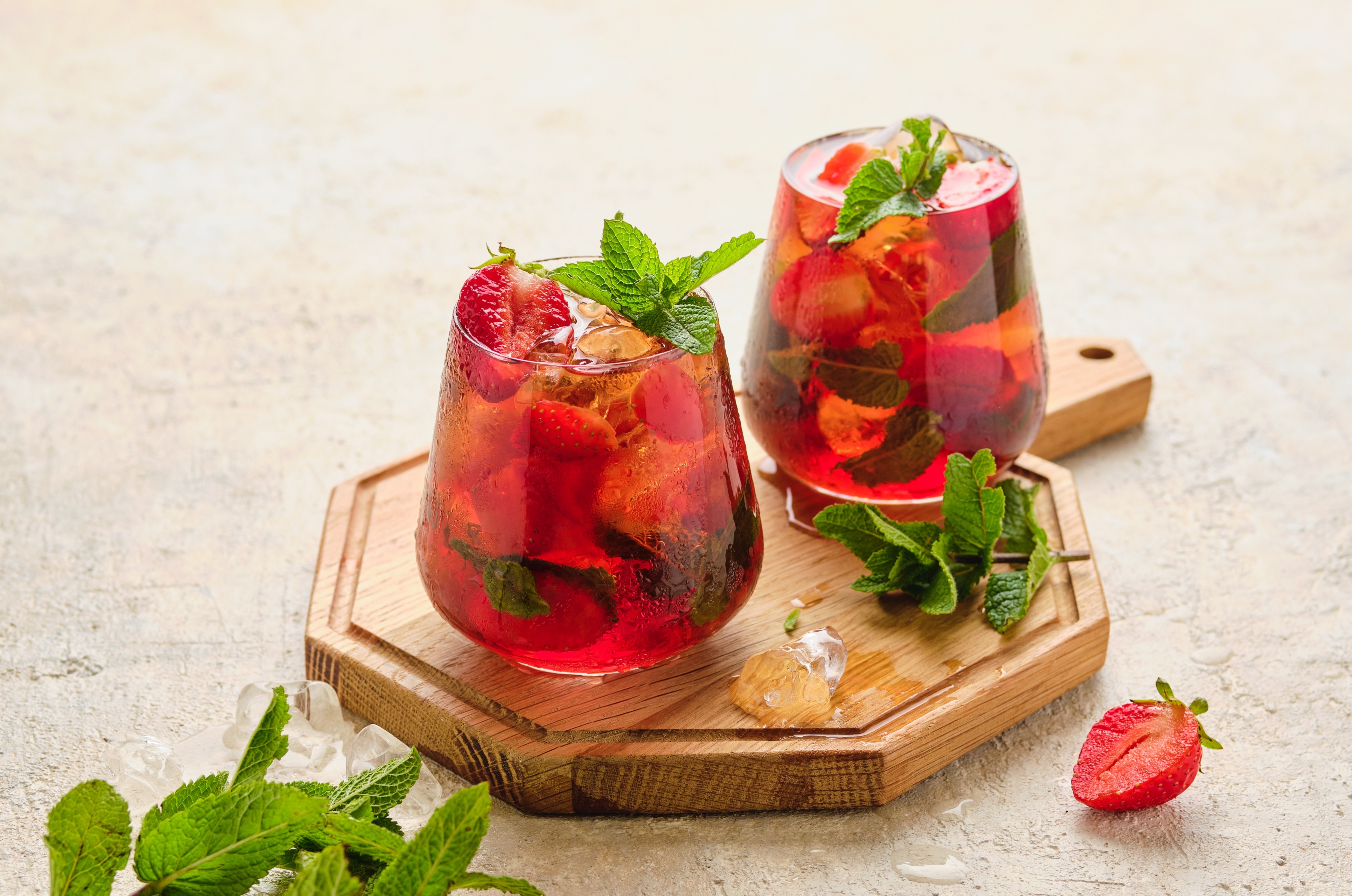
Social media trends point to premium mocktails with a functional element as being well worth investing in this space, as well as nutrient-added waters. Kefir is also one to watch, with Synergy citing the drink being searched for 80,000 times at Tesco’s online shopping platform in a single month alone.
10. Middle Eastern and European Food
Tom Gatehouse, senior strategist at Egg Soldiers, says he expects to see a new wave of Eastern Mediterranean and Middle Eastern staples filtering further into the public eye in 2026 – beyond hummus and harissa.
“Amba is one to keep an eye on as tastes broaden beyond hot honey’s ‘swicy’ moment. Taking tangy, fruity and spicy as its foundations, amba’s true mainstream integration may come via creamy blends - amba aioli and mayonnaises that deliver impressive tingles through recognisable formats,” Tom begins.
“Then there’s labneh, already familiar to many shoppers, which is shifting into its next phase: flavoured and infused varieties,” he continues.
“Retailers are beginning to explore labneh with herbs, spices and smoked notes, namely a way to add premium differentiation to chilled dairy and deli categories.”
Also making its way onto dining tables is the fermented chilli paste, shatta, which taps into demand for globally-inspired heat. “It offers retailers a chance to expand their chilli paste and hot sauce ranges beyond the usual suspects.”
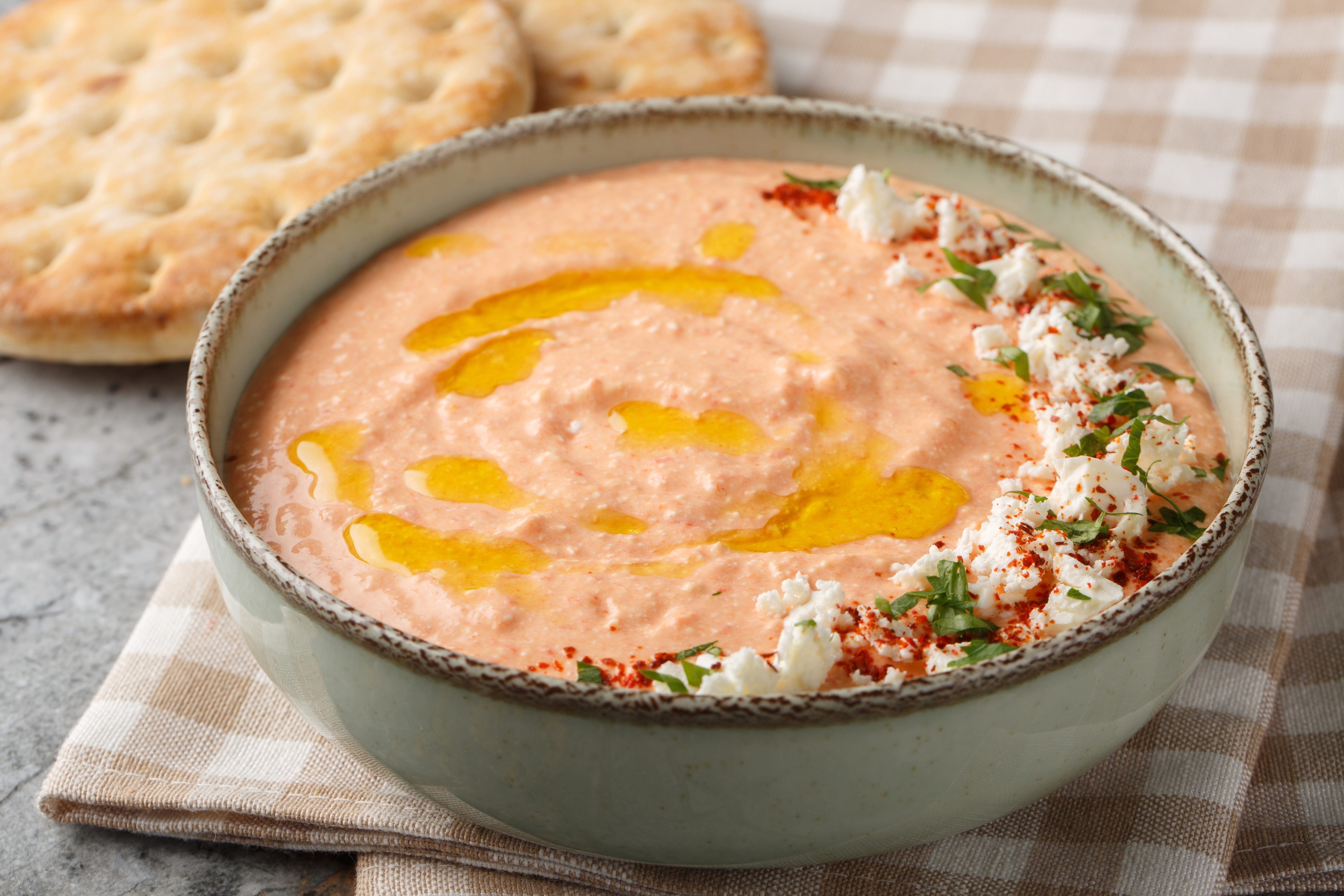
Then there’s what Tom calls a ‘wild card’ - tirokafteri – spicy whipped feta. “With Greek cuisine enjoying steady popularity and consumers increasingly seeking bolder flavours, a spicy feta proposition feels not just logical but overdue. Ideal for dips, spreads and mezzes with a point of difference.”
11. Dessert-Inspired Food and Drink
This trend somewhat takes the lead from the nostalgia/retro movement, with dessert flavours being infused into loads of products, but especially cakes, confectionery, infused teas, cocktails and mocktails, spirits and brewing. You can find anything from apple crumble Danishes, to lemon meringue lamingtons today, say The Food People, also citing Yorkshire Tea’s launch of a speculoos biscuit tea, and Edinburgh Gin’s Black Forest gateau inspired gin.
That’s not to mention the myriad breweries leveraging the puds of our childhood, folding their flavours into beers like Neapolitan ice cream, strawberry sundae (Vault City), and Black Forest (Cloudwater).
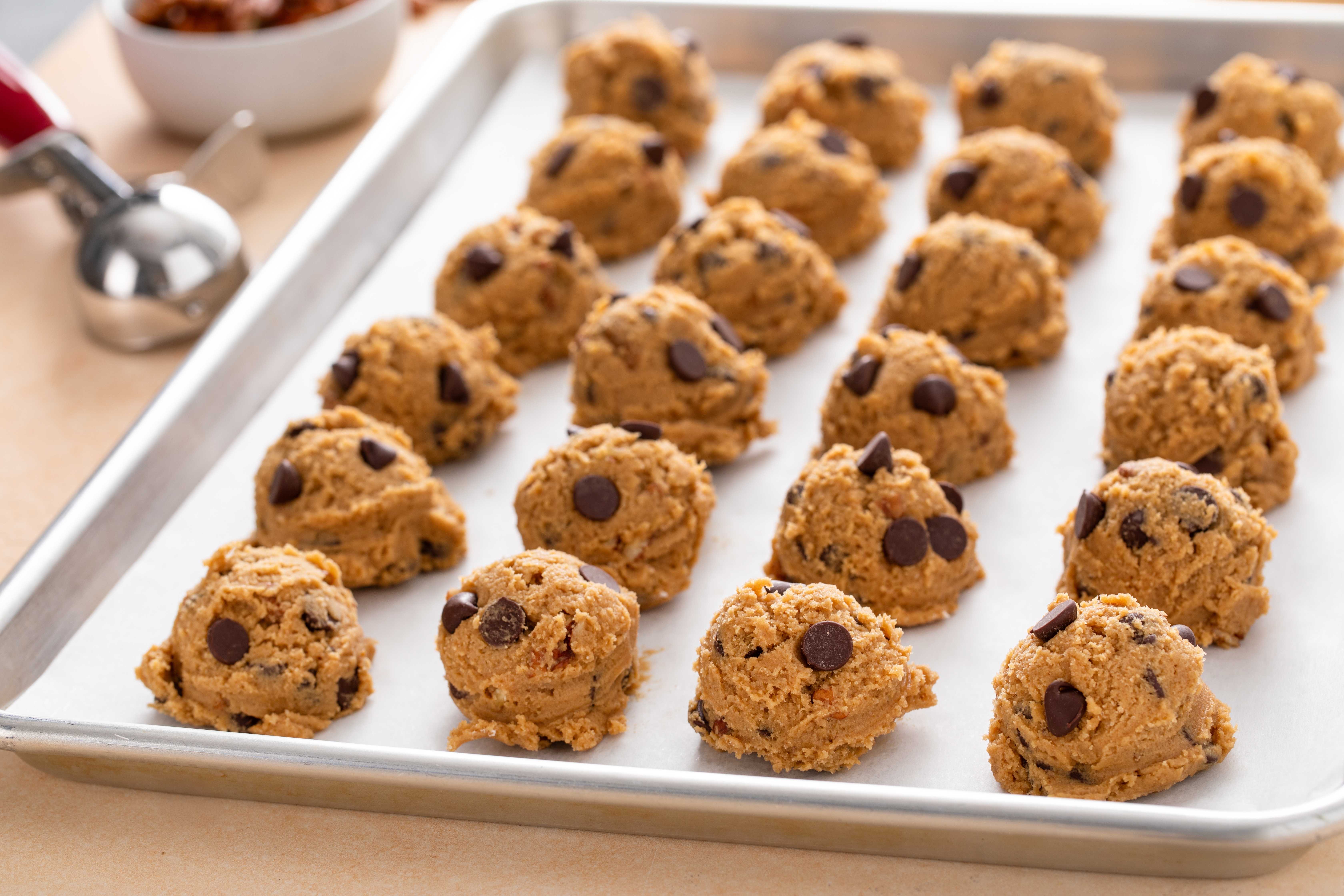
There are pumpkin pie breakfast cereals, Victoria sponge granolas, and banoffee flavoured cookie doughs up for grabs. “These flavours are all about fun, reading like a who’s who of dessert greatest hits,” say The Food People. “And they’re being applied in novel ways to well-known formats – to appear simultaneously new, yet entirely familiar.”
12. Better Plant-Based
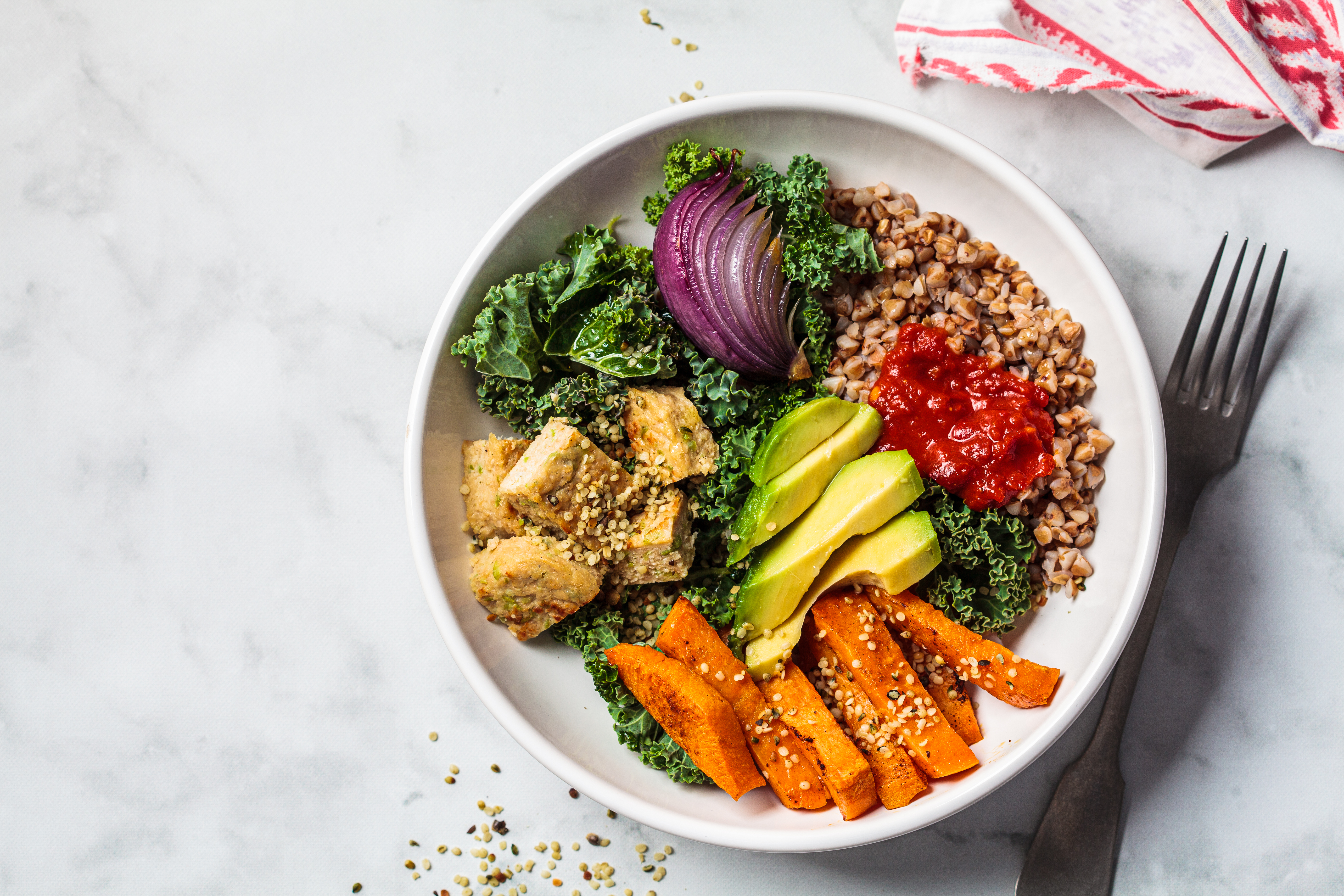
We’ve already noted in this list how whole foods are soaring in popularity. This trend goes hand-in-hand with the noticeable shift in priorities for vegans or those following largely plant-based diets, who want to cut out UPFs and focus the majority of what they eat around so-called ‘clean’ or all-natural ingredients.
There’s a firm move away from ‘fake meat’. Though Daria Pashkova, marketing manager at Ohly, comments that there remains a demand for savoury, roasted, meaty flavours. Much R&D this year will likely see vegan brands refocus further, aiming to reclaim the space left by dwindling interest in highly processed products and ingredients.
Globally, 58% of consumers said they’ve been paying more attention to ingredients lists, says FMCG Gurus. They want to know how food is formulated, processed and sourced. “Concerns around ultra processed foods, hidden ingredients, and supply chain strain continue to build. With many believing brands prioritise profit over people, authenticity and transparency are no longer optional.”
13. Picky Teas and Home Dining
M&S defined itself in 2025 as the ‘home of the picky tea’, though we all really know it’s Britain’s delis, farm shops and food halls that hold the key to a delicious ‘spread’.
More and more consumers are choosing to entertain at home or forgo a traditional cooked meal in the evening or at lunchtime for a selection of bits and pieces to tuck into, be that crusty sourdough bread, pots of olives, wedges of cheese, or a platter of dips and dunkers.
This, says Innova, has resulted in a swathe of format changes, as brands realise the power of occasion dining, switching up portion sizes, and versatility.
This is something Matt Whelan, managing director at Fieldfare, has noted too, saying shoppers are frequently turning to the frozen category for convenience, quality and flexibility, with the brand’s research showing more than a third of UK consumers are now premium frozen shoppers.
“This shift is giving rise to the freeze fine dining trend, which we expect to continue strongly into 2026,” Matt explains. “Many consumers are drawn to it due to ongoing cost-of-living pressures, as it allows them to enjoy premium meals at home without the expense of dining out.”
Fieldfare’s approach, he continues, allows for maximum flexibility, and for households to work within their own budgets. The award-winning range includes star centrepieces, delicious sides (such as Creamy Potato Gratin) and desserts (a favourite is the decadent Chocolate Fondant).
This year, says Matt, will see continued growth in varied eating occasions, from smaller plates and grazing menus, to shareable dishes and elevated breakfasts. “Consumers are embracing these formats because they encourage experimentation and create more engaging mealtime experiences at home or out of home.”
14. Brain Food
According to FMCG Gurus, 45% of consumers globally worry about their physical health, while 44% are concerned their emotional health.
Some of the most successful food and drinks brands in the functional space have put mental wellbeing and clarity at the forefront of their claims, and this is something people are latching onto, and will continue to seek out in 2026.
Trendwise thinks many products, particularly in the drinks space, will move away from sugar highs and caffeine jolts, and towards supporting better mental health, using ingredients that provide moments of focus, calm and mood enhancement.
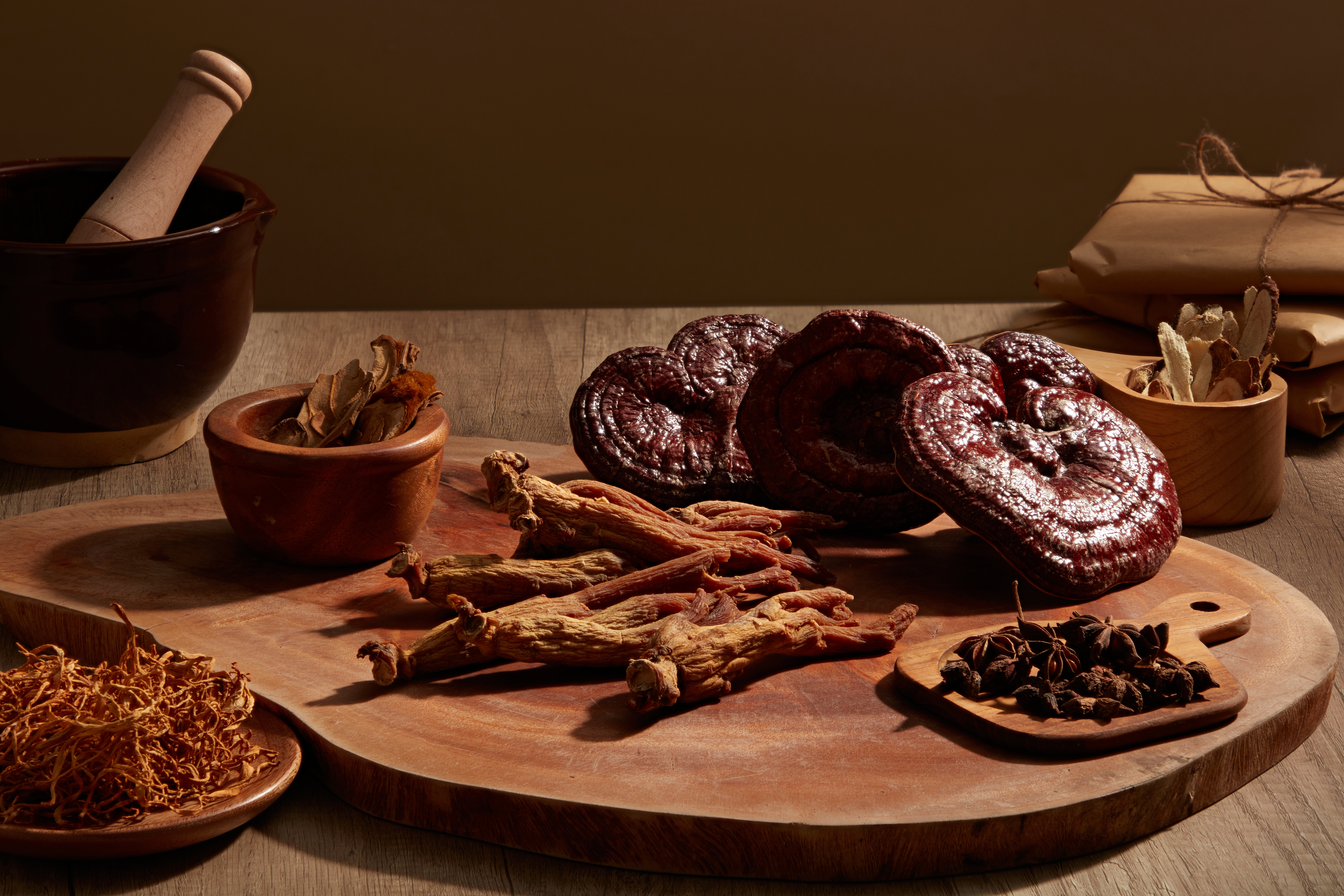
Consumers, the analyst says, are looking for CBD, L-theanine, magnesium, and Lion’s Mane. And in drinks they’re seeking smaller formats, or sachets.
“Today’s world is stressful, so it’s no surprise that mental balance and wellbeing, and products with mental health benefits, are top priorities for 2026,” says Innova.
Mental health priorities vary, they say. It tops the concerns of Millennials, who relish stress-busting launches such as sparkling green teas, and anything featuring ashwagandha or reishi mushrooms.

15. Nostalgia and Retro Food and Drink
The draw towards traditional foods and ingredients is in part because people feel overwhelmed by rapid societal change, says FMCG Gurus. “This is prevalent across all demographics, but especially Generation Z. Rising concerns about global conflict, personal finances and shifting cultural norms are driving worries about the macroeconomy. This is pushing consumers towards trusted brands, familiar flavours, and products that remind them of simpler times.”
As spending out-of-home declines, the insight expert says people will continue to trade up on premium at-home treats. “Taste matters, and indulgence must feel both rewarding and justified.”
Ohly’s Daria says brands are meeting modern demand by finding ways to create healthier versions of nostalgic favourites by reducing salt, sugar and fat content, and finding ways to boost natural flavours. “This shift allows consumers to indulge without guilt, while still enjoying the comfort and satisfaction of their favourite foods.”
Mintel agrees that food rooted in tradition is helping to reduce consumers’ feelings of vulnerability and lack of control.
But for shoppers in 2026, it adds, nostalgia doesn’t necessarily mean rewinding to a specific year or era, but rather taking refuge in dishes and products with a romanticised view of simpler times. There’s a strong social presence of ‘trad’ living, with influencers taking a step back, making their own bread, butter, pickles, preserves and ferments, and this is something many (especially younger people) are being drawn to.
16. Sustainability
“Consumers globally want to anchor their food and beverage choices responsibly,” says Innova. Sustainability, it adds, continues to appeal, “especially when it is tangible, connotes transparency, and offers everyday benefits.”
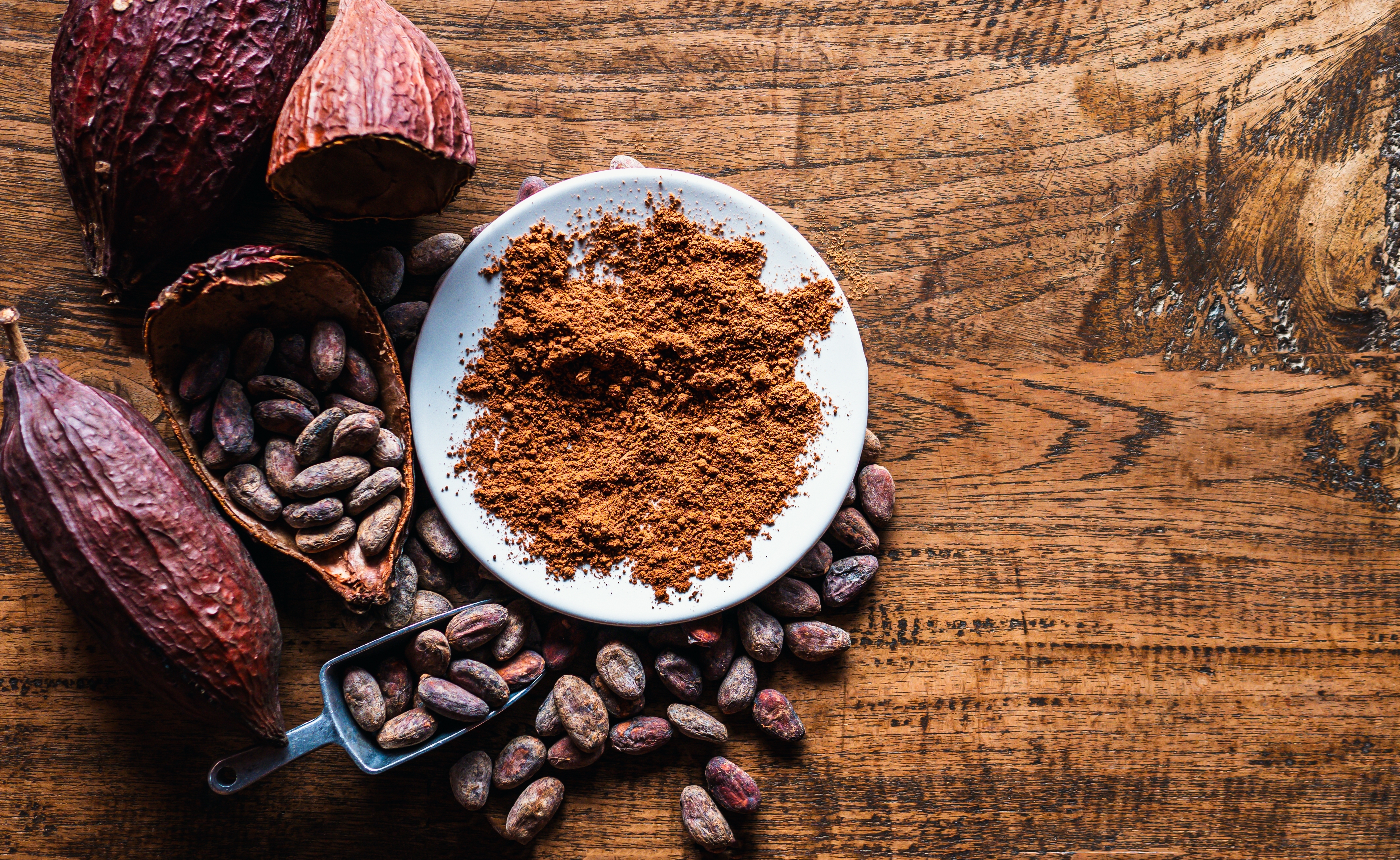
Stylus’s Mandy says integrity will play a large part in buying decisions this year, especially at the higher end of the spectrum. “Consumers will seek out premium ingredients like single-origin cacao, regenerative olive oils and heritage grains not just for their compelling taste, but for their nutritional and ethical credentials,” she explains.
Atlante UK’s Phil says this is especially true in chocolate. “Once a stable, comforting luxury, it now faces price volatility and shifting consumer expectations,” he says, pointing to crop failures in West Africa, speculative trading and concentrated supply. “The result is visible on supermarket shelves. Chocolate bars that have doubled in price; products that have shrunk; and others with so little cocoa they can no longer be called ‘chocolate’.”
This turbulence, adds Phil, “is redefining the meaning of indulgence. Consumers demand transparency and integrity, looking for chocolate the prioritises both ethical sourcing and enjoyment.”

17. Tropical Tastes
How often have you sat at home, daydreaming out the window about far off shores, sandy beaches and poolside cocktail hours? You’re not alone. Both The Food People and Bidfood point to ‘tropical’ as a standout trend for 2026, bringing a bit of sunshine into our kitchens when we need it most.
Anything flavoured with mango, lychee, passionfruit or pineapple, they think, will drive sales, while guava, dragonfruit and mangosteen are inspiring curiosity to purchase in everything from snacking, to soft and alcoholic drinks, hot sauces and street food.

18. Pickles
We’ve mentioned the nostalgic drive towards home pickling and fermenting, but shoppers are buying pickles and anything pickled flavoured in their droves too. According to The Food People, ‘pickle mania’ has officially taken hold. You can now buy pickle ice cream, drinks, and pickle-brined fried chicken. And the pickle pasta salad trend stormed socials.
“The popularity of fermented foods (thanks in part to increased awareness around gut health) has undoubtedly contributed to the wider trend for sour and pickled flavours,” The Food People say. “Giardiniera, kimchi and kraut are found in savoury pastries and deli sandwiches, while kombucha and kefir cross over from beverages to use in dressings and marinades…with sour and pickled profiles applied to products ranging from iced coffee to potato chips, this is a flavour that has serious staying power.”
19. Super Spicy
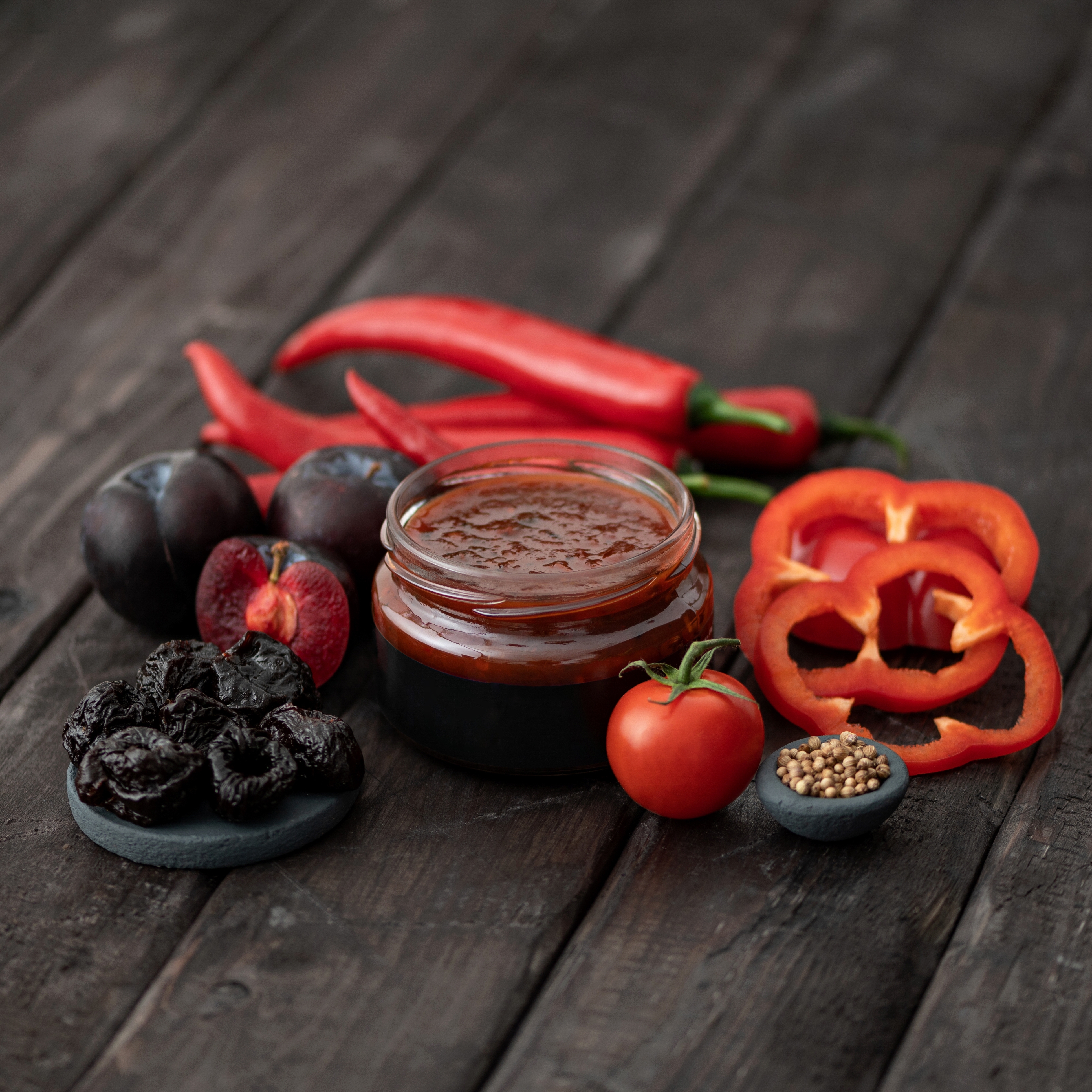
Ramping up spice will get consumers hot under the collar in 2026, say The Food People. The average person’s greater tolerance for heat, and the viral nature of shows like Hot Ones on Youtube have sparked real interest in anything fiery.
We’re talking volcanic hot sauces, tongue-tingling snacks, and seasonings that slap. And they’re not just for novelty gifting – they’re being sought out by aficionados and ‘chilli heads’ who value provenance and flavour, as well as the Scoville score of what they’re eating.
“The next wave of spice blends is shifting towards complexity and depth,” says Ohly’s Daria. “Spices such as fermented chilli, smoked spice rubs, and tangy-sweet heat profiles, are offering food manufacturers a broader spectrum of flavours that deliver far more than just a fiery punch.

20. New Wave Tea and Coffee
These hot drink categories have undergone an enormous amount of change in the last couple of years, with excitement building across demographics, but largely with Millennials and Gen-Z who are demanding more from their brew. They want to know where the beans or leaves come from. They’re excited about colours, foams, froths and syrups, and the ability to customise their drinks. And they have fully embraced iced tea and coffee, even when it’s gloomy and wet outside.
“Coffee isn’t just fuel anymore,” say the team at Tastewise. “It’s an experience consumers share, savour and style. With prices rising and at-home tech catching up to cafes, coffee often functions as an affordable luxury, rather than just a utility. Even when belts tighten, consumers will splurge on indulgences that feel like self-care. As a result, coffee in 2026 is going maximalist, and it’s all about texture.”
The Food People explain that ‘texture’ could mean mixing coffee with tonic, juices, floral infusions, or even in soft or hard drinks.
Consumers are also, says Synergy, favouring functionality, clean-label formulations, and formats that support busy, health-conscious lifestyles.
Functional coffee with turmeric, ginger, adaptogens and collagen – which advocate more than a buzz – are super on-trend, explains Synergy, as influencers highlight how these brews can turn a daily ritual into a mindful experience. Mushroom coffee was searched for, it says, more than 165,000 times in one month on Google.
In tea, matcha is dominating, with 2025 having been the year of the multi-layered, rainbow hued matcha latte.
“As health and wellness trends influence beverage choices, matcha is emerging in RTDs for its distinctive flavour profile, natural energy, antioxidants and calming benefits. Its vibrant colour and cultural appeal resonate with younger consumers seeking mindful, functional drinks,” says Tom Cleghorn, European beverage category manager at Synergy.
Over the last year there’s been a 12% growth in European launches involving matcha.
Bidfood says its research shows 71% of consumers are drinking tea, and also highlights matcha as a touchpoint for younger demographics, alongside bubble tea, chai and cold brew, with key flavours being yuzu, passionfruit and mango.
What’s next? According to Tom at Egg Soldiers, Hojicha is the one to watch in 2026. “Already appearing in specialist cafés, this Japanese roasted green tea is gaining momentum in industry circles. Made from the same plant as matcha but roasted rather than steamed; hojicha delivers a very different flavour profile, namely soft sweetness, toasted nuttiness and gentle caramel notes,” he says.
“With around one-third of the caffeine of matcha, it fits neatly into evolving drinking rituals shaped by Gen Z, many of whom gravitate to calmer, lower-caffeine options for mornings and mid-afternoon resets. For artisan retailers, hojicha offers the next wave of premium teatime products, particularly with roasted tea powders, and carries the same “status drink” potential that helped matcha break into the mainstream.”
21. Sweet Innovation
Retro and nostalgic flavours are highly impacting product development in both the confectionery and bakery worlds, says Synergy, adding that a clear balance between innovation and understanding today’s health-conscious consumer needs to be struck. “We are continuing to see consumers gravitate towards comfort in familiarity and traditional flavours. Despite this, consumers are also increasingly drawn to bold new taste experiences,” Synergy adds.
Shoppers are prepared to spend more on high-quality pastries, with better nutritional profiles, and we’ve entered the era of ‘bakery crawls’, with whole social accounts dedicated to finding the best croissant, plumpest doughnut, or most spectacular layered dessert pot.
Flavours running up the ranks in 2026, according to Synergy, are passionfruit, matcha, meringue, s’mores, stracciatella, date, buttercream and cardamom.
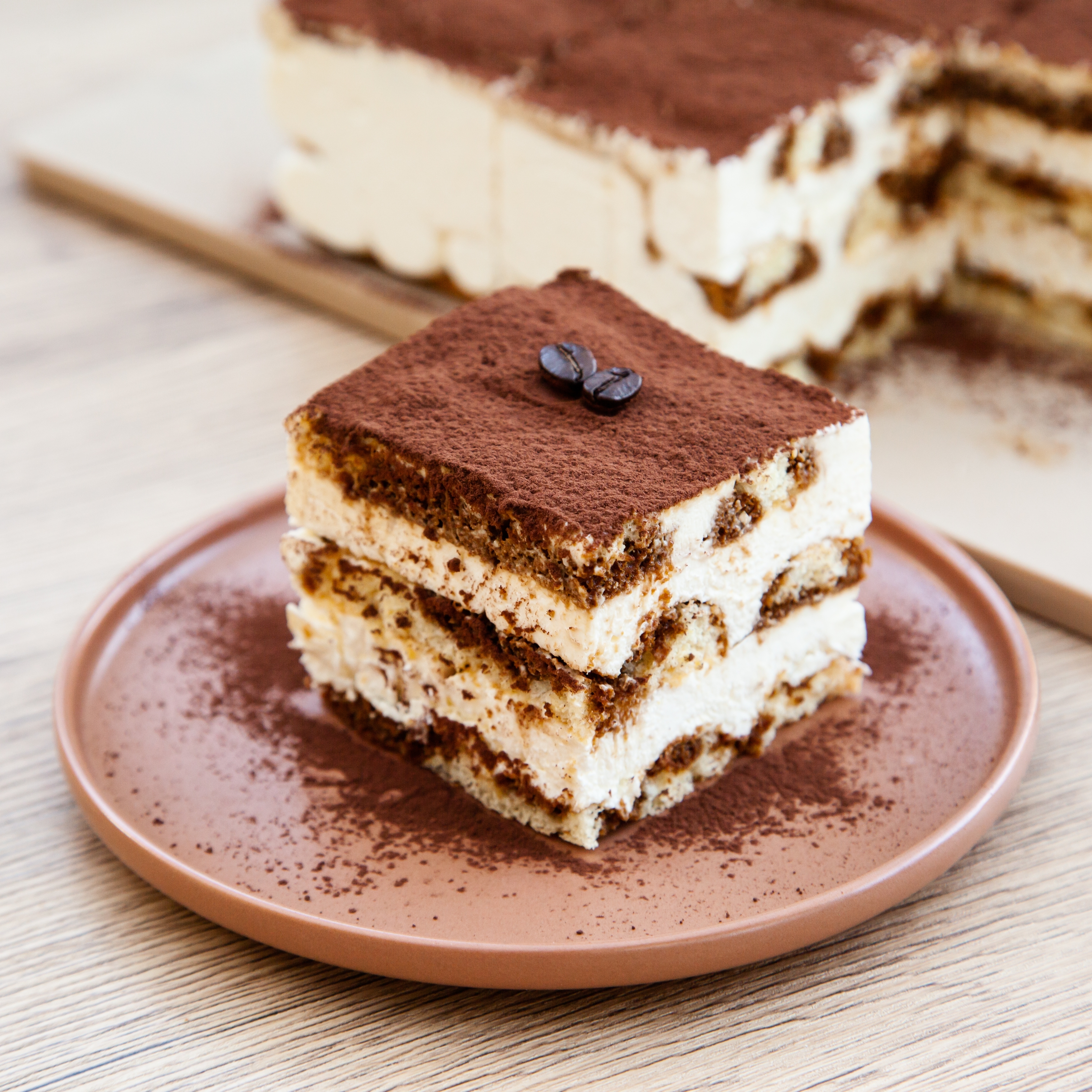
Leading them all, though, is tiramisu, which could prove to be THE sweet flavour of the year. As Jamie Black, Synergy’s European sweet goods category manager says, “While the classic version of tiramisu remains the go-to for the majority of indulgent-seeking consumers, we’ve seen European sweet goods manufacturers experiment vastly with this dessert recently, reflecting its enduring appeal and adaptability. The intense coffee notes, combined with the indulgence of mascarpone and cocoa lend themselves perfectly to consumers who are looking for harmony when it comes to taste and texture.”
According to the analyst, there’s been a 142% increase in tiramisu flavoured launched in Europe between 2020 and 2024.
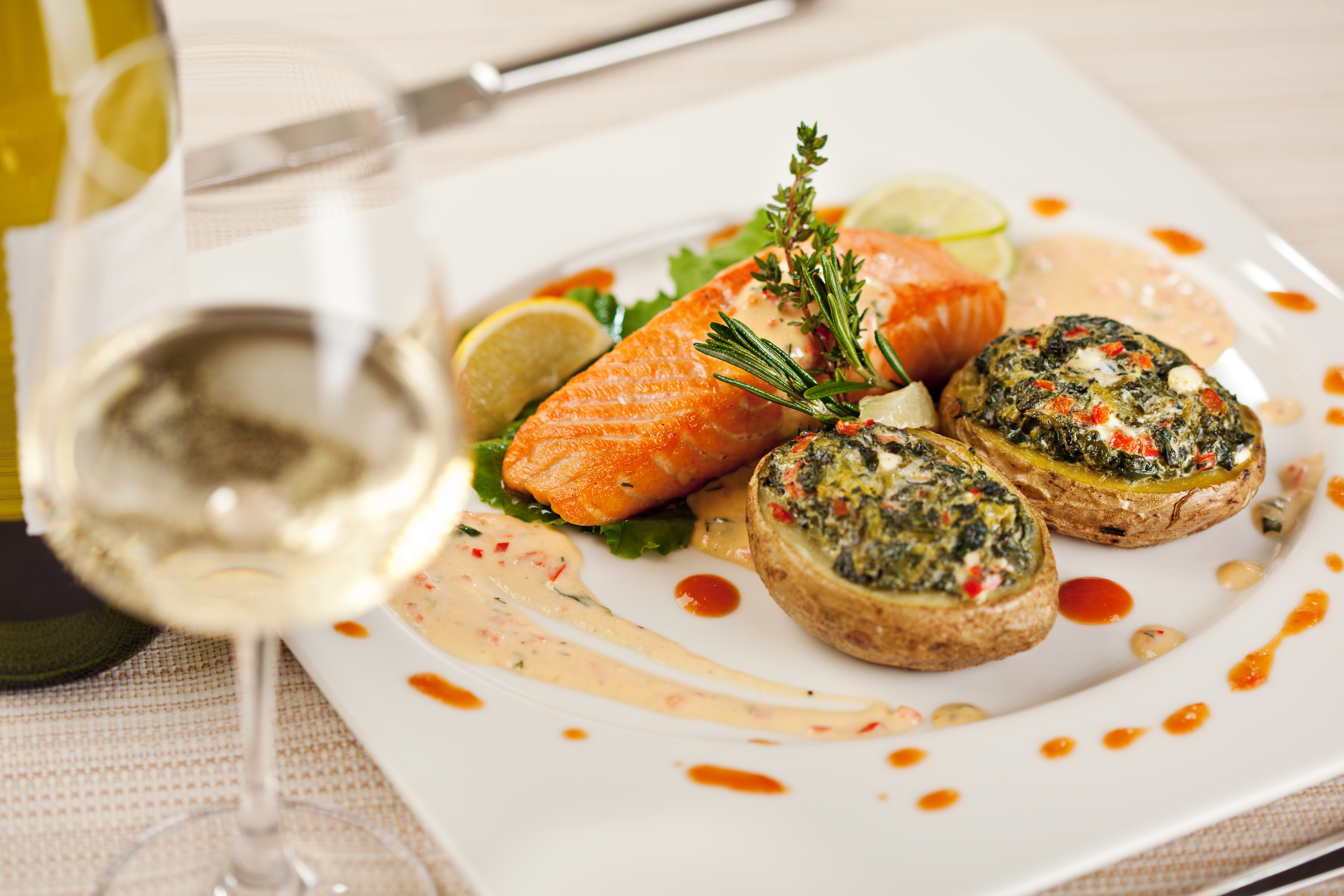
22. Topped and Loaded Food
The dining in trend isn’t just all cheeseboards, dipping platters and nibbles scattered about the table. People are looking for fun ways to share food – and many are taking a step back in time to revive retro classics.
Case in point are that 70s fixture – loaded nachos – and jacket potatoes smothered in evermore inventive toppings.
Make no mistake, this trend isn’t about good old minced beef, sour cream and guacamole, or cheese and beans. Consumers are going to town on toppings, especially when it comes to potatoes, inspired by influencers such as Spud Man, who’ve made the jacket spud kind of sexy again.
Both loaded options are getting a glow up, with toppings like caviar, the best artisan melting cheeses, authentic Texan-style chilli, regional curry recipes, and so much more.
This is a great time, in store, to be championing products they can use to elevate dinner, be that tubs of taramasalata at the deli counter, tins of wholesome spiced lentils, or slices of truffled raclette.
The trend is here to stay, with Bidfood’s research showing 45% love the generosity of a topped meal, and 42% perceiving it as good value for money.
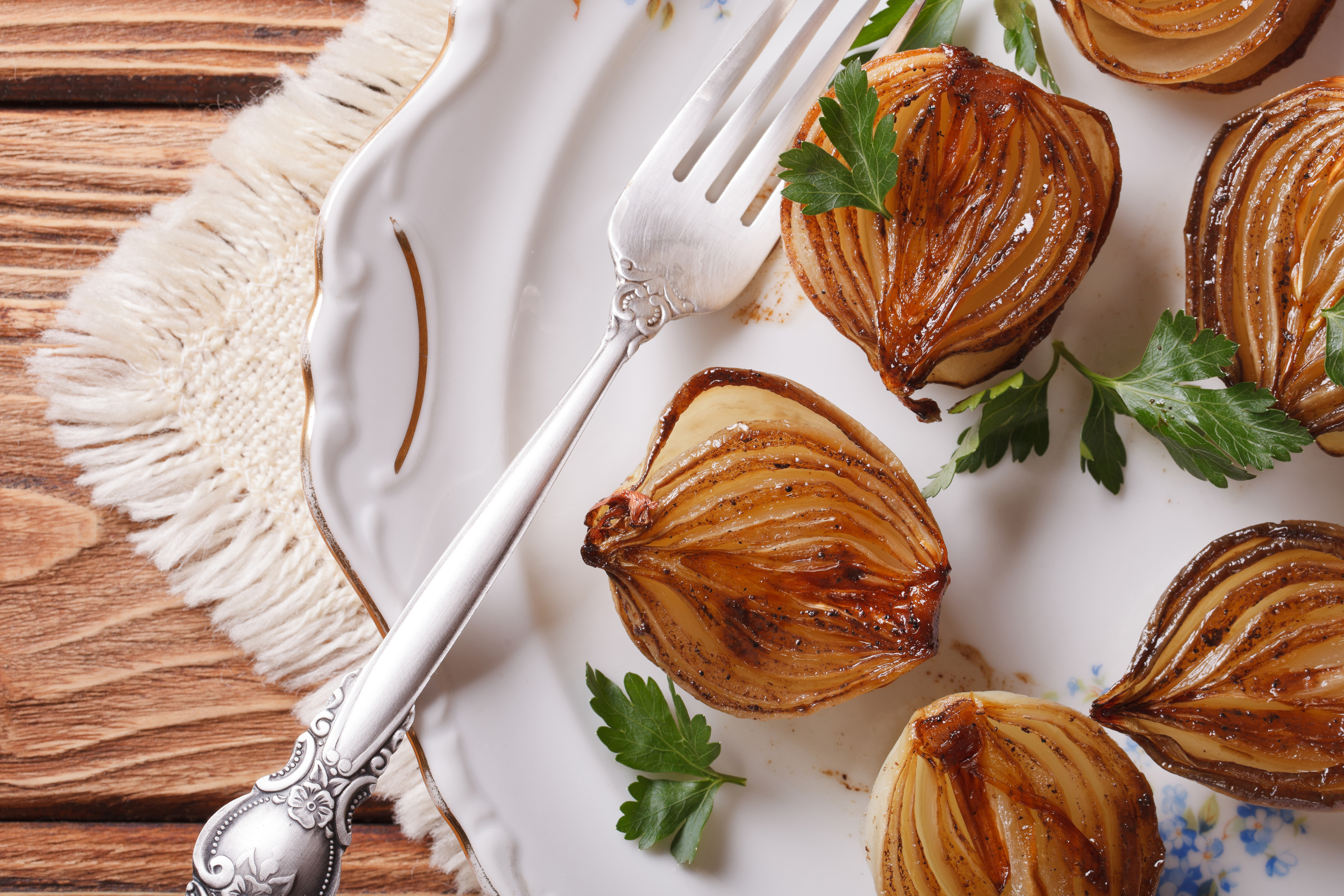
23. Supercharged Flavour
Bidfood’s 2026 trends report shows real interest in dishes and ingredients from around the world, leaning especially into Malaysia and South America – with Venezuala and Peru proving popular as consumers look to fuel themselves with authentic dishes from far afield.
As far as trending flavours for 2026 go, in savoury categories Bidfood puts caramelised onion at the top of the list, followed by chilli jam, wild mushroom, jerk, hot honey, seaweed, truffle, salted honey and sriracha. While in the sweet world it lists salted caramel at the top, then toffee, mango, hazelnut, banoffee, cinnamon, pistachio, citrus, rhubarb and caramelised banana.
Ohly’s Daria says the future of flavour innovation will be found in creative and original ingredient combinations with diverse profiles and global influences.
“With this trend continuing to shape food innovation, flavour combinations like umami with sweet and sour, or smoky with citrussy are emerging.” These, she says, “blend the savouriness of traditional umami-rich ingredients with the tang or fruit or the brightness of citrus.”

24. Lunch
‘Let’s do lunch’ is a commonplace sentiment today, with more of us choosing to dine out-of-home at breakfast, brunch, or early afternoon, considering these options more affordable, and a shift away from heavier dinners.
In addition to switching up their dining out routine, consumers are looking for healthier convenience foods for lunch, rather than pappy pre-made sandwiches and stale-looking salads.
Mandy at Stylus says, “Consumers are looking for midday meals that fuel focus without the crash – think protein-loaded, fibre-rich and functional fare that boosts mood and resilience. Brands are responding with elevated lunch offerings and globally inspired bowls that balance health, convenience and flavour. This renewed focus is also shaped by the rise of fasting regimens, where lunch becomes the first and most functional meal of the day.”

25. Drinks go Premium
The term ‘quiet luxury’ is being applied to the rise in popularity of premium, thoughtfully innovative drinks, primarily in the spirits and RTD cocktail categories. In this ‘lipstick economy’, says Tastewise, more of us are reaching for small luxurious that feel worth the spend.
To meet the ‘quiet luxury’ criteria, drinks should be sophisticated, aesthetically pleasing and authentic. Tastewise says consumers are fed up with ‘smoke and mirrors’ in drinks marketing, instead putting these factors ahead of Instagrammability. They favour intensity of flavour, smoky and sweet flavours (interest is up 108% year on year), and premium brands.
26. The GLP-1 Effect
It’s mostly foodservice that’s being impacted the rise in uptake of GLP-1 medications – designed to support those with diabetes and metabolic disease, but frequently being taken across the world as a weight loss aid.
Tastewise says these consumers are no longer calorie counting, but are looking to stock their store cupboards with ingredients which allow them to control portion sizes better, or that are functional, supporting whole body health. The analyst points to high protein dips, protein snacks and cottage cheese.
Fieldfare’s Matt says the company’s research supports a drive towards intentional eating and reduced portions, with 38% of UK consumers they spoke to agreeing they would value being able to control their portion sizes.
As a result, “stockists may see increased demand for products that are portion flexible, easily adjustable and high in flavour and quality, even at smaller serving sizes. Frozen and loose formats are particularly well suited to this trend, allowing consumers to eat thoughtfully, reduce waste, and experiment with new flavours without committing to large quantities.”
Those not keen on weight loss jabs are expressing an interest in foods that stimulate GLP-1 receptors naturally, says FMCG Gurus, adding that 69% of global consumers would like to include these in their diet.
Perception of the drugs is polarised, with concerns around dependency, safety and side effects. This, FMCG Gurus adds, “will create two growth pathways for brands; products that naturally stimulate GLP-1, and nutrient-dense food and drink designed to support users during and after medication.”
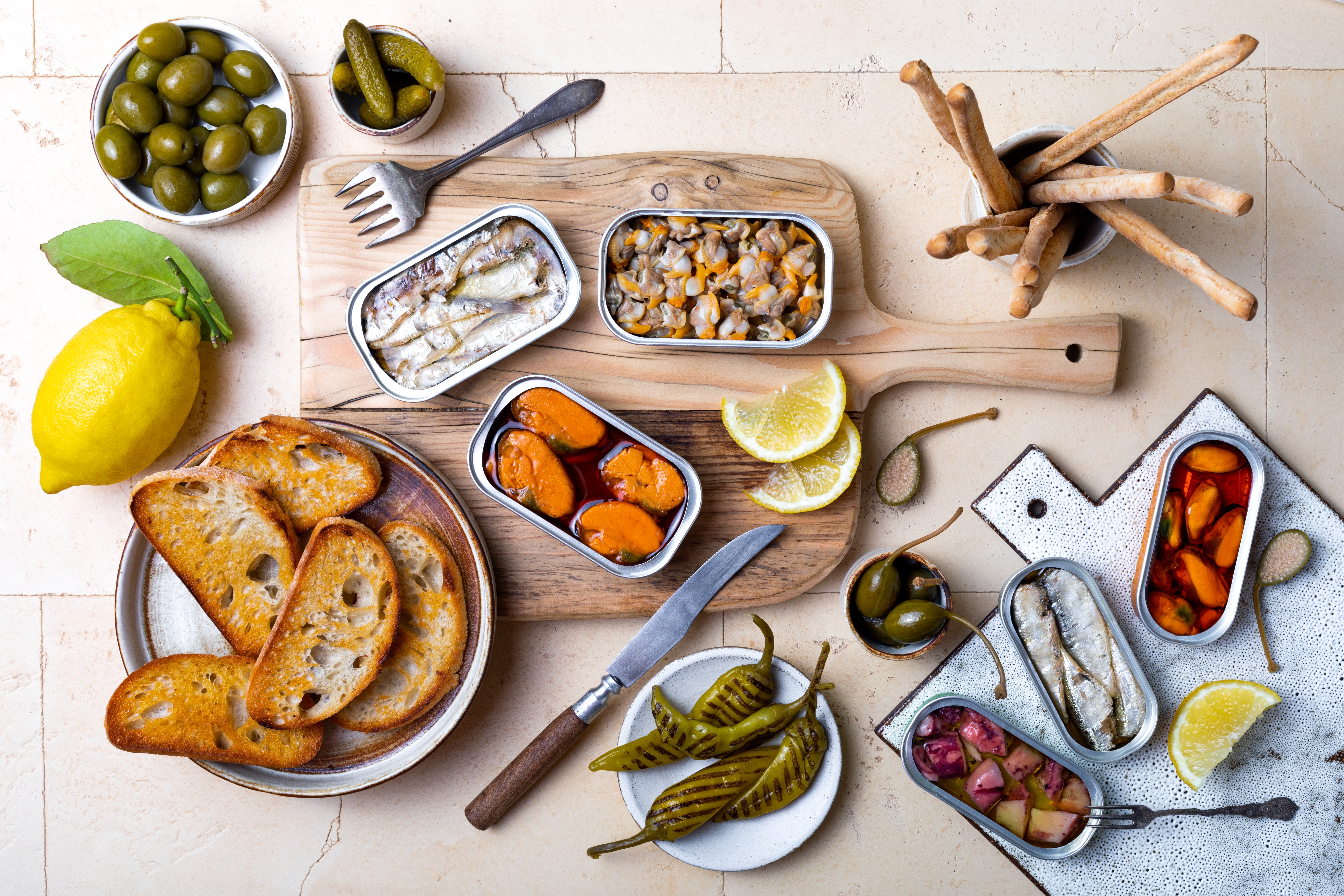
27. Seafood Snacks
The tinned fish renaissance has seen the star of brands such as Sea Sisters and Fish4Ever climb, alongside heritage canneries across Europe. Trendwise thinks seafood snacks will grow further in 2026, considered a relatively affordable source of protein, with added health benefits from natural oils and vitamins. Those who succeed in this space will blend comfort with wellbeing and storytelling.
“In 2026, the most powerful foods are those that can check multiple consumer boxes at once. Mussels, mackerel and sardines can deliver on the top claims driving both snacks (protein, premium, intense flavour), and seafood (sustainability, tinned salty). These species are culturally familiar and nutrient-dense, showing double-digit interest growth in social media discussion.”
28. Savoury Breakfasts
Is the era of sugary cereal over? There will always be folk who can’t start the day without grains in a bowl of milk, toast and jam, or a cereal bar on the go, but the conversation around stabilising blood sugar levels, and boosting fibre and protein, is making more British consumers think about what they’re putting in their bodies in the morning.
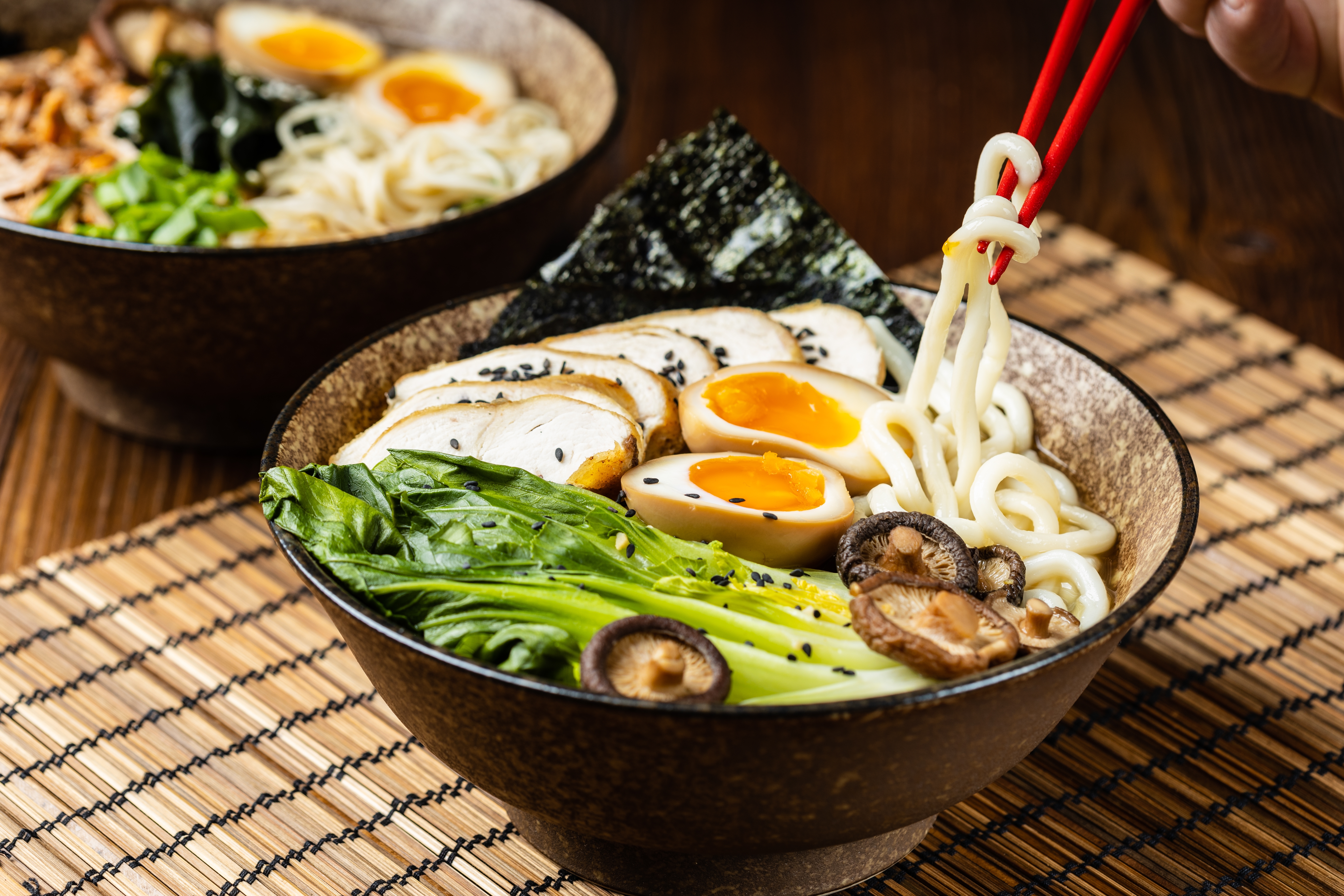
They could, says Tastewise, take a leaf out Asia’s book, by choosing to go savoury. Ramen, they continue is poised to crash the breakfast table, hitting consumer preferences for filling, umami, aromatic options. They say interest in intense flavours at breakfast is up 273% year on year, spiced breakfasts are up 23% year on year, and cereal is down –5.9% year on year amongst Gen-Z.
The trend is being tiptoed into on the high street. Wagamama has launched breakfast options such as omuretsu (a kind of omelette), ramen and special bao buns, which could spark a wave of morning experimentation in home settings.
29. Real Mexican
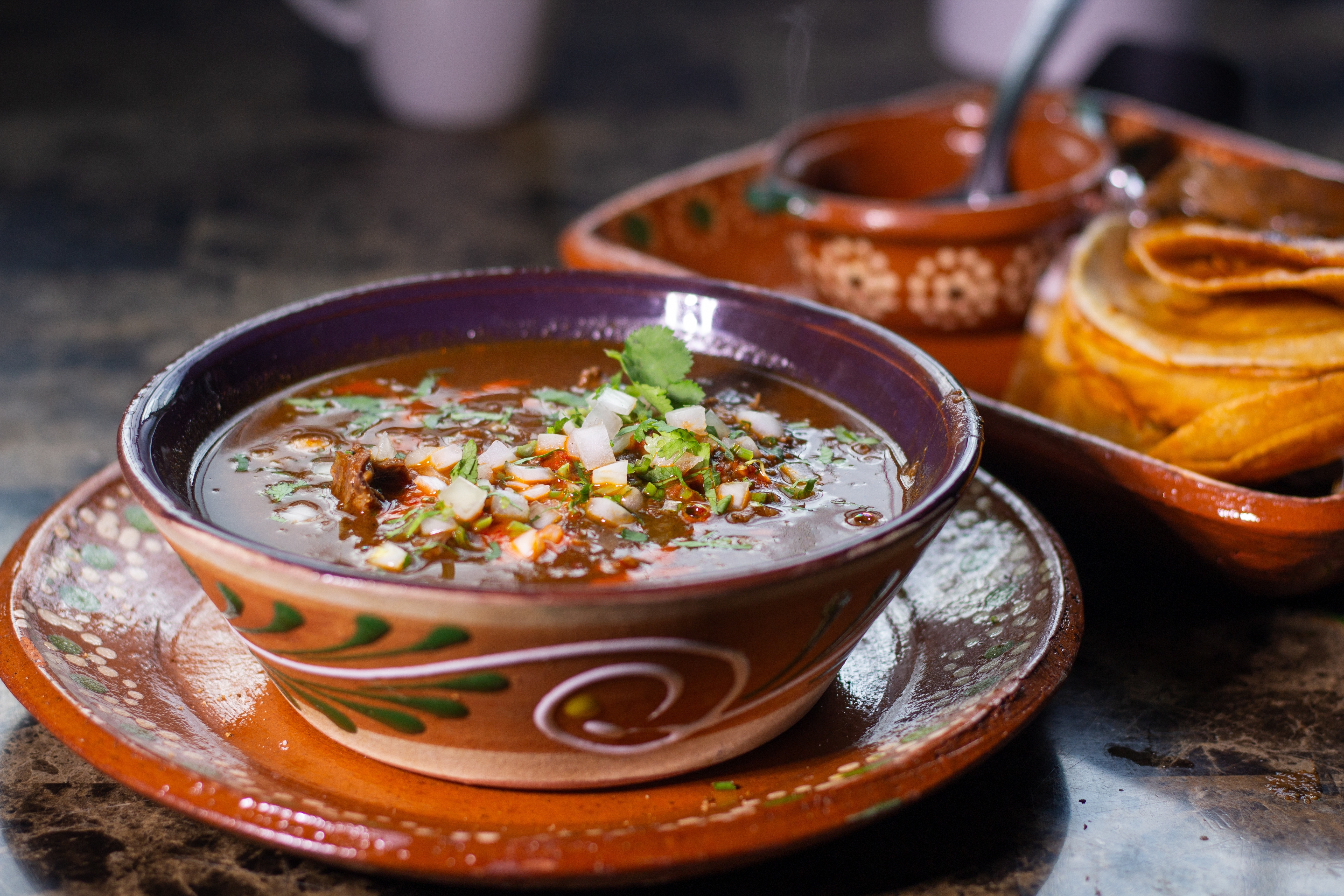
Indie retailers have seen success in Mexican products in the last two years, across dips, tortillas, tacos, condiments, snacks and spirits. Now, they want to take their interest further, says Egg Soldiers’ Tom. “After years of Tex-Mex dominating UK shelves, younger consumers are now moving towards the depth and regionality of true Mexican cooking.” This shift, he continues, mirrors what we’ve already seen with Asian cuisines. “A move away from generic flavour cues, towards specificity, authenticity and provenance.”
This is driving interest in regional taco styles such as barbacoa, carne asada, tinga, and al pastor, all of which offer retailers opportunities for new meal kits and condiments.
Key drivers, adds Tom, are ancho, chipotle and guajillo chillies, and bright, citrus-led marinades that define many regional dishes.

30. Hydration
According to Mandy at Stylus, in 2026, hydration will go beyond water. “Consumers will be chasing electrolytes, trace minerals and functional salts as part of their daily wellness rituals. From salty seltzers to rehydration gummies, the focus is gradually shifting towards holistic replenishment, not just refreshment. Expect sodium, potassium and magnesium to become the new buzzwords in beverage aisles – and brands to use these as anchors for new product development.”
Innova concurs that it’s hard to ignore the number of innovative drinks launches offering health benefits, adding that there is solid growth in anything showing a hydration claim – especially those including high levels of coconut water, known for its electrolytes.
31. Designer Dairy
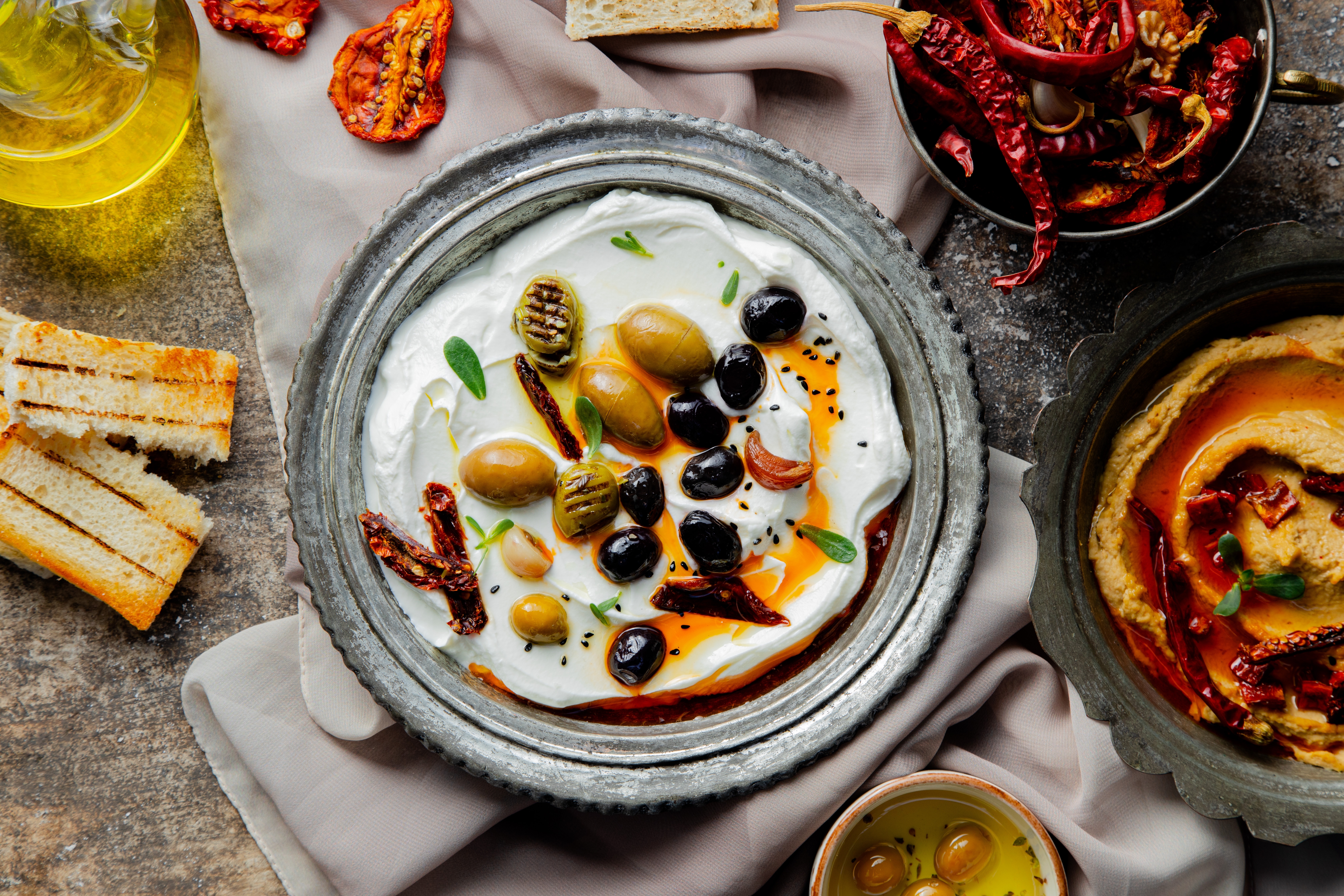
Stylus’s Mandy believes dairy will be increasingly recognised not only for its calcium contribution, but as a “functional wholefood ally”.
“With growing interest in gut health, protein-rich snacking and recovery will boost interest in formats like kefir, strained yoghurts, and grass-fed milks. Many consumers will also look for dairy products produced via minimal processing – and possessing clear ethical and sustainable credentials.”