Free digital copy
Get Speciality Food magazine delivered to your inbox FREE
Get your free copy

Fine food establishments are natural habitats for experiential retail, and with customers likely to spend a little more than they would at a supermarket they are less likely to be content with a crisp transaction – in fact, they could well be seeking value in the form of connection and theatre. By widening the scope of the services that you provide and welcoming customers into your world, you could be well on your way to becoming a destination for food lovers far and wide.
“Creating an experience makes a visit memorable,” explains Ted Newton, head of marketing and communications at Farmer Copleys in Pontefract. “People often remember how something made them feel long after they’ve forgotten what they bought. In an increasingly saturated market, with supermarkets and convenience retailers offering more and more local and premium products, it’s important for farm shops and independent business to offer something different,” he says.
For some shoppers, visiting a farm shop could be an experience in and of itself. Those used to sterile supermarket aisles and filling their baskets with the same products every visit are in for a treat when they step inside.
From the products on offer, many of which will come from the farm or local area, to the careful merchandising and sampling offers, there are many ways to elevate customers’ experiences. “We usually have the freedom to select the products we love and display them how we want, giving our visitors an amazing experience that gives you that point of difference,” Ted says. “It builds an emotional connection, creates loyalty, and gives customers a reason to choose you over somewhere else and return time and time again, knowing there will always be something new to see, taste or experience.”
If you have some space on your farm, you can take this idea even further. “At Farmer Copleys, we celebrate the seasons and the food they bring through a calendar of events that connect people back to farming. In Spring, we host our Tulip Festival; from June to August, our Strawberry Experience; in August, our Sunflower Field; and from late September through October, our Pumpkin Festival.
“Each event is designed to immerse visitors in the farm, the produce and the season, creating opportunities for families to make memories while learning more about where their food comes from,” Ted says. “This flows throughout the business, from our displays in the farm shop to the menu in our café to showcase the seasons in the best way possible, making it impossible for our visitors to ignore what we have going on.”
Experiences naturally increase footfall, and that translates into sales across the business at Farmer Copleys. “Our events bring in a high number of first-time visitors to the farm, many of whom return later because they’ve had such a positive experience,” Ted says.
Indeed, a farm shop with an experience also builds long-term customer loyalty. “Whether it’s discovering or tasting something amazing or receiving incredible customer service, it is a completely different retail experience that people are used to from a supermarket that makes them want to return time and time again.”
There’s also the digital benefits to think about: capturing valuable customer data can help inform future marketing and events, and ‘shareable’ experiences can help spread awareness of your shop on social media.
“Ultimately, visitors need to feel wowed and leave with a positive impression if you want them to come back, whether that’s for the event itself or simply to shop,” Ted adds.
While Farmer Copleys has an enviable list of annual events, Ted insists that not every farm shop needs a large-scale event calendar to create an experience. Start with the shop itself.
“Focus on creating touchpoints that make shopping feel engaging and interactive. At Farmer Copleys, that includes things like our fresh orange juice machine, milk vending machine, traditional butchery and deli counters with knowledgeable staff and our hamper station where customers can build their own gifts. Make sure that your team share your passion and are delivering with positive customer service that lives long in the memory.”
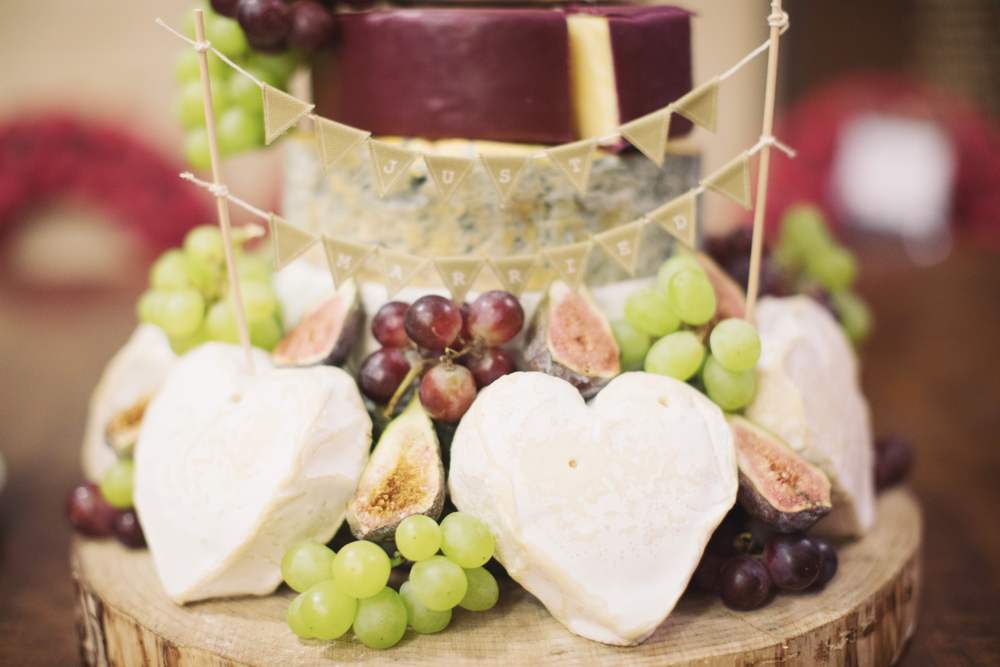
At George & Joseph, creating a warm sense of theatre is the name of the game. “We win when we offer something that people can’t get elsewhere, either in-store or online,” he begins, “and by sharing our expertise and a bit of theatre we can create a sense of occasion that will have people wanting to return.”
Retail environments can often feel sterile, but by paying attention to the feel of your shop and creating a space in which people want to linger can reap rewards. “So often people say to us that the shop feels nice to walk into, and that makes me happy.”
Despite having no background in retail design before creating his own store, Stephen has been able to build an atmosphere which is warm and welcoming before customers even step inside. “When I really think about it, I’ve basically created a space that I want to spend time in myself and sometimes that matters more than the cheese. The customer experience begins before they even walk inside with the signage and visual displays in the window,” he says.
Stephen has been inspired by the hospitality sector over the years, taking tidbits of inspiration from positive experiences he has had while out for meals.
“I often don’t recall the food I ate, but I always remember the way the place made me feel.” This is both in terms of the visual cues and atmosphere of the space, and the warmth of the staff on duty. “The difference between service and hospitality is that service is often transactional – ‘that’ll be £5 for that wedge of cheese, thanks” – whereas hospitality is more engaging – ‘How’s it going? What are you going to use the cheese for, and have you tried this one yet?’” Such an approach makes the process a lot more memorable, enjoyable, and worth coming back for.
At La Fromagerie, Patricia Michelson, owner, utilises themes to create an immersive experience in-store. “Have a theme whether it’s seasonal, regional or concentrating on a style of cheese and bring in pairings and partners alongside,” she suggests.
She also recommends “inviting a cheesemaker to tell their story and process” – with ‘meet the maker’ events popping up across the world of food and drink, and cheese being a topic with such colour and detail to share, this is sure to be a winner. If you have limited resources and a small team, don’t worry – you can still make the most of the appetite for events.
“The team have their roles – who will create the interesting selection and how it is presented. Who will talk about the cheese and who will pull other products as matches and partners,” says Patricia. A communal table to encourage discussion and ideas through the event help to create a warm atmosphere.
Running an event can seem overwhelming, but it doesn’t have to be. “Don’t overcomplicate the choices and keep the number of cheeses no more than five,” suggests Paticia. “Think about the families of cheese and how they will interact with each other to make it an enjoyable journey experience – but don’t talk too long and keep the attendees engaged with discussion.”
“Plan ahead – get a diary of events in place so you can do your homework and get organised,” Patricia says. “Get cheese book authors to come in and do a tasting evening as well as selling their book. Instagram, Facebook and TikTok are all great ways to engage, but they need dedication and coverage and that means taking the time to do it. Reels to chat about a particular cheese that’s just arrived, or to let people know about an upcoming tasting event.
“A weekly newsletter about the business and what’s happening is always a welcome distraction from the day to day – opening up mail with a newsy newsletter and some good photos.
“Cheese is a very emotive food – whether it’s an oozy melting toasted sandwich or dipping into a fondue,” Patricia continues. “Whether you’re cutting open a cheese and tasting or simply comparing three different Cheddars, having the right words and phrases and how you project your subject is vital. You need to practice engaging with your audience and draw them in; the only way to do that is know your subject and understand why you love it.”
Creating a counter which is attractive as well as being functional is important, and some cheeses create theatre all by themselves, for example Gorgonzola Dolce, which often kicks off a trend in the queue at George & Joseph. “We always have it on the counter alongside pots and a big spoon to scoop it out with, and can guarantee that if somebody is ordering some the next person in line will ask for some too.”
Being creative and trying something new – to you and your team as well as your customer base – could well reap dividends. “I’m always trying to think of different ways for people to enjoy their cheese,” says Stephen. “It basically comes down to come up with various ways of shoehorning cheese into people’s life, whether that be creating an occasion out of a consultation for a wedding cheese or partnering with a local coffee shop to run cheese and coffee pairing events.”