Free digital copy
Get Speciality Food magazine delivered to your inbox FREE
Get your free copy

Speciality cheese sales are booming in the UK. With an estimated annual growth of 5.4% (driven by demand for premium and artisan options and provenance) there’s every reason to be optimistic in retail. So, what’s driving this upwards trajectory? Let’s dive in!
No longer considered purely fodder for dieters and gym bods, cottage cheese has reached new heights of popularity in the last two years, and its star continues to climb. Significant interest in lower fat sources of protein and whole milk dairy have contributed to its success, and we’re seeing new, challenger brands emerging as a result.
Ocado alone has seen sales of cottage cheese grow 144% year-on-year, reveals senior buyer for cheese, Rich Sharpe, who says the online retailer’s shoppers are loving how the product can easily be integrated into both sweet and savoury recipes.
“We have expanded our cottage cheese range this year to cater to the increasing consumer demand, bringing in new flavours such as All Things Cottage Cheese Mixed Berries for people looking to enjoy cottage cheese as an easy breakfast option. We have also just launched The Estate Dairy’s new cottage cheese this month, exclusive to ocado.com, which is made with Jersey cream for extra indulgence.”
Premium Cheddar is driving the specialist cheese category with a move away from mass-produced varieties in speciality retail, says George & Joseph’s Stephen Fleming. “I’d say that’s absolutely where the opportunity is,” he explains.
“Cheddar is familiar, which makes it easy to engage people with. Once customers taste a really good clothbound or farmhouse Cheddar, it’s often a real lightbulb moment. They realise how much depth, complexity and sense of place the style can have.”
He continues, “In a speciality setting, premium Cheddar is one of the best ways of showing people that Cheddar doesn’t have to mean bland or anonymous.” For Stephen, this type of cheese means more flavour, more character, more story, and more connection to farmers. Organic’s on the up Penny Nagle of Feltham’s Farm, who founded the Organic Cheesemakers Network with partner Marcus Fergusson, says the story around organic right now is positive and pointing in one direction – up! “It’s a really good thing that the market is growing, even more so while we’re in a cost-of-living crisis. All our retail members are telling us they want more organic cheese, and that’s great to hear,” she says.
At Growing Communities – the UK’s only all-organic market in Hackney – the Organic Cheesemakers Network stall has grown by a third each year since launching in 2024, Penny reveals, adding that they’re finding more people are wanting to talk about how cheese is made and where it comes from. Customers are making decisions based on both sustainability and health.
“If you care about your health and wellbeing, as more people are now, you realise the stuff you put in your body has an impact long-term,” Penny adds, saying that she feels the market is shifting in a positive way, especially with ongoing talks happening between the Network and Soil Association to find ways to reduce admin around certifying.
In France, affinage is part and parcel of the cheese retailing experience. It’s incredibly common for cheesemongers to use their know-how to usher along all manner of varieties in ever-creative ways. The advent of the Academy of Cheese’s Affineur of the Year awards (launched in 2022) has only served to raise the profile of this edible artform in the UK, encouraging British retailers of speciality cheeses to push the boundaries, experiment, and contribute to an even more exciting and growing cheese world. It really does feel like we’re only just getting started here, and interest and adoption of affinage is growing.
We’re talking varieties washed in local spirits, coated in chocolate, aged in coal and more.
“The model of having a cheesemonger with the space and skilled staff to also age the cheese prior to sale benefits both the cheesemaker and the consumer,” says the Academy of Cheese’s education project manager, Katy Fenwick.
“Small-scale, as well as new, cheesemakers do not have to invest so much capital, time, space and resources into ageing their cheeses. They can focus on making cheese, with the affineur taking care of bringing it to perfect maturity.” This translates to consumers buying products at their absolute peak. “The Affineur of the Year competition has accelerated the growth of affineurs in the UK, building a cohort of curious, inspired cheese specialists in the UK that has even caught the attention of those across the Channel. Over the years, the competition has inspired new businesses, career changes, and entirely new cheeses,” Katie adds.
At a showcase in London last autumn, a delegate of artisan farmhouse cheesemakers from Ireland demonstrated the beauty of what they can offer – the majority of which has not been available to mainland UK retailers for quite some time, if ever.
The tide is turning, though, says Tim Rowcliffe, acting as an ambassador for Irish cheese through his work with the Specialist Cheesemakers Association and Irish trade bodies. He expects stronger relations and the coming down of walls will see more and more Irish varieties in counters this year.
A great sign, he adds, was the number of Irish cheeses present at this year’s British & Irish Cheese Awards in Shepton Mallet. “There was no Irish cheese last year because of logistics. This time we got them in a week early and saw a record number of entries – dozens of Irish cheeses, and a number of awards with serious recognition which is great news.”
A barrier to entry for many Irish makers post-Brexit has been lack of SALSA accreditation – which definitely, Tim says, impacts the interest from buyers. Work has happened behind the scenes so that now Irish makers who join the SCA will get a code of best practice and eventually be audited for SALSA, removing another major barrier to trade.
Tim hails this as a “major step”, particularly for those who want to see their cheeses in bigger retailers. “The path is continually being smoothed. The ambition is we want to keep driving this forward. Itish cheese is every bit as good as what’s produced in the UK. Every bit as imaginative. And because of the microclimate most of the animals are out all-year-round so you get very different, fairly unique flavours. I can’t think of like-for-like comparisons for Durrus or Gubbeen. Terroir is very important.”
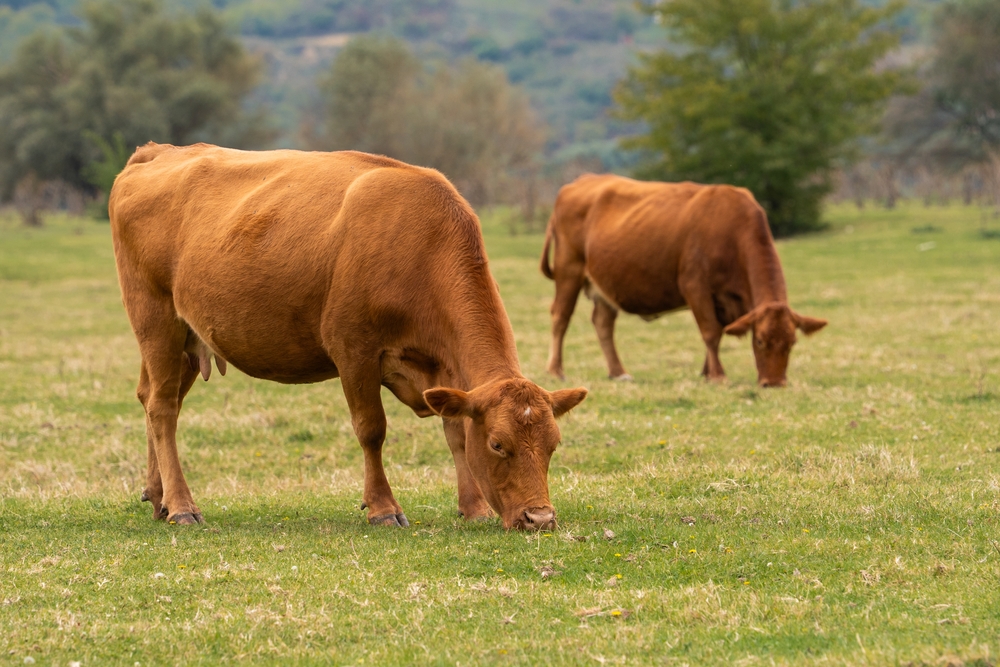
Consumers, especially younger shoppers, are ever more concerned about the environment, ultra-processed foods and the nutritional value of what they’re eating. And they’re asking more questions at the counter, leaning into grass-fed cheeses, and cheeses with greater sustainability claims.
“More customers are asking where cheeses come from, how the animals are kept, and what sits behind the product beyond flavour alone,” says Stephen.
Jessica thinks this messaging is more important than raw milk to consumers, who she says don’t seem to be as concerned about this aspect.
“From my experience, raw milk doesn’t automatically mean better flavour. That comes more from ageing and the cheesemaker. Grass-fed and artisan cheeses do show a really noticeable difference in depth and seasonality.”
During the last 12 months speaking to independent retailers, a major pattern that’s emerged is the increased footfall from Millennial and Gen-Z customers. They are definitely, says Jessica Summer, founder of Mouse & Grape, driven by health (particularly protein), visual appeal and convenience.
“They are more selective with spending, and less focussed on traditional dining occasions, but they still value quality,” she explains, saying that individual creamy cheeses do well with this type of customer in her shop. “They feel indulgent, but still fun and approachable.”
What works best with younger consumers is, “low commitment, ready to enjoy options such as smaller portions, strong pairings, and clear benefits. Looking ahead, I think we will see more demand for snackable luxury and hybrid retail experiences that combine shopping with tasting.”
Stephen agrees, saying he too is noticing more younger shoppers in store, who are less tied to traditional cheese-buying habits, while being more intrigued by exploration. “They’re curious, happy to try something unfamiliar, and they respond well to story, provenance and occasion. They might not always come in asking for ‘the usual’, but they are very open to cheeses that feel interesting, authentic and worth talking about.”
● Younger consumers appreciate smaller formats (pre-portions and individual cheeses). Present yours in a way that’s visually appealing and intriguing for them.
● Gen Z value sustainability, welfare and health. Signpost the credentials of your cheeses well – ie noting whether certain varieties are from grass-fed cows or are higher in protein.
● Use social media to tap into their sense of fun and novelty. Think of different ways to position/present/ showcase cheeses, both new and traditional.
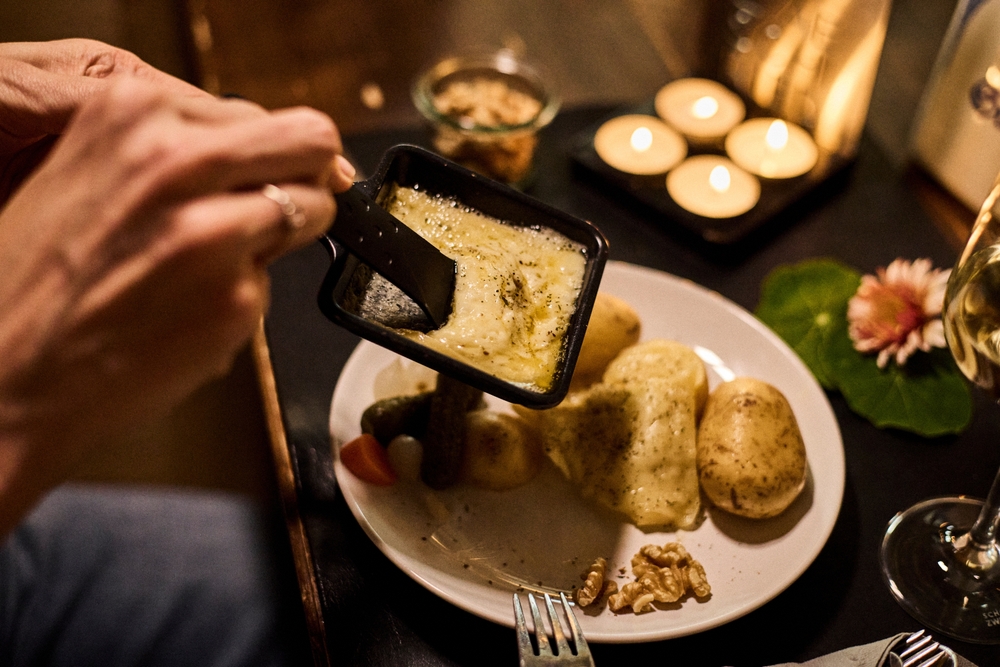
Melting cheeses, predominately of the Alpine variety, are showing clear growth in the UK. Many of these types are thermised, making them sweeter (marrying with the modern palate) and also lower or devoid of lactose, appealing to those with intolerances.
Retailers and producers all say they are seeing sustained and increased sales across the board. Raclette (which used to peak in sales in the winter months) is now a good seller year-round for many, including at The Pangbourne Cheese Shop in Berkshire, according to owner Jen Grimstone-Jones.
Both Raclette and fondue are seen, she says, as a sophisticated dining option, and a more unique, different way to share cheese beyond grazing platters. “We are seeing a huge rise in people across all ages and background staying at home to socialise.” Jessica is also finding these cheeses consistently popular. “Raclette and baked Camembert nights work really well because they are social, interactive and easy to engage with. It is less about the product, and more about the experience around it, which is what customers are increasingly looking for,” she explains.
There is a big opportunity, Jessica thinks, in at-home kits, especially as consumers seek out ways to recreate moments more affordably. “Alpine cheeses have been flying out for us recently,” says Stephen. “There’s clearly a strong appetite for cheeses that offer warmth, comfort and theatre – the kind of cheeses that feel generous and satisfying, whether for entertaining, weekend eating, or just treating yourself.”
Schlossberger has been doing especially well for the retailer. “It has that lovely combination of depth, nuttiness and rich, savoury character that customers really respond to once they taste it. Alpine cheeses feel indulgent, but still versatile, and that combination has been a real winner for us.”
Blue cheese is experiencing a renaissance across the board – with a strong leaning from shoppers towards softer, sweeter blues, which is making some larger blue cheese manufacturers reconsider their recipes for the modern market.
Stephen says he’s definitely noticing customers gravitating towards gentle, creamy varieties. “I think part of the appeal is that a soft creamy blue can feel more approachable than a firmer, punchier traditional blue. You still get the character and complexity of blue cheese, but in a more indulgent format, which makes it easier for customers to give it a go.”
Across the category, scooping Gorgonzola is making waves, with numerous businesses in our Inspirational Cheese Retailers publication saying it’s one of their top sellers today. This is, in part, they say driven by the cheese’s heightened social media presence, where it’s being used inventively – served in ice cream cones with savoury toppings, or even squidged between crackers with sweet preserves to make a kind of Jammy Dodger.
Carron Lodge director, Tom Rhodes, says sales of scooping Gorgonzola have more than tripled for the wholesaler in the past year. “It’s without doubt been one of the standout trends we’ve seen, quickly moving from a niche product to something with broad appeal.
“I think part of the appeal is the theatre of it,” Tom continues. “Seeing the cheese being scooped adds a sense of occasion, and it allows shops to be directly involved in the process. It’s interactive and engaging, which makes it more than just a purchase – it becomes an experience.”
Peter Pooley, owner of Cheese & Bees, says there’s something wonderfully indulgent about a soft, creamy blue cheese. Agreeing with Tom, he says, “Customers do enjoy the theatre of it. I think it gives people a feeling of a fresher and more special product. The Gorgonzola’s history, combined with its rich, buttery flavour, also suits the current appetite for comfort foods with a touch of luxury.” Valentina Fine Foods’ Bruno Zoccola thinks scooping Gorgonzola is ‘having a moment’.
“It’s incredibly indulgent, visually striking, and offers a unique sensory experience,” he says, adding that customers are drawn to its texture and rich flavour. “It feels luxurious but approachable”, appealing to consumers’ desire for bold, authentic and artisan-driven products.
● Alpine cheese – Is a huge contributor to British imports right now. Interest in sweeter profiles and melting/cooking cheese have seen demand for varieties like Le Gruyère, Comtè and Raclette soar
● Grass-fed and whole dairy – Consumers are more passionate than ever about not only animal welfare, but eating wholesome foods. Interest in grass-fed cheese is up, as are sales of whole milk and natural yoghurt
● Snacking cheese – 6-7% category growth is expected in the UK by the end of the decade