Free digital copy
Get Speciality Food magazine delivered to your inbox FREE
Get your free copy

It’s been a turbulent, but exciting, 12 months in the cheese arena – for makers, wholesalers and retailers. Inheritance tax rules have left farmers reeling over the future of their operations. The dry spring and summer are impacting grass-fed livestock, which in turn is affecting the supply of cheeses from pasture raised animals. The availability of organic milk continues to be a concern. And a number of Italian and French imports have been banned in the face of an outbreak of lumpy skin disease (LSD).
On the flipside, we’re pleased to report that plenty of innovation continues within the industry, particularly with regards to how alternative farming methods can better cope with our changing climate. And it’s been interesting to hear from numerous specialist cheese shops who are seeing younger faces in-store, keen to learn more about artisan varieties, their makers, nuanced flavour profiles and sustainability credentials.
Read on to discover more of what’s going on around the UK and beyond.
Ireland’s lush green landscapes and cool climate position the country nicely as prime cheesemaking territory. Although varieties such as Cashel Blue, Coolea, Gubbeen and Durrus are well-known within cheese retailing circles, exploring the breadth of products beyond these, and gaining access to excellent Irish cheeses, has been nigh-on impossible in recent years.
But that’s all about to change. Tim Rowcliffe, acting as an ambassador for the Specialist Cheesemakers Association (SCA) and Cashel Blue owner and Cais (Association of Irish farmhouse Cheesemakers) committee member Sarah Furno, have taken up the mantel of promoting Irish cheese, fostering partnerships between Irish makers and British wholesalers, with the backing of The Irish Food Board (Bord Bia).
“Pre-Brexit, selling Irish cheese wasn’t a problem,” Tim explains. “But Brexit really put the cabosh on it. It was put in the ‘too hard to do’ basket really, and has fallen off a cliff. All that momentum that had been built up fizzled out.”
Plans are underway for a ‘relaunch’ of Irish farmhouse cheeses in Britain, spearheaded by Tim and Sarah (who managed to get the British Cheese Awards renamed the British & Irish Cheese Awards earlier this year), and with support from Neal’s Yard Dairy, who will host a showcase of Irish cheeses in the autumn.
Wholesaler Rowcliffe is also planning activity, Tim says, adding that it’s logistics that have been holding sales between the two countries back. “When Rowcliffe started, we brought Irish farmhouse cheese into the UK. We were the first in, mainly because of my connection of living here some of the time. We had a massive launch with the food minister in Ireland, and I could simply make a call to one person who would collate all the cheeses for me. That then finished and there wasn’t really a person in Ireland any longer prepared to do that. There’s a lot of paperwork! But now we’ve identified a company – a husband-and-wife team – who can do it, and it works like clockwork.”
Retailers will be able to put in their orders and the rest will be taken care of. “Then, hey presto, within two to three days you have a delivery.”
‘Phase one’ of the revival of Irish cheese in Britain is getting products flowing back into the UK, Tim says, adding that ‘phase two’ will involve organising a visit for British cheesemakers over to Ireland in 2027.
“It’s all excellent news,” he adds. “We’re going in the right direction, and to have Bord Bia on board is fantastic. I’m sure this relaunch is going to be the start of something incredible. Getting more Irish cheese on shelves in the UK will be a real testament to what we’re trying to do, and I’m getting hugely positive feedback from everyone I speak to. The enthusiasm is palpable.”
On 19th May, the EU and UK governments announced a new Strategic Partnership – a move met with cautious optimism by EU cheesemakers, British cheesemongers, and the many devoted fans of EU cheese across the UK.
“Since Brexit, increased bureaucracy and trade barriers have made it harder – and more expensive – to import cheese from the EU into Britain,” says The Cheese Tasting Co founder and cheese writer Ned Palmer. “These challenges have hit smaller producers and retailers on both sides of the Channel particularly hard, leading to a reduced range of traditional EU cheeses available to UK consumers.
“Some have framed this as an opportunity for British cheesemakers – and indeed, there are outstanding Continental-style cheeses now being made in the UK. But to see this simply as a matter of substitution is to misunderstand what makes cheese so special.”
Every traditional cheese, Ned says, is a product of its terroir – a unique expression of the landscape, culture, and history of the place it comes from. Across the EU, hundreds of these cheeses are still being made, many of them protected under the PDO (Protected Designation of Origin) scheme.
“There’s salty, animalistic Feta PDO from Greece; buttery Bulgarian Kashkaval; fiery blue Cabrales PDO from the mountains of northern Spain; creamy, leaf-wrapped Robiola di Roccaverano PDO from Piedmont; the deeply savoury, toffee-toned aged Goudas of the Netherlands; and, of course, France’s mighty Brie – to name just a few. For British cheese lovers, being cut off from such a rich and diverse selection has been a genuine loss,” he continues.
The new Partnership includes plans to simplify trade paperwork – a change that should, in time, make it easier and more affordable to bring these cheeses from EU farms and dairies to shop counters in the UK. “While the changes won’t come into effect until 2026 and many details remain to be resolved, the shift signals a welcome change in direction for EU-UK food trade – and a hopeful step forward for those of us who care deeply about access to really great cheese.”
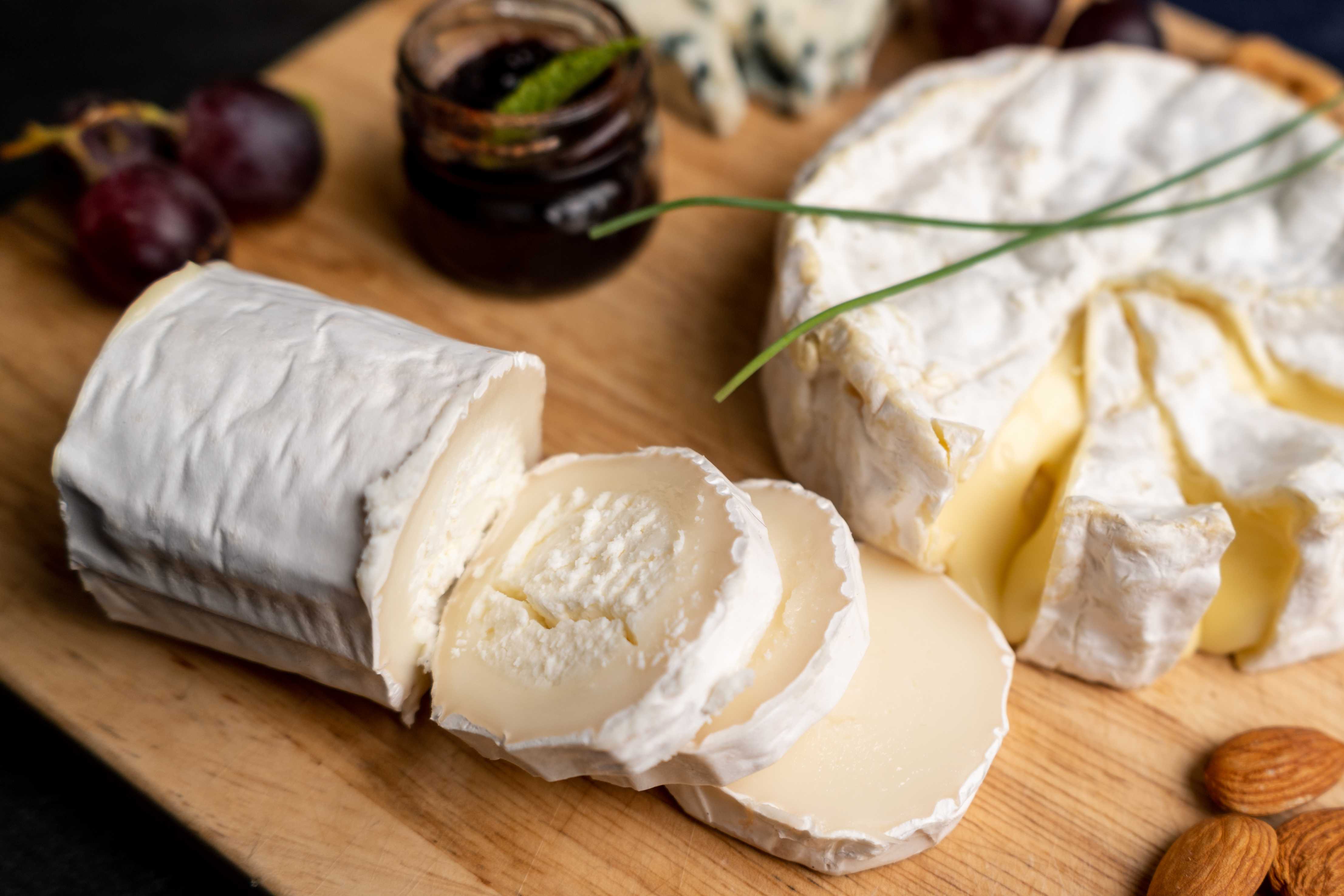
Raw milk cheeses are feted by many cheesemakers and mongers as being the ultimate way of expressing all the qualities that go into the finished product, from the grasses, feed and raising of the animals to the cheesemaking rooms and their locations.
Producing raw milk cheese, however, has become fraught with difficulty. Many French and Italian raw milk varieties are currently banned from import into the UK, and several British makers have found themselves at the mercy of EHO officers and the Food Standards Agency. Last December, Mrs Kirkham’s Lancashire Cheese was forced to pull four products from sale, despite its lab testing showing no trace of harmful pathogens.
Humphrey Errington of Errington Cheeses in Lanarkshire was similarly impacted in 2016, when Food Standards Scotland seized batches of Lanark Blue and Corra Linn. The business went on, two years later, to be cleared of any wrongdoing.
And more recently, Isle of Mull Cheese has had to shelve its popular raw milk Hebridean Blue. Brendan Reade, who leads the family’s cheesemaking operations, says, like Humphrey, he feels the business is in a no man’s land at the moment, adding that conditions for selling raw milk cheeses in Scotland (where raw milk is banned) are nigh-on impossible.
The maker’s independent commercial lab testing, he says, could not detect what was found by regulators. In fact, Hebridean Blue’s results were perfect. “But we’re in a stalemate. They can’t prove what they’ve found is dangerous but if we did distribute, EHO would take us to court.”
At the time of going to press, the Reade family were waiting on the results of a study on the cheese – a study they haven’t been privy to the details of.
It’s a very frustrating and difficult time, Brendan says, adding that he doesn’t think the regulations are clear enough when it comes to raw milk cheeses within the EHO. “And they don’t seem to understand what they’re doing. They’ve got the equipment, will find something, don’t know what it is and don’t know how to prove either way if it’s pathogenic.” It’s a practice he feels is wholly unfair to raw milk cheese producers. He adds that the transporting of cheese for testing should be taken into account as well – how it is picked up, stored and taken to labs by EHO. Currently, he says, there’s no way to prove if cross-contamination has happened once cheeses leave a cheesemaker’s premises.
For the time being, Hebridean Blue remains out of action, with the family hoping they can find a resolution soon. “There’s so much talk in the industry about terroir,” Brendan says. “That’s what we’ll lose if we have to pasteurise. It won’t be the same cheese.”
SCA board member and The Courtyard Dairy founder, Andy Swinscoe, says there have long been concerns for the future of raw milk cheeses. “It’s an area that continues to struggle,” he says, adding that part of the issue currently is there’s no premium for crafting cheeses in this way. “If you look at the new cheeses coming on board nowadays, they tend to be pasteurised, because if you make raw milk cheese in this day and age, in any way, shape or form, you’re making life slightly harder for yourself and you don’t get much return from that. You can’t charge more, but there are loads of boxes to tick, so there’s a lack of incentive.”
It’s a shame, he adds, that his counter (which once boasted 80% raw milk cheeses) is down to 50%.
That being said, the SCA continues to provide a good regulatory framework to help the producers of these cheeses. “We need to keep thinking about how we can continue to make raw milk cheese in a safe way.”
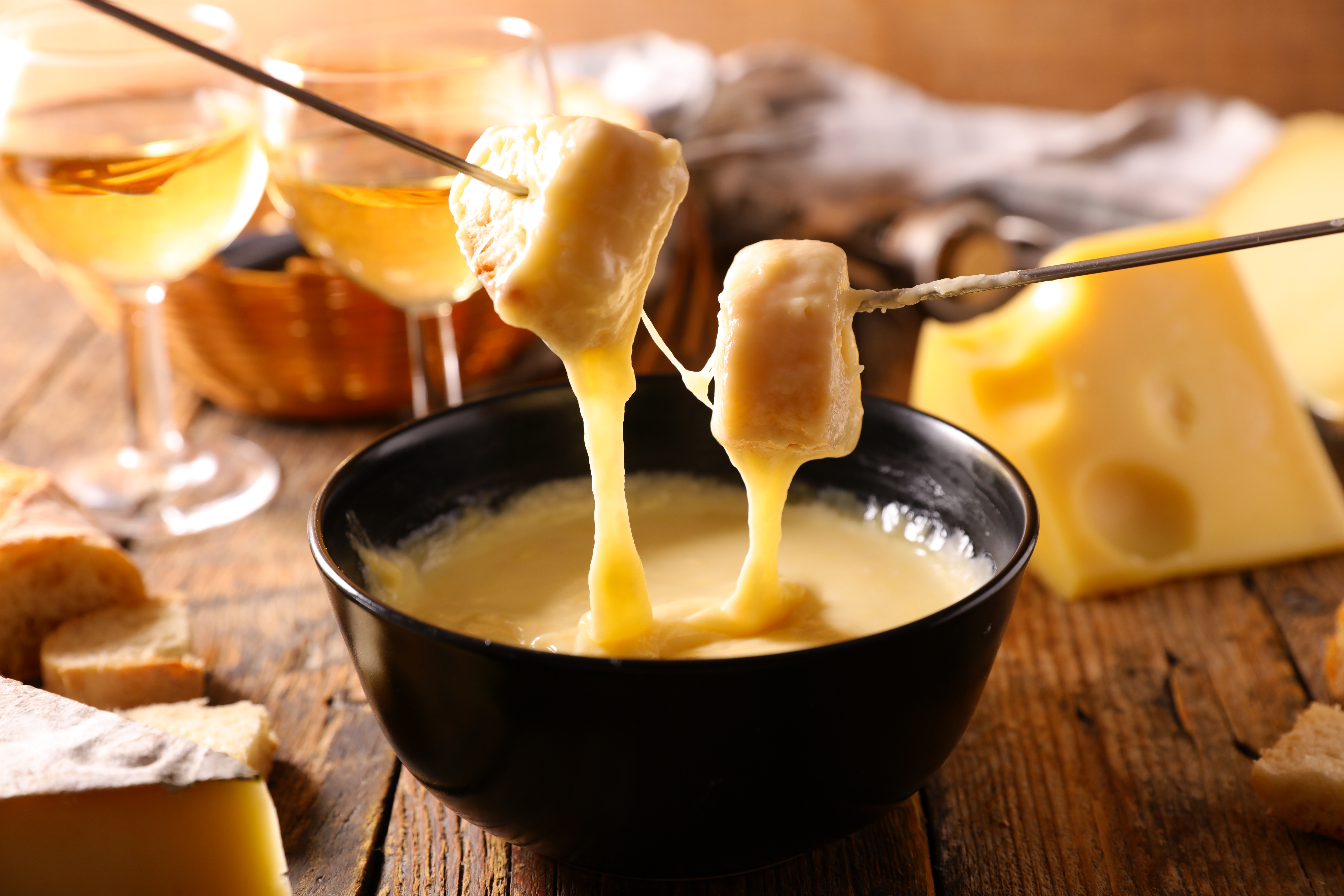
Bubbling fondues and molten Raclettes are having their moment in the spotlight as consumers continue to put cheese at the centre of dining occasions and entertaining.
“Shoppers are looking beyond familiar blocks and Cheddars, and seeking out cheeses with provenance, character and culinary flair,” says Amanda Burningham, head of cheese marketing at Emmi UK, adding that Britain’s Continental cheese market has reached an all-time high of nearly £1 billion.
Around 90% of UK consumers have now tried a hot cheese product, Amanda continues – half of them saying they’ve experienced fondue. These figures are clear signs of increasing mainstream appeal.
Emmi’s own products, Emmi Fondu and Emmi Raclette Slices, are driving growth in the hot cheese category, showing a 7% year-on-year sales increase.
Amanda has a few tips for capitalising on cooking cheese sales while interest is high.
• Tell the story of the cheese: Highlight the heritage, region, and artisanal methods behind cave aged speciality cheeses like Kaltbach, Gruyère AOP and Kaltbach Emmentaler AOP. Shoppers love understanding the origins of what they’re eating.
• Create theatre: Offer tastings or simple melted cheese demos in-store to show off the aromas, textures and versatility of hot cheese products.
• Merchandise by occasion: Position hot cheeses alongside accompaniments like crusty bread, charcuterie, pickles, and wine to inspire customers and build basket size.
• Educate through signage: Use clear POS that explains how to use and serve these cheeses, especially for Emmi Fondu or Raclette which can demystify the products and boost confidence to try them.
“Cheese buying today is about more than just flavour,” Amanda continues. “It’s about experience, storytelling and emotional connection. Retailers and brands who lean into this and help customers explore the world of Alpine and melting cheeses will be well-placed to ride the wave of this delicious trend.”
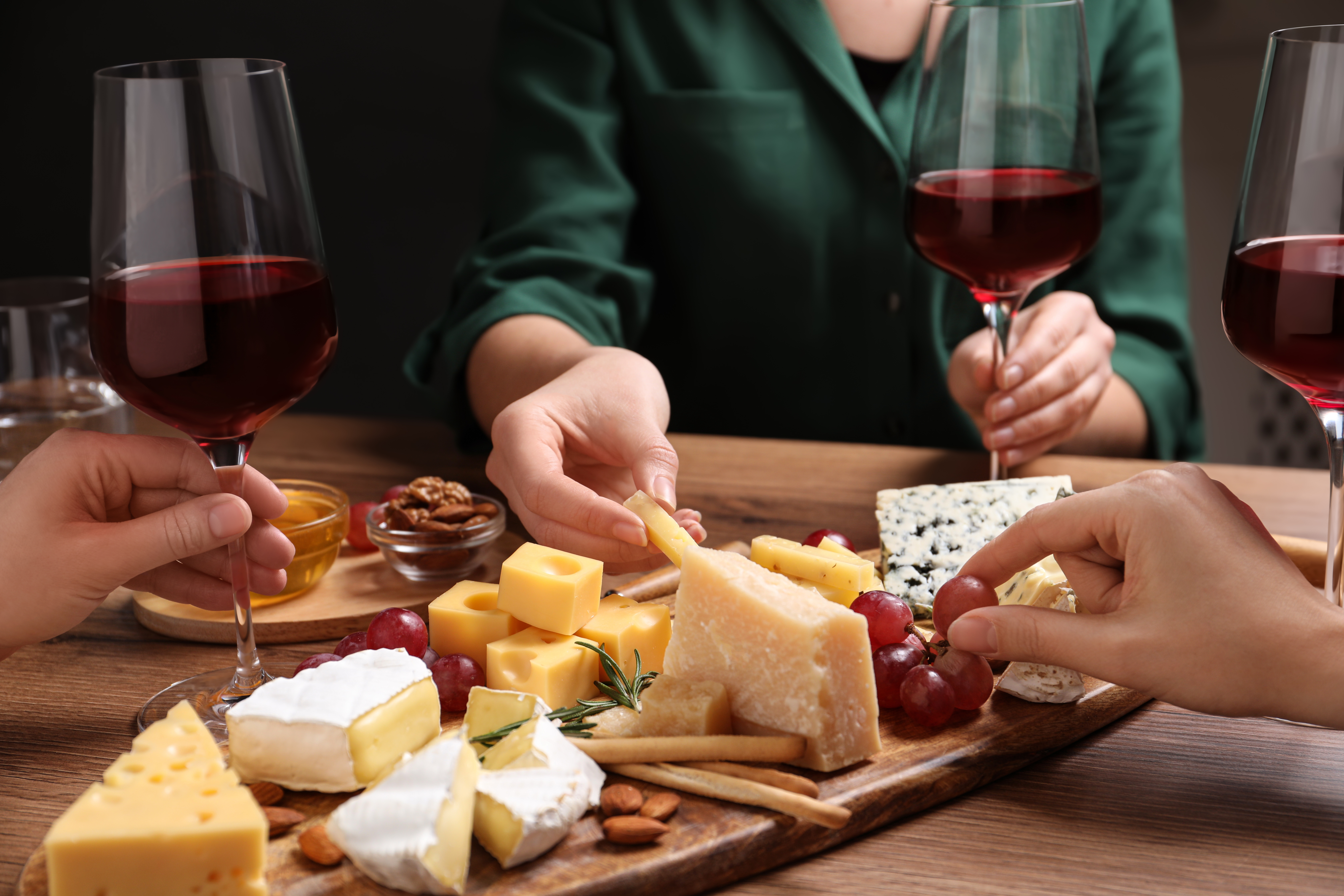
NPD in cheese is being heavily influenced by social media, and by an audience of shoppers that is becoming more and more excited by, and interested in trying, the latest flavours and formats, says Carron Lodge director Tom Rhodes.
“There’s no doubt about it, we’re starting to see Gen Z and TikTok making their way into the cheese industry. One of our fastest growing lines at the moment is scooping Gorgonzola.” Influencers are helping the cheese’s popularity by using it in myriad ways, Tom explains, such as spooning it into ice cream cones.
“It’s really quirky, and not something people are going to find in the supermarket. In the deli, it’s not about just putting it on the counter, you’ve got to think, ‘what can we do to engage our customer base?’”
Fresh cheeses are appealing to this younger market too, Tom adds. “I’m seeing a continuation of fresh, Continental styles very much being on the rise. They can be used as a starter or on a grazing board rather than a historical cheeseboard. One of our fastest growing brands is Ribblesdale. It’s traditionally a hard goats’ cheese, but there’s a new range of soft goats’ cheeses this year with incredible flavours like honey and flowers. We really worked on that recipe so that sweetness comes across, complementing the acidity of the cheese, while the flowers give it great presentation.”
These are the kinds of cheeses the next generation wants, Tom says. “They’re going towards these softer profiles and are continually looking for products that are new and innovative.”
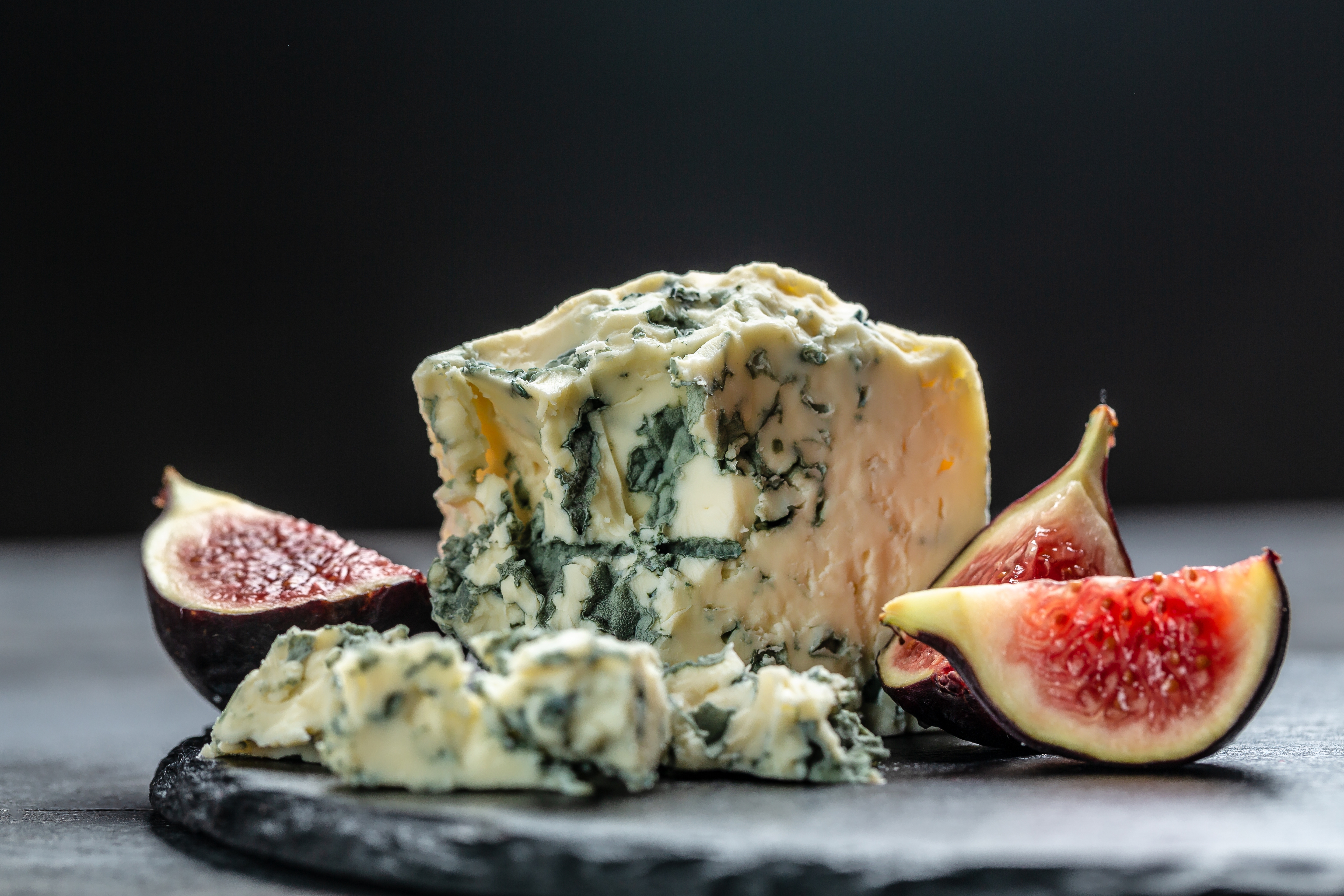
Though analysts say blue cheese sales are in decline, retailers tell Speciality Food they’re seeing a resurgence of interest in blues – especially softer varieties. And a number of new blue cheeses have launched this year in response.
Stinking Bishop maker Charles Martell has just forayed into the category, for example, having worked on the recipe for Hulla Baloo for quite some time. “A year ago, one blue cheesemaker said to me there’s too many blue cheeses around,” Charles says. “You could argue there’s too much Cheddar. I think a lot of people are going into blue cheese as they’re wanting to increase their portfolio. If somebody buys one type of their cheese and likes it, for example, they’re going to want to try others.” Single origin cheeseboards are becoming ‘a thing’ he adds – with consumers happy to buy a washed rind, Cheddar style, soft and blue, all from the same producer to contrast and compare.
Timing is another reason for the sudden surge in new makes, Charles thinks. Blue cheeses can be ready in eight to 12 weeks, giving a quicker turnaround than harder cheeses, which require around a year to mature.
Matthew Lloyd of The Rennet Works has been turning heads and winning awards with his ingenious small batch cheeses – each the work of his engineering mind. Kaleidoscope caught many judges’ eyes this year. “Rather than blueing ruling the cheese, I thought about how I could manipulate the blue to my specification and how I wanted it to look. It was about making a specific pattern, using the blueing
to create a beautifully aesthetic cheese.” The result is very labour intensive, involving making 220 individually cut curds put together in a circular pattern.
It’s this kind of ‘bonkers’ creativity and ‘newness’ that’s driving modern cheesemakers and cheese shoppers, Matthew thinks, and the future could look very blue indeed.
“Blue cheeses are ripe for exploration,” he continues, echoing Charles’ views. “The short maturation means your assets aren’t hanging about. For producers, like me, who aren’t cash rich and haven’t got the space or time to have thousands of pounds worth of milk-based products sitting on the shelf for 12 months, blues and lactic cheeses are perfect. You have that quick turnaround and can get that cash back in the bank.”
The long hot spring and summer experienced in the UK so far this year will inevitably impact the production of cheeses from pasture-fed animals. “A lot of cheesemakers, like Sparkenhoe, are starting to think about how they farm long-term,” says Andy Swinscoe of The Courtyard Dairy. “They can no longer rely on grass and methods that worked in the 60s, 70s and 80s. In farming, people are having to wake up to the fact they have to think broader and longer about what they’re doing in our ever-changing climate. This long, dry period is definitely an ongoing concern.”
NFFN (Nature Friendly Farming Network) member Florence Mannerings farms a herd of native Shorthorns at Chilton Farm in Kent’s Alkham Valley, and says the issue is a particular problem in her part of the country, where animals graze on chalk soil. “Even in very wet years we are well drained and dry. As soon as this kind of weather comes, we are bone dry instantly. This year has been harder than usual and while we try our best to plan in advance in terms of getting sileage in,” she says, “spring was late and quite cold and dry, which meant the grass didn’t grow until a bit later on than usual, and we’ve been buffer feeding hay and sileage a lot earlier than most years,” she explains.
Farms having to buy in quality feed (where they don’t grow it themselves) will inevitably push up cheese prices, but solutions are being found within the regenerative system. Florence, for example, says they’ve put a lot of land to herbal lay crops and wildflower meadow. “You get more diverse root lengths from herbal plants, and they’re more drought resistant – they do really well. We recently sileaged and yielded 96 bales from eight acres of fields. For us, this has been brilliant. We’ve put another 15 acres in this year and plan another 15 next year.”
Dependence on sileage – enough not only to maintain cows, but to boost their productivity within the dairy sphere – is an extra cost many cannot afford and won’t have anticipated in their forecasts. Could herbal lays and flower meadows, then, be the future of pasture feeding? Time will tell.
More and more ‘noise’ continues to gather around the topic of regenerative farming, which was given a huge spotlight on Amazon Prime’s Clarkson’s Farm, as Jeremy Clarkson demonstrated the movement on his land alongside Wildfarmed’s George Lamb and Andy Cato.
Public and farmer perception and knowledge of regenerative agriculture continues to grow, says Leona McDonald, sales and marketing director at First Milk – producer of the UK’s first regenerative cheese brand, Golden Hooves.
“Groundswell has had a 1,700% uplift in the last eight years, and Bath & West is putting on its second regenerative agriculture show, LandAlive this year. I think the interest is massive,” Leona says of the regenerative movement.
“Retailers are looking to support the regenerative movement too, which we’ve seen with the recent launch of our Golden Hooves Salted Butter and Mature Cheddar into Waitrose. It certainly seems that the rest will follow and that’s exciting for us and our farmers as it’s our consumer brand that exists to celebrate the incredible work that they do every day to farm with nature.”
When it comes to food security and safeguarding the production of regen dairy, Leona says regenerative techniques can lead the way. “The whole thing around soil health is just massive. That’s where it all starts after all - we need healthy soil and we need to continue to regenerate and create a sustainable and resilient food supply for the future.”
The results and impact regenerative farming methods are having already within the First Milk system are clear to see, Leona adds, saying they’re recording improvements in soil health and habitats all the time. “For us, regenerative agriculture is a way of life. We’re deeply passionate about it. We love every worm and dung beetle we can possibly get our eyes upon. But we’re learning all the time as well. We’ve had a hot summer, and we’ve learnt through that - different things we can do, such as new soil compaction techniques and different herbal lays.”
Flexibility and reactivity are what, she thinks, makes regenerative agriculture so important. “It’s a regenerative mindset. We’ve got to make sure we keep moving it forward, doing things better every time. The beauty is we can try something, hope it makes a really big difference, and if it doesn’t, we will pivot and change, but with the same goal in mind.
“In our recent survey, we found that 95% of consumers would like to see more regenerative food where they shop, so now is a really pivotal time for collaboration between retailers and brands to meet people’s needs, but also to help them better understand the real meaning behind ‘regenerative’. We have to build trust and transparency in the supply chain by showing real examples and using clear language with no greenwashing. This type of piece is perfect - the more we talk about it, the more people know or can ask.”
The Fine Cheese Co’s UK sales manager, Robert Bowden, gives his take on the British cheese industry right now
Are you noticing any trends at the moment?
We’re seeing strong demand for Alpine style cheeses such as Red Wine Farmer. People enjoy their sweet, punchy flavours and smooth textures. We are also seeing British cheeses inspired by European styles on the rise, such as Burford. Some are now even outselling the originals.
Which makers/dairies do you feel are the ones to watch?
King Stone Dairy are turning heads with its French-inspired cheeses, like their new sheep’s milk varieties Bibury and Hidcote. Fen Farm Dairy also keeps impressing, with Raedwald showing that they can do more
than Baron Bigod, for which they
are so famous.
What are the biggest issues in cheese right now?
Climate change is affecting pastures and winter feed, meaning some farmers are embracing regenerative farming to improve soil health and the resilience of pasture. Also, supermarkets’ attempts to appropriate the success of artisan producers can blur the line for consumers, so we are working closely with our cheesemakers and customers to champion small scale artisan cheese and help protect its integrity
and future.
Mouse & Grape founder Jessica Summer shares her views on cheese retailing in 2025
“I think there’s a lot of emphasis at the moment on quality,” says Mouse & Grape founder Jessica Summer. “More people are conscious of what they’re consuming, and this lends itself well to cheesemongers because we’re obviously selling the best quality and best versions of cheese we can.” As more supermarkets put stock in packaging their cheese selections in a premium way, it’s up to indies to ensure they keep that quality high, constantly refresh their selections, and engage with would-be customers on social media, Jessica adds.
In terms of trends, sales of soft cheeses such as Burrata, Mozzarella, Feta and Halloumi are growing, with more consumers heading into cheese shops and delis to find better versions of what’s available in multiples. These don’t traditionally make it onto the tasting block, but it’s worth making pairings and cooking pieces up if you have the facilities, to showcase not only their flavours, but the many ways they can be used.
Jessica has noticed (like many others) an uplift in Gen Z shoppers, who are frequently popping in to make up cheeseboards. “It’s still expensive to go out for dinner. I went to a nice but average chain restaurant recently and spent £50 on dinner. Whereas you can come into a cheese shop and spend £50 for a group of six. It’s more economical definitely, and I think people are enjoying hosting. Where I am in Northwest London isn’t the most hip and young area, but we get a lot of young parents making the journey over here.”
Gen Z and Millennial shoppers are not only concerned with taste, but with the way their cheeses (and the places they buy them) look.
“You have to make your shop Instagrammable these days,” Jessica continues. “A feature wall is a nice idea. We always make sure the shop and the cheeses are well presented and beautiful. The younger generation is all about showing the best version of themselves – having a glass of rosé on Friday afternoon with a plate of lovely cheese. Think of your shop as a background. The choice of music is important too. One of our team members, who’s only 19, loves music and is always making us playlists – music people would recognise but with a younger twist. It gives our shop a fun atmosphere. If your cheese room is dry and uninviting people won’t want to come in.”