- Emilia’s restaurants were founded with a mission to serve authentic, beautifully made pasta at affordable prices. Now its retail arm brings that joy to an even wider customer base

From twists of Casarecce that cling onto sauce beautifully, to sturdy tubes of Rigatoni made for hearty dishes like a classic ragù, there’s nothing quite like a good bowl of pasta. It’s simple food, done properly – and behind that simplicity sit generations of craft, knowledge and care.
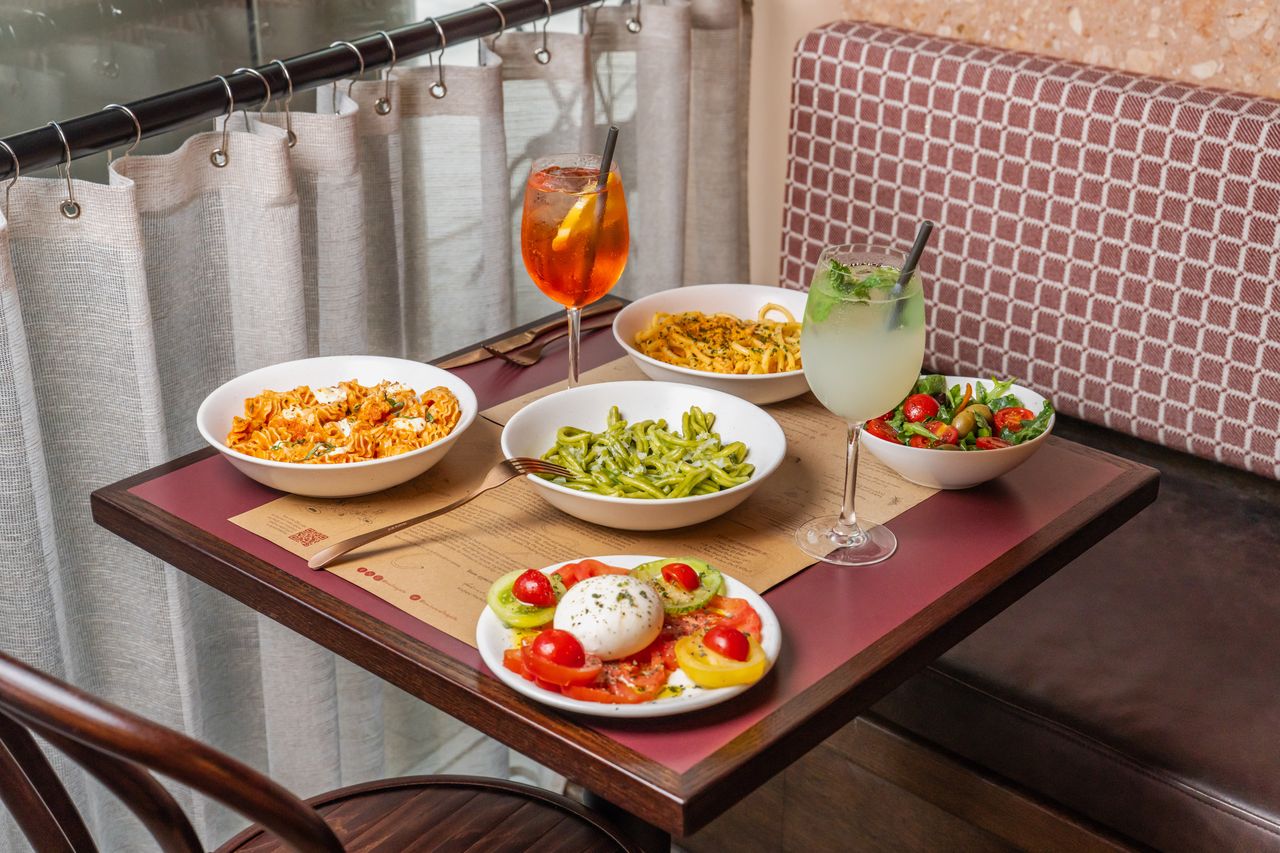
Emilia’s Crafted Pasta was founded on this – and on the struggles of Emilia’s founder, Andrew Macleod, to find perfectly made fresh pasta beyond the fanciest London eateries. The first Emilia’s restaurant, opened in 2016 in St Katherine Docks, aimed to rectify this with a clear mission in mind: to craft fresh, handmade pasta in-house every morning, and to serve it to diners at an affordable price.
“Pasta was either positioned at the premium end in formal restaurants or a microwaved meal that lacked authenticity,” says Andrew. “Emilia’s was created to champion craftsmanship without pretence – combining traditional Italian techniques with accessibility, and filling a gap in the market for casual, high-quality, freshly made pasta in a warm, welcoming setting.”
The home of pasta
Andrew’s love of pasta, and his deep respect for the art of pasta making, was sealed when he spent time travelling across Italy, learning about the deep-rooted traditions surrounding pasta, the craft of making it fresh each day and the simplicity and integrity of the ingredients.
That same respect for doing things properly sits behind Emilia’s Retail Pasta. The dried pasta range is crafted in Gragnano, a small town near Naples, just off the Amalfi coast. Pasta made here is often called the “white gold of Gragnano” – a nod to the value and pride Italians place on pasta made in this unique place. The mountain air, coastal humidity and clear spring water create the perfect conditions for slow drying, helping the pasta keep its flavour and texture in a way that faster, industrial methods simply can’t match.
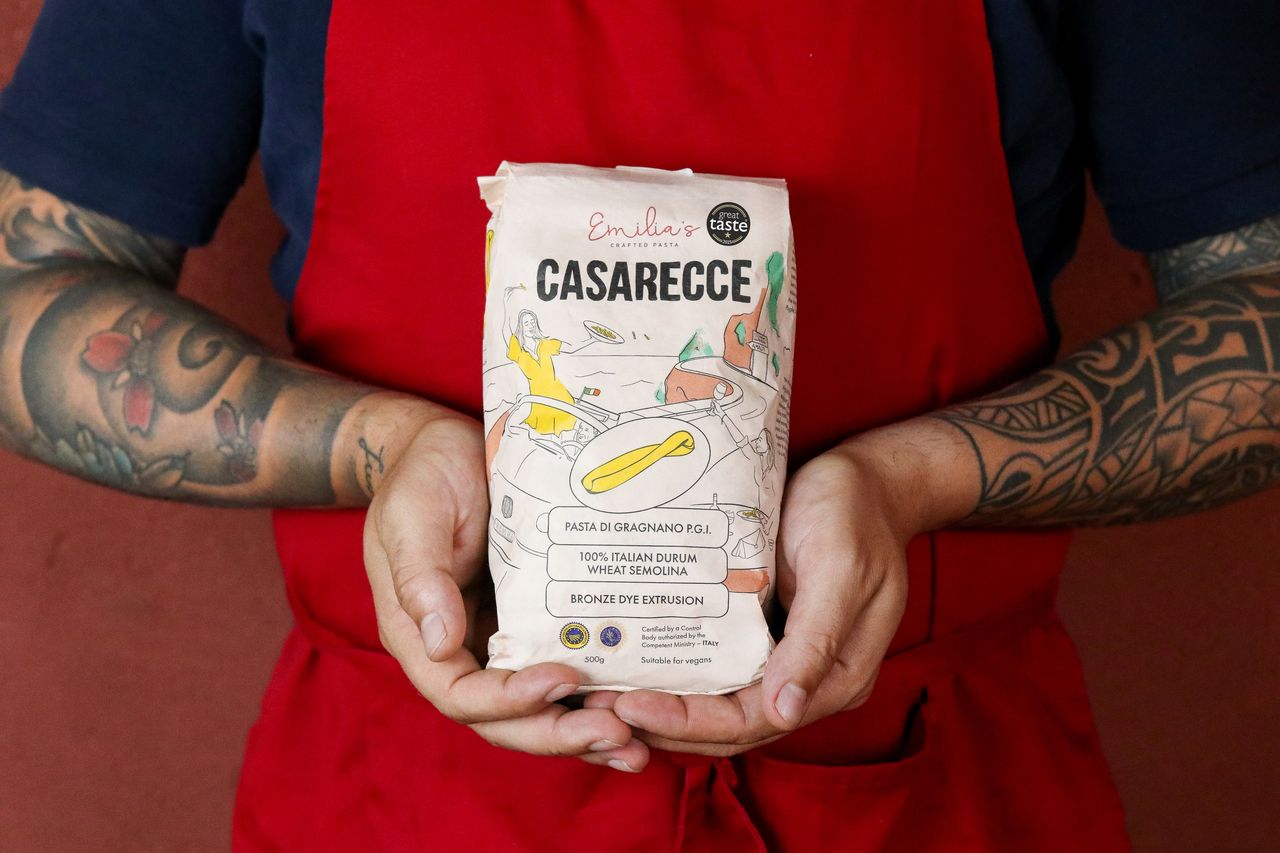
“Our retail pasta range is built on the same values that underpin our restaurants: craftsmanship, provenance and respect for Italian regional tradition,” says Becky Gill, Emilia’s national account manager. “Gragnano is globally revered for a reason. Pasta from Gragnano is traditionally made using bronze dies, which give it a rough, porous surface. That texture is what allows sauces to cling beautifully to the pasta, delivering a fuller, more cohesive eating experience.”
Emilia’s retail range is PGI (Protected Geographical Indication) certified, guaranteeing that it’s made in Gragnano using recognised traditional methods and that it meets specific quality standards.
The wheat is 100% Italian, the water comes from the Mount Lattari Spring and the dough is extruded through bronze dies, creating a rougher, textured surface that even the silkiest of sauces can cling to. The pasta is then dried slowly at low temperatures. The overall result? Pasta that holds its shape, cooks evenly and has a natural, satisfying bite – qualities often lost in mass-produced pasta, typically dried quickly at high temperatures and cut to a smooth, too-glossy finish with Teflon dies.
“For us, PGI status isn’t just a badge – it’s a promise of provenance, traceability and craftsmanship,” adds Becky. “It protects the heritage of Gragnano pasta making, reassures retailers and consumers that they are buying the real thing, and ensures that the product in the bag genuinely reflects the region and techniques that inspired Emilia’s from the very beginning.
“This is what sets it apart from the average commodity pasta found on supermarket shelves – it’s a craft product designed to deliver restaurant-quality results at home.”
The shape of quality
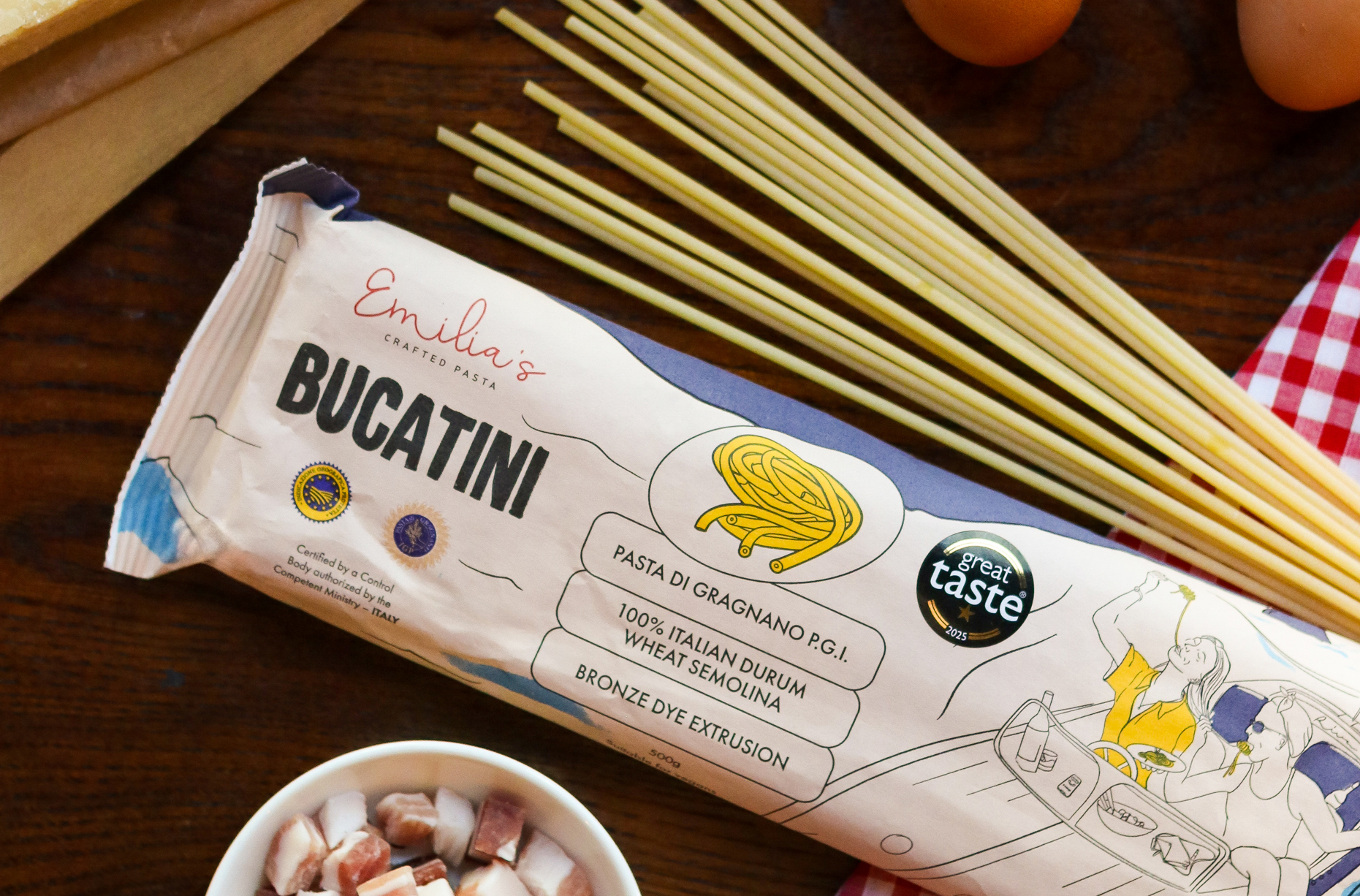
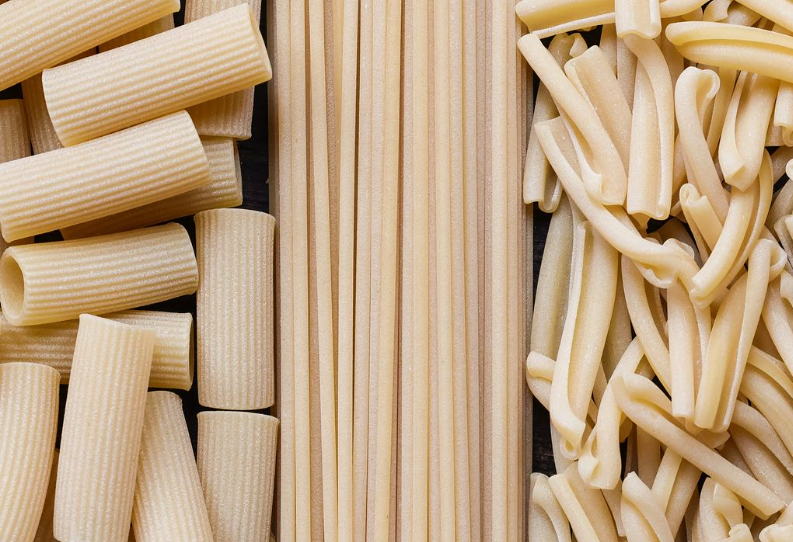
The range consists of three carefully selected shapes that offer something different – and truly special – to consumers. Casarecce, short twists of pasta with an open curl, are perfect with pesto and vegetable-based sauces, with contours and folds that hug the sauce rather than let pieces gather in the bottom of the bowl.
Bucatini, on the other hand, is a thicker spaghetti like long pasta shape with a hole going through the middle of it, ideal for tomato-based sauces like the classic Amatriciana – traditionally laced with cured pork cheek or guanciale – or silky recipes like cacio e pepe, as the hollow centre allows sauce to flow inside. Lastly, and more familiar to many shoppers, is Rigatoni, whose short, ridged tube shape stands up to baked dishes and chunkier sauces like ragù.
“Across the range, our aim was to move beyond everyday familiar shapes and instead offer pasta that feels chef-led and experience-driven – shapes that genuinely transform the way sauces behave and elevate home cooking without complicating it,” says Becky.
Everyday luxuries at home
Emilia’s Pasta was created to help home cooks elevate their meals with better, more authentic ingredients, with a range of recipe cards provided to retailers for further inspiration.
Becky believes it’s part of a broader trend towards better quality ‘basics’. “Over the past few years, we’ve seen a clear shift in the way consumers think about everyday staples like pasta. They’re cooking at home more, they’re more informed about provenance, and they want the food they buy to feel worth eating - not just functional.
“We’re also seeing a move away from ‘premium for premium’s sake’ and toward value through quality. Shoppers are willing to pay a little more for products that genuinely deliver better taste, simpler ingredient lists and real craft behind them, especially if they still represent good everyday affordability. Pasta is a great example: consumers are realising that the difference between commodity pasta and traditionally made pasta is not just branding – it’s texture, flavour, digestibility and how well it performs in the pan.”
In a world where storytelling is key, people also want to know who made the food they’re buying, where it comes from and why it’s different or special. Emilia’s Pasta proves that this can apply even to products that have previously been seen as functional cupboard fillers – encouraging consumers to spend more on complementary staples, too.
“We don’t just want to sit on shelf,” adds Becky. “We want to help create engaging pasta destinations that inspire shoppers and drive basket spend.”
Click here for more information on the range.
Click here