Free digital copy
Get Speciality Food magazine delivered to your inbox FREE
Get your free copy

Italian food is as etched into the British psyche as fish and chips, scones and steak and ale pie.
According to data from Yougov, 37% of UK families tuck into Italian fare each week. There’s the now ubiquitous ‘pizza night’, of course. And our propensity to fill midweek evenings with our take on lasagne, ragus and Bologneses or antipasti platters adorned with cured meats, cheeses and grilled vegetables. More recently the unctuous, creamy joy that is Burrata has struck a chord with British consumers, taking a starring role at the dinner (or lunch) table, alongside pots of luxurious scooping Gorgonzola.
One thing is clear across the board – shoppers in speciality settings, from farm shops and delis, to food halls and cheesemongers, have an expectation they will find the very best expressions of these ingredients.
Bronze die cut pasta with a surface that soaks up cooking juices and sauces. Authentic cured meats, made to time-honoured traditional methods. Tins of sweet tomatoes grown in volcanic soil.
So treasured has the zeitgeist of Italian food and drink become globally, that UNESCO recently recognised it as the first cuisine of Intangible Cultural Heritage of Humanity.
In a nutshell, UNESCO has delivered its verdict on Italian cooking and cuisine, paying ode to its unique cultural and social links; the fact it fosters an intimacy with food, respect for ingredients, and shared moments across generations.
“It is a means of connecting with family and the community,” UNESCO says. “Whether at home, in schools or through festivals, ceremonies and social gatherings.”
Passing recipes down through families, and enjoying them together, is a way of caring for ourselves and others, discovering and maintaining cultural roots, and safeguarding cultural expressions such as language and gestures, while promoting social inclusion, UNESCO continues.
Sally Assinder of Garofalo says she sees the decision as an acknowledgment of traditional production methods, regional specialities, and the values that underpin Italian food culture.
“It reinforces the long-term value of provenance, authenticity, and protected designations within Italian ranges,” she continues.
Winette Winston, CEO of Origin Brands (owner of Seggiano), says Italian food heritage thrives in its regions and is as much about how and where ingredients are grown and food is made, as what the final recipe is.
“This is a culture of producers who work with purpose, passing down cherished methods through generations, rather than rushing towards shortcuts. UNESCO’s recognition affirms the value of protecting traditions that are deeply tied to landscape and community.”
Naturally the announcement has become a source of pride for Italian chefs and cooks. Somaia Hammah, head chef of London’s Nipotina, says, “This recognition validates what Italian families and chefs have always known – our food carries stories, traditions and a way of life passed down through generations. It’s beautiful to see that honoured on a global level.”
While Andrea Asciutti, founder of 081 Pizzeria, says, “Food is literally everything to us. It’s the heart of our culture, our identity, and it’s like our love language. Honestly, 90% of life in Italy revolves around food, and the rest is just waiting for the next meal.”
“Italian cuisine has always been deeply tied to everyday life - not just restaurants, but homes, families and communities,” says Paolo Rubbo, operations manager of London’s Via Emilia by Food Roots.
“UNESCO’s recognition acknowledges that food in Italy is a living cultural practice, shaped by history, geography, and the transmission of knowledge overtime.
“One of Italy’s greatest strengths is its extraordinary regional diversity. Each region, often each town, has its own dishes, techniques, and ingredients shaped by local climate, history, and culture. From the butter and filled pastas of the North, to the olive oil, vegetables, and seafood of the south, Italian cuisine is not one cuisine but many. This diversity, combined with strong traditions of passing recipes and food culture from one generation to the next, makes Italian food a unique cultural heritage rather than just a national style of cooking.”
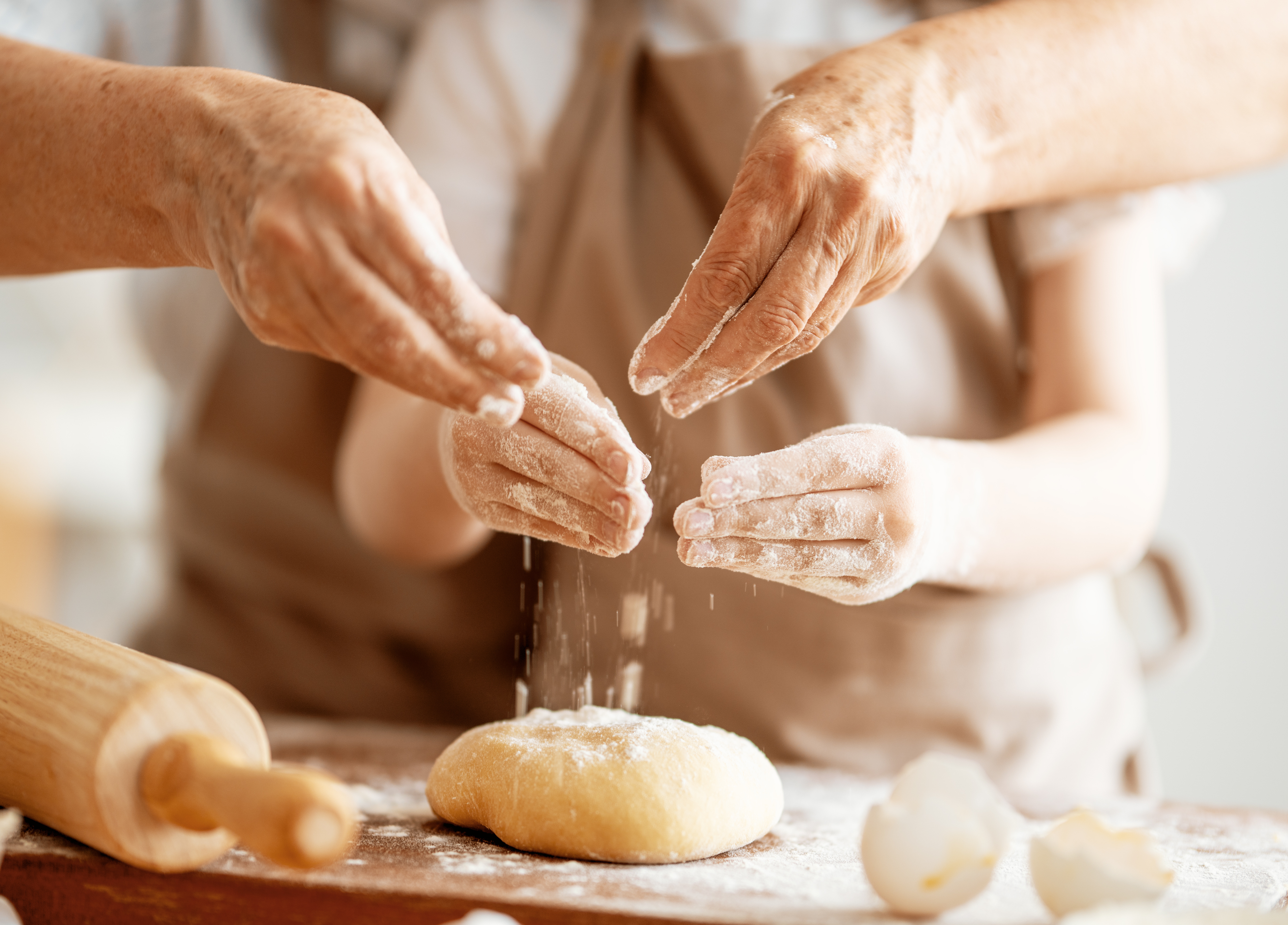
For Somaia, the answer to this is simple. Italian food is both honest, and emotional, and it’s built on simplicity, seasonality and care. “You don’t need complicated techniques to enjoy it; just good ingredients treated with respect. It reminds people of home, even if they’re not Italian.”
Sally agrees that its familiarity and simplicity that’s behind the success of Italian cuisine. “It’s built around recognisable ingredients that offer both comfort and indulgence. Whether it’s a family pasta dish or a celebratory meal, Italian food feels inclusive and adaptable.”
It’s provenance that sways clout in Winette’s opinion. “Today’s customer doesn’t simply want to know if something is organic - they are even more curious, and yearn to be educated about how it was grown, who made it, and why it matters. Provenance and process are becoming significant priorities in consumers’ lives. Italian food, when done properly, teaches us as much as it feeds us.” When brands are honest and detailed, Winette adds, customers feel a strong connection to their food and all it nourishes.
In addition to Italy’s biodiversity and ingrained culinary regionality, Roberto says he’s convinced much of the credit for the enduring appeal of Italian food can be given to the way the country’s cooks and chefs interpret ingredients and deliver hospitality. “For an Italian, a well-laid table means family, friends and serenity, and this makes all the difference in how we interpret food.”
“We are seeing increasing demand for speciality shapes and premium credentials such as Pasta di Gragnano IGP status as consumers trade up and seek products that deliver both quality and authenticity,” reveals Sally.
At Seggiano, says Winette, they’re seeing momentum for niche, story-rich products, like their new torrone, handmade in Sicily by a confectioner called Mario. “He took over the family workshop at just 15, after his father passed away. Though he experimented with modern machinery, he found the flavour suffered – so he returned to the traditional method his father taught him. Over time, he partnered with a local engineer to refine the stirring process, improving consistency without sacrificing quality. Products like these succeed because they’re grounded in skill, story and cultural context.”
Seggiano is also seeing growth in dietary-friendly Italian staples. It recently launched an expanded gluten free range including pasta shapes made from chickpea, teff, rice and quinoa. “Crucially, these aren’t ‘alternatives’ as we’d typically think of them. They’re made in Italy by producers who craft food they’d serve on their own tables. This is a distinction that matters to our customers,” says Winette.
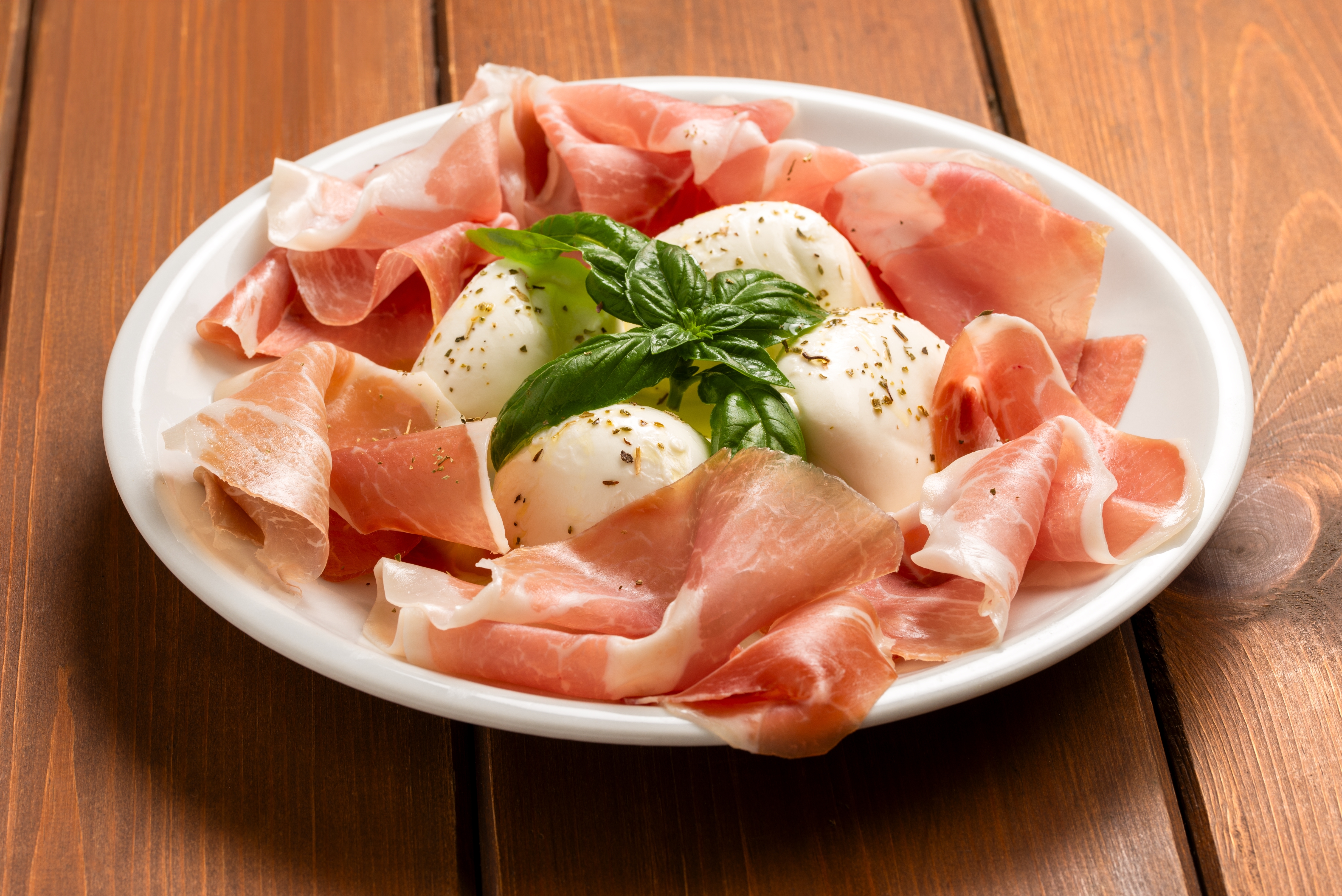
There are hundreds, potentially thousands of little-known Italian dishes to be discovered, says Roberto. “Because the cuisine is not just regional, but actually municipal. That is, in every municipality of the same region there are different interpretations. I’m thinking of Ligurian cappon magro, Piedmontese finanziera, or Sicilian cous cous, as well as sheep in Sardinia or ribollita in Milan.”
“Many regional dishes remain underrepresented outside Italy,” says Paolo. “Coming from Emilia-Romagna, examples include gnocco fritto, traditional fresh pasta shapes that rarely travel beyond their region, and the broader culinary use of Parmigiano Reggiano beyond simply grating it over pasta. Even products like traditional Lambrusco or long-aged balsamic vinegar from Modena are often misunderstood, despite their deep cultural importance and craftsmanship.”
His customers are most frequently drawn, he says to dishes that feel comforting and genuine.
“Our roots are in Puglia,” begins Giuseppe Miggiano, owner of Casa Tua in Camden. “in Nociglia, a very small village and Palermo in Sicily, learning to cook by helping our parents in the kitchen, from nonna to grandchildren, and our chef is from Rome, so we’re influenced by very different traditions. Southern Italian cuisine is full of humble dishes made with vegetables, legumes, wild herbs, ancient grains. Dishes like orecchiette alle cime di rapa speak about simplicity and respect for ingredients. Fresh pasta made by hand, the way it’s still done at home. Proper Sicilian arancini, made with patience and care, not rushed. And Roman carbonara, connected to our chef’s roots, no cream, just the right balance of heat, pasta water and cheese. These are not just dishes, they’re stories of place, family and tradition passed down generation after generation.”
There are many gems, agrees Somaia, including Puglia’s ciceri e tria, where pasta is boiled and fried, or Sicily’s sweet and sour caponata. “Ingredients like colatura di alici, bottarga, or simple bitter greens such as cime di rapa deserve more attention. These are flavours that truly represent the soul of Italy.”
“It remains one of the most reliable and well-known categories,” reveals Sally, who advises focusing on premium-led ranges that are not widely available in supermarkets, supported by clear usage occasions and consumer education.
In a crowded market, perspective is just as powerful as your product, thinks Winette, saying customers crave context, and Italian food brings context by the plateful – tied to region, process and values.
“Retailers are more than stockists,” she adds. “They’re curators. Your role as a brand is to give them something worth curating. Our advice is to stay loyal to producers who go slow, even when speed is easier, choose clarity and transparency over trend chasing, back products with real integrity, and to understand the future of food retail isn’t about being everywhere. It’s about showing up with intention – and standing for something real.”
Pasta: Preferably bronze die cut, from an artisan maker. Organic varieties are striking a chord with consumers, as are pastas with the Gragnano PGI. Look also for premium pastas made with alternative grains, or high-protein ingredients such as lentils or pulses.
Extra virgin olive oil: Or EVOO is it’s more commonly being coined. Choose cold-pressed, single estate oils where you can, from smaller manufacturers. Those that use a single varietal, or that publish their polyphenol counts, are being sought out more frequently.
Tinned tomatoes: San Marzano tomatoes have a sweeter, richer flavour that requires little more than a spritz of olive oil and dash of salt for an instant sauce, requiring hardly any intervention from home cooks to make a meal. Consumers who’ve invested in pasta making machines and pizza ovens are adding these kinds of products to their cupboards so they can faithfully replicate what they’re tried on holidays or at their local Italian restaurant.
Balsamic vinegar: Like olive oil, consumers are looking for something much better than what their supermarket can deliver – often thin, acidic and uninteresting. Buy balsamic vinegar from Modena – the more aged the better – seeking out PGI/PDO claims on the label, and paying attention to the density. A higher level of density is an indicator of quality and flavour.
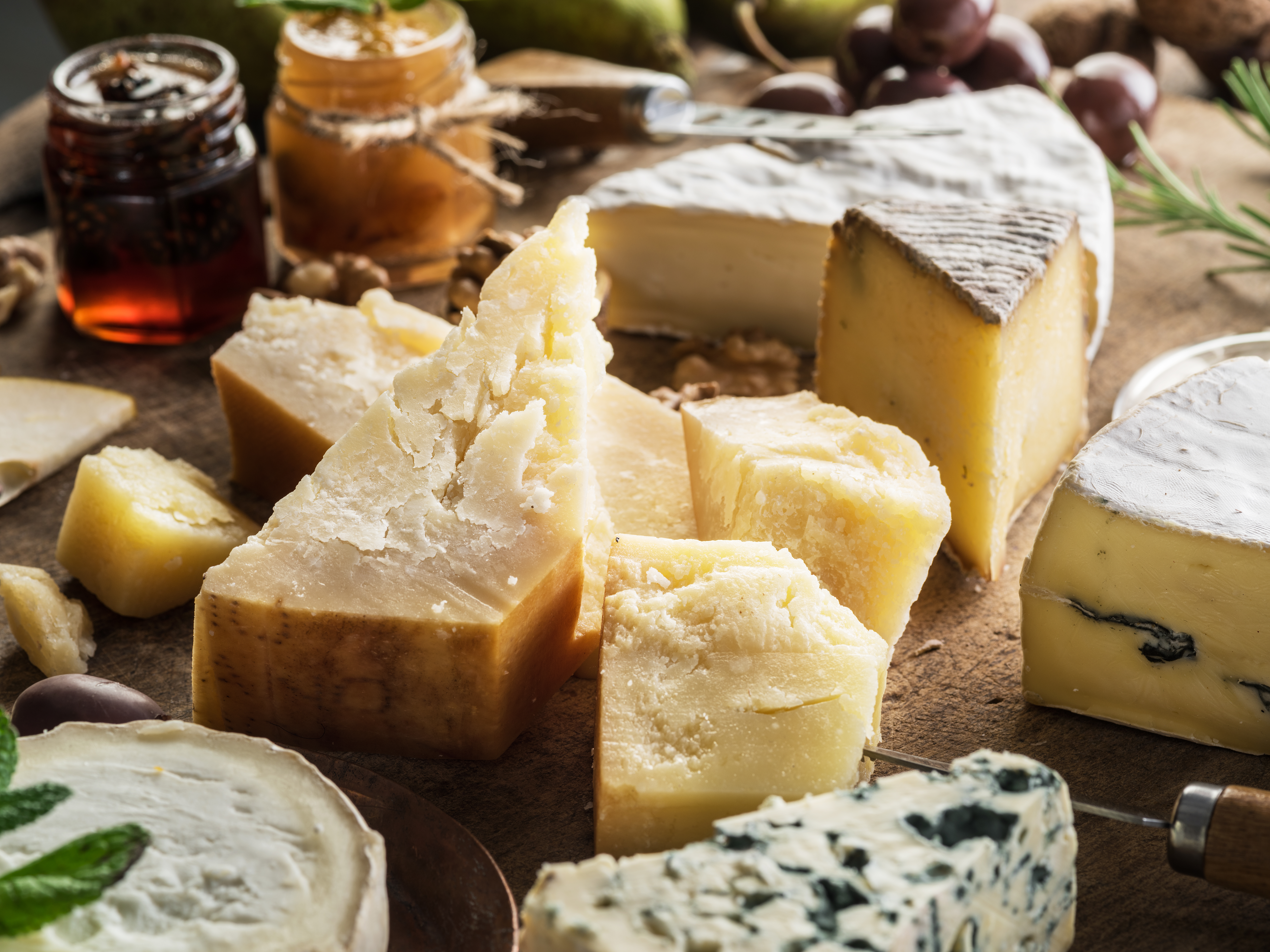
Parmigiano Reggiano: Considered a ‘superfood’ by Italians, this is an absolute staple, eaten young as part of an antipasti plate, or aged to 30-36 months (sometimes more) and used as a ‘seasoning’, bringing umami depth to pasta, risotto, gnocchi and more. True Parmesan will carry the sign of the Consorzio del Formaggio Parmigiano-Reggiano, and a PDO stamp.
Mozzarella and burrata: Like tinned tomatoes, shoppers trying to recreate pizzas at home are looking for the very best mozzarella – ideally made using protein-rich buffalo milk. Burrata sales continue to soar, with the cheese being positioned more and more as a starter option in restaurants – something the modern diner wants to explore and recreate at home.
Gorgonzola: One of the world’s oldest cheeses, with enduring appeal, as cheesemongers continue to report strong and growing sales at the counter, particularly for the softer, scooping Gorgonzola. It’s a must-have.
Pesto: This has become a kitchen staple for many British shoppers, but they’re being much more discerning today, looking especially for authentic Genovese pesto, and scanning ingredient lists to ensure what they buy is made with real basil, real Parmesan, and good olive oil, rather than (as we increasingly see) rapeseed or sunflower oil.
Pasta sauce: The ultimate quick fix for a lazy supper. You can’t beat a bowl of pasta and sauce – ready in mere minutes. Again, like pesto, there is an expectation for food halls, farm shops and delis to source premium, delicious varieties – made with good ingredients, and with minimal processing.
Antipasti: Stock up on jars of charred peppers, grilled aubergines, sundried tomatoes, olives and artichoke hearts. All of which can be pulled together into an easy-to-assemble lunch or dinner.
Panettone: Come Christmas time, all eyes will be on these Italian beauties. Part of their appeal, naturally, is the packaging – so choosing stock that looks good (whether that be in a tin or card and paper) is crucial. With UPFs continually on their mind, consumers WILL be checking the label, so choose reputable, traditional makers who use natural leavening agents, real eggs, good flour and natural inclusions.
Cured meats: No deli counter is complete without the Italian essentials – a good Parma ham, Milano salami, and Finocchiona salami. The soft, spicy spreadable salami, nduja, has joined these as a consumer top choice. Speak to your suppliers about introducing Italian muscle cut or salami specials too.