Free digital copy
Get Speciality Food magazine delivered to your inbox FREE
Get your free copy

Baked products are a cornerstone of life. For centuries tables have been centred around loaves which have formed the foundation of meals across cultures and continents; even social connection is referred to as ‘breaking bread’. The artistry of a sourdough or perfectly laminated pastry is often lauded both on the ground and in the social media ether, yet while inspirational skills are always present in brilliantly baked goods, the UK can learn a lot from the culture honed over centuries of baking mastery that Europe is famed for.
The home of much-adored focaccia, croissants and plenty of PDO and PGI baked goods has long been renowned for its delicious combination of skill and respect for the artistry of baking. In fact, as Simon Atkins, consultant to the EU’s More Than Only Food & Drink campaign, explains, the skills required to be a professional baker are held in such high regard that you need to have acquired qualifications before you can open an establishment. “In Germany, you are required to hold a Meisterbrief qualification (a Master Craftsman’s diploma) to own an artisanal bakery, and bakery is a regulated craft by the German government,” he says. “The usual pathway would be from apprentice baker to journeyman baker, then to master craftsman.”
He continues, “To run a Boulangerie Artisanale in France, you must have in your senior team someone who has a CAP Boulanger (Certificate of Professional Aptitude in Baking) or have at least three years of experience in baking.” Making it official goes beyond paperwork into skills and services, he says. “To call your business a boulangerie you must knead, ferment, shape and bake the bread yourself and carry out all of the production steps on the site it is sold. You cannot use frozen bread or dough! A high-end baker is held in the same regard as a high-end chef.”
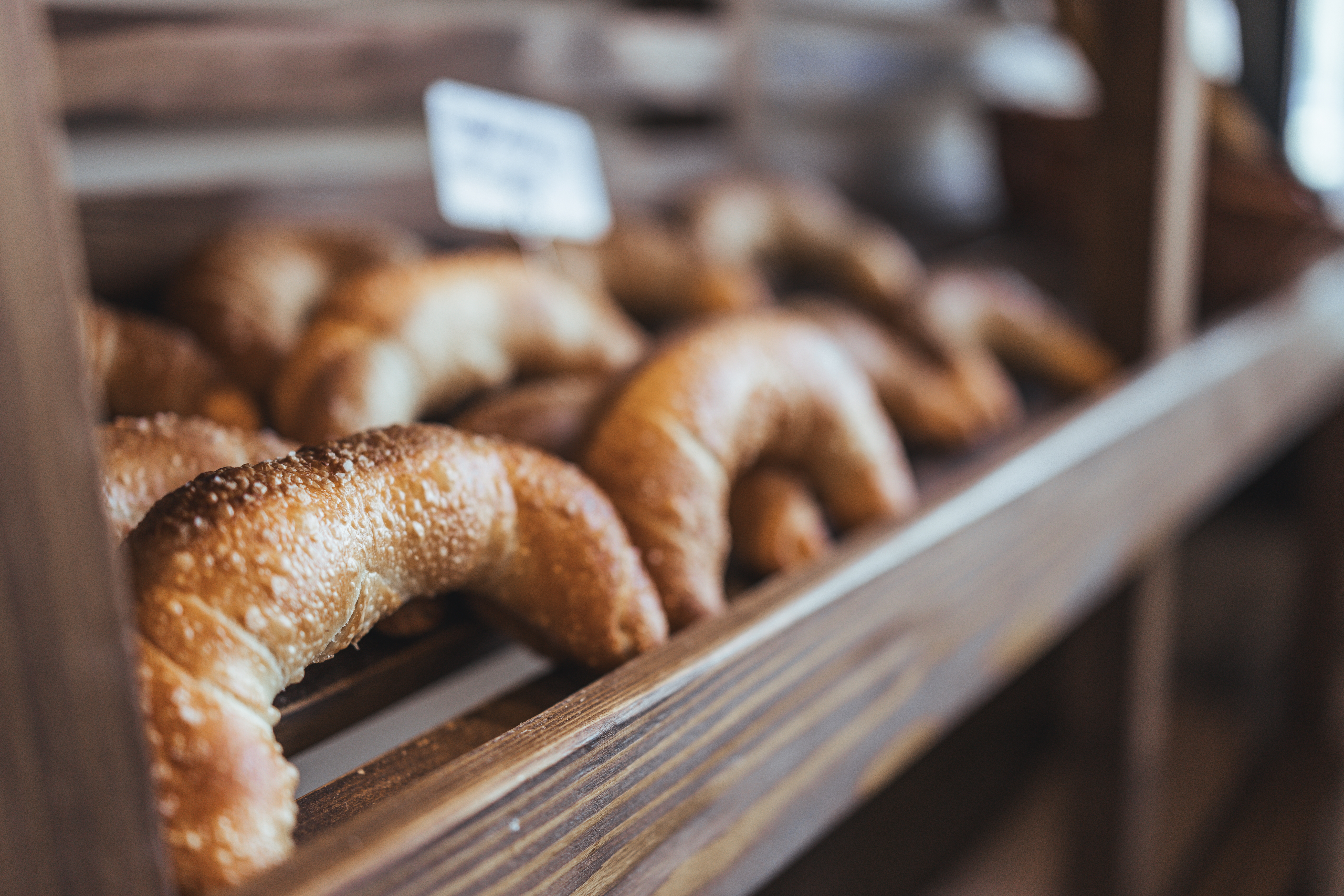
Craft bakeries run by passionate craftsman are rising up across the UK, feeding the demand for beautiful bakes – often aided by attractive imagery on social media accounts, which can turn a bakery into a destination overnight – but we are not yet on a par with Europe, which despite its high entrance bar sees quality bread, pastries and other baked goods as a simple, staple, way of life while Brits still often consider them an occasional indulgence.
Felix Stenhouse, owner of Outpost Bakery, believes that the difference in attitude towards a nations’ heritage foods is what amplifies the consumer desire to spend more – or less – on a baked good. “In Europe there are countless foods which consumers are rightly proud of, meaning that food is part of their cultural identity, but I don’t believe we have that so much in the UK. If you are selling a better-quality version of something they can easily get hold of for cheaper elsewhere they will see what we do as a luxury, whereas when a food is part of a culture it is a necessity and worth spending money on”
“Europeans perceive the craft of baking more positively than us,” agrees Karen Dear, CEO of the Craft Bakers Association. “They are very much ahead of us in terms of how food is viewed and given a high status in society. We can certainly take inspiration from the Continent, but there is a change happening in the UK – there is a growing call for our type of industry, and I can’t see that going away.”
Education is key, and this begins in the home and then into formal education in schools. “In the UK it is not always recognised how much skill goes into baking,” says Karen, “and it’s a key part of our role at the Craft Bakers Association to raise awareness of that, but I do believe that if people are given the choice many would choose to support their local baker because they are selling great products and offering valuable community connection. And once people are in the habit of buying baked goods locally, they tend to stick to it.”
The younger generations also offer hope to craft bakeries, she says. “There is a shift in mindset and it’s all about eating healthier, living better and supporting your butcher, baker and greengrocer. They are willing to pay more for a genuinely good product and support their community in doing so and are very conscious of the role they play.”
While prices remain high across the board in the UK, Europe and beyond, European customers are becoming increasingly discerning when it comes to baked goods. “If they have to pay top dollar for a product, they want it to be worth top dollar,” says Simon. European shoppers are facing the same economic pressures as those in Britain, and quality - for example, via premium ingredients - plays a large part in their purchasing decisions.
“In the UK there is undoubtedly an appetite for food that is made ‘out the back’ – there’s been no multinational ingredients companies or lorries involved in its production, just high quality flour, water and yeast brought together by a skilled craftsman in a room just hidden from view,” Karen says. “British people understand that when they shop in a small-scale bakery, that is what they are going to get – it is good for them, there is very little packaging, and it was made by a real person.”
Fine food retailers will be familiar with the concept of Protected Food Names – and the inherent value of the products which hold them – and Europe is home to a number of baked goods which have stood the quality test of time for generations, as well as consumers who appreciate and understand their value. Simon shares some examples: “Pane Toscano PDO has all ingredients and production from within a defined geographical area within Tuscany, Italy. Similarly, from Sicily, Pagnotta del Dittaino PDO is made from locally grown durum wheat and is known to stay fresh for several days.
“Pan de Alfacar PGI has only one of its production processes within the defined area, Fogaça da Feira PGI from Portugal is a sweet bread shaped to look like a castle, and Dresdner Christstollen PGI is a rich fruit, nut bread infused with spices from the Saxony region in Germany.”
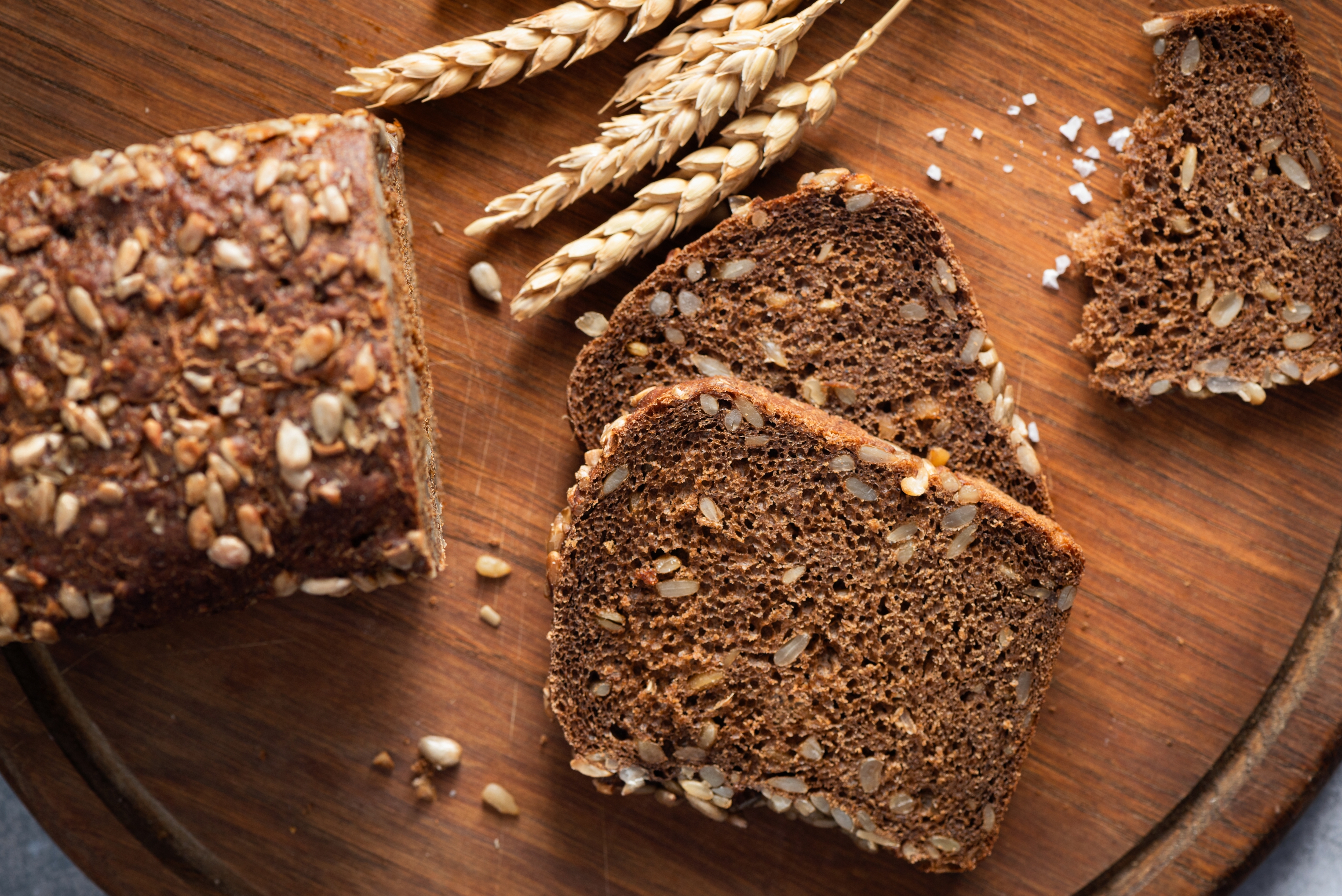
Indeed, many traditional baked goods from the EU are feeding the desire for better-for-you products by containing short ingredients lists of high-quality products, often including ancient grains and naturally occurring high levels of protein, fibre and other nutritional credentials. “Even major bakeries are tapping into this demand, for example for traditional dark rye breads,” says Simon, “and shoppers are hungry for bakes that taste how they used to.”
Dark rye, with its distinctive rich flavour, is a classic taste of Europe, including Germany and the Nordic countries, while Spanish Cristal bread is winning fans across the Channel – Marks & Spencer has launched it into their tapas range, such is the widespread demand for authentic European bakes.
Sourdough, says Simon, is an interesting example as while demand is undoubtedly growing across the UK, recipes and methods are all too often bastardised to create a product that can be sold as premium without the investment that goes into making true sourdough.
British retailers can take inspiration from the bread selections at their European counterparts, he says. “The range that in-store bakeries have is amazing, from the gnarliest ryes to much lighter ones, and rows of white crusty breads.”
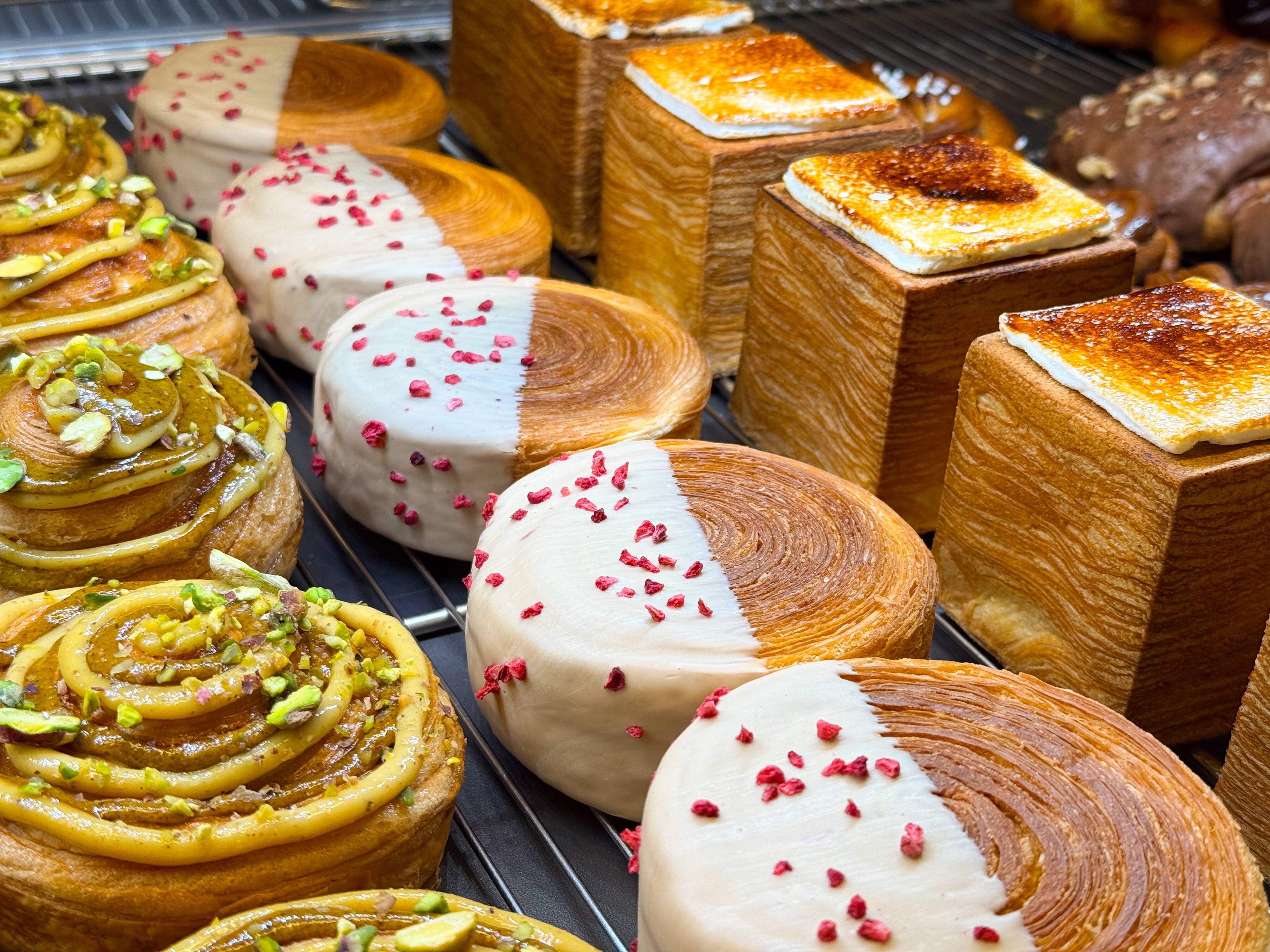
Innovation is also omnipresent, Simon continues. “Similarly to London, and particularly in places like Paris and Copenhagen, you get lots of bakeries which are more like laboratories than bakeries that are really pushing boundaries – you’re unlikely to find a sourdough in these places, but they’re in competition with each other in terms of who can create the most layers of lamination, and who can create the crispiest pastry. What they create is like works of art and really draws the crowds… Customers may consist of lots of tourists mainly after a photo to demonstrate that they’ve been to this trendy new place, but it works and helps promote the artistry of baking.”
There is a lot of vision and innovation across Europe, he says, especially across pastry where shoppers are looking for tradition with a twist – such as croissants filled with a delicious cream and a bit of crunch for textural interest, and high-quality chocolate through the product.
“There’s a lot going on in Europe at the moment, and the Continent’s bakers have almost decided to not be ‘busy fools’ – they’re choosing to make exciting, premium products that feed the appetite for traditional flavours as well as innovation,” explains Simon.
Innovation is also rife in the UK, particularly when bakers are small-scale and therefore can easily pivot and innovate. “Our agility and innovation are incredible,” says Karen, “craft bakers are able to create new products that cater to evolving demand at the drop of a hat – using the recent World Cup as an example, when England won a game one night there could be counters filled with England-themed products the next day.”
The UK’s craft bakery sector has also evolved on a grander scale, particularly over the past decade she says. “10 years ago, a craft bakery’s staple product was likely to be a simple bread roll, whereas now it could well be their take on an exciting new product which is trending on social media – which they can use to bring in new customers as well as to tell the story of their local suppliers and artistry.”
A canny blend of European formats and resolutely British flavours is working well for Felix. “The truth is that there isn’t a traditional British baked good on our counter; my wife is Australian so we sell lamingtons, and we sell cookies too, but our range is predominantly inspired by Europe,” he says. “I initially wasn’t going to make croissants as they are so widely available and perhaps I hadn’t experienced a truly great one, but I found that by using excellent ingredients I could create one that my customers and I would really enjoy.”
Felix and his team don’t innovate for innovation’s sake. As a former chef, his primary motivation is to create something delicious rather than work to a resolutely sustainable ethos, but he considers himself “lucky” to have a local honey source (his father keeps bees) as well as for dairy, fennel grown in the bakery’s outdoor seating area is currently a key part of his menu, and he has recently planted strawberries into hanging baskets to add to his bakes too.
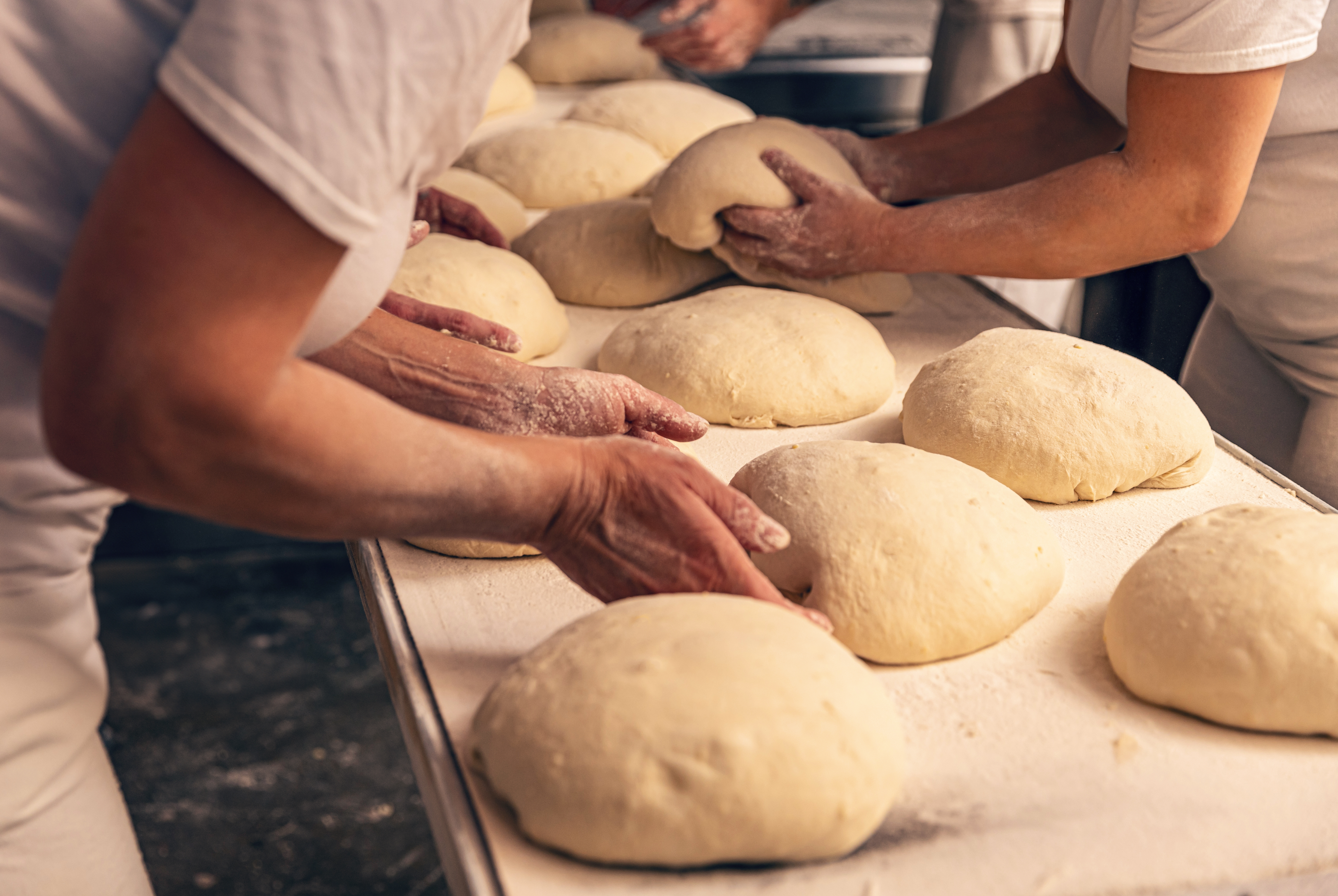
While social media and loyal communities raise the profile of artisanal bakeries across Britain, often presenting them as aspirational places to experience and work within, the reality for small-scale British bakers is tough, says Karen.
“The biggest challenge our members are facing are the cumulative costs, above and beyond the everyday challenges they are facing. We are a labour intensive and energy intensive sector, which means that things like rising energy and National Insurance costs are putting significant pressure on us.”
Craft bakery is a sector entered into for passion not for profit, with bakers doing what they do for the love of it and keen to power through despite the numerous challenges – but this resolve is often tested to the limit, with some small bakeries being forced to hang up their aprons despite, in some cases, many decades of being staples of their communities. The mutually-beneficial role of community in such businesses often makes this a heartbreaking decision.
“My business being a hub for the local community is perhaps the favourite part of what I do,” says Felix. “I can be mid-transaction and someone starts a conversation with another customer, is getting on with their life in my bakery, and it’s so satisfying. If my business was located in a city centre rather than a small, residential area I don’t think it would have survived the first six months.”
Recruitment is also an issue, with the UK’s bakery scene not having the same nationwide recognition as its European counterparts coupled with increasing employment costs. “Many of our members have capped recruitment or have no plans to recruit in the near future because of its expense,” says Karen. “Staff come first to craft bakers, they know their team is their biggest asset, but they cannot afford to recruit younger generations because of the increase in legal pay requirements, despite wanting to pay their staff as much as they can, therefore there is a skills and employment gap.”
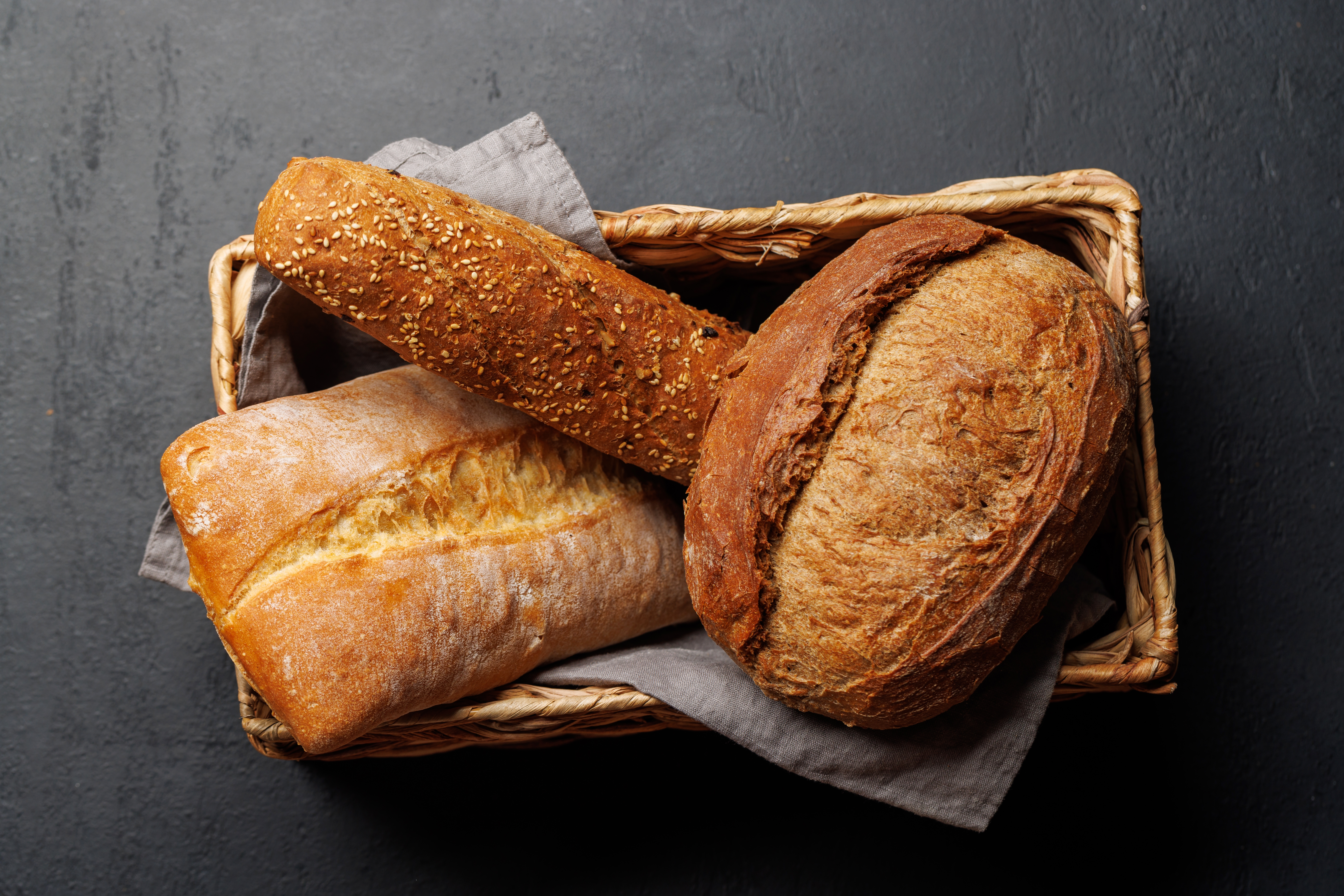
“Craft baking is a lifestyle, a lifetime commitment and a passion,” Karen continues, “and bakers are eager to pass that on to the next generation and to evolve – as well as to support their local communities of farmers and producers. A small-scale bakery is likely to collaborate with a grower and miller located close to them, a nearby fruitier and greengrocer… These are all crafts people, and what they’re creating is an artform, but at present many British shoppers don’t recognise that and aren’t willing to pay for that… thankfully, this is changing.”
The good news is that the consumers who shop at fine food establishments often recognise the value of hands-on creativity and artistry. “People value their local independent businesses and the role they play in their communities,” she continues. “The majority of our members are community businesses, and they employ from the local area – boosting employment rates in their region and creating a hub where everybody knows each other, building long-standing relationships in the process.”
There is also a baked-in appreciation for the markers of craft and quality – provenance, story, innovation and a short, clean list of premium ingredients.
Whether a bakery product has been by skilled craftsman on-site or at a European family-run bakery which has retained its premium philosophies throughout generations, fine food consumers are hungry for delicious baked goods – and with traditional skills and innovative flavours and formats at their fingertips, there is plenty of inspiration to be found.