Free digital copy
Get Speciality Food magazine delivered to your inbox FREE
Get your free copy

Cheesemakers and mongers across the UK have a reputation as a friendly and passionate bunch. However, for those who aren’t in the know, the world of artisan cheese can seem intimidating, with its technical terms (not everyone is familiar with the pasteurisation process, after all), grandstanding tradition and higher price points that reflect the heritage and craft of the products.
This perception was something Louise Bagnall had in the front of her mind when she founded her shop, Cheese! Louise. She was keen to engage with younger customers and break down the stigma that artisan cheeses in only for a certain section of society.
“Artisan cheese can sometimes be presented as an exclusive product or reserved for people who already know a lot about it,” Louise tells Speciality Food. “That never sat comfortably with me because, at its heart, cheese is the most sociable, joyful food there is!”
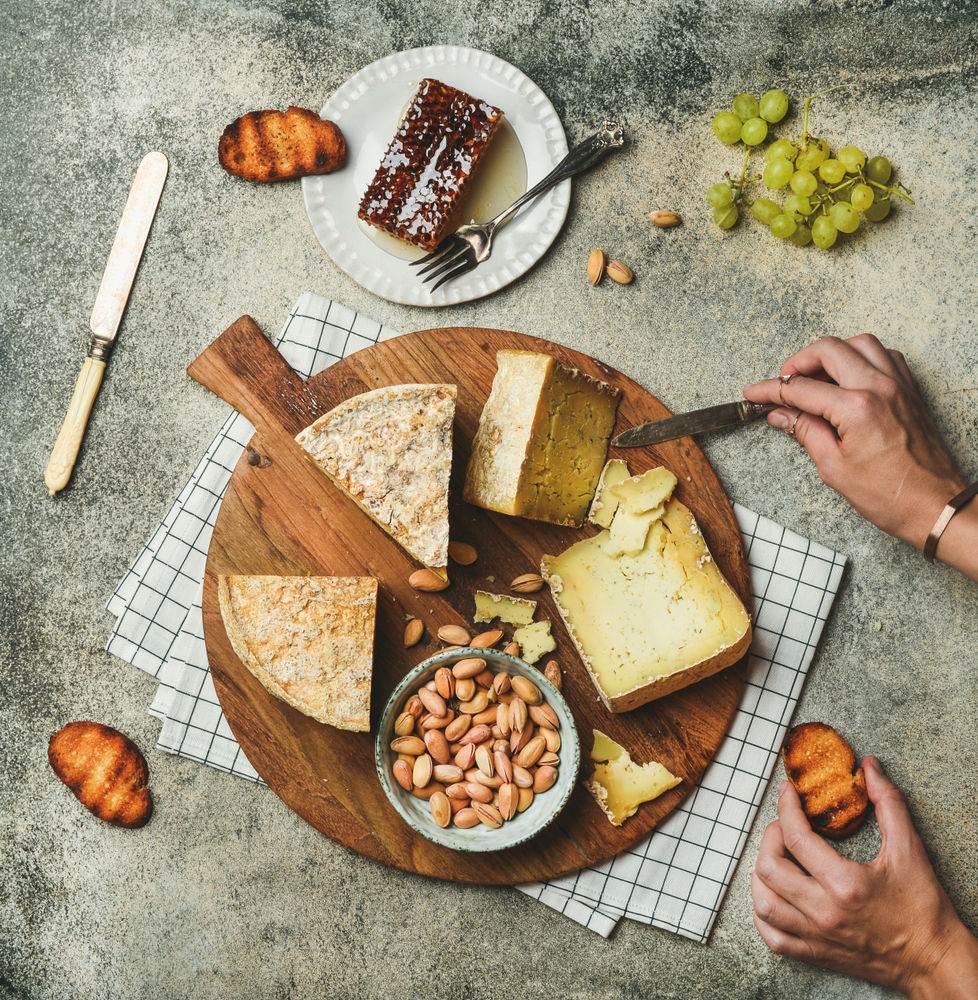
When Louise set up her shop in Alton in the south of England, she wanted to create a space where everyone felt comfortable to ask questions and try something new. “Discovering great cheese without feeling like they need an encyclopaedic knowledge of it first,” she explains.
Although it’s important for you and your team to be well-educated in all things cheese, younger customers in particular respond well to approachable language, visual storytelling and experiences, rather than “tradition for tradition’s sake”, Louise finds.
“Most cheesemongers I know are already doing a great job of making cheese accessible to everyone, but key to that process is communication,” she says.
Practically, that might mean adapting descriptive language in your shop or simply making even more of an effort to get younger customers to taste the cheese for themselves.
For Louise, one of the most rewarding parts of her job is “helping someone discover something new they love”.
“Whether someone’s buying a piece for a sandwich or putting together a celebration cheeseboard, the welcome and enthusiasm remains the same,” Louise says.
Part of the cheesemongering mission is often to nudge customers out of their comfort zone, easing them into blue cheeses or goat’s cheese even if that’s something they usually wouldn’t go for. While there’s certainly a place for trying new things, customers shouldn’t feel any shame in ‘getting it wrong’.
“It’s important people feel comfortable making their own evaluation and know that essentially there is no wrong answer. Every palate is different,” Louise says. Distinctive flavours that she loves may not be to everyone’s taste. “And that’s ok and part of the fun.
“It’s also important we move away from making people feel there’s a ‘right’ way to enjoy cheese. There isn’t. If someone wants to pair a blue cheese with a craft stout instead of port, that’s brilliant. It’s about discovery, not rules,” Louise says.
She finds younger customers are often drawn to cheese with a story or something “a little unexpected”.
“They love discovering small British producers, seasonal cheeses and bold flavours they haven’t tried before.”

Don’t forget that social media can act as an extension of your shop counter, offering another tool for communicating with younger customers.
“Relaying the story behind a cheese in a fun and engaging way on Instagram or by sharing favourite or unconventional cheese pairings, we’re giving people more confidence to come through the door as they already feel equipped with some knowledge and that is a great starting point for further exploration,” Louise explains.
Steer clear of leaning on flashy trends in an attempt to attract the younger generation of shoppers.
“Younger customers can spot something that’s trying too hard to be trendy,” Louise says. “What they really value is genuine enthusiasm, good storytelling and knowledgeable people who are approachable.”
They also care about where their food comes from – something which cheesemongers should make a point of mentioning in conversations.
“Many want to support small British producers, understand how something is made and spend their money with independent businesses that have real passion behind them,” Louise says.
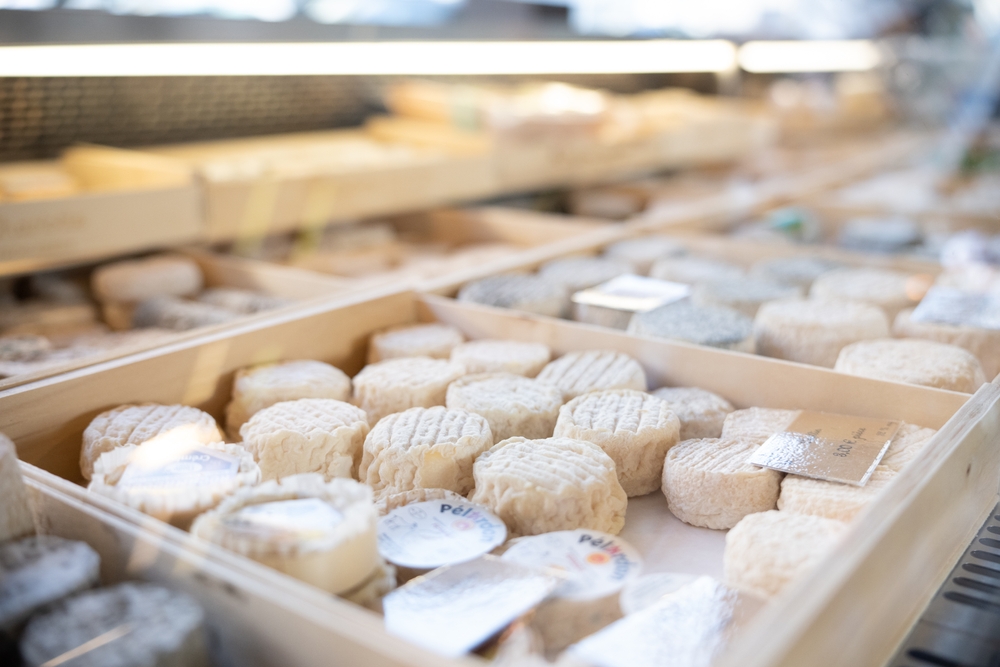
While younger customers are facing cost-of-living pressures, many continue to make considered choices when spending their hard-earned income. Artisan cheese has a ‘luxury’ price tag, so Louise advises discussing value in its entirety.
For example, with artisan cheese, you get a hand-crafted product with an individual story that supports local makers and will become part of a nutritious meal. This “brings more to the table, quite literally, than opting for a supermarket block of factory produced Cheddar, and the younger consumer appreciates the added value in their choice”.
Experiential shopping is key for younger customers when they visit a bricks and mortar shop. “They’re interested in pairings and complete experiences. Rather than simply buying cheese, they’ll pick up a local beer or chutney because they’re creating something to share with friends,” Louise says.
Understanding this and taking an experiential approach can encourage repeat custom. As Stephen Fleming of George & Joseph tells Speciality Food, “by sharing our expertise and a bit of theatre we can create a sense of occasion that will have people wanting to return.
“The difference between service and hospitality is that service is often transactional – ‘that’ll be £5 for that wedge of cheese, thanks” – whereas hospitality is more engaging – ‘How’s it going? What are you going to use the cheese for, and have you tried this one yet?’”
Making younger customers understand and appreciate artisan cheese doesn’t require a huge marketing budget or a big change to your strategy – it’s in the little ways you communicate with and relate to your customers.
“By continuing to make artisan cheese accessible, welcoming and relevant to modern lifestyles,” Lousie says, “we’ll continue to see new generations of people falling in love with it.”