Free digital copy
Get Speciality Food magazine delivered to your inbox FREE
Get your free copy

The store cupboard has evolved from a collection of everyday essentials into a carefully curated selection of ingredients that can transform the way people cook and eat at home.
Consumers still need dependable staples, but they are increasingly looking for products that bring something extra to the table, whether that is a distinctive flavour, a traceable provenance story or a convenient shortcut to a more interesting meal.
For independent fine food retailers, this shift creates an opportunity to add value to a category that can sometimes be overlooked in favour of fresh produce, cheese and speciality counter sales.
Premium cooking sauces, artisan pasta, quality olive oils, tinned fish, chutneys and seasonings can all help shoppers turn simple ingredients into something more memorable, without necessarily spending more time in the kitchen.
Alex Hayes from Harris and Hayes Insight and Innovation Studio describes this as the continued rise of ‘Power Pantry’ products: elevated food essentials that consumers are willing to invest in to upgrade everyday meals.
The commercial opportunity is clear. By combining familiar products with more adventurous alternatives, independent retailers can encourage shoppers to trade up, build complete meal solutions and discover products they might not find elsewhere.
With household budgets remaining a consideration, shoppers want store cupboard products to justify their place on the shelf. That does not automatically mean choosing the cheapest option. Instead, versatility, quality and the ability to improve several different meals can make a premium product feel like good value.
Laura Roberts of Laura’s Larder says shoppers are looking for “flavour, convenience and versatility”. People want to eat well but do not always have the time or inclination to cook everything from scratch.
A good sauce, pesto or condiment can transform an ordinary midweek supper, while products that work across several dishes offer additional appeal.
Helen White, marketing communications lead at Cottage Delight, sees a similar opportunity. “With household budgets still front of mind, versatility is incredibly important, with consumers seeking out quality products that can be used across a variety of dishes and occasions.”
She adds that value should not come at the expense of flavour. A quality sauce, relish or accompaniment can bring restaurant-style character to simple ingredients, making an everyday meal feel more special without requiring a costly shop.
David Coles, head of sales at The Bay Tree, believes the modern store cupboard is increasingly about making a single ingredient work harder. Its Spicy Tomato & Caramelised Onion Chutney, for example, can add interest to a cheese sandwich or bring extra depth to a spaghetti and meatballs sauce.
For retailers, this suggests a merchandising approach built around uses rather than individual product categories. Instead of simply displaying chutneys together, show shoppers how a jar can work with cheese, grilled meats, sandwiches or pasta dishes.
Serving suggestions and recipe cards can make that versatility immediately apparent. The more readily shoppers can imagine using a product, the easier it becomes to justify its price and return to buy it again.
Innovation is creating excitement in the store cupboard, but established favourites remain essential. Independent retailers need to strike a balance between the products customers know they can rely on and those that offer something new. Laura describes the mix at Laura’s Larder as a combination of tradition and discovery.
Tinned fish illustrates the point: Ortiz remains a longstanding favourite, while newer additions such as Nice Cans and Santa Catarina offer different flavours, including chimichurri and fennel varieties.
The shop has also introduced OBA’s Kitchen, a range of Nigerian-inspired sauces that brings new flavours into everyday cooking. “I think people love a bit of adventure alongside the things they know and trust,” Laura says. That is an important principle for range planning.
A shopper who regularly buys a familiar olive oil or pasta sauce may be willing to try something more unusual when it sits alongside a trusted staple and its potential uses are clearly explained.
White also sees the store cupboard becoming more adventurous, with global flavours helping consumers refresh familiar dishes. The opportunity for independent retailers is to make that exploration accessible, rather than presenting unfamiliar products as specialist ingredients that require complicated recipes.
Consumers are becoming more interested in where their food comes from, how it is produced and what makes it different. That creates opportunities for retailers to trade customers up from standard staples to products with genuine quality credentials.
Becky Amos, national account manager at Emilia’s Pasta, says, “Consumers want quality, provenance and value in the same product. They are increasingly interested in knowing where something comes from, how it has been made and what makes it genuinely different.”
Pasta is a good example of how a familiar product can support a premium proposition. Rather than treating it simply as a vehicle for sauce, shoppers are becoming more interested in the wheat, production process, shape and eating quality.
Jack Elles, co-owner of Stocks Kitchen at Bowhouse in the East Neuk of Fife, highlights the importance of balancing everyday essentials with distinctive products. The business stocks locally roasted Vandyke Bros coffee, organic dried pulses and rice, and local honey.
Its approach reflects the value of giving customers access to high-quality basics alongside products with a strong local or specialist identity.
Premium sauces and condiments are well placed to benefit from shoppers looking to improve everyday cooking without adding complexity. They can provide an immediate flavour boost, reduce preparation time and help customers experiment with new dishes.
David says consumers are increasingly food-literate but time-poor, with social media exposing them to a wider range of recipes and flavour combinations. Products that make it easier to recreate those ideas at home can therefore have considerable appeal.
He also identifies growing interest in bolder flavour combinations, including sweet heat and savoury depth. Hot honey and garlic are among the trends he highlights, demonstrating how familiar ingredients can be given a fresh twist.
For retailers, the key is to show how these products can be used beyond their obvious applications. A chutney might be positioned alongside a cheese selection, but a recipe card could also suggest using it in a sandwich, marinade or sauce.
A premium cooking sauce can be displayed with pasta or rice to provide an easy meal solution. Jams, marmalades, relishes and pickles can all play a role beyond breakfast or the cheeseboard when their versatility is demonstrated.
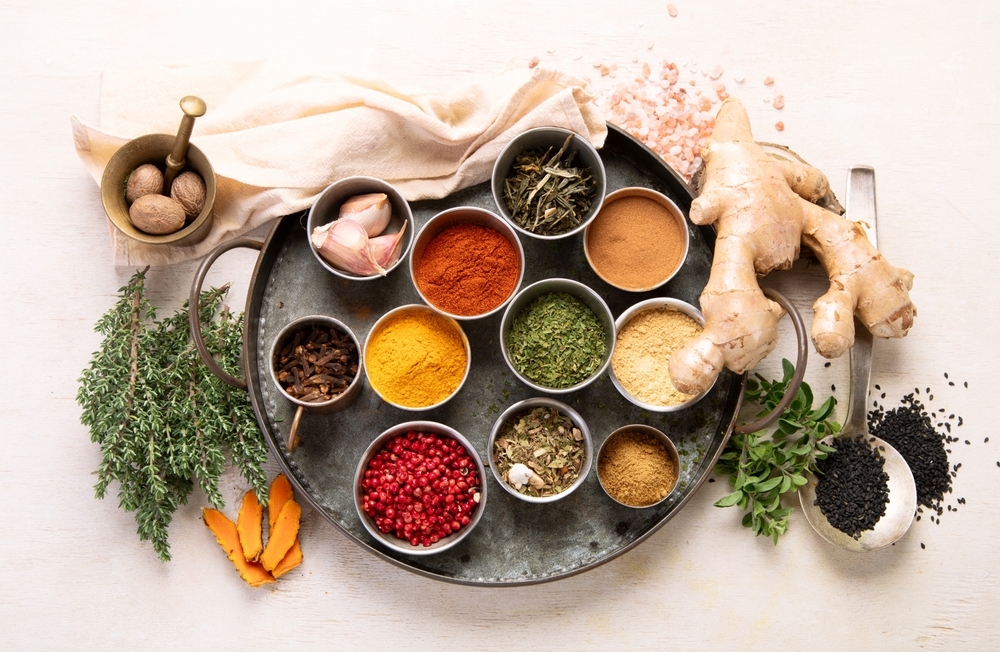
Seasonings can be an effective addition to the store cupboard range because they are compact, versatile and relatively accessible as a purchase. They can also work across several departments, extending their commercial value beyond the traditional spice shelf.
Connor Field, co-founder of Field Blends, says the company’s 35g tins are easy to stack, cost under £7 and can serve several purposes, from everyday cupboard staples and counter purchases to gifts. “Our seasonings are versatile across a store, and customers immediately understand how to use them,” he says.
He highlights the appeal of blends that reduce the need for shoppers to buy multiple individual spices. Consumers can still cook from scratch, but a well-designed seasoning makes it easier to add complexity without accumulating jars that are rarely used.
A store cupboard range can be commercially strong yet visually static, particularly when many products have long shelf lives. The answer is to give shoppers fresh reasons to engage with it.
David recommends cross-merchandising and meal-solution displays, suggesting combinations such as premium cheese with chutney or themed groupings around a home burger night or Friday cheeseboard.
“Regular, structured tasting events allow shoppers to experience the product flavour firsthand,” he says, arguing that sampling can remove the uncertainty that sometimes prevents a customer from trying something new.
Tastings are particularly valuable for products where flavour is the strongest selling point. A sample of chutney with cheese, a seasoning sprinkled over a simple dish or a sauce paired with pasta can demonstrate the product’s value more effectively than packaging alone.
Becky also highlights the potential of selling complete meal solutions. Pairing premium pasta with a quality sauce, cheese or olive oil gives customers a practical idea for dinner while encouraging them to purchase several complementary items.
Seasonal recipe inspiration can help keep displays relevant throughout the year. Barbecue blends, salad toppers and lighter sauces may feature prominently in warmer months, while warming seasonings, rich chutneys and comforting meal combinations can come to the fore in autumn and winter.
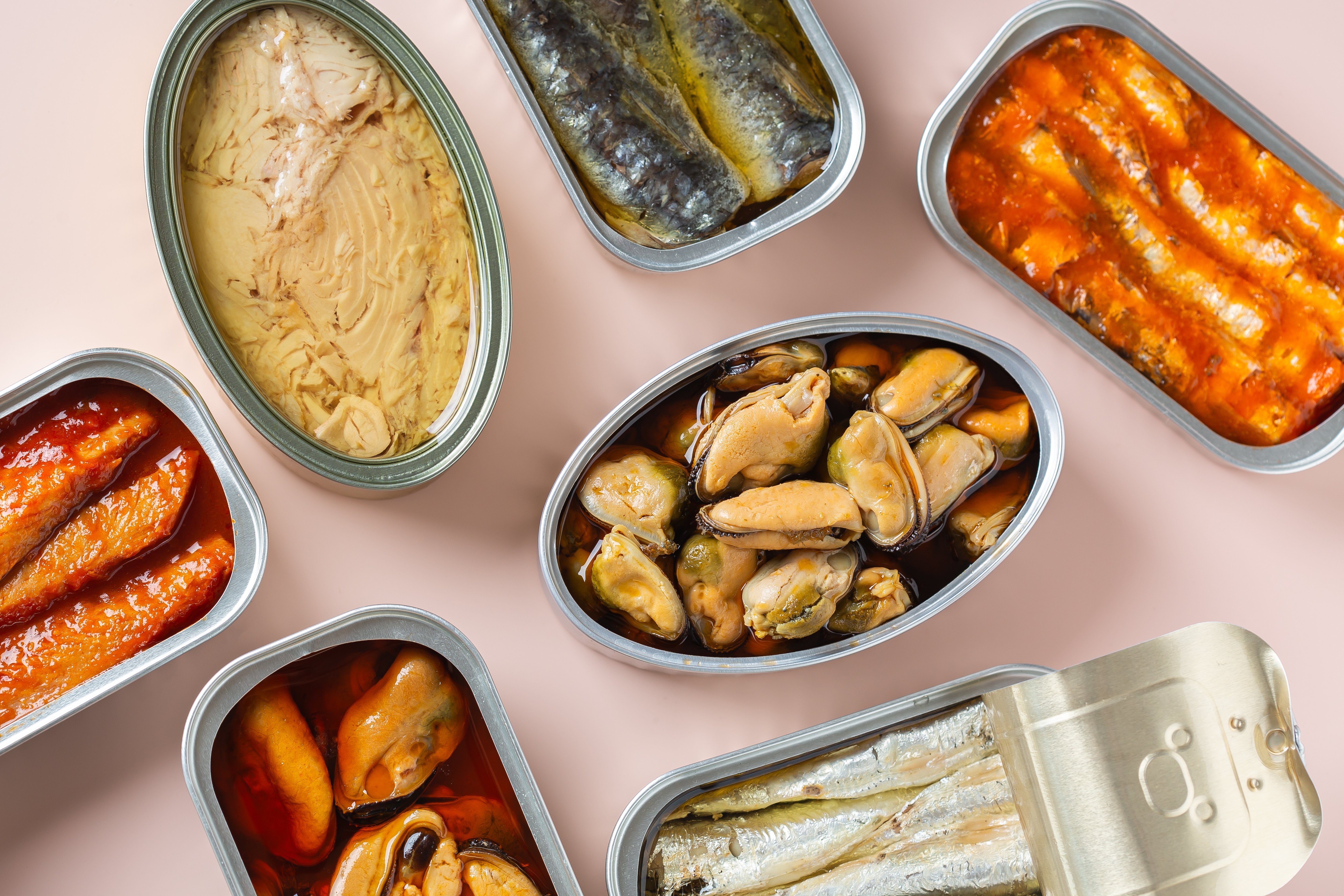
Tinned fish demonstrates how a dependable cupboard staple can become a more premium, flavour-led purchase. Alongside familiar sardines and tuna, shoppers can explore different species, marinades and seasonings that offer convenience without sacrificing character.
The appeal lies in combining convenience with a more distinctive eating experience. For independent retailers, the opportunity is to position tinned fish as more than an emergency cupboard ingredient. It can become the basis of a quick lunch, a pasta dish, a salad or a sharing board.
Cross-merchandising with crackers, olive oil, olives and condiments can help shoppers build a meal or snack in one visit. A short serving suggestion can also encourage customers to try a variety they might not usually choose.
The emphasis should be on quality, flavour and clear product information. Where provenance or production methods provide a genuine point of difference, these can help support a premium price.