Free digital copy
Get Speciality Food magazine delivered to your inbox FREE
Get your free copy

For British consumers, Mediterranean food is firmly established in everyday cooking. But as shoppers become increasingly knowledgeable about ingredients, provenance and regional food traditions, there is growing potential for independent fine food retailers to take the category beyond familiar olive oils, pasta and antipasti.
From distinctive regional specialities and premium pantry staples to beautifully presented gift products, the opportunity lies in combining trusted favourites with exciting new discoveries.
The appeal of Mediterranean food has long been rooted in its simplicity. Good ingredients, traditional production methods and an emphasis on sharing food resonate strongly with British consumers, many of whom have developed an affinity with the flavours and food culture of Italy, Greece and other Mediterranean countries through travel, restaurants and home cooking.
However, familiarity should not be mistaken for a lack of appetite for something new. Increasingly, shoppers want to understand more about the products they buy – where ingredients come from, how they are produced and what makes one regional speciality different from another.
For independent retailers, this creates an opportunity to build distinctive ranges that offer quality, personality and discovery.
Gianfranco Perri, founder and CEO of Just Gourmet Foods, believes the opportunity is considerable. “Today’s discerning food shopper is more knowledgeable, adventurous and selective than ever. They want exceptional quality, but increasingly they also want to understand what makes a product special.
Where does it come from? Who produces it? What makes the ingredients different? Is there a particular tradition, region or philosophy behind it?”
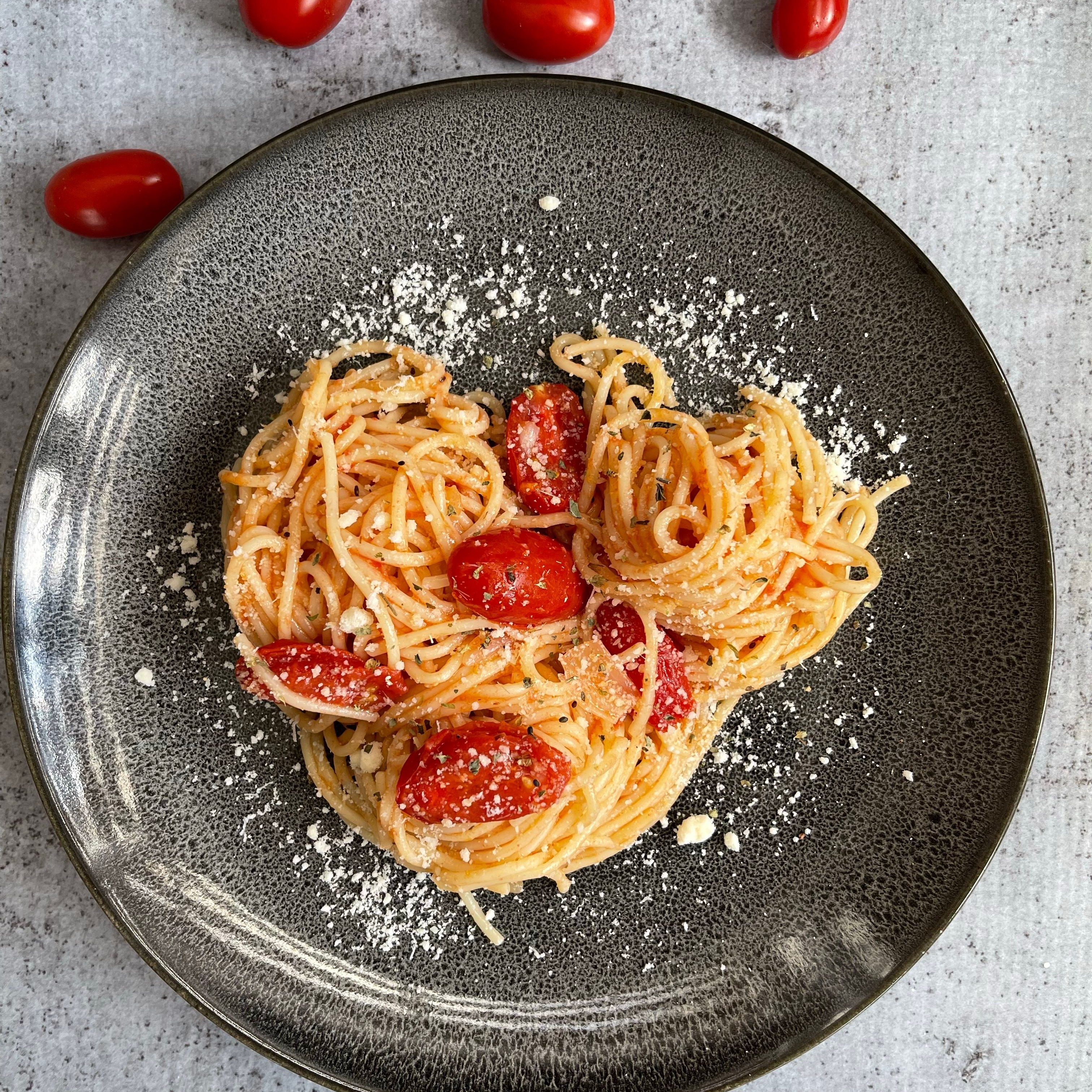
Mediterranean food has become an important part of the British food landscape. Pasta, olive oil, tomatoes, balsamic vinegar, olives and antipasti are everyday ingredients for many households, while pesto, preserved vegetables, speciality cheeses and Mediterranean fish products have also secured their place in food establishments of every shape and size.
Laura Roberts, owner of Laura’s Larder, stocks a broad selection, including olive oils, olives, antipasti, pasta, pestos, sauces, preserved vegetables and legumes, spices, cheeses, meats and fish. “They’re products that customers discover, love and then come back for,” she says.
“Mediterranean food lends itself brilliantly to the way people want to eat,” she explains. “It’s fresh, full of flavour and doesn’t have to be complicated. With a few really good ingredients, you can put together something delicious without spending hours in the kitchen. Good olive oil, beautiful tomatoes, a few olives and some bread can be a meal in itself.”
Ben Tish, chef consultant at Cubitt House, also believes accessibility is central to the category’s appeal. “It is seen as exotic but accessible – we have all been to the Med, it is familiar to us and reminds us of good times had on holiday. It is also considered to be healthy and an aspirational lifestyle.”
Theo Randall, Michelin-starred chef, believes retailers should not underestimate how much more knowledgeable British consumers have become.
“Brits are more familiar with them but don’t underestimate how important the quality of an ingredient is. Some ingredients may be familiar to the consumer, but the quality has to be high as we are far more discerning than we used to be.”
For independent retailers, simply stocking standard Mediterranean staples is no longer enough. The opportunity is to offer exceptional versions of familiar products, supported by the knowledge to explain why they deserve a place in the customer’s basket.
Consumers increasingly want to know more than whether an olive oil is Italian or a pasta is made in Greece. They want to understand the region, the ingredients, the producer and the methods behind the finished product.
Winette Winston, president and managing director of Seggiano, believes this deeper appreciation of provenance is becoming increasingly important.
“We love to see provenance and terroir are becoming more meaningful for British consumers. Shoppers want to understand not just where something comes from, but how that place influences its flavour and character. There’s a deeper curiosity and appreciation.”
She points to the growing recognition of terroir beyond wine, highlighting Whole Foods Market’s 2027 Trends Report, which identifies ‘Terroir’s New Territory’ as an emerging trend and features Seggiano’s White Balsamic Vinegar of Modena.
For independent retailers, this presents an opportunity to introduce customers to the distinctive characteristics of individual regions and producers. An olive oil from Tuscany, for example, can offer a different experience from one produced in Puglia. Similarly, regional Italian pestos, vinegars and preserved ingredients can provide a more interesting proposition than products marketed simply by their country of origin.
Ben agrees that retailers should be increasingly specific in how they communicate provenance. “More specifics now are better. Where is the olive oil from? Which region? Is it first press? Which tomato variety is it? More narrative is what people want and to be able to share this with others.”
The story behind a product can also help communicate its value. Explaining the producer’s approach, the origins of an ingredient or the traditional methods involved gives customers a clearer understanding of what they are paying for.
Theo adds that seasonality can provide another valuable point of difference. “Buying products that are in season, for instance a new season’s olive oil, will always set you apart from other suppliers that are not so specific. The more seasonal the retailer is the better. This naturally becomes a great marketing tool.”
One of the easiest ways to encourage discovery is to introduce new products through familiar categories. Rather than expecting customers to embrace completely unfamiliar ingredients, retailers can offer different expressions of foods they already enjoy.
Pesto is a particularly good example. Although basil pesto remains a popular staple, there is a much wider world of regional varieties and flavour combinations to explore. Seggiano’s selection includes classic Ligurian basil pesto, Trapanese pesto from Sicily, made with tomatoes and almonds, pistachio pesto, wild fennel tomato pesto inspired by the Monti Iblei region of Sicily, and black kale pesto using Tuscan kale.
“We wanted to show that there’s more to pesto than just basil,” explains Winette. “The word itself comes from ‘pestare’, meaning ‘to pound’ – a nod to the traditional mortar-and-pestle method used to crush fresh ingredients into pastes. Across Italy, different regions put their own stamp on the idea.”
She believes discovery does not necessarily mean introducing customers to something entirely unfamiliar. “Familiarity actually creates the opportunity for greater discovery. Once people know and enjoy a country’s food, they can become curious about its regional differences.”
This is a useful approach because it makes innovation less intimidating. Someone who regularly buys basil pesto may be interested in trying a Sicilian tomato and almond version, while an existing olive oil customer might welcome the opportunity to compare oils from different Italian regions.
The same principle applies to pasta. Although spaghetti and penne remain established favourites, consumers are increasingly interested in regional shapes, traditional production methods and ingredient quality.
“Fine food shoppers continue to be adventurous, exploring regional pasta shapes beyond traditional favourites such as spaghetti and penne. Authenticity, provenance and traditional production methods are increasingly important, alongside a growing interest in high-fibre and high-protein options,” says Sally Assinder, UK marketing and account manager at Garofalo.
She adds that pasta’s appeal in Britain continues to be driven by its versatility. “Increasingly, consumers are recognising the difference that quality makes, with greater appreciation for the texture, flavour and ability of premium pasta to lift even the simplest dishes.”
While Italy remains a major influence on Mediterranean food retail, there is considerable potential to broaden ranges into other countries and culinary traditions. For Just Gourmet Foods, expanding into Greece has been a particularly exciting development.
“There are so many similarities between Italian and Greek food cultures: a deep appreciation for family, hospitality, simple but exceptional ingredients, regional traditions and the pleasure of sharing good food,” says Gianfranco.
One brand that has attracted particular attention is Yiayia, which combines Mediterranean food culture with contemporary branding and distinctive presentation. “The brand has been performing exceptionally well for us, and I think its success tells us something very interesting about what today’s discerning food shopper is looking for,” he says.
The wider Mediterranean also offers plenty of opportunities to explore lesser-known ingredients and flavours. Ben highlights grape musts from Sicily and Southern Italy as an interesting product for retailers to consider, describing them as particularly useful for dressings, marinades and cooking, bringing sweet, sour and fruity flavours.
He also points to anchovies as a category with considerable depth. “Anchovies are really interesting and there is a whole world of flavours and textures, as well as stories, around them. Olasagasti are very special and have a wonderful natural smoked flavour and meaty texture.”
Theo also champions the versatility of anchovy products, particularly colatura di alici, an amber-coloured liquid produced from salted anchovies.
“I love all anchovies in every shape or form but the one I reach for in my cupboard at home is Colatura di Alici. It is amazing drizzled over pasta and I love it on some steamed broccoli with a little fresh red chilli. Every anchovy fan should have a jar of this.”
Other regional specialities worth exploring include Sardinian bottarga, Calabrian chilli, Sicilian pistachios and bergamot. These products can help retailers create a more distinctive Mediterranean selection while introducing customers to ingredients they may not encounter in mainstream shops.
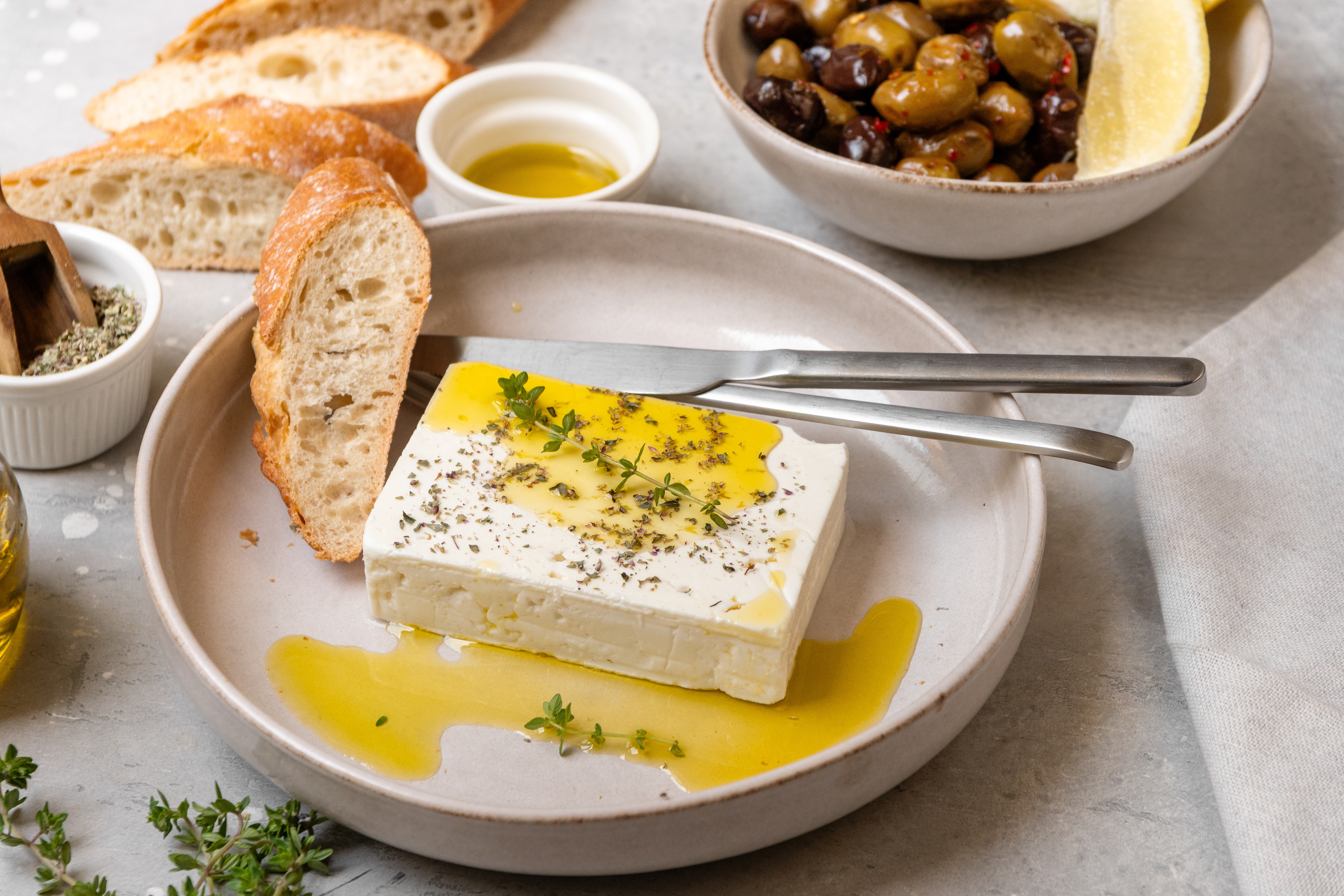
Introducing new Mediterranean products requires more than finding interesting suppliers. Retailers also need to make unfamiliar products accessible and give customers the confidence to try them. Tastings, personal recommendations, recipe cards and food-pairing suggestions can all help turn curiosity into sales.
Winette believes independent retailers are particularly well placed to make this happen. “Independents have a particular advantage here because their knowledge, personal recommendations and ability to offer tastings can help customers appreciate these differences.”
Sally also recommends using complementary products to encourage additional purchases. “Offering interesting pasta shapes alongside complementary Mediterranean ingredients encourages discovery and creates opportunities for additional purchases.
Recipe inspiration, pairing suggestions, and if possible, sampling can help customers explore unfamiliar pasta shapes and appreciate the difference that quality ingredients make.”
Laura has learned to balance established favourites with new discoveries. “We’ve probably been guilty of relying on the established suppliers,” she says. “It’s easy to do, particularly when they have products that customers know and love. But we’re talking to some new producers and hoping to shake up that part of the shop a little.
“That’s one of the joys of being an independent, discovering new products and taking inspiration from travel, restaurants and what we’re cooking ourselves. But there’s a balance to be struck. We have to be careful not to delist something customers love just because we’ve found something new and exciting.”
Ultimately, the opportunity for independent retailers is not simply to stock more Mediterranean products, but to create a more meaningful and distinctive selection. That means combining everyday essentials with premium alternatives, exploring regional specialities, championing producers and making the most of the stories behind individual ingredients.
It also means considering the commercial proposition of every product. Does it offer genuine quality? Is there an interesting point of difference? Can staff explain why it is worth buying? Does the packaging stand out? And, importantly, is it something customers will want to purchase again?
Gianfranco believes these considerations are central to building a successful range. “My advice would be to remain curious and adventurous, but never compromise on quality,” he says. “Seek out producers with genuine passion for what they do. Look for products with authentic provenance, exceptional ingredients and a clear point of difference.”
For Speciality Food readers, Mediterranean food offers an opportunity to combine established consumer demand with the excitement of discovery. British shoppers already understand and enjoy the category, but there is still considerable scope to introduce them to new regions, producers, flavours and interpretations of familiar products.
“The Mediterranean has so much more to offer than the products we already know and love. For independent retailers, the real opportunity is to help customers discover what comes next,” he concludes.
Maximise the gifting appeal of Mediterranean food
In an independent food shop, where customers are often browsing for inspiration as much as shopping for essentials, packaging can play an important role in encouraging trial.
Many Mediterranean products already have strong visual appeal. Bottles of olive oil, colourful jars of antipasti, speciality vinegars and artisan confectionery can all contribute to attractive displays.
Premium olive oils, regional condiments, speciality pasta and accompanying sauces can be brought together to create themed food gifts that offer customers something more distinctive than a conventional hamper.
Consider building collections around particular regions, such as Sicily or Tuscany, or creating cooking-themed gifts combining pasta, pesto, tomatoes and olive oil.
Gifting can also introduce customers to products they might not otherwise purchase for themselves. If the experience is positive, those products may subsequently become part of their regular shopping habits.
“Mediterranean ingredients sell very well and are an important part of our offering at Stocks Kitchen, and the way we cook at home. Very good quality ingredients aren’t always easy to pick up everywhere and are a real treat. Customers love what we have on offer and are always saying how excited they are to find them all here.
“It evolves with us; customers request things, we discover things whilst travelling, we make some new recipes that require certain ingredients. It’s an important part of the shop’s evolution, if you stand still you struggle. We like to keep evolving, both with the seasons and with life.”
Some of the most exciting opportunities come from highlighting products from lesser-known regions rather than focusing solely on the most recognised Mediterranean destinations.
In Italy, for example, consumers are increasingly interested in regional identities and traditions. Products from areas such as Calabria, Basilicata, Puglia and Abruzzo can offer distinctive flavours and compelling stories that shoppers may not have encountered before.
Retailers can also create discovery through seasonal products, limited editions, protected regional specialities and products linked to family traditions. Tastings and storytelling remain powerful tools for introducing consumers to something unfamiliar and helping them understand why it is special.
Parmigiano Reggiano PDO, one of the symbols of Italian food culture and a speciality known and appreciated around the world, meets the creativity of Waves, the new cheese cut launched in May by DalterFood Group. Its distinctive wavy surface and irregular shape give the cheese an original appearance, while keeping its flavour, origin and authenticity at the heart of the product.
Tradition and innovation come together in a proposition designed for retailers, who are looking to champion products with a strong identity while appealing to consumers who value quality and convenience, but are also curious to discover something new. Waves meets these expectations by giving one of Italy’s best-known cheesemaking specialities a contemporary look.
DalterFood Group produces Parmigiano Reggiano in its own dairies – Colline di Selvapiana e Canossa and Colline del Cigarello e Canossa – located in the heart of the Reggio Emilia Apennines. Here, within an integrated and controlled supply chain, everything begins with milk supplied by trusted local farmers.
Every day, master cheesemakers and their teams transform it with expertise, skill and passion, carrying forward knowledge handed down over time. The result is Parmigiano Reggiano PDO, a cheese with a thousand-year history and deep roots in its area of origin.
For retailers, Waves complements more traditional Parmigiano Reggiano PDO cuts with a new and recognisable option suited to different consumption occasions. The practical 80g tubs makes it easy to enjoy the desired amount, whether individually or when sharing.
Waves is characterised by its distinctive wavy geometry, which enhances the cheese’s visual appeal while highlighting its texture with every bite. Parmigiano Reggiano Waves can therefore be enjoyed on their own for a tasty break, whether at home or at work, or take centre stage in an Italian-style aperitivo, an occasion that is increasingly appreciated abroad.
Served on their own or paired with other specialities such as cured meats, they add a creative touch to the presentation and offer a simple way to recreate at home a convivial moment inspired by Italian food culture.
A perfect combination of tradition and innovation, Waves reflects DalterFood Group’s more than 45 years of experience in producing, cutting and packing hard cheeses. This know-how enables the Group to interpret retailers’ needs by developing solutions that enhance Parmigiano Reggiano PDO and respond to evolving consumption habits, while preserving the product’s identity.