Free digital copy
Get Speciality Food magazine delivered to your inbox FREE
Get your free copy

Cup soups and pasta. Frozen, dried and fresh ready meals. Tinned meals and pies. Packets of noodles. Convenience food is everywhere. It has infiltrated all parts of our lives, from snacking, to lunch and dinner time, in-office eating, sports settings, schools and more – we’re constantly greedy for, and seeking out, products that will sate our appetites on-the-go.
They’ve become, says Quayside Wholesale, “indispensable for many, especially those with hectic lifestyles”, with Statista adding that the UK is home to the fifth largest ready meal market worldwide – in fact, it’s the only European country, besides Russia, to make it into the top 10. “It’s clear convenience is king for UK consumers in the modern food landscape,” the analyst says.
According to IGD, chilled foods and soft drinks made the biggest value gains this year, with 10 out of 17 categories seeing increases, largely dominated by frozen food, sandwiches and wraps.
This growth (after a slowdown in 2024), is in part being driven by a shift towards more frequent top-up shopping, with around a 12% increase in these sales expected between 2025 and 2029.
What consumers are choosing to put in their baskets on the run to or from work, or the dash back after a night out at the weekend, is changing though.
“There’s a clear shift happening,” says Steve Flynn, co-founder of The Happy Pear. “Shoppers are becoming more aware of ultra-processed foods (UPFs) and the link they can have to poor health, and they’re actively looking for simpler, more natural alternatives. We see more people reading labels, asking about ingredients, and wanting food they can recognise and trust. What’s encouraging is that it’s not just health-conscious consumers anymore. It’s mainstream.”
Innovation across convenience categories has seriously ramped up in the last few years, as brands seek to align themselves with consumers’ new health-led values.
In frozen food, alongside wholesale premiumisation of ready meals from leaders including By Ruby, Supper Club, Fieldgoods and Lodge Farm Kitchen, there have popped up makers such as Stocked, which provides chef-made products including Curried Chickpeas and Pork Rendang in handy frozen block formats so users can decide exactly how much they need at the point of use.
Chilli Chan’s is switching up the growing dried noodle category with better-for-you options.
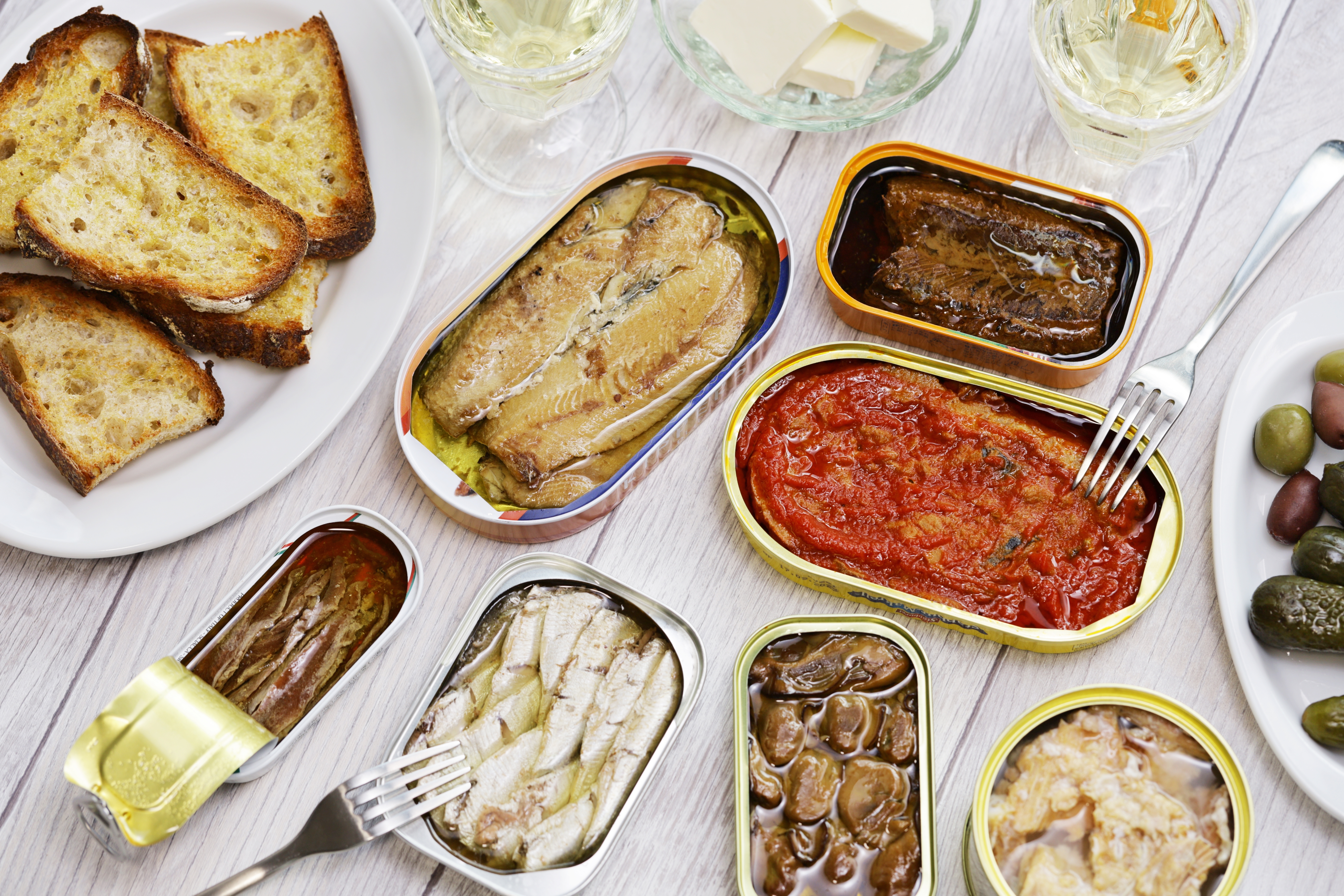
Conservers such as Sea Sisters and Rockfish have given retailers pause to rethink tinned fish and its place on the modern table (beyond grey watery tuna).
And Eden Blooms and More Toddler Meals have picked up the mantle to improve the children’s on-the-go category with freeze-dried, veg-packed products which require little more than parents stirring in water while they’re out and about.
On the theme of freeze-drying, which is being utilised more and more by today’s makers to capture freshness and flavour, Bella Ackland, one of Speciality Food’s Rising Stars of 2024, has utterly transformed what is a staid, uninspiring category – dried soup – and turned the industry on its head with Soul Kitchen, which recently partnered with manufacturer, Purition.
There’s been little movement in dried soup since its invention in the 70s – this legacy fulfilled by products largely packed with additives, thickeners and emulsifiers.
While at uni, “I’d make my own instant soups using ingredients from a health food shop - powders and superfoods – and making them taste delicious, and using things I had at home like coconut powder, herbs and spices, balancing them out with umami flavours like mushroom powder,” Bella says of her humble beginnings.
Friends and family loved the idea, and interest from Mission Ventures’ Good Food Programme helped Bella to see her vision through, crafting instant soup with real dehydrated vegetables, spices, coconut milk instead of dairy, and UK-grown potato flakes as a natural thickener. “We use 60-80% real vegetables compared to other instant soups, which are around 10-30%,” she explains, adding that they really pack a punch. Around 18kgs of beetroot, for example, go into just 1kg of beetroot powder. In a huge coup for the fledgling company, from this year, Soul Kitchen soups will be available on Eurostar.

Across the board we’re being told healthier versions of multiple categories are on the up, and some serious investment is going on behind the scenes.
Whitworths, known for its dried nuts and fruits, is delving into the convenience category with its new Nutty Kitchen range, for example. Baz Goode, head of brand, says, “We knew nuts, and particularly walnuts, could play a pivotal role in providing UK consumers with healthy, delicious alternative protein source beyond snacking. We had seen trends in other markets, particularly the US, for using walnuts in traditional mince-based dishes, either as a direct replacement or half and half with meat mince.”
The high-fibre, high-protein mince combines walnuts, red quinoa and red lentils, satisfying demand for lean, plant-based protein that’s ready to use instantly, while being 100% natural.
Sea Sisters, which started from a genuine love of British fish, and a passion for seasonal food with clear provenance, has seen its star climb in the last 12 months, catering to an ever more discerning customer – drawn to the appeal of sustainable, premium seafood as a quick snack, meal centrepiece or grazing platter must-have. “We can’t make enough cans! Ever,” says co-founder Charlotte Dawes. The brand, which uses only three ingredients for its British conservas – fish, excellent quality olive oil and salt – is now stocked in the trendiest independents, and has attracted like-minded brands for collaborations, says Charlotte.
“We are passionate about spotlighting the diversity of communities that make up the UK, and so have chosen so far to work with kimchi from Korea, harissa from North Africa, and chilli oil from China, with more collaborations coming soon.”
Charlie Gilpin, founder of Stocked, says sales have grown rapidly over the past couple of years as more of us embrace our freezers. “We have a fantastic subscriber base, and our community of busy families, young professionals and general food lovers keeps growing month by month. We had a great experience on Dragons’ Den, accepting an offer from Steven Bartlett, which had a really positive impact on our brand, and opened the door to Ocado, where we launched five dishes last year.”
In the on-the-go category, Steve says The Happy Pear has developed numerous wholesome products in response to consumer desire for better alternatives to what currently sits on shelves and in chillers in the multiples, including Lovely Basil Pesto, Happy Hummus and Cool Jim’s Granola – all made with ingredients the average person will have in their kitchen at home. “They’re quick and versatile, but also packed with flavour and nutrition,” he says. “More recently we’ve added Dip & Snack Hummus packs, designed to make healthy eating easier on the go. And we also launched our new Organic Supergreens Pesto in Planet Organic – a product that combines convenience with clean, organic ingredients.” Some of the ingredients, including kale and spinach, are grown on The Happy Pear’s own organic , regenerative farm, upping the product’s green/sustainable credentials.
Bella says her partnership with Purition has been the biggest growth enabler this year, allowing the young entrepreneur to cross over into functional food – where the line is consistently being blurred between health and mainstream retail.
“We did a big customer survey and found people are looking for even more from their soups,” she says. “Why can’t they get more fibre or protein from them? So we’ve got a high-protein blend, Broccoli, Leek & Spinach, coming out. It’s an exciting intersection from the protein powder space, which is predominantly ultra processed, using thickeners and sweeteners to make them palatable.”
Functional mushrooms are making an appearance in the range too, with the new Creamy Mushroom, Thyme & Black Pepper soup being infused with Lion’s Mane, Shiitake and added Vitamins B12 and D. “It will be our less international variety – more comforting, creamy and mild – and we think it will appeal to a slightly different audience. It’s nice to have another format for functional mushrooms.”
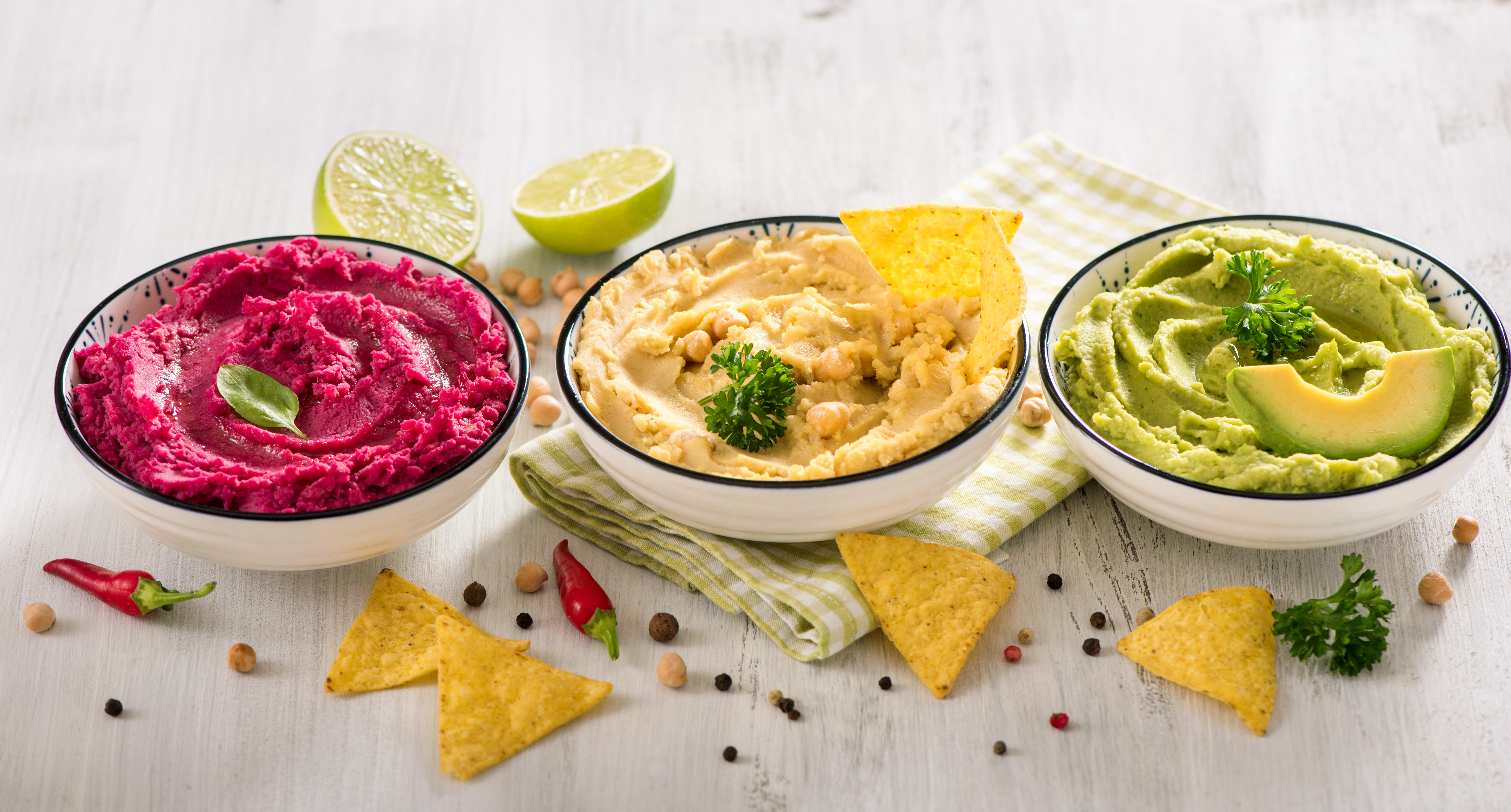
“The better-for-you’ convenience category in Europe has been growing 7-9% annually since 2020,” says Chilli Chan’s founder, Eyan Chan, who has seen that reflected in her own sales. “Our noodles are now in more than 600 UK and EU stores. People still want quick meals, but expect higher quality.”
She adds that the average consumer is now more aware of ingredients, checking labels for additives, and will pay more for natural, transparent products. “Convenience alone isn’t enough. They want health and authenticity too.” While many instant noodles are deep-fried and pack in E-numbers, Chilli Chan’s are sun-dried traditionally on bamboo trays in Taiwan, made simply using wheat, water and salt, with added preservative-free vegan sauces. “In a $60 billion global instant noodle market, we’re offering a premium, clean-label option,” Eyan says.
Health, and having a good quality of life, is playing a large part in the move towards healthier convenience, thinks Charlotte.
“I have personally noticed a shift to people wanting to understand where their food comes from and buying more locally sourced/made. Obviously, this all depends on social and economic demographics. I think more people are aware of ethical eating and trying to be seasonal- they want whole foods with as few ingredients in them as possible- knowing how processed food impacts negatively.”
Time is a buying factor too, naturally. However consumers today are less likely to compromise on quality, no matter how time poor they are. “They are looking for nutrient-dense, quick, flavourful food from trusted sources,” Charlotte continues. “I think I have noticed a shift away from veganism, with a lot more attention to animals sourced protein. At Sea Sisters, we have a lot of people emailing us who have moved away from begin vegan or vegetarian and want to eat our fish as they know it comes from sustainable sources.”
Being nourishing and trustworthy are important, agrees Steve. “In speciality retail, people aren’t just looking for speed – they’re looking for products that align with their values: clean ingredients, sustainability, and brands they can connect with. Convenience no longer means a ready meal filled with additives; it means time saving that makes eating well easier without losing integrity.
It’s no good simply paying lip service to ingredient decks though. Flavour is everything, Baz insists. Speaking of Whitworths’ new mince range, he says, “All research we undertook demonstrated just how disappointed consumers are when it comes to the taste and texture of meat substitutes. It’s the biggest cause of consumers leaving the category, despite 65% wanting to reduce their meat intake.” Putting taste central to their NPD meant customers in trials rated the product 4.9 out of five on taste.
Convenience may well be largely associated with teens and Gen Z, but Bella says she’s actually noticed an older demographic dipping their toes in where they can see a more nutritious alternative in the convenience sphere. “I set out with the uni age group in mind, and 25 to 35-year-olds working in offices, trying to save money at lunch. But I am finding more and more recently a lot of 60 to 70-year-olds and retirees are choosing our products for a hot, nourishing afternoon snack, or as something at the weekend they don’t have to make. They’ve reached out to say they’re feeling more full, and they welcome a clean label packet,” she says. “They’re looking for something that fits into their lifestyle. They might be interested in ‘scratch cooking’, but they’re also looking for things that taste delicious on-the-go. This is what’s so exciting about challenger brands.”
These kinds of products, says Charlie, shouldn’t be seen as an alternative to scratch cooking, but as the next evolution. Stocked, for example, “exists to give people a helping hand with making meals that work for them, while still enabling them to use store cupboard staples and put their own stamp on their dinners. The old freezer aisle is due for a major refresh, because modern shoppers are craving real food that works around their schedule, and rejecting the additive-packed rubbish that has been in there for so many years.”
Categories like dried soup, adds Bella, have been dominated by larger players for decades. “Someone once said every category deserves a challenger brand,” she beams. “We’re here for the lapsed shoppers. A lot are moving away from UPFs, and we can bring them back. There’s a lot of excitement around being able to ‘trade up’.”
Ingredients are where trust is won or lost, thinks Steve. “Shoppers are smarter than ever, and increasingly sceptical of products that hide behind marketing claims while being filled with additives, emulsifiers and fillers. By stocking products with wholesome ingredients, retailers aren’t just offering something healthier, they’re building long-term loyalty. Healthy eating is no longer a niche.”
Eyan agrees, saying healthier products are now mainstream. “Retailers who respond build trust, loyalty and higher basket values, keeping them ahead of the curve.”