Free digital copy
Get Speciality Food magazine delivered to your inbox FREE
Get your free copy

Sustainability is a universal issue, one that comes with challenges as well as opportunities, but the good news for delis, farm shops and other businesses within the fine food sector is that they have the opportunity to be at the forefront of change.
With their proximity to the land and connections with end consumers, retailers and brands are in a valuable position – able to make in-house changes that can have real-time impact on the health of our communities and the planet, and pass messaging from those in-the-know to the public.
It can seem to be an issue with no end in sight, but by fighting for a better future for our surrounding environment, making considered moves towards working within sustainable supply chains and being proactive about making our own operations green, together we can create real change for the better.
Technology platforms, such as those from FuturePlus, are helping businesses become more responsible, resilient and sustainable by making data consistent and useful. Data that allows companies to see where they are today, and where they want to get to, identifying practical opportunities to improve.
This kind of insight is invaluable, says CEO Alex Smith. “The food and drink sector sits at the crossroads of several urgent global issues,” she begins. “At the same time, consumers, retailers, regulation and investors are demanding proof of action, not just promises.”
Sustainability action, as a result, has had to shift from a peripheral concern to a central business function, with those, Alex adds, failing to be proactive, facing tangible consequences, from lost contracts to eroding stakeholder confidence.
What makes data and insight so powerful within the food and drink sector, is the opportunity to apply it in a responsible, well-targeted way across the entire value chain, from farming and sourcing, through to manufacturing, logistics and retail.
“With the right data and digital tools, businesses can reduce waste, cut emissions, improve traceability, protect biodiversity and support more resilient farming communities, all while improving margins and operational efficiency,” Alex adds.
A recent example from FuturePlus is its role in an innovative AI-powered food redistribution initiative between Nestle UK&I, Google Cloud, FareShare and logistics partners, piloting a system to optimise the redistribution of surplus food, potentially saving up to 700 tonnes (the equivalent of 1.5 million meals) and preventing up to 1,400 tonnes of CO2 emissions.
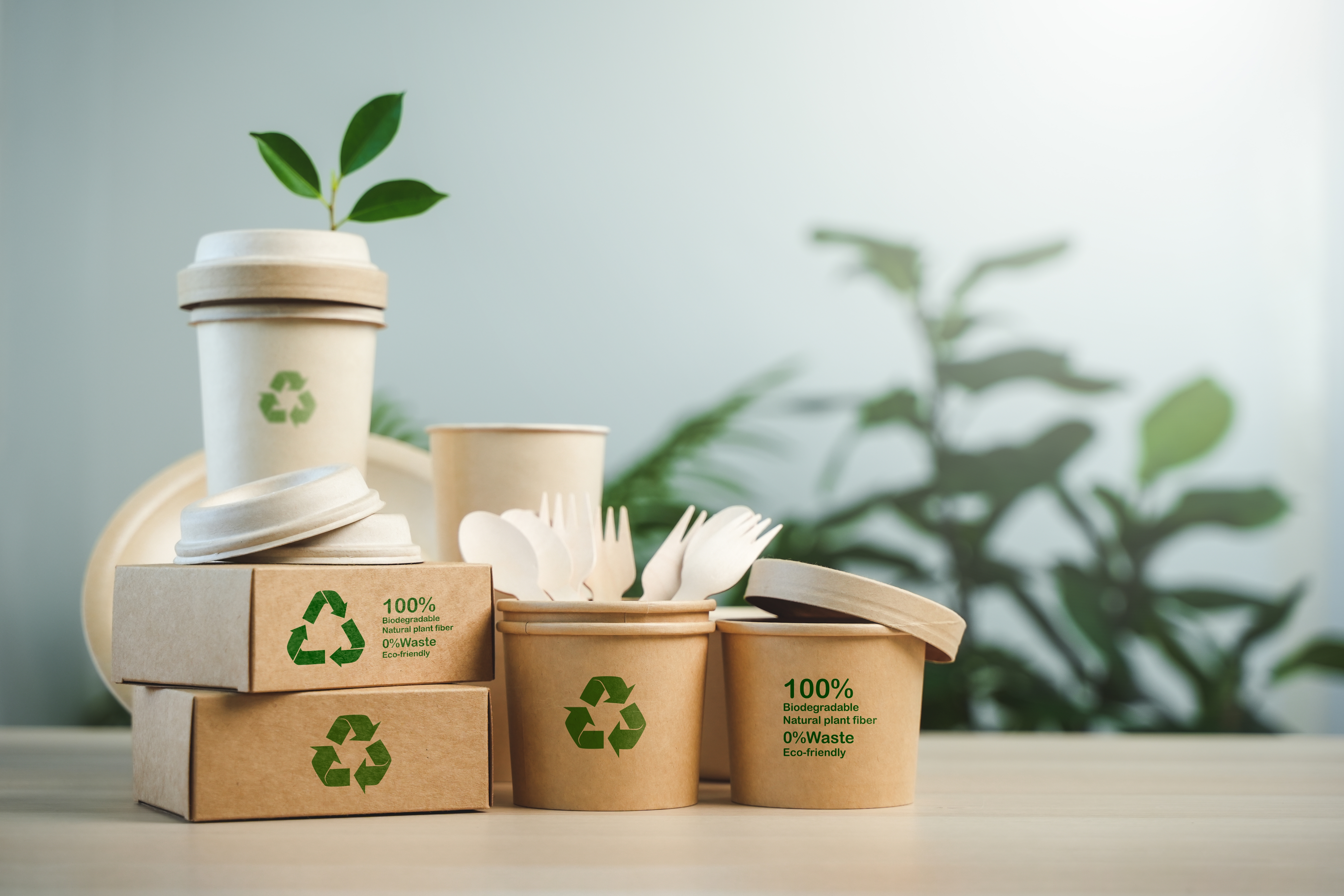
How food is packed for storage, transportation and sale is a hot topic in sustainability conversations. Consumers are demanding better (largely less single-use plastic). Regulations around single-use plastic and recycling are driving change.
Retailers are, in turn, looking for brands who’ve come up with savvy solutions. And these brands are investing more heavily in and being more thoughtful about packaging, right at the NPD stages.
Packaging has, says Future Pak managing director, Rebecca Reilly, moved from being purely functional, to a strategic business decision as retailers and producers face pressure from multiple directions at once.
What makes ‘now’ different, “is that packaging directly impacts compliance, reputation and commercial resilience,” Rebecca adds. “Poor packaging choices can lead to higher disposal costs, supply disruption, or reputational damage, while well-considered decisions can reduce risk, improve efficiency and support long-term growth.”
For food businesses in particular, “packaging is also a highly visible signal of values. It is often the first physical touchpoint a customer has with a brand, quietly communicating whether sustainability is being taken seriously or treated as a touch point.”
Evolution within the industry has been transformational, Rebecca continues – reaching beyond early material swaps, and with data-led solutions considering the full lifecycle, from sourcing and manufacturing, to transport efficiency and end-of-life disposal, with a strong shift towards simplifications and standardisation, to help make improvements at scale.
The future of packaging will be defined less by novelty, and more by intelligent design and accountability, thinks Rebecca. “While innovation in materials will continue, equal importance will be placed on integration with waste systems, clearer labelling, and stronger supply chain transparency. One of the most exciting developments is the move towards packaging optimisation – reducing material use altogether, and designing packaging that works seamlessly within existing recycling and composting infrastructure.”

Global food insecurity is no longer a peripheral issue – it’s mainstream news. We’ve all seen the headlines around failed olive, cocoa, coffee and salad crops. Action is imperative worldwide to find solutions, strengthen supply chains and work in more planet-friendly ways.
And there are many folk behind the scenes moving those cogs. One is Agronomics, a venture capitalist firm at the forefront of the clean food sector. Executive chairman, Jim Mellon, says, “Conventional agriculture cannot, and should not, shoulder this burden alone. That’s where cultivated foods and precision fermentation present a viable solution to this growing issue. What once seemed impossible is now becoming a reality: meat, fish, eggs, cheese, oils, fats and even cacao and coffee can all be produced in new ways – grown, for example, in bioreactors, rather than in fields.”
Jim thinks such innovations could shorten supply chains, reduce emissions, ease pressure on land and water, guard against livestock diseases, and support famers in regenerating soils and restoring ecosystems, all while continuing to meet consumer demand.
“The promise of this sector is fast becoming a reality. But for clean food to have its biggest impact, the sector needs to scale,” he adds. “Which means continued education, investment and support from governments and industry. The choice in 2026 is clear: treat food shocks as a new normal, or use them as the catalyst to build a cleaner, smarter, and more secure food system.”