Free digital copy
Get Speciality Food magazine delivered to your inbox FREE
Get your free copy

The perception of Mexican food in Britain has transformed over the last decade Far from the days of basic supermarket taco kits, increased travel to Mexico (which became a top destination in the pandemic) and social media’s ability to bring once-niche ingredients into the spotlight (especially among younger customers), has increased the average consumer’s awareness of what real Mexican food tastes like – and, increasingly, Brits are hungry for these authentic flavours.
“For a long time, it has been somewhat presumed that traditional Mexican food consists of nachos, fajitas and tacos with lettuce, onions and creamy toppings including cheese and soured cream,” says Richard Wells, development chef at Brakes Foodservice. “In reality, this is the American version of the cuisine, and this style should be more frequently referred to as Tex-Mex.”
In the last three months alone, Google searches for ‘Mexican food’ have gone up 30%, Richard says. “Consumers are seeking fresher, more flavourful and less processed alternatives that demonstrate more complex seasonings and bring them closer to the true experience they’d receive if they were to holiday in Mexico.”
Much of the evolution of the Mexican food scene in Britain has been driven by chefs through restaurants and food trucks, says Alexa Fernandez, founder of Chili Maven, a UK brand specialising in authentic Mexican condiments made by artisan, family-run producers in Mexico.
Looking at London in particular, she says, “five years ago, most of the restaurants that were opening up were very focused on tacos.” Even then, there was a steep learning curve for many Brits. Chefs had to teach customers what a blue tortilla was, or even the difference between burritos and tacos.
As the word spread about Mexican food and consumers became more adventurous, demand for more regional dishes has grown. Chefs are now responding by expanding their menus. “For example, maybe a restaurant that was only serving tacos now offer pozole on Sunday, which is a typical dish that you have for a Sunday brunch,” Alexa says. Chilaquiles and huevos rancheros, which are typical Mexican breakfasts, are also making appearances.
“I think that’s important because it’s showing that the consumer is finally ready to accept those dishes as well,” Alexa says.
It’s been clear for years that demand for Mexican food and drink is growing, so it’s no surprise that supermarkets are expanding their product ranges too, with many opting for whole Mexican aisles or sections as opposed to a few products in with a ‘world foods’ area.
But the multiples are missing something crucial, says Alexa. “I don’t see that they’re doing anything to address the desire for authenticity, nor premium, nor quality,” she says. “So you do have new products coming out, but when you look at the ingredients, there’s not anything really Mexican rooted in there,” she says.
“They’re all just replicating the same model,” she continues. That is: Tex-Mex taco kits packed with cheap ingredients like flour tortillas loaded up with fillers and flavours based around cumin – a spice that is, in fact, rarely used in authentic Mexican cuisine, Alexa says.
A few Mexican staples are breaking through into supermarket aisles – but even when they do, the end result isn’t quite right. Take Tajin, for example. The classic Mexican blend of chillies, sea salt and lime juice is traditionally used as a seasoning on fruit or snacks like popcorn and crisps. But in Britain, people are cooking with it. Or there’s mole, a complex sauce with deep flavours and a rich history. Alexa points to social media videos of consumers eating it straight from the jar and complaining about the taste – without realising that mole needs to be prepared.
“Even though there’s new ingredients being introduced, people still need a lot of education,” she says.
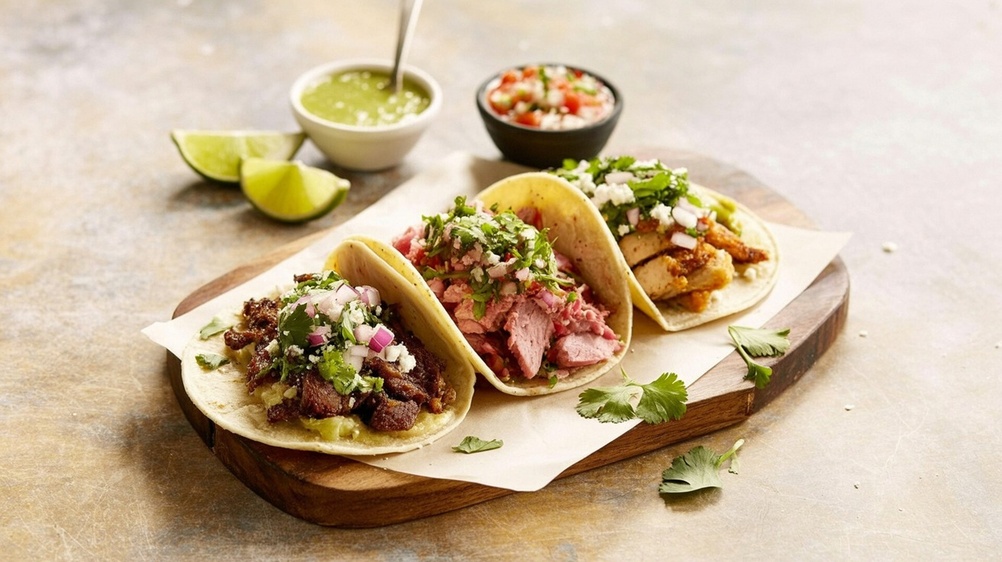
Speciality stores “really have the opportunity to distinguish themselves from the big retailers, because the big retailers are simply not offering the products that consumers want,” Alexa says.
And as well as stocking more authentic brands, fine food retailers can provide the much-needed educational element.
For challenger brands like Chili Maven, Alexa says the lack of education around authentic Mexican cuisine is still a barrier that needs to be overcome. “It’s taking us a lot of time to gather momentum because the education process is so long,” she says.
To break this barrier, Alexa advises that retailers be led by brands who already have the expertise on how to market their products. “Allow them to guide you on that educational journey. Because brands, we’ve been out there at markets, at tastings, talking with the customers, and we know how to speak to [consumers].”
Second: recipes and tastings are key. “A lot of what I try and do with my stock is to provide recipe cards or give them ideas so people know and understand how to use the products. Without that, it can be a challenge,” Alexa says.
Tastings and events can give retailers and brands the opportunity to educate customers together. Alexa supported Laura’s Larder to hold a Mexican night as part of an ongoing supper club series.
For Laura’s Larder’s Laura Robers, what started as pandemic project has grown into a full-blown Mexican shelf. “It’s just one shelf,” she says, “but if you saw my shop you would appreciate that one shelf is quite a lot!
“It all started in lockdown when restaurants were selling meal kits, and we worked with Tacos Padre in Borough Market,” Laura explains. Working together, they sold taco kits in Laura’s shop. But after everything opened up again, her customers wanted to continue buying the products, so Laura started importing with MexGrocer and working with UK and Irish brands like Chili Maven, Blanco Niño and more, which offered premium products with authentic credentials.
When Laura first started offering Mexican products, she had questions from customers about what products and ingredients were and how to use them – but their knowledge has evolved with the shop’s offering. “I feel like it’s much more in the language of food lovers and food buyers now,” Laura says. “We’ve moved on so much from the awful greasy, cheesy Mexican food that England used to be famous for.
“It’s really nice that people appreciate the freshness and the flavour that Mexican food is about.”
With a clear opportunity for indies, now is the time to stock up on Mexican food in your shop if you haven’t yet.
Freshly made corn tortillas are a great starting point, as they naturally interest shoppers who are keen for less processed food made from simple ingredients, as well as gluten-free options. “People really appreciate the authentic corn tortilla,” Laura says.
“Whilst it’s been the foundation of Mexican cuisine for centuries, corn is now seeing a resurgence and has a new wave of appreciation from chefs, retailers and consumers that stretches far beyond just an ordinary tortilla,” Richard adds.
Cool Chile is well known for fresh tortillas and tortilla chips, and Masa Tortillas in Bristol also produce soft, fresh corn tortillas for local shops and restaurants. Blanco Niño, based in Ireland, also make tasty tortilla chips to an authentic recipe.
With most consumers now well aware of the chipotle chilli, it’s time to branch out – and dried chillies is the most authentic way to add a kick to your recipe, according to Alexa. There are many flavours to explore here, from mild ancho to tangy pasilla to medium-hot guajillo.
Customers might need a bit of advice when getting started with dried chillies. Brands like Cool Chili sell whole dried chillies as well as the more familiar flakes and powders. Laura also recommends Flavour Bombs Birria Cooking Base for a convenient flavour booster.
Your storecupboard is another good place to add a Mexican twist. As well as pastes and marinades that will pack a dish with flavour, sauces and salsas can be versatile additions. Herdez is an iconic Mexican brand that makes salsas with real tomatoes, chillies, and spices. And don’t miss Chili Maven’s salsa macha, an infusion of chillis, nuts, seeds and garlic in oil, which can be used as a topping or garnish.
Your pantry can build out further into Mexican-inspired condiments, with everything from chipotle mayo to hot sauces like Thiccc Sauce Cholo Mole Hot Sauce.
“The combination of fiery and fruity is popular within Mexican cuisine,” Richard says. “The mix of lime, chilli and mango is often seen within salads, salsas and cocktails, and this has been amplified on social media with users, particularly on TikTok, creating their own recipes and seeking out the stores, delis, cafes and restaurants serving food and drinks with these specific flavour combinations. This includes the popular Mexican drink the mangonada, which has 50,100 posts associated with it on TikTok,” he says.
Spicy flavours took centre stage at Givaudan’s Chef’s Council held in March in Mexico City. “Around the world, more than 80% of people are eager to explore hot and spicy foods from multiple cultures, yet spiciness is about far more than just heat,” says Thomas Ullram, global marketing director at Givaudan.
Its gathering of world-renowned chefs, flavourists and R&D experts explored how the appetite for spice has never been stronger, but the meaning of ‘spicy’ is changing.
“It’s no longer about who can handle the hottest chilli; it’s about the journey of heat: how it builds, where it’s felt and what emotional experience it delivers. We’ve observed that the newest generations want complexity. They seek nuanced combinations that go beyond simple burn: sweet heat, smoky spice, fermented tang or even chilli balanced by chocolate or creamy indulgence.”
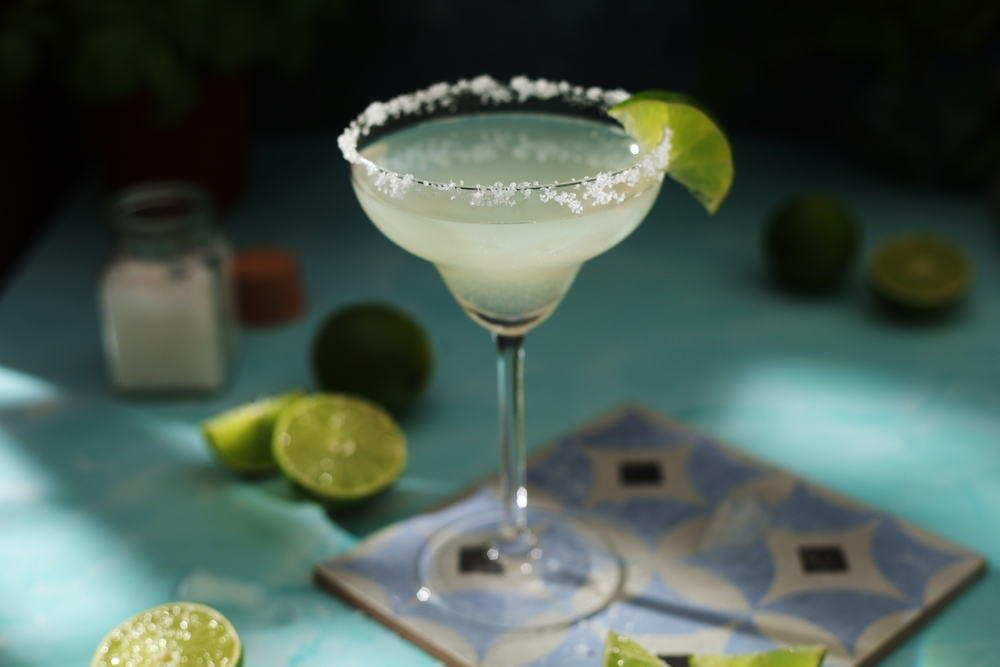
Tequila is getting the ‘gin treatment’, Richard says. He’s seen a 158% growth year-on-year at Brakes. “The spirit has been premiumised and has evolved into a ‘sipping spirit’, with consumers now giving significant consideration to any mixers the spirit is drunk with, whilst exploring different brands, finding the flavour variations they enjoy and brushing up on distilling techniques.”
Spicy margaritas are also popular with shoppers. “Consumers are becoming more adventurous with flavour, increasingly favouring savoury, spicy, slightly sour and citrus-led cocktails over sweeter serves,” Richard says.
“The popular visual of the classic salt rim on a margarita glass has also received an upgrade, where drinkers are getting more creative by adding colour, spice and savoury kicks. This Mexican-style garnish, such as tajín or chilli-salt rims, is also starting to be seen on other drinks including the paloma and the michelada.”
Jourdan Gabbini, Waitrose’s beer, cider and spirits buyer, agrees. “These flavours can easily be added to other cocktails for a savoury twist – for example a spicy paloma has become increasingly popular, because the salt and tajin cuts perfectly through that tart grapefruit.”
Popular options in Laura’s shop are Whitebox Cocktails’ Spicy Marg and Bottle Bar & Shop’s Classic Margarita and Spicy Margarita.
Knowlege surrounding premium agave, mezcal and tequila increases, but Felix Jordan, the founder of Sagrado, a sparkling agave beverage, says it is “still majorly unknown in the UK”. “Most people would have only heard of it because of the sweet syrup they put in their coffees or tequila.
Felix tells Speciality Food it is “exciting to see such an amazing culture and flavour-rich country” making waves in the UK. Sagrado, a sparkling agave, is a modern interpretation of an ancient Aztec drink called pulque, and the brand is currently hosting a pop-up at community food market Mercato Metropolitano Elephant & Castle. The cider alternative is made from blue weber agave. “Whilst made from different parts of the agave plant they are both naturally fermented, 4-5% ABV and drunk socially to bring friends and family together,” Felix says.
Looking for something else entirely? Jourdan recommends “the malty, beer-based Michelada is a really unique savoury cocktail that lends itself really well to the other savoury flavours, which include tabasco and Worcestershire sauce. It’s a really delicious option for those looking for an alternative to spirit-based cocktails.”
There is still plenty more to explore in Mexican cuisine. Laura, who had an earlier start on the UK Mexican food trend than many retailers, recognises that the products she sells are still “quite mainstream” and doesn’t class herself as a Mexican food trend-setter. But, she says, “I feel proud that we have a Mexican shelf that has pretty high turnover of stock.”
In the years to come, Alexa hopes to see more confidence with and knowledge of regional flavour profiles, so consumers understand the key ingredients just as they do a korma or a massaman curry. “Right now, it’s the regional dishes that are that are being prioritised, like pastor, birria, tinga.” This would make a big difference in consumers being able to identify authentic Mexican dishes, she believes.
For Richard, the future is also about regional variations of Mexican cooking. “Expect to see more freshly cooked corn products, authentic chillies, ceviches, slow-marinated meats, mole sauces and other regional specialities making their way to retailers and within restaurant menus,” he says.
Mole, Alexa says, is “the most complicated, the most controversial flavour profile, I would say, out of the Mexican dishes”. Embracing such a sophisticated flavour might be a little while off, but it will be a telling moment when it does arrive. “When mole becomes mainstream in the UK, that’s when you know that Mexican cuisine has arrived.”