Free digital copy
Get Speciality Food magazine delivered to your inbox FREE
Get your free copy

Not many sectors in the food and drink sector inspire as much joy as confectionery, thanks to its heady mix of childhood memories, indulgent formats and sugar craft that has stood the test of time for centuries.
While the universal popularity of such European confections could easily suggest that their recipes hail from ancient times, the truth is much more modern. “There was no sugar in Europe before the 1500s,” begins Andy Baxendale, consultant to the EU’s More Than Only Food & Drink campaign. “It originally grew in the Far East before it was grown on plantations in America and the West Indies, and was originally so expensive that it was reserved for the very wealthy for a long time – if you were very well off you would have had an in-house confectioner as well as a cook.” It became cheaper and more commonplace in the eighteenth century, when middle class shoppers first had access, and in the nineteeth century mechanisation meant that it became available to the lower classes too.
Europe is particularly rich in sugar-laden history, Andy explains. Marzipan, which has become much-loved across the world, consisted of just three ingredients when it was first made in Germany, pate de fruits are deliciously giftable, and Jijona PGI and Turrón de Alicante PGI – hard and soft traditional Spanish nougat – is a particular favourite of fine food shoppers during the festive season as are marrons glaces – candied chestnuts.
Everyone is familiar with the taste of gianduja, a blend of Piedmontese hazelnuts and chocolate that is an internationally-renowned taste of Northern Italy, made famous by a certain jarred hazelnut chocolate spread. Ditto the French caramel au beurre sale, which inspired the influx of salted caramel-flavoured iterations of everything from chocolate to biscuits and hot drinks a few years ago; its creation was no doubt monitored by the medieval patisserie guilds which ruled over ingredients such as honey, nuts and later sugar.
Speaking of chocolate, Europe has plenty of hotpots for chocolate lovers with Belgium, Switzerland and Germany all producing large volumes – and to a higher quality than much of what’s available in the UK, says Andy, explaining Europe’s internationally-recognised reputation for premium chocolate. “Europeans are a lot more purist about their chocolate than Britons are,” he explains, “for example, their standard milk chocolate has to contain a larger quantity of cocoa solids than ours, and cocoa butter instead of vegetable or palm oil, so more of the pure chocolate flavour remains.”
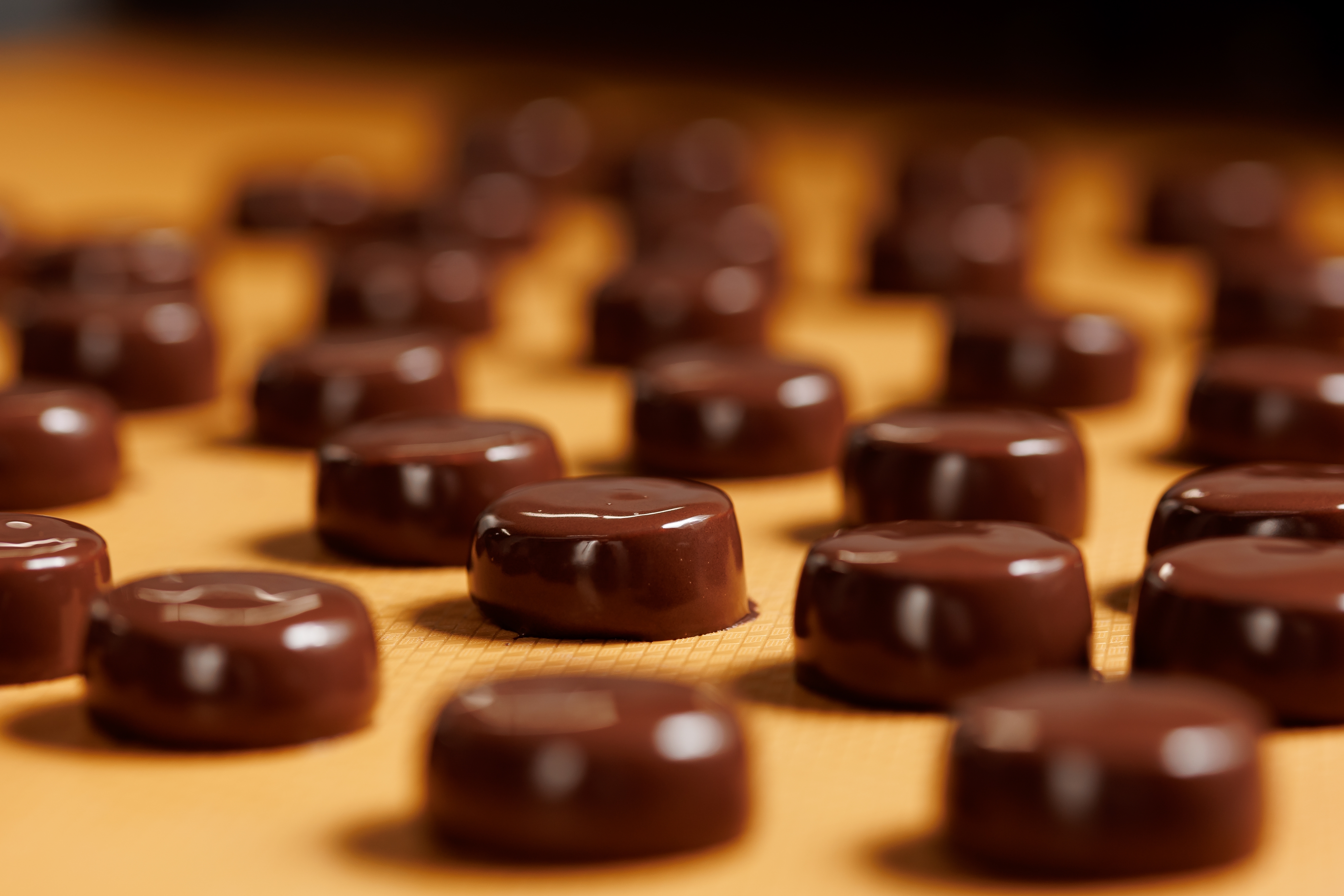
Alongside the quality of the confectionery they consume, shoppers are becoming increasingly aware of the impact their purchasing decisions have on the lives of cacao workers thousands of miles away, as well as their own health; thankfully, the fine food sector is rich in delicious options that don’t compromise on either. “The chocolate market is evolving as consumers are more aware of what is it in chocolate, with many brands coming under scrutiny for high sugar, and fat content making them more like confectionery,” says Pierre Marcolini, Belgian chocolatier who runs premium chocolate shops around the world.
The role confectionery plays in people’s lives is evolving, says Pierre. “In the past, chocolate was primarily associated with gifting. People would buy and offer chocolate for special occasions, celebrations, or as a thoughtful gesture. It was perceived more as a gift than as an everyday personal indulgence.”
Today, this dynamic is changing dramatically, he continues. “Chocolate is increasingly becoming something people buy for themselves. It is moving into the realm of personal enjoyment, almost as a form of emotional self-care: consumers choose chocolate to treat themselves, much like they would choose a cookie, a pastry, or another comforting indulgence.”
Despite the health concerns rife within the mainstream chocolate and confectionery sector as headlines around UPFs become increasingly loud, Pierre has found that consumers are choosing bigger – and better – confectionery as a result of the evolution of its purpose. “We are seeing a growing demand for products that are more generous, more immediate, and more nostalgic in nature: larger bites of 15 to 20 grams, richer products, bigger chocolate pieces, sometimes more playful, yet always highly desirable.
“This trend is particularly visible in the success of chocolate-coated marshmallow bars, inclusion-filled chocolate bars, such as products featuring dried fruits, and crunchy or melting textures. Chocolate is becoming a simple, spontaneous, and deeply personal pleasure,” he says.
Confectionery will always be a pleasurable necessity in our lives, but the future of the sector takes two paths, explains Pierre. “On one side, there will be the mass-market chocolate segment, closer to the world of candy bars: more accessible, more industrially produced products designed for broad and immediate consumption. On the other side, there will be a more demanding, rarer, and more purpose-driven chocolate segment: origin chocolates, the bean-to-bar movement, and artisans and chocolate makers who work with exceptional attention to raw materials.
“This chocolate will likely become more expensive, particularly because high-quality cocoa will become increasingly difficult to source. However, it will also offer superior quality, stronger traceability, a genuine flavour identity, and a much more sophisticated tasting experience.”
Pierre is convinced that this second path will continue to grow: “a vision of chocolate that is more refined, more precise, and more responsible – one that is no longer viewed simply as a sweet treat, but as a true tasting experience.”
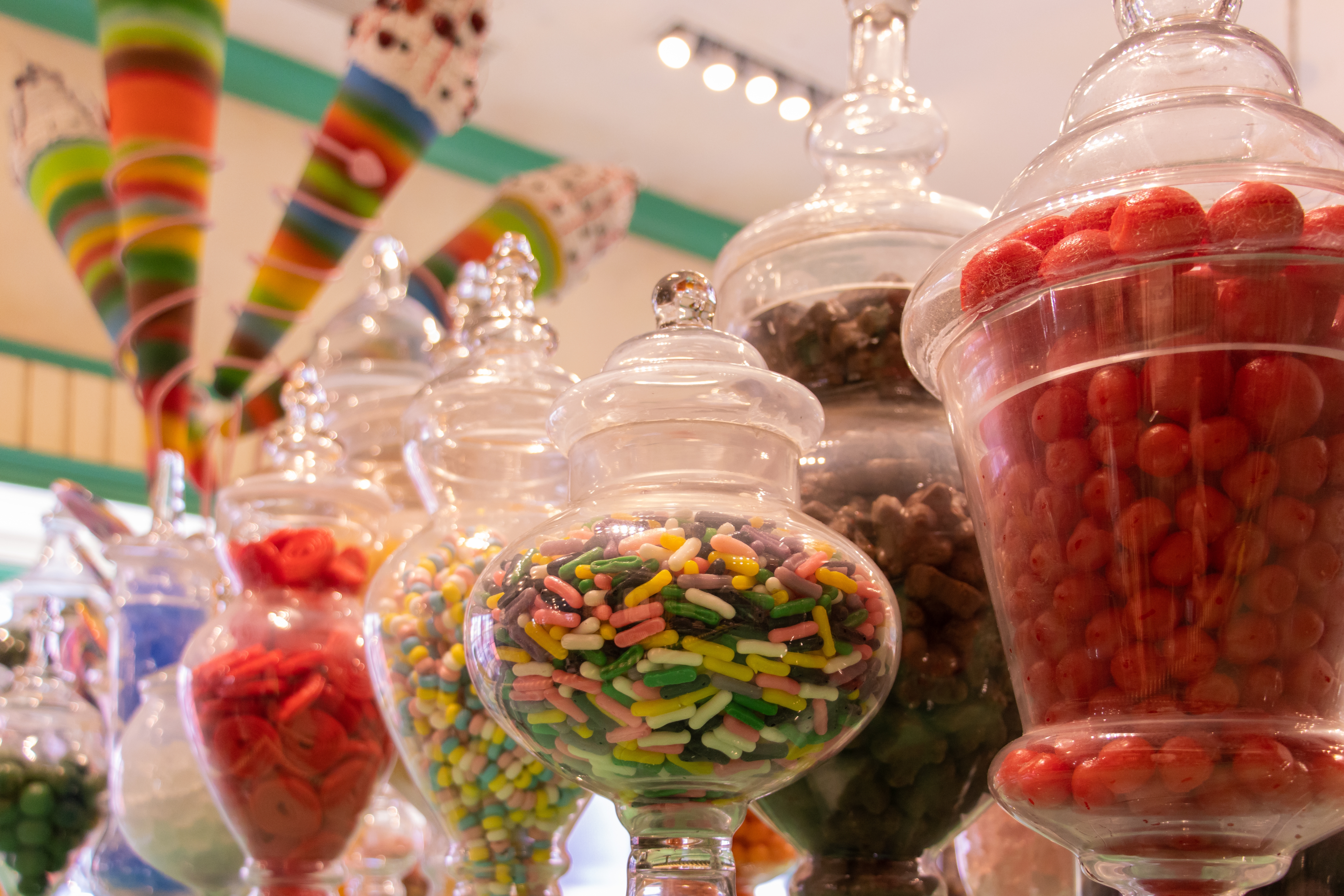
Of course, experience is the signature of passionate independent retailers. While confectionery is a commonplace product to be found in multiple retailers up and down the country, independents offer something they can’t: a sense of familiarity, of coming home, and of the tastes, sights and smells of their childhood.
“We get a lot of older customers who come in with their grandchildren, both excited to tuck into some familiar treats,” says Becki Condon, owner of traditional sweet shop, Sweet Memories. “Older generations tend to stick to the flavours of their youth, so the likes of boiled sweets, mint humbugs and aniseed balls – which they loved as a child because they lasted a long time, an important factor when they only had a few pennies to spend.”
Adults who grew up in the eighties and nineties love retro options such as bonbons when they visit Sweet Memories, and even customers in their twenties opt for confectionery that gives them a taste of their childhood; “everyone’s got a story to tell.”
Younger children love chewy, fizzy sweets and the opportunity to practice money skills by deciding the purchases that will make the most of their £1 pocket money, a skill they are not often given the opportunity to develop and a valuable responsibility for the independent retailer, points out Becki, who worked as an accountant before taking on the shop two years ago.
Customers of all ages appreciate the visual joy of a shelf of jarred sweets, as well as the signature smell that they walk into when opening the shop door. This writer still lovingly recalls the polished dark wood shelves and countertops of the sweet shop her father took her to when she was young, which he had frequented in his childhood decades before, as well as the smell of pear drops emanating from the local confectionery-maker’s nearby courtyard. Nearly 30 years on, the memories are as vivid as ever.
Sweet Memories is home to 140 traditional-style jars as well as grab and go packets of confectionery, the contents of which are strictly audited by Becki’s customers. “Confectionery is a multi-generational pleasure and there’s something for everyone, whether you’re two or 92, and their experience matters; my customers won’t hesitate to tell me if I’ve stocked up on the wrong brand of a sweet, if something tastes differently to how they remembered it from years before,” she says – demonstrating the tangible value of nostalgia, as well as of the connection independents can build with their audience.
Sweet shops are an integral part of the community they operate within, and part of the joy of confectionery, says Becki, is the connection it invokes. People don’t just come into the shop to buy sweets – it’s not just a transaction, it’s an opportunity for a chat, to slow down the pace of everyday life and reconnect with the memories of their childhood. “Even when people are queuing to be served, there’s no sense of rushing or wanting the person at the front to stop sharing their stories with my team; people are happy to have the chance to pause and recall their own childhoods.”
While young and old have fallen in love with the joyful experience of shopping for confectionery, there is plenty of space to make more of this sweet opportunity – and British retailers can take inspiration from Europe. From ingredient quality to the experience confectionery offers, Europe respects it all. “Consumers on the Continent seems to appreciate the artistry of confectionery more than we do in Britain,” says Andy. “There’s a lot of theatre around confectionery and chocolate-making, and it is seen as an artform – whereas the number of confectioners in the UK is dwindling.”
If you are a retailer looking to boost confectionery sales, consider welcoming a local confectioner or chocolate maker through your doors for a tasting event or even a demonstration – there is nothing like the taste of freshly crafted confectionery, particularly if it is created right in front of your eyes, and this will motivate your customers to opt for better when seeking out a sweet treat… A European-inspired move from which we can all benefit.