Free digital copy
Get Speciality Food magazine delivered to your inbox FREE
Get your free copy

The idea of fermented food and drink doesn’t sound very appealing -a kind of slurry of bacteria or cultures and veg, fruit or liquid, left to ‘do their thang’.
It isn’t until you expressly get into the nitty-gritty of these products and ingredients that their true beauty and magic are unveiled. What would life be without cool, effervescent, frothy real ale, wedges of piquant, savoury blue cheese, or silky dollops of yoghurt freckled with granola, stained by the juices of ripe seasonal fruit?
Fermenting, as a process, goes back to at least 10,000BCE, revolving predominately around dairy, and was probably discovered (as most good things are) by accident, when a rogue batch of milk was found to have ‘turned’ - the concoction bringing with it an intriguing new tang and tongue-coating thickness.
To say we continue to enjoy the fruits of our ancestors’ discoveries is an understatement. The rise of scientific data around ferments and their crucial role in gut health, which impacts everything from our immunity to emotions, has put them firmly in the spotlight, and consumers are clamouring to include them in the weekly shops.
Analyst, Fortune Business Insights, anticipates fermented food and drink to hold a significant share in retail over the next five years, making these products a key consideration for independents.
An innate part of the appeal, says ferment workshop host, Kathy Sanderson, is a return to seasonal wisdom and natural living, with fermented food and drink helping more of us to feel calmer, more focused and more balanced. “Many people describe feeling more ‘themselves’ when they start including live foods like sauerkraut, kimchi and mayo in their meals. It’s as if the fog lifts and they feel more grounded and present. It’s no coincidence that traditional diets rich in fermented foods are often linked to longevity and emotional stability.”
Retailers are reporting strong and sustained sales as a result of increased consumer knowledge.
Tina Manahai, MD and founder of Healthy Supplies, says she’s noticed shoppers paying much closer attention to how their bodies are functioning, and what they’re putting into them, since the Covid-19 pandemic.
“Health and wellbeing have really moved to the forefront of people’s minds, and that shift is very visible in the way they shop with us,” she says. “We’ve seen a marked rise in the popularity of fermented foods and drinks such as kombucha, kimchi, sauerkraut, miso and kefir. Alongside ready-to-enjoy options, there has also been a growing appetite for products that allow people to create their own ferments at home. Fermentation kits, equipment and specialist ingredients have all been performing strongly.”
In response, the business has expanded its ranges in both ready-made and DIY categories. With, she adds, around 70% of the body’s immune cells located in the gut, it’s not surprising more of us are making the connection between a healthy microbiome and long-term health resilience.
“People are experimenting, adding a wider variety of fermented products into their daily diets, and recognising the link between nutrition and preventative health,” she continues. “We believe this shift is here to stay. Consumers are becoming increasingly knowledgeable, proactive and intentional about their food choices, and specialist retailers like ourselves are well placed to support that journey.”
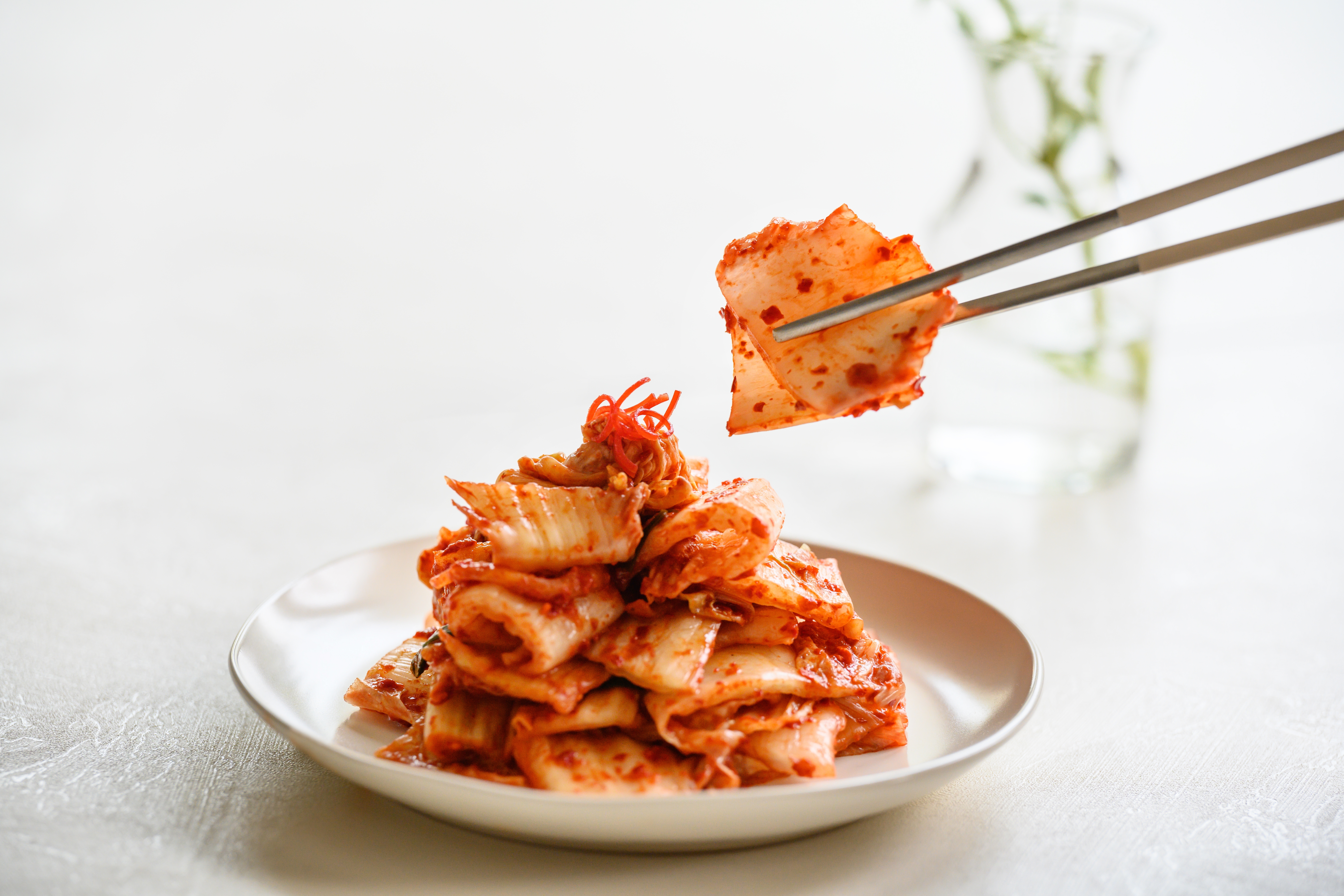
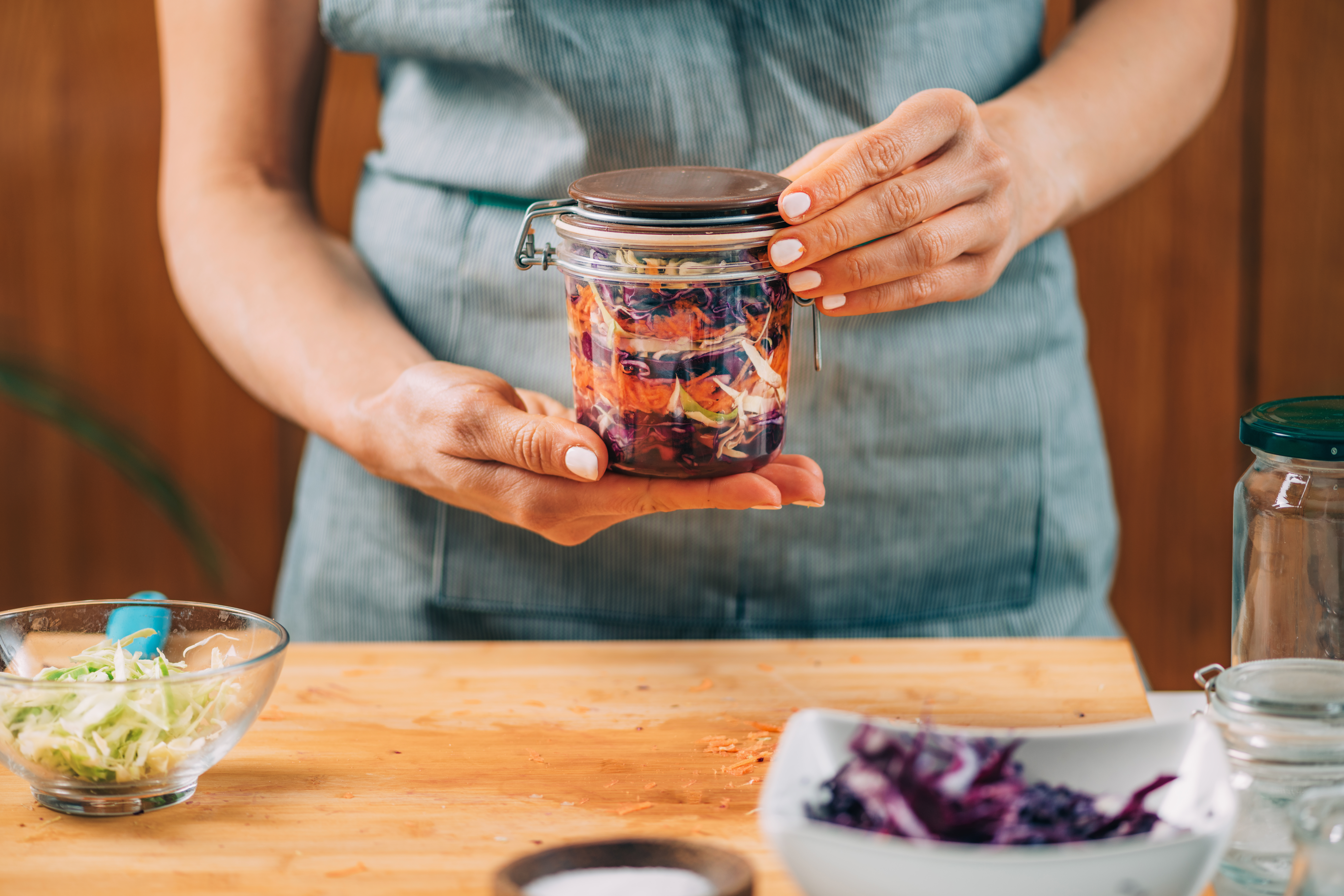
Pickling, brining, wine, beer and cheesemaking, charcuterie production – all fall into the fermented realm.
The basic principle of the technique is making use of beneficial microorganisms, which metabolise sugars and byproducts including alcohol, lactic acid and acetic acid.
Lactic acid fermentation is the method most frequently used for products such as sauerkraut, sourdough bread, kimchi and yoghurt.
Alcohol or ethanol fermentation involves yeast breaking down starches or sugars into alcohol and carbon dioxide for beer and wine.
And acetic acid fermentation is most commonly associated with the production of apple cider vinegar and kombucha, taking place when starches and sugars from grains and fruit ferment.
In a word, yes! Scientists and nutrition experts widely agree that the live bacteria in fermented products (probiotics) can have a positive impact on health when eaten on a regular basis. These ‘good bacteria’ are thought to be useful for boosting immunity, improving digestion and gut health, and lowering the risk of conditions like Type 2 diabetes and heart disease.
It’s important to approach all fermented food and drink slowly, introducing them in small amounts so the body can adjust, otherwise they can cause gas/indigestion. It’s a case of moderation.
Fermented foods are booming, says Elena Deminska, founder of London’s Fermary – a modern wellness brand producing 100% raw ferments working with five generations of British growers to produce its fully traceable seed-to-jar products, based in the iconic New Covent Garden Market in Nine Elm. “The UK fermented food and beverages market reached £925 million in 2023, growing 5.2% year-on-year.” And health is driving demand, “with Ocado searches for ‘fermented food’ having surged 139%, with sales of raw organic sauerkraut up 188% and kimchi up 65%,” she adds.
“There’s been a mainstream shift from the once niche kimchi and sauerkraut to both products now being stocked by major supermarkets like Tesco, Sainsbury’s and Waitrose. We expect the trend to continue in its trajectory.”
Arthur Serini, who founded The Crafty Pickle Co, making raw and unpasteurised sauerkraut and kimchi after finding himself disenchanted with the many unsubstantiated and oversimplified claims in this space, says there’s no doubt interest in gut health and the microbiome have caused a sizeable shift in the ferment market, but thinks flavour has a part to play too in these products’ popularity. They bring added zip and zing to everything from fried eggs, to noodles, soups and sandwiches.
“Fermented foods provide flavour that no other food preparation method can achieve,” Arthur explains. “They keep our food exciting. The fermented food trend doesn’t seem to be going anywhere anytime soon, especially as more research comes out and people continue to seek out new flavours.”
Nick Vadasz of Vadasz started his business in a shipping container in Hackney back in 2011, making fermented and vinegar-brined pickles, sauerkrauts and kimchi. The sheer amount of interest in these products has propelled Vadasz, which is now seen in multiples and independents across the UK. He calls this growth in the market an “evolution”. “My grandmother’s generation was raised eating fermented foods, and people are hungry for that old knowledge and traditional food practices. It’s also because people want to eat more vegetables and less processed foods, and there’s been a real renaissance in pickling and fermenting at home too.”
“We love to dip,” smiles Nick. “The nation has become a country of dippers who enjoy a flavour hit to transform everything from carrot sticks to crackers into a taste experience.” Many of the products within this category can be heavily processed, which is why Vadasz has leaned into a new line, launching the UK’s first range of live cultured naturally fermented dips, including Vadasz Kimchi Houmous, Vadasz Super Beet Kimchi Dip and Vadasz Garlic & Dill Pickle Dip, reflecting interest in both snacking and grazing, and fermentation, Nick says.
Consumers are embracing innovation within the fermented sphere, agrees Ferment Fizz co-founder, Jola Chabros. They’re looking to go beyond products they’ve already familiarised themselves with, such as kombucha and kefir, or are upgrading to premium options within these categories.
Ferment Fizz uses a historic Eastern European method of brining citrus to make traditionally fermented sparkling drinks that don’t taste of vinegar – which some consumers can find off-putting,
Flavour comes first, and that is crucial to getting any fermented food or drink right. “If something doesn’t taste good, it’s not going to stick. People don’t want to be forced into health – they want to enjoy it,” explains Jola. “We’ve created a drink that’s refreshing, tangy, and genuinely satisfying. And when they find out it’s also good for their gut, that’s a bonus.”
Shoppers want healthier options, Jola continues, adding that not everyone enjoys the sharpness of acetic acid ferments. “People want fermented products, but they also want something fruity and easy to enjoy. We use whole fruits with their skins, allowing the natural microbiome on the surface to start the fermentation process. This creates a sparkling drink rich in organic acids – especially lactic acid, the most studied acid linked to digestive health. And it’s not just good for your gut – it’s amazingly tasty because the zest in our lemonades gives them a depth and intensity that juice-only drinks can’t offer.”
A further consideration, says Jola, is that consumers are actively looking for alternatives to preservatives. “Ingredients like citric acid, once seen as harmless, are now being questioned - and for good reason. Despite its innocent name, most added citric acid isn’t made from lemons at all - it’s a processed ingredient derived from black mould (aspergillus niger). Consumers are right to question it, especially those with gut sensitivity, allergies, or autoimmune conditions. And it’s actually hard to find soft drinks without it. I think more and more people feel misled. And that’s why fermented products are so important, because in true, live fermentation, there’s nowhere to hide. You can’t ferment something your body can’t digest. Real fermentation only works with real, edible ingredients, and that honesty is powerful.”
Arthur thinks ferments with a punch of spice will grow within the category and are worth retailers looking into. “We get a lot of people ask about the spiciest product we have, but seeking out spice is nothing new. Many newcomers to fermented foods are just looking for something palatable to put on their plate to increase their fermented food intake and potentially improve their gut health.” The Crafty Pickle keeps customers interested by releasing limited batches to tantalise their taste buds.
Something we haven’t mentioned yet is the ‘f word’. Functionality. Fermented foods are being embraced as functional ingredients – essentially chosen because they perform a function for the body. Consumers are viewing ferments almost as a form of medicine, says Elena, adding that demand is overwhelmingly driven by the pursuit of gut health. “Specifically, they seek probiotic-rich foods that have clear benefits, including improved digestion, reduced bloating and immune support.”
Mykolas Karpičius, founder of Cannumo, which makes Goodie (an unpasteurised, fermented drink with nine times more live bacteria cultures than most others) believes consumers are looking for trust and simplicity when making their decisions. “People want clean-label products with no unnecessary fillers or sugars, and they want them strong enough to make a difference. They’re also looking for routines that don’t feel like a chore.” Goodie, for example, is taken as two shots a day, making it “powerful, natural and easy to integrate into everyday life.”
Someone who ventured into the fermenting world before the ‘boom’, is Louise Avery of LA Brewery. She thinks it’s interesting to note that people’s palates have changed. “We now crave less sweet food, and the tart/slightly acidic taste profile has increased in popularity – think natural wine and the growth of fermented foods in general.” Louise agrees with Mykolas that today’s shoppers is seeking artisan products that aren’t heavily processed, are high-quality, and deliver on taste as well as health benefits.
Fermented food and drink are fully embedded in the foodie world now, experts agree. It’s down to speciality retailers to do their homework, taste products, and engage with customers to find out what it is they want and need.
Louise recommends choosing UK-made brands who understand fermentation. “And this might not be the cheapest one on the shelf.” She says retailers should steer clear of anything with added sweeteners too. “They have a negative effect on the gut, counteracting the benefits of the live cultures. I think retailers should always endeavour to meet the makers and brand owners to understand the products where possible. B Corp is a helpful indicator of an ethical business, which is now also important for British consumers, I believe.”
If you’re not already stocking fermented products, Arthur says now’s the time to jump aboard as the train doesn’t show any signs of slowing down. “Although they might not be for everyone, stocking fermented foods and offering them on menus just increases exposure to these types of foods. They keep extremely well (if kept refrigerated) and oftentimes have a long shelf life, which decreases risk of the retailer taking a line on.”
Importantly, growing your lines will set you apart, he adds. “You are offering something new, exciting and a little bit different. Sample them with your customers. Get people excited to taste the complexity of flavour that these types of food offer.”
Jola agrees ferments are not a passing trend – more a category consumers are hungry for. “Retailers who understand fermentation as more than just vinegar or kombucha will win. First, they meet the growing consumer demand for functional, clean-label foods. Secondly, fermented foods are one of the only functional categories where the benefit doesn’t come from additives - it comes from the process itself. Unlike many wellness trends, fermented products actually work. Consumers feel the difference in digestion and overall wellbeing - which means they buy again. That kind of tangible effect is gold in retail.”
Stocking fermented food and drink will give you leverage with younger speciality customers adds Nick, who says Vadasz’ research tells him almost a third of under 26-year-olds feel ketchup is outdated, while showing a rise in the popularity of fermented condiments.
“Overall, 57% of the young Brits surveyed said they preferred healthier condiments to sauces that were full of sugar, preservatives or hydrogenated vegetable fats, with 49% avoiding certain condiments because of their lack of nutritional value.”
“Wellness is no longer a trend, it’s an expectation,” says Mykolas. “Retailers who meet that demand win loyalty, repeat purchases, and differentiation. Stocking wellness products like Goodie isn’t just about following a category trend – it’s about staying relevant to modern shoppers who see gut health and wellbeing as essentials.”
12 of the most popular types of fermented food and drink
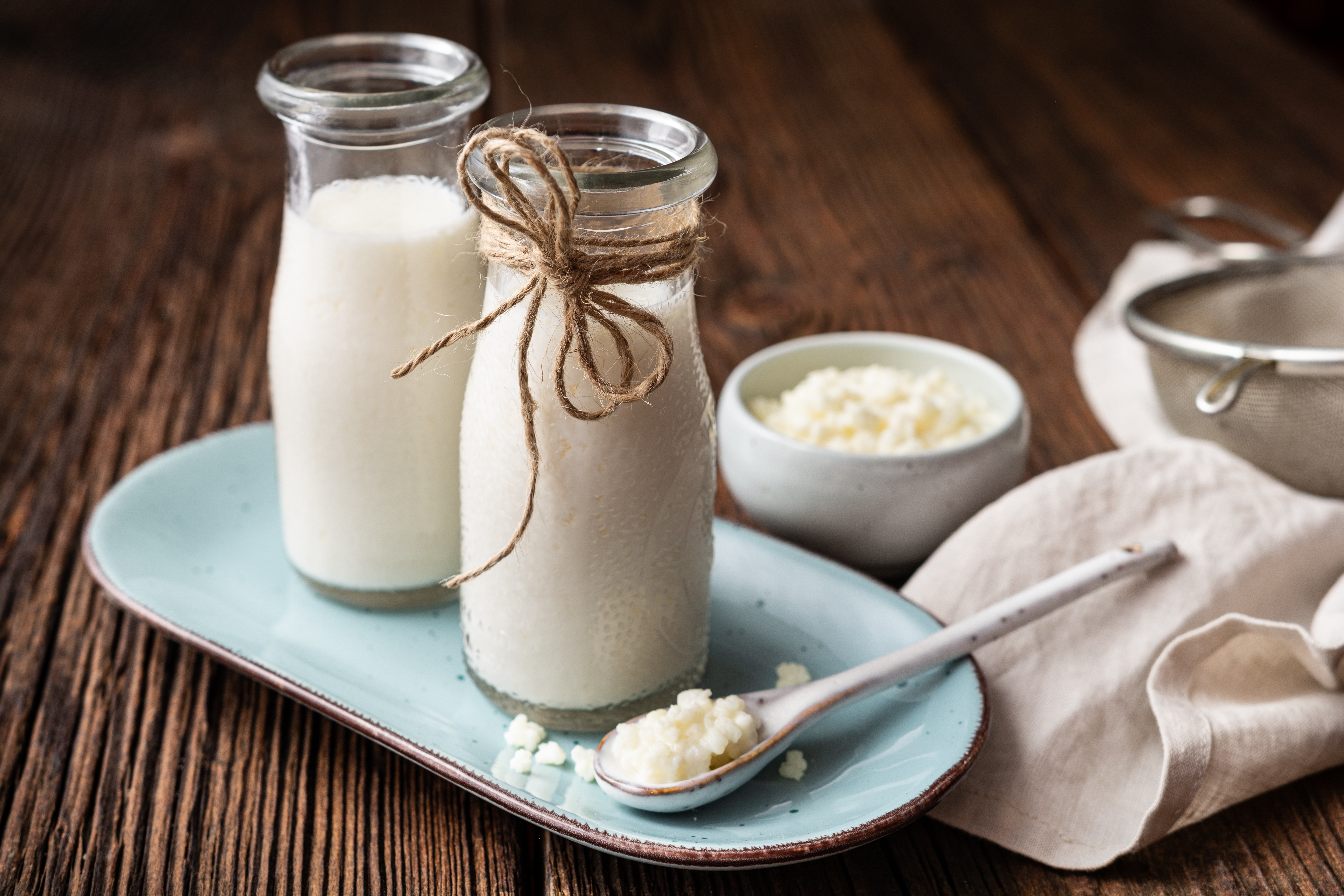
1. Kefir – Including this fermented yoghurt-like drink in your diet is said to improve digestion and reduce inflammation. It also contains helpful vitamins and minerals, like vitamin B12 and calcium. It’s produced by combining milk with a starter and kefir grains – which look like crumbled cauliflower florets.
2. Apple cider vinegar – Created when yeast breaks down the sugars in apple juice while bacteria, known as the ‘mother’, makes the vinegar. ACV (with the mother – you’ll recognise it by its cloudy appearance) can help maintain healthy blood sugar levels and keep you fuller for longer.
3. Kimchi – Found throughout Korean cuisine, kimchi is made from fermented vegetables, like cabbage and radish, combined with garlic, ginger and gochugaru chilli flakes. It is said to help manage cholesterol and balance blood sugar levels.
4. Kombucha - A fermented tea made from sweetened tea using a SCOBY (symbiotic culture of bacteria and yeast). Kombucha has been shown to decrease blood sugar, lower cholesterol and even protect the liver in animal studies.
5. Cheeses – Yes, certain cheeses contain probiotics that contribute to gut health. These include both soft and hard cheeses – as long as they have been aged but not heated. The list includes Gouda, Edam, Gruyère, cottage cheese and more.
6. Miso – Popular in Japanese cuisine, this seasoning is made from fermenting soybeans with koji, a type of fungus. Possible health benefits include lowering blood pressures and protecting heart health.
7. Tempeh – Also made from fermenting soybeans, this high-protein cake ticks two trend boxes, gut health and plant-based, as tempeh can be used as a meat substitute. It’s high in probiotics and is believed to boost heart health.
8. Sauerkraut – Especially popular in Eastern Europe, ‘kraut has gone mainstream, largely thanks to its simplicity – being made by fermenting sliced cabbage in salt.
9. Sourdough bread – Although sourdough bread is made with a fermented starter, it doesn’t contain probiotics. However, it’s still associated with numerous health benefits, like balancing blood sugar levels and improving digestion.
10. Natto – This Japanese food is made of fermented soybeans. Although it contains fibre and vitamins and is said to boost your immune system, its slimy, stringy texture and strong flavour have prevented it from reaching mainstream status here in the UK.
11. Kvass – This fermented drink has been tipped to be a hit in the non-alcoholic beverage space thanks to its naturally low alcohol content and beer-like flavour. It’s made from stale sourdough rye bread and contains probiotics.
12. Yoghurt – One of the most common foods on this list, probiotic yoghurt is milk fermented with lactic acid bacteria. It contains many healthy nutrients and is thought to reduce blood pressure, prevent weight gain and improve bone density. But remember, not all yoghurts contain probiotics.