Free digital copy
Get Speciality Food magazine delivered to your inbox FREE
Get your free copy

The British spreads category is the perfect microcosm of the wider industry at present, and a world of potential contrasts; shoppers are seeking value but not at the expense of quality, and they want innovation but not to replace traditional products. Jams, honeys and spreads have long been staples in kitchen cupboards up and down the country, and while the classics – raspberry jam, peanut butter and a jar of locally-produced honey – are as popular as ever, consumers are after more.

The health benefits of these products with ingredient lists just a handful – or fewer – items long are becoming increasingly recognised as shoppers become more aware of the additives used in the production of many mass-produced jars, so it’s always worth checking the ingredients deck of your products before you display them on your shelves. An increasing number of savvy consumers will be turning jars around for themselves, and when high quality staples such as these can and should contain only a small number of ingredients, it is easy to be put off by the listing of multiple items one cannot pronounce.
Honey is a hot topic of conversation right now, with experts campaigning for better understanding of the difference between high and poor quality options – and the good news is that shoppers are starting to demand better. “Consumers are becoming much more aware of the huge issue with honey adulteration and are demanding better from retailers,” begins Paul Webb, co-founder and beekeeper at Black Bee Honey.
How to tell the difference at a glance? “Check for country of origin,” Paul says. “If there isn’t one it’s probably mechanically dried and adulterated honey from China. We include the name of the beekeeper and hive location on every jar.”
Education is paramount to ensuring that only respectfully produced, high quality honey is purchased across the board. “In general people have come to expect honey to be a bland, runny syrup with not much of an idea of how it’s produced,” says Paul. “When we do honey tastings at events people are always blown away by the variety of flavours, textures and colours and this just from our range of British honey varieties which is solely from the pollens and nectars that the bees are foraging on at a particular time of year in a particular area.”
The future is looking brighter for the British honey sector. “We’re campaigning for stricter regulations to remove adulterated honey from our shelves,” says Paul, “and the press are continuing to highlight the issue, which means public awareness is also growing. This will mean pressure on retailers to change their purchasing from cheap imports to more quality honey from the UK and beyond.”
For Carmen Ferguson, brand manager at Windmill Organics, selling food that is good for both people and planet is of paramount importance. “We have a number of different brands in our portfolio, and, as the name suggests, perhaps the most inherently pure brand in our portfolio is RAW. The ethos behind RAW is the belief that the food we eat should be as close to its natural state as possible; unfiltered, uncomplicated and untampered with.”
The RAW range includes three honeys – a rich and aromatic Pure Blossom Honey, a mellow Tropical Forest Honey, and a fragrant Acacia Flower Honey – “all of which provide a healthy and organic sweetness to food,” she says.
In recent times, even supermarket shelves have started to span beyond the conventional options to provide versatile culinary adventure to shoppers, and indies have a rich opportunity to stand out and support small-scale makers producing exciting spreads.
From extra indulgent nut butters bringing together an array of nuts with innovative flavouring to fruit and chocolate spreads, in 2025 the range of spreads on offer for adventurous foodies is impressive.
At Biona, the focus is on natural deliciousness. “Our Biona brand offers a wide variety of organic spreads, including fruit ones which are naturally sweetened with organic apple juice and puree, such as orange, strawberry and forest fruit, our ever-popular nut butter ones, including peanut, almond and cashew, as well as cocoa and hazelnut spreads too,” says Carmen. Health is a consideration, too: “a couple of years ago we launched Europe’s first organic high-oleic peanut butters.”
Peanut butter is still the biggest seller when it comes to nut butters in the UK market, says Simon Greenwood-Haigh of Proper Nutty. “We’re in a recessionary market, and peanut butter as opposed to other nut butter options is seen as an affordable snack or meal – even a high quality peanut butter spread on some artisanal bread will only cost a few pennies, but it still provides health benefits such as high levels of protein.”
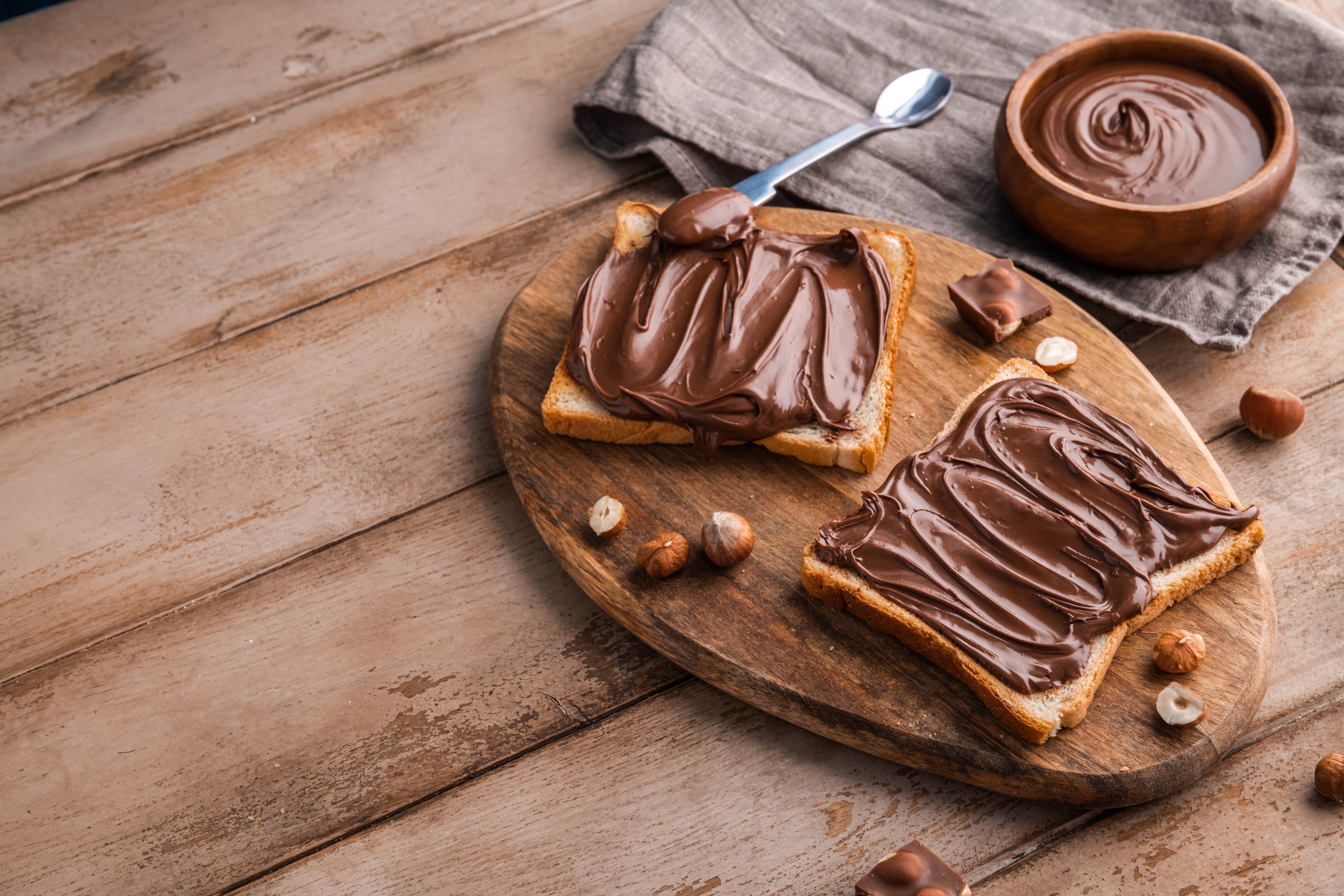
In a world where ultra-processed products are demanding increasing numbers of headlines, nut butters are a product which could – and should – come with an impressively short ingredients list. “We roast peanuts, grind them then put them in a jar or tin,” he says. “It’s a really simple process and people can overcomplicate it, but ultimately it’s a very natural ingredient and product.”
While at its core nut butters are supremely simple, there’s a raft of new brands making the nut butter sector an exciting place to be. “New brands are trying to come onto the market in a very fun, foodie way, by talking about sourcing and origin – we rate Argentinian peanuts, and American peanuts often taste sweeter than their counterparts – and the flavour-added options are often very clever as it’s far from easy to add anything to peanut butter, especially chocolate, as peanuts don’t like moisture.”
Ultimately it all comes down to price, and while the commodity price of peanuts is going down, the price of other nuts is increasing – which explains the higher price point alternative nut butters command, including the reasonably ubiquitous almond butter, and the built-in luxury of pistachio butters and spreads.
John Sinclair of Craigie’s Farm Shop has found that traditional jams and honeys often wins out over innovative spreads
“We started out making jam in the eighties, and we’re definitely seeing a rise in popularity of people making their own jams again. I think people are starting to recognise that if you buy a mass-produced jam it doesn’t have the flavour of fresh jam, and that’s what people are looking for – if they’re not able to make it themselves, they want a product which tastes homemade. It’s important to bring in new lines, but people keep coming back to the good old favourites – strawberry jam, raspberry jam and classic marmalade. We even run frozen jam making classes for kids in the summer!
“I don’t know if there’s any truth in it or not, but we’re happy to promote the health benefits of honey in terms of local ones being good for hayfever. We set up an education and environment foundation which has 16 hives, and the honey produced is sold in the shop alongside other Scottish honey – it’s important to us to support local producers.
“We have a machine that customers can use to make their own peanut butter; it draws the crowds more than peanut butter sitting on a shelf would. Beyond that, we sell a few nut butters made using different nuts, but it’s definitely the DIY machine that sells the most spreads for us.”