Free digital copy
Get Speciality Food magazine delivered to your inbox FREE
Get your free copy

There was a time when having chilled or frozen food delivered to the door led, more often than not, to disappointment.
That thrill of ordering a favourite ice cream or range of incredible cheeses from the other side of the country, and the anticipatory wait for its arrival, could be marred by poorly constructed packaging (crushing what’s inside), ineffective insulation (who wants half-melted gelato?), or the feeling of guilt when your order arrived in layer upon layer of unnecessary plastic or polystyrene in a bid to keep it safe, secure and, importantly, cold.
Times have moved on, thankfully. A raft of improvements across the packaging sector, and especially within temperature-controlled packaging, have transformed the industry. The Covid lockdowns had a lot to do with ongoing momentum here, and the shift up a gear, as consumers demanded more doorstep deliveries, of anything and everything, from charcuterie boards and chef-made meal boxes, to recipe kits, ethical meat and fish boxes, and more.
Approximately 2.3 million meal delivery boxes alone are likely to have been delivered in the UK during 2025, according to Statista, with chilled food and drink delivery accounting, it adds, for around 10% of retail food value.
These numbers are not to be sniffed at, demonstrating a supercharged marketplace, and one that needs rapidly to listen to brands and their customers, who are more often putting the environment at the top of their demand list, alongside the expectation that goods will arrive in one piece, and safe to consume.
“If packaging fails to hold temperature, so does the product within it,” says Alex Jackson, sales and marketing director at Icertech. “Poor temperature control risks a variety of issues, including spoilage, safety concerns, and negative brand image. Getting it right protects product integrity and reduces waste, but just as importantly, it ensures a reliable, repeatable customer experience that brands can confidently stand behind.”
These are sentiments shared by Smurfit Westrock’s UK head of marketing, Suzy Gedney, particularly the line around safeguarding a brand’s reputation and delighting customers. “From artisan cheeses to fresh ready meals, temperature-controlled packaging plays a crucial role in preserving quality, flavour, and safety,” she explains. “When done correctly, every shipment arrives exactly as expected, whilst also creating a more sustainable and efficient supply chain.”
In a market where customers are willing to pay a premium for quality and freshness, Suzy continues, just one poor delivery experience can have a lasting effect on brand loyalty. In fact, she adds, approximately 80% of customers (according to data from Meteor Space) say they wouldn’t return to a brand if the packaging was poor. “It’s not something you can leave to chance.”
As we’ve already mentioned, keeping an eye on the environmental impact of packaging is something both brands and shoppers are doing more regularly. For manufacturers this means taking accountability for materials, prioritising as much as possible those which are recyclable, resistant to moisture, insulated, and compliant with EPR (Extended Producer Responsibility) regulations. Creating innovative solutions to keep ingredients fresh is what led Smurfit Westrock to work with Mindful Chef, which is able to deliver its top-quality meals while cutting waste and reducing its carbon footprint.
Ultimate, effective packaging in this sector strikes a balance between performance, reliability and responsiblity. “It keeps your products safe, boosts customer satisfaction, supports sustainability goals, and encourages consumers to have trust in your brand. Choosing the right solution leads to fewer damages – this is key, as 34% of packaging-related returns are due to product damage (Amcor) - less waste and more confident customers, “says Suzy.
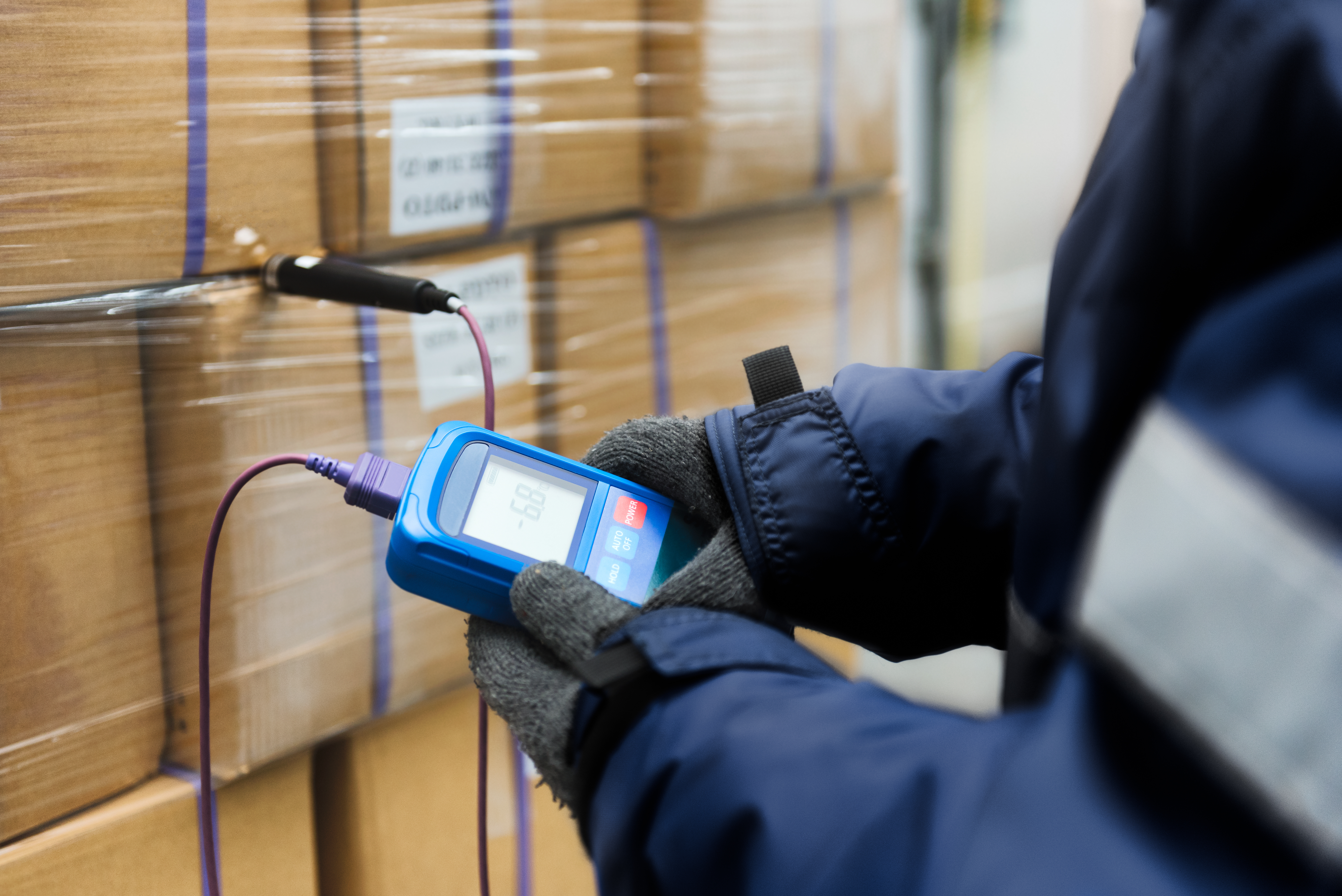
Brands need packaging that keeps perishable foods, drinks and other temperature-sensitive items fresh, especially as they try to break into new markets. “Proper temperature-controlled packaging ensures that everything, from fresh produce and dairy to meat and fresh sauces, arrives in perfect condition, all without the risk of spoilage or damage, even when being shipped internationally,” says Suzy. This peace of mind means you can focus on growth, rather than constantly worrying about damaged products.
This is something Alex firmly aligns with, saying reliable temperature-controlled packaging opens the door to wider distribution, enabling businesses to reach new regions without compromising on quality. “By ensuring products arrive in perfect chilled condition, businesses can increase order volumes, support new sales channels such as e-commerce, and grow without the risk of logistical failures becoming a barrier to expansion.”
The right packaging is more than a means to protect what you’re shipping, Suzy adds, it’s crucial for scalability, allowing you to extend your distribution cover with greater confidence – particularly on longer journeys, where even small changes in temperature can have a significant impact.
Scalability, Suzy continues, also depends on operational efficiency, with space-saving, flat-packed designs simplifying storage and shipping, making them more cost-effective. “This means that more products can be shipped simultaneously, and the likelihood of damage during transit is reduced, leading to smoother operations, fewer losses, and more room to expand your business.”
A good starting point is understanding a product’s specific temperature requirements and transit times, begins Alex. “From there, businesses should consider the full end-to-end journey variations in courier handling, seasonality, storage limitations, sustainability credentials, and ease of packing.” It’s also important, she continues, to evaluate performance through real testing, rather than assumptions. “The right solution should be proven in real-world conditions, not just on paper. We always provide free-of-charge samples to enable customers to do just that.”
Suzy says Smurfit Westrock’s ISTA lab enables the team to recreate real-world scenarios within a temperature-controlled chamber, where they test every box to ensure they’re strong, reliable and ready to do their job effectively. Working with packaging manufacturers which go through such rigorous processes gives the businesses that use them peace of mind, she thinks.
In addition to efficiency (such how streamlined packaging is for storage, as already mentioned), Suzy says now more than ever brands should think about sustainability when looking at their packaging options, especially with EPR legislation coming into effect, and consumers becoming more conscious of the environment impact of their choices.
According to Deloitte’s research, 49% of consumers now say they would be willing to pay more for sustainable packaging and delivery, which puts added pressure on brands to use materials which are recyclable, renewable and responsibly made and sourced.
Alex says the shift towards more sustainable materials is what’s driving a large number of businesses within the sector. “At the same time, the industry has moved from one-size-fits-all, to tailored, data-driven solutions designed around real operational needs.”
Corporate responsibility is being discussed more and more in boardrooms, concurs Suzy, saying temperature-controlled packaging is no longer only about maintaining the right temperature, it’s about being environmentally responsible, with Deloitte stating 75% of consumers surveyed are more likely to buy from brands offering sustainable packaging and products.
Changes go beyond insulation performance, Suzy adds. “Brands are moving away from plastic packaging and towards smarter solutions, with new designs - such as corrugated boards with moisture-resistant coatings - making it simpler to store and ship products, keeping them safe as they journey from A to B. That means lower costs and less wasted space, whilst also supporting EPR compliance.”
“Future innovations in our industry are exciting,” says Alex, “New and novel materials will be introduced to the market, which combine sustainability and high performance. Packaging design will be done with the environment, disposal and performance in mind. Recycling changes in 2027 also mean that flexible plastics will become curb-side recyclable, that means LDPE and other recyclable plastics will be used in coolants, if they are not already.”
Icertech’s own innovation has led to more lightweight solutions, perfect for brands and retailers looking to be more agile. These products include the Eco-Box, consisting of a double cardboard outer, with two padded paper liners, keeping contents at 0-8C for up to 48 hours, while being fully recyclable.
“They’re something we’re very proud of,” she says.
Innovation is also at the heart of Smurfit Westrock, which boasts more than 1,600 designers, 30 experience centres, and expertise in materials science and supply chain optimisation.
“We develop innovative paper-based materials with advanced barriers and coatings that can resist moisture, grease and temperature fluctuations,” says Suzy. “We also design packaging that perfectly fits products, branding and supply chain requirements, using our ISTA lab to test the packaging’s durability in various conditions.
“Our product innovation focuses on reducing waste, making packaging more circular and helping brands meet their sustainability goals, without compromising performance or shelf life. We also use insights from more than 100,000 supply chains to optimise packaging processes, improve efficiency and scale solutions globally. In fact, more than half of our raw materials come from recycled fibre, which enables us to reuse 14 million tonnes of paper every year.”
Circularity is something being discussed more and more in packaging, with many retailers seeking out brands and wholesalers providing this option in order to meet their own sustainability goals.
Smurfit Westrock puts great emphasis on a circular business model, adds Suzy. “By reusing, recycling, and responsibly replacing natural resources, we make our operations more restorative and efficient. We work with local organisations to repurpose materials we can’t use, turning potential waste into new opportunities. We even transform by-products from paper production into valuable resources for the chemical, medical and pharmaceutical sectors.”
She thinks beyond this, innovation will continue to combine smarter materials with connected technologies, making packaging more interactive, trackable, and sustainable than has ever been possible before.
These developments represent the next generation of packaging that not only protects what’s inside, but also helps brands deliver greater transparency, efficiency, and consumer trust.

Smart and sensor-driven packaging: Wireless sensors and smart labels with the ability to continuously record humidity, temperature and other factors are being more frequently used, allowing businesses to track conditions in real time. Advancements include autonomous packaging that can sense if a product is spoiling, with solutions in-box to prevent this happening.
PCMS: Phase change materials that melt or go solid depending on temperatures are being adopted more widely alongside VIPs (vacuum-insulated panels), which deliver high thermal resistance in thinner packaging – reducing weight and bulk.
Pre-conditioned and fibre-based: These options, such as insulated liners or boxes, are being designed with reuse in mind as part of closed-loop systems.
Flexible systems: Some packaging manufacturers are using hybrid insulating and cooling methods to allow multiple temperatures in different compartments within the same shipment, allowing for better flexibility, cutting waste, and reducing empty space.
Nanotechnology: ‘Intelligent’ packaging that helps protect food and drink against moisture, oxygen and light with bult in indicators for freshness and environmental exposure, is being advanced at pace.
Smart labelling is set to be a core feature of much temperature-controlled packaging in the future, enabling businesses to greater assure the protection and quality of their products en route to, and on arrival with consumers.
An area of growth is RFID (radio frequency identification) whereby data is encoded in smart labels or tags, captured by a reader via radio waves. Unlike traditional barcodes, no line of sight is needed to read RFID tagged items, and multiple items can be tracked in seconds.
This ease of use is seeing it being used more and more often in retail, manufacturing and logistics.
Expert Bob Vines, of TSC Auto ID, says RFID is especially important where perishable items, like frozen food, meat or dairy, are being shipped. Adding the labels, “enables factors like temperature, humidity levels and expiry dates to be monitored, thus making it easier for store operatives to manage stock rotation, decide which items to discount, as well as minimise risk of customers consuming unsafe items. Integrating RFID with IoT (Internet of Things) into labelling systems enhances supply chain intelligence.”
Other benefits, he adds, include preventing counterfeiting to protect product authenticity, helping to meet compliance such as the Digital Product Passport expected as early as 2027, and improved quality control.
“Even with the best specialised packaging, temperature monitoring is non-negotiable,” adds Ben Ings, COO at Invisible Systems. Live temperature monitoring, he says, “creates a traceable, end-to-end audit trail that integrates seamlessly with temperature monitoring systems (TMS) and warehouse management systems (WMS). This means brands can act fast, automatically flagging and isolating stock for disposal if a temperature excursion occurs.”
Ben is seeing more businesses embrace IoT to strengthen this process, particularly in fresh food and grocery operations. “Pairing temperature sensors with asset tracing technology ensures accountability at every touchpoint.
“Without temperature monitoring, resilience and quality assurance fall apart. Looking ahead, as cellular networks continue to improve and IoT technology becomes more accessible, temperature monitoring will become an industry standard.”