Free digital copy
Get Speciality Food magazine delivered to your inbox FREE
Get your free copy

With almost three-quarters of the UK experiencing drought at the time of writing, summer 2026 will no doubt go down in history as a particularly challenging period for the food industry – even amongst the myriad of other troubles the sector currently faces.
Indeed, this season has been the driest for 190 years, leading to concerns from The National Drought Group about the availability, cost and quality of
the nation’s fresh produce, and experts are predicting that such weather is likely to be common in the future.
What does drought mean for the food sector, and how prepared is the industry’s supply chain to respond? Speciality Food spoke to the industry to find out the scale of the issue and how the sector can create a sustainable future.
This summer’s drought is placing real pressure on our food system. Farmers are dealing with reduced yields, poor grass growth for livestock and mounting pressure on day-to-day operations, but the impacts do not end at the farm gate.
Food manufacturers and retailers all rely on a stable supply of high-quality produce, and prolonged dry weather can create uncertainty throughout the supply chain.
In recent weeks, I’ve met drought-affected farmers in Cornwall with the Prime Minister and visited businesses across food manufacturing, processing and retail to hear directly about the pressures on our food chain, and how we can continue to work together to build a stronger, more resilient food system in a changing climate.
We understand how difficult times are. That is why we are acting with a comprehensive package of support, providing a £65 million boost to help the farming sector respond to this exceptionally dry summer, including improved access to water and investment in on-farm reservoirs to help bolster our food supply chain from field to fork.
Our food system is deeply interconnected. Protecting our farmers means protecting the wider food economy, supporting jobs, and strengthening food security. Beyond the farm gate, we are bringing together industry leaders through our Farming and Food Partnership Board and Food Strategy to deliver a thriving food production sector.
Food security is national security, and by working in partnership across the entire food chain, we can ensure British food production is ready for the challenges of the future.
The effects of drought are felt far beyond the farm. Lower and less predictable yields can quickly lead to gaps in ingredient availability, longer supplier lead times, disrupted production schedules and higher prices across the food and drink sector.
Fresh produce is likely to feel the pressure first, as its short shelf life makes it difficult for businesses to build up stock. Speciality producers can be particularly vulnerable when they depend on seasonal, single-origin or difficult-to-replace ingredients.
Businesses need to prepare before shortages begin to emerge. Producers should identify the ingredients and suppliers their operations depend on most, line up alternative sources where possible and test how quickly production can adapt. Retailers can support them by reviewing ranges and promotions early, giving suppliers a clearer view of demand and recognising that some products may need to change temporarily.
Widespread shortages remain unlikely, but shoppers may see less choice, more imported alternatives, higher prices and temporary gaps on shelves. Closer collaboration between farmers, producers, logistics partners and retailers will help businesses respond faster, protect supplies and avoid placing further pressure on already strained food supply chains.
Higher potential alcohol is a consequence of the heat and drought - the drought this summer is having an impact on our yields, the grapes accumulate sugar more quickly, which can potentially lead to higher alcohol levels. But higher-ABV wines are evitable. We adapted in the vineyard and at harvest, for example through canopy management and pruning choices to keep the grapes protected from direct sunlight, picking earlier and harvesting at night. All of this helps us preserve freshness and keep better control of potential alcohol.
In terms of pricing, lower yields can obviously put some pressure on production and availability, but I think it’s still too early to say that this will automatically result in shortages or higher prices. The situation can vary significantly from one area and one producer to another. We should have a clearer picture by early September, once we have the first reliable estimates of overall yields across Bordeaux.
Speciality Food hears from Eamonn Woodcock, executive director at global supply chain and logistics consultancy SCALA, on how to help protect food and drink supply chains against climatic events.
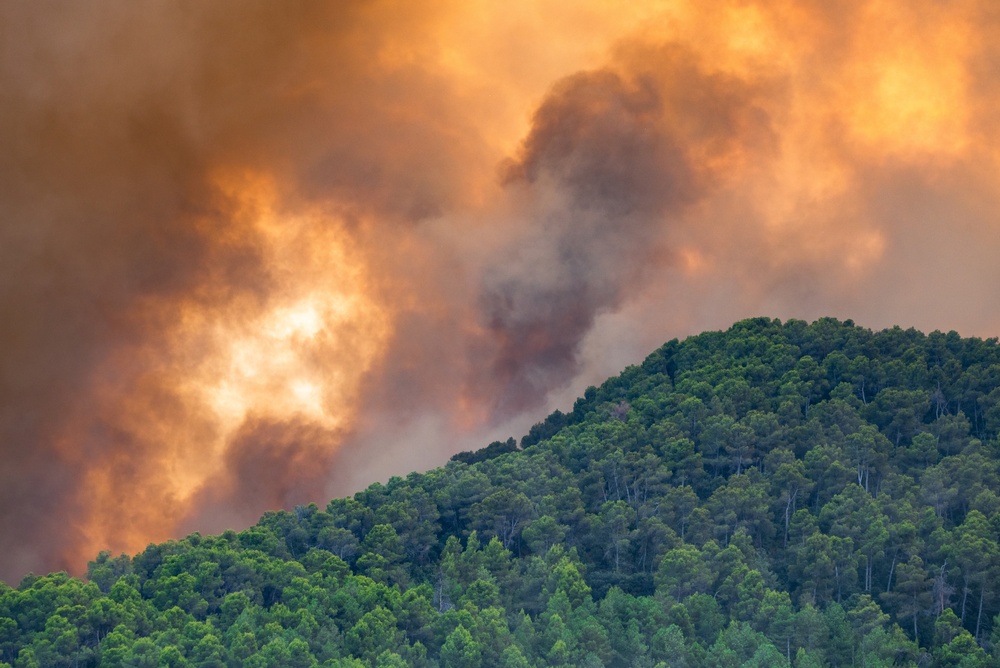
Summer headlines were dominated by heatwaves, wildfires and the crippling impact on harvest yields, from August reports that wheat crops were half their normal height, to 2026 marking the UK’s earliest harvest since 2006.
The domino effect triggered by unpredictable yields extends far beyond the farm. Longer supplier lead times and disrupted production schedules can trigger product gaps on supermarket shelves. To lower long-term food shortage risks, suppliers and retailers must adopt a more collaborative approach to resilience.
Businesses must identify products which are most likely to run short during drought conditions and in the aftermath. This involves assessing where products are currently sourced and potential alternatives. A UK manufacturer, for example, may depend heavily on certain regions to grow wheat for cereals and bread. A solid contingency plan, with pre-planned alternative suppliers in alternative regions or abroad, can help manage disruption.
Improved communication between retailers and suppliers can also help address climate-related disruption. Drought effects typically reach fresh produce with shorter shelf lives first. Delivering forecasts and updates only when orders change is becoming an increasingly inadequate measure. Maintaining regular dialogue with critical suppliers about expected shortages in advance buys retailers time to action reliable alternatives.
Concerningly, SCALA’s supply chain resilience report saw 57% of respondents rate their businesses as poorly prepared for natural disasters. For food manufacturers and retailers, identifying alternative suppliers before extreme weather disrupts harvests should be part of that preparation. Alternatives should then be assessed for their own exposure to drought, alongside capacity and lead times. Sourcing from regions with different climate risks can also reduce the likelihood of several suppliers being affected simultaneously, but businesses must establish whether those suppliers can provide the volumes required if disruption occurs.
This summer proved that relying on domestic supply alone cannot guarantee resilience, and changing climates require a robust action plan from UK businesses. Fragmented responses won’t provide a complete solution and will ultimately impact prices and availability on the shelves. Businesses that utilise connected networks, from farmers through to retailers, to share intel and plan ahead will buy time to act before food scarcity becomes a shortage crisis.