Free digital copy
Get Speciality Food magazine delivered to your inbox FREE
Get your free copy

The popularity (and pungency) of French cheese in 2026 extends beyond shoppers’ love of the classics. Yet, it’s those very classics that give cheesemongers a platform to introduce consumers to new styles, ages, milk types and regional options. And with a challenging supply chain environment, striking that balance between tradition and creativity is vital.
According to 2026 data by the French Ministry of Agriculture, there are 1200 varieties of French cheese. Cheese classification is linked to eight main ‘families’—fresh, processed, spun, blue-veined, soft with bloomy rind, soft with washed rind, cooked, pressed and uncooked pressed cheeses. Each family has its own sensory properties and specific production methods.
.jpg)
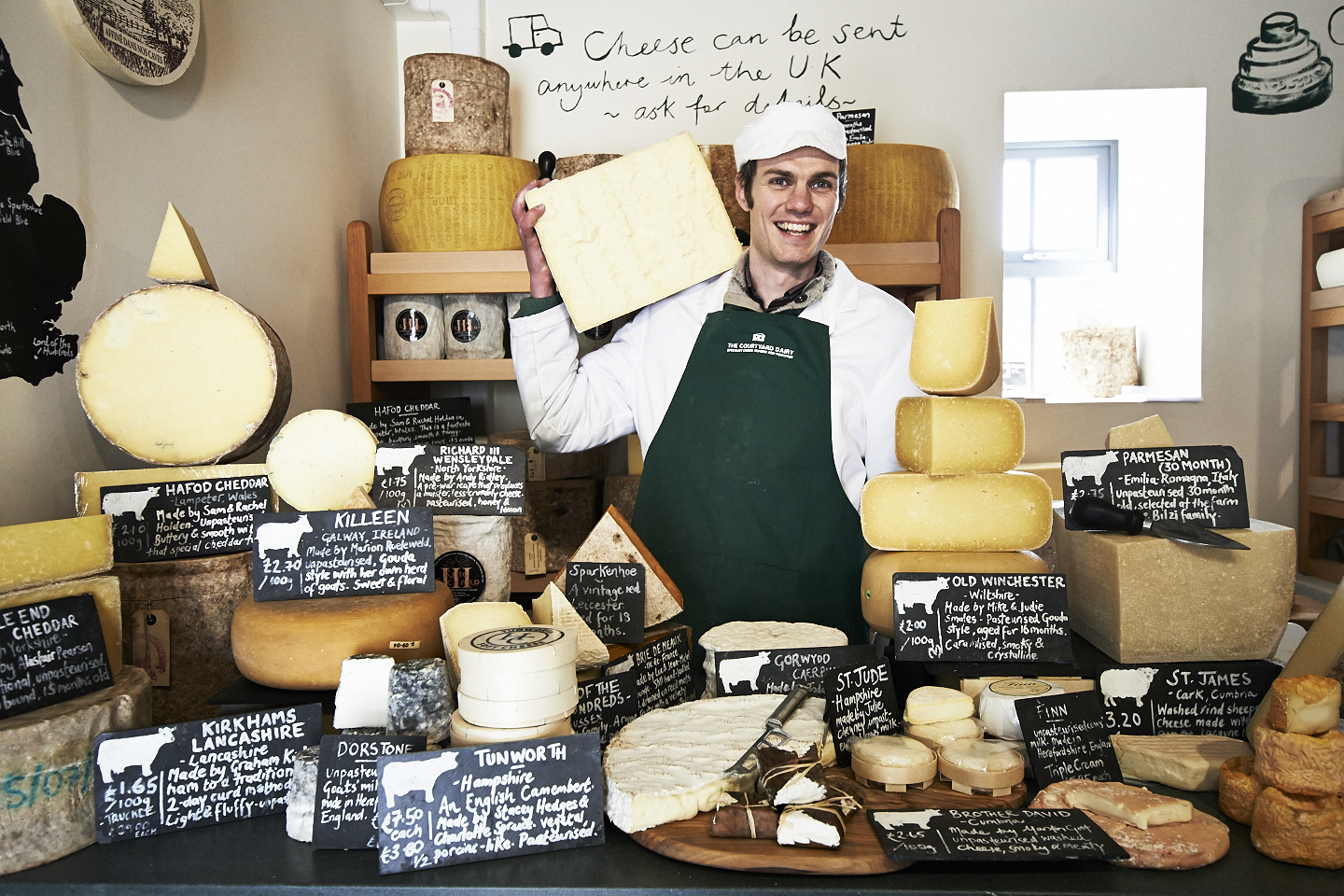
“Its quality, consistency and value mean that people often seek out French cheese,” Andrew Swinscoe, cheesemonger and co-founder of The Courtyard Dairy, told Speciality Food. Established classic names like Brie de Meaux, Comté, Roquefort and Époisses are particularly popular.
Steeped in history and culture, France’s best-known cheeses are synonymous with regional and national symbols. When factors like tastings or award-winning accolades are missing from the cheese shopping experience, consumers’ purchasing decisions are made much easier when a product’s history and the guarantee of consistent quality are present.
“The great historic French cheeses continue to have enormous appeal,” Danielle Bliss from one of the UK’s oldest and traditional cheesemongers, Paxton & Whitfield, told Speciality Food.
Shoppers are drawn to names such as Roquefort and Brie not only because they love the flavours and styles, but because they are buying into centuries of cheesemaking history. Roquefort’s story stretches back around 2000 years, with legend suggesting Julius Caesar was an admirer, while Brie de Meaux was famously championed by King Louis XVIII and became celebrated as the “King of Cheeses”.
“That heritage feels particularly relevant today because these cheeses have helped define styles that continue to inspire cheesemakers around the world,” said Bliss. French classics remain sought after because they combine recognition, heritage, quality assurance and a strong sense of place.
“Even with the resurgence and innovation in the British cheese industry, French cheese remains popular,” said Swinscoe.
And it’s because names like Brie, Camembert, Comté and Roquefort are part of the cheese lover’s lexicon. “Familiar, trusted styles that shoppers feel comfortable choosing,” Bliss shared. Many of these grands fromages have been stalwarts on cheese counters like Paxton & Whitfield for well over a century. “That enduring familiarity gives them a resonance that few other cheese-producing nations can match,” said Bliss.
Traditional varieties like these can also provide an entry point into the wider diversity of cheesemaking. Once a customer knows they enjoy a particular French style, a cheesemonger can use that as a starting point to introduce them to lesser-known cheeses, including exceptional British cheeses made in a similar style.
Cheesemongers are knowledgeable curators and attentive stockists, on hand to help shoppers pick out a diverse selection for impressive cheeseboards and sharing platters. But they also serve as valuable guides, introducing people to options beyond traditional French cheeses and helping them discover new varieties.
In Britain, a new generation of artisan cheesemakers has taken inspiration from traditional French recipes and techniques, interpreting them through British milk and terroir. For shoppers, there is something compelling about enjoying both the exciting newer cheeses and the French originals that inspired them. “Their long history of being such a successful cheesemaking nation really gives consumers confidence,” says Swinscoe.
Rather than classic French cheeses competing with new styles, influences and product launches, they can be the foundation for this evolution of the French cheese scene.
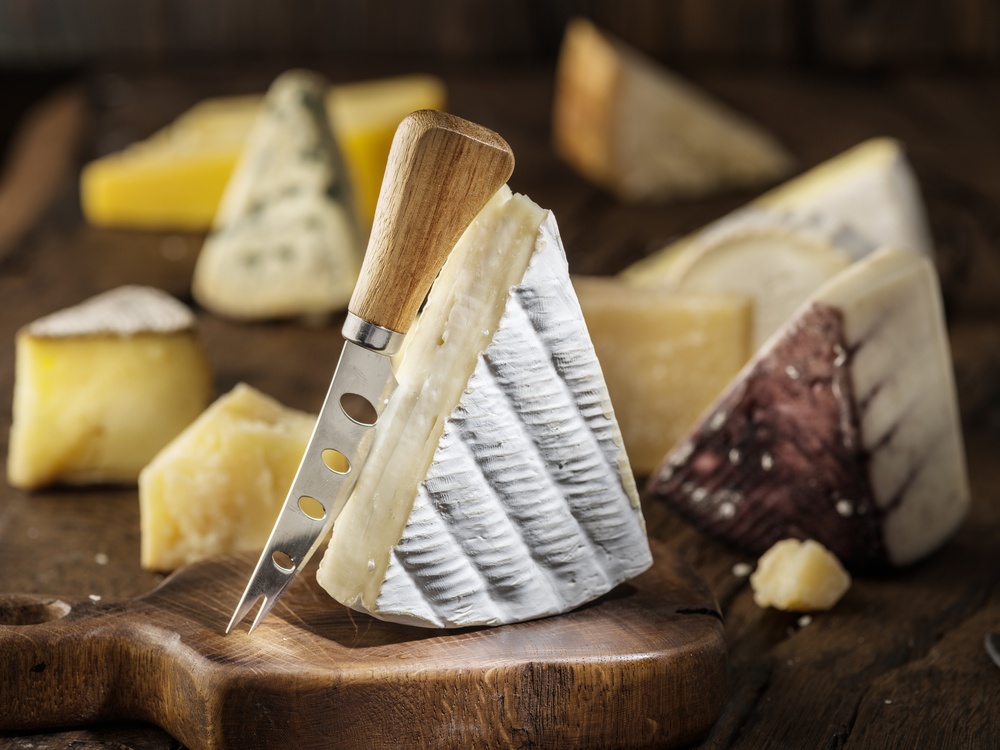
“Each cheese has its own specificities, a know-how perpetuated from generation to generation and possessing real sensory signatures, “Nadine Comparot, plant manager at French cheese producer Fromagerie Berthaut, told Speciality Food.
Époisses, for example, has a strong smell and is also characterised by complex sensory notes that, depending on the degree of refinement, can range from plant to animal. Regardless of the dairy source, the emphasis in producing Époisses is on achieving its balanced taste profile. Époisses has close links to the terroir and the Appellation d’Origine Contrôlée (AOC), a national-level designation that protects a cheese’s geographical origin and traditional production methods.
Soumaintrain is also a desirable, albeit lesser-known product. Its sensory notes are softer than Époisses, with a less powerful smell while still retaining its “farm” notes. Coming from France’s Burgundy region, Soumaintrain is a soft, washed-rind cow’s milk cheese made by regular washings with brine.
“For any amateur, these two products are essential cheese platters,” said Comparot. They serve as a daily staple and a popular cheese variety for elevating French-inspired cheese boards. Époisses and Soumaintrain feature at the centre of moments of sharing, festive moments or as part of everyday cheese consumption.
There’s a broad range of French cheeses on offer to shoppers, giving them the opportunity to learn about and taste appealing flavour and texture profiles. “The multitude of cheese references allows consumers to find their happiness,” said Comparot.
Despite the traditional French cheeses’ firm place on shoppers’ sought-after lists and presence in baskets, demand can change with the seasons. Inflation will inevitably impact consumer choice, and cheese consumers will prefer cheeses with traditional sensory notes.
One growing French cheese trend is consumers’ appetite for nutty, savoury Alpine-style cheeses. Comté is a headline name within that category. “Customers are increasingly excited to talk about age profile and explore how a cheese develops as it matures,” Bliss noted.
Cheesemongers like Paxton & Whitfield stock Comté in three different age profiles. Shoppers can therefore taste the progression of the variety’s profile, from younger, more supple cheeses through to longer-matured examples with greater depth and complexity.
After introducing shoppers to Comté and seeing their enthusiasm, cheesemongers have an effective foundation to introduce other Alpine-style cheeses with their own distinctive character.
Paxton & Whitfield has also seen growing interest in sheep milk cheeses. Fleur de Maquis from Corsica is proving particularly popular with its shoppers in 2026, as well as other newly-stocked varieties, Brique de Brebis and Bleu des Basques.
However, the French cheese space is struggling with challenging supply chain issues, making the classics harder to find.
Lumpy Skin Disease (LSD) and its devastating impact on Europe’s cheese sector re-emerged in 2025, with the European Parliament highlighting the urgency to maintain strong prevention and response strategies. Highly contagious, the disease primarily affects ruminants such as cows and water buffalo and is spread by biting insects, such as mosquitoes.
Cheesemongers and specialist retailers have been among the worst affected by LSD. Restrictions on dairy products of bovine origin, especially softer-style raw milk cheeses, are affecting the products shops can stock.
Import restrictions due to LSD mean certain well-established raw-milk cheeses are still not being sold in the UK, notably Reblochon, French Mont d’Or, and St Nectaire.
Where possible, producers in France are developing pasteurised alternatives for the UK market. “But these lack the same name recognition, appeal, and in my opinion, quality; so the British consumer is losing out a little,” said Swinscoe.
Terroir, a French word used to describe how a place of origin influences a product’s taste and character, is at the core of consumers’ pull to French cheeses and popular ingredients.
“The fact that cheeses are made from regional milk and therefore linked to the richness of the terroir is important,” said Comparot.
They are also subject to strict rules, whether in dairy farming or cheese processing, including the Protected Designation of Origin (PDO) and Protected Geographical Indication (PGI) decrees. These quality indicators also influence consumers in the same way that tokens of fame, such as medals won at various national or international competitions, do.
Authentic cheeses marked with these labels consistently deliver taste, texture and quality year-round. They also give consumers confidence that they can be relied upon as everyday staples and as notable inclusions during special eating occasions. Consumers want to know they can be cooked in various ways, feature in their favourite recipes, and consumed as a sauce or in a variety of dishes, providing flexibility and new spins on classic dishes.
Soft, oozing, strong, pungent flavours continue to draw in cheese shoppers. Creamy blue and sweet, nutty cheeses like Époisses, Roquefort, Comté and a classic Brie are particularly formidable on specialist cheese counters. “The selection of brands will be influenced by their reputation,” Comparot shared.
Balancing French classics with opportunities for discovery is a key strategy for cheesemongers stocking and curating French cheeses. Consumers want to find the cheeses they already know and love. But they’re also constantly looking for new additions that reflect the styles and milk types they’re interested in.
“Good curation is ultimately about doing both: protecting a place for the great cheeses that have earned their reputation over centuries, while continuing to seek out new cheeses that give our customers something exciting to discover,” Bliss concluded.