Free digital copy
Get Speciality Food magazine delivered to your inbox FREE
Get your free copy

Combining rich espresso flavours with moreish cocoa and delicate mascarpone, tiramisu has long been a beloved dessert. So why has it emerged as one of the biggest bakery trends for 2026?
“The trend reflects growing demand for bakery products that feel more playful, indulgent and experience-led, while still rooted in recognisable flavours,” says Lorna Love, director of sales and marketing at Lazy Day Foods.
Consumers’ craving for the quintessential Italian dessert is reaching new heights, with the global tiramisu market projected to reach a value of $3.4bn by 2034. Richard Wells, development chef at Brakes Foodservice, has noticed the global resurgence of tiramisu spans professional chefs and bakers to amateur cooks and consumers.
Now, everyone from mainstream grocers to small-scale coffee shops and speciality stores are getting involved, expanding their dessert options and aisles, selling ready to eat and frozen options. Big brands from Hershey’s to Starbucks have launched their own takes, and smaller producers are experimenting with new flavours and free-from options. Speciality Food takes a closer look at how retailers can take their tiramisu game to the next level.
With proven flavours and multi-sensory textures, tiramisu already has a recipe perfected over time. “I’ve had it on my menus on and off for over twenty years, and it always performs, because everything in it already works: coffee is a flavour most people love, the Italian name carries a sense of quality, and the recipe is based on great quality components, good espresso, mascarpone,” explains Ludwig Hely, executive pastry chef at luxury dessert brand Haute Dolci.
But now tiramisu is also receiving a modern upgrade. “What changed recently is that a few producers found the right way to pack and present it, something that travels well, eats on the go, looks striking on the shelf, and from there it took off,” Ludwig continues.
Lazy Day Foods recently launched a tiramisu-inspired flavour with their new Choca Mocha Squares, combining crunchy crisped rice coated in Belgian dark chocolate with coffee-flavoured icing and a light cocoa dusting. When developing the new product, Lorna says tiramisu stood out “because it sits at the intersection of several consumer trends.
“One of the biggest is the rise of ‘newstalgia’ – the reinvention of familiar flavours and classic desserts for modern consumers. Shoppers are increasingly drawn to products that offer a sense of comfort and familiarity, but with a fresh twist, and tiramisu does that particularly well.” Indeed, tiramisu is a dessert the vast majority of us already know and love, but it’s now being reimagined in brownies, snacks and more.
“At the same time,” Lorna continues, “tiramisu offers something that feels a little more elevated than a traditional chocolate treat. It combines rich coffee notes, cocoa and multiple layers of flavour and texture, creating a product that feels premium without being unfamiliar.” With more consumers craving affordable luxuries offering small moments of joy, tiramisu is a perfect option. “That’s a particularly powerful combination because consumers are often looking for something new, but not necessarily something completely unknown.”
In addition to this, it’s “the tiramisu’s simple, adaptable ingredients” that make it “an excellent choice for chefs and bakers to experiment with different formats, flavours, textures”, says Richard. “From replacing cocoa powder with matcha, to caffeine-dessert mashups in iced lattes, frappes and cold brews (as people become more adventurous with coffee-based flavours), chefs and bakers are also merging tiramisu flavouring with muffins, pastries and even savoury foods, such as seafood or mushrooms and sun-dried tomatoes.”
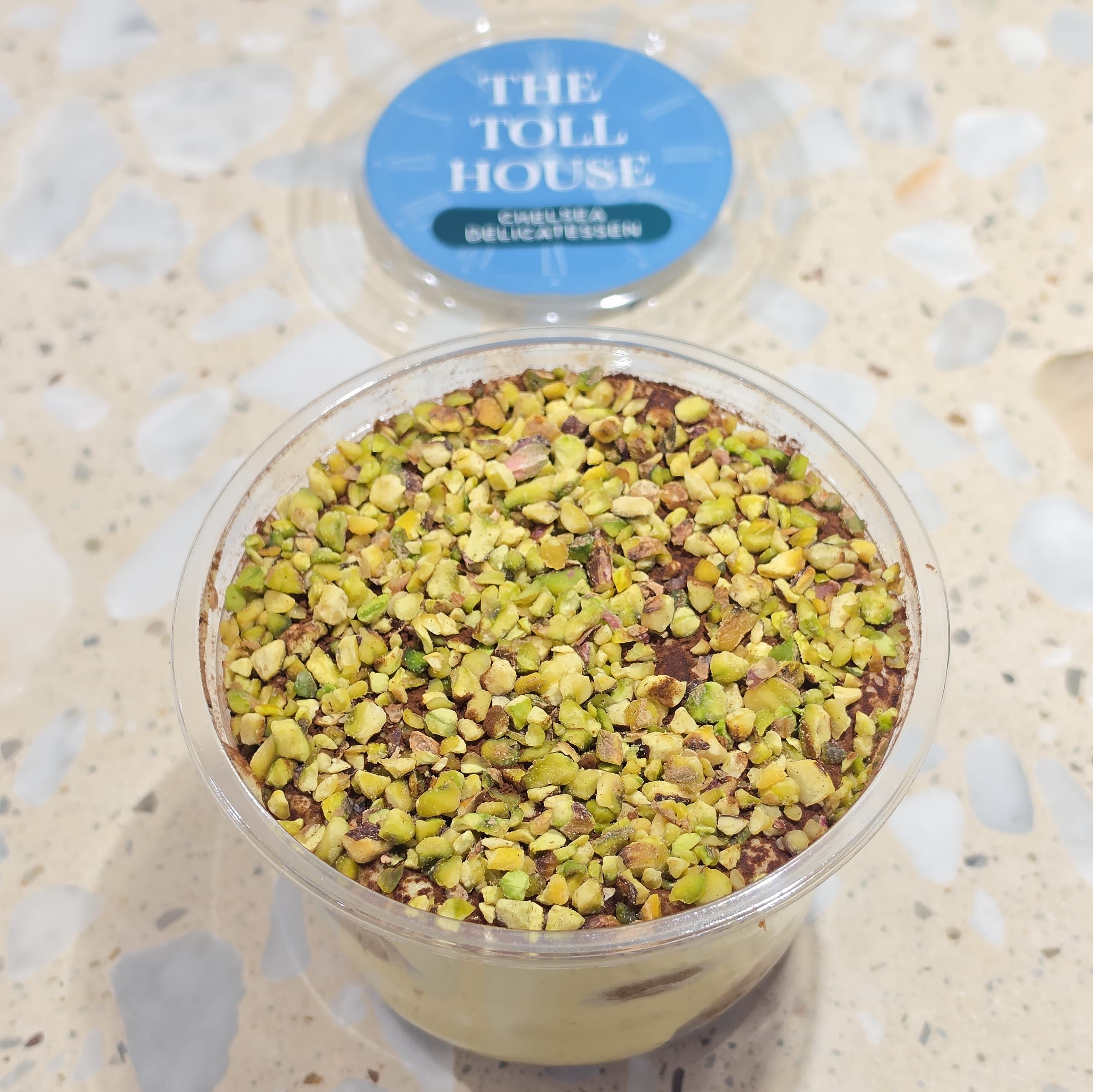
For The Toll House Deli in Chelsea, which was opened by husband-and-wife team, Alimah and Tariq Awan, tiramisu has become a “really lovely” extension of the deli’s dessert range. Best known for their Basque-style cheesecakes, tiramisu gives consumers something creamy, layered and indulgent, Alimah says, but in a slightly different format.
“We offer a classic tiramisu, but the flavour that has been proving especially popular is our pistachio tiramisu,” she continues. “I think pistachio works beautifully with tiramisu because it adds richness, nuttiness and a slightly more luxurious feel without overpowering the dessert. The mascarpone-style cream, coffee-soaked layers and pistachio all work together really well, so it still feels like tiramisu, but with a more modern and premium edge.”
This flexibility to reimagine tiramisu in a modern way is part of the appeal. “Customers are drawn to desserts that feel familiar but still exciting. Tiramisu does that really well. It feels classic and elegant, but it can also be adapted into pots, cakes, cookies, pastries and cheesecakes. It also lends itself beautifully to flavours that are trending strongly at the moment, especially pistachio, chocolate, Lotus Biscoff and matcha.”
And across fine food retail and cafe counters, Alimah believes tiramisu is translating well because of its “balanced and grown-up” feel. “For a lot of customers, tiramisu feels like a proper dessert rather than just something sweet. It has layers, texture, creaminess and that slight bitterness from coffee and cocoa.
“For us at The Toll House Chelsea, tiramisu sits really naturally alongside our cheesecakes and cakes. It gives customers another dessert option that feels high quality, layered and indulgent, and the pistachio version in particular shows how a classic dessert can be made to feel fresh and current.”
Like The Toll House’s pistachio tiramisu, many makers are experimenting with flavours and formats as the trend evolves.
“While its format as a traditional dessert is still hugely popular, particularly in restaurants and bakeries,” Richard says, “the tiramisu flavour is increasingly appearing in premium chocolates, pastries, filled biscuits, ice cream, coffees, protein products and even cocktail/mocktails.
“Its versatility means the likes of farm shops, delis and other specialty grocers are able to cater to growing food trends in a way that suits their business and sales models.”
This year, he expects to see makers pushing flavours even further. “One innovation we expect to see in 2026 is fruit-inspired tiramisu products. This could be swapping espresso for fruit juices, jams and fresh fruit, such as strawberries or cherries, or adding raspberry or lemon-zest flavour to the mascarpone.”
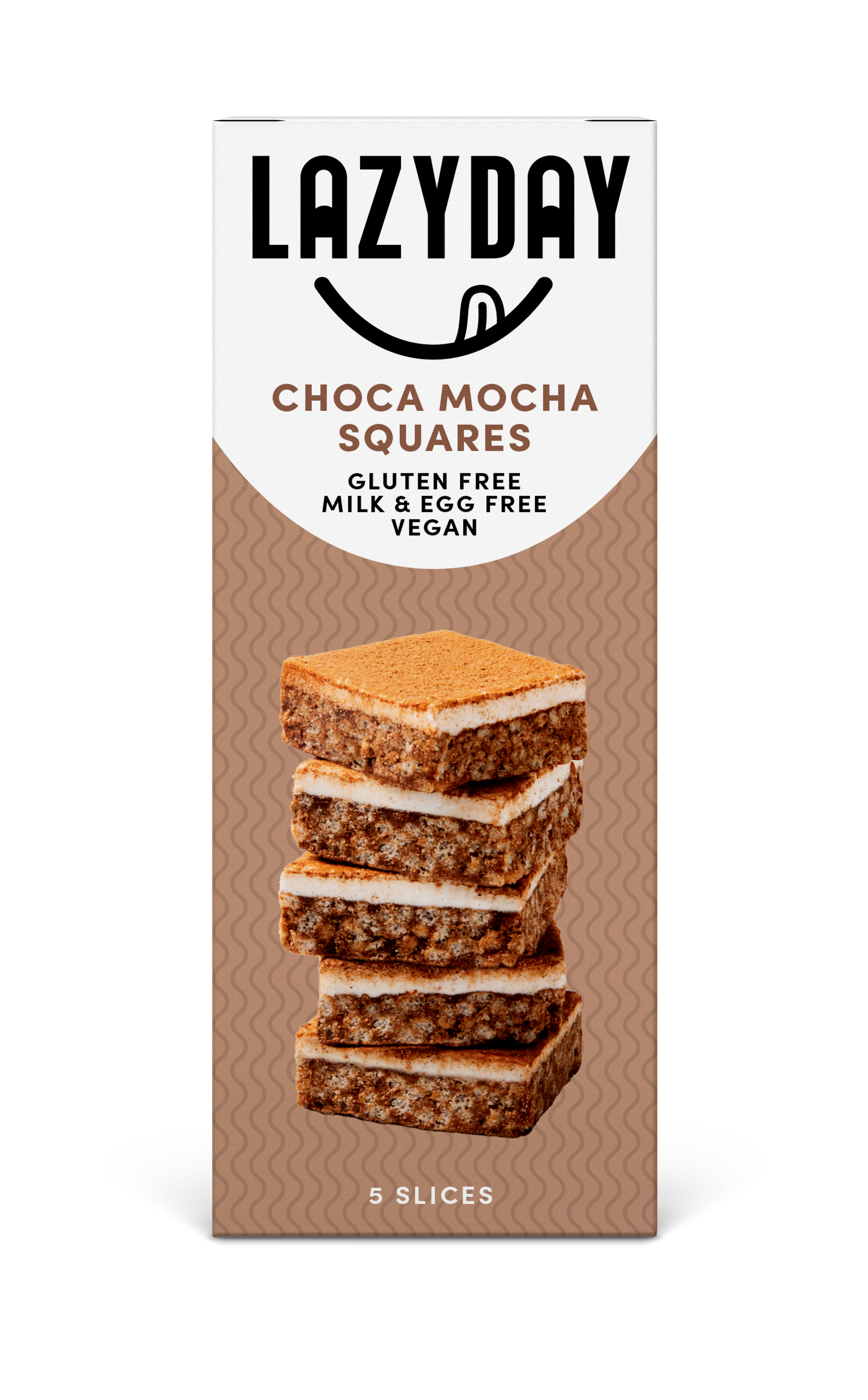
For Lazy Day, updating the tiramisu flavour for 2026 meant bringing it into the free-from category. In contrast to the traditional dessert, the brand’s take is gluten-free, milk-free, egg-free and vegan.
“One of the biggest shifts we’ve seen in recent years is that flavour innovation is becoming just as important in the free-from space as it is in mainstream bakery,” says Lorna. “Historically, free-from products were often developed around what they didn’t contain, but today’s consumers expect much more. They want products that feel current, exciting and genuinely enjoyable to eat.
“People with dietary restrictions are just as interested in food trends as everyone else, and we believe they should have access to the same exciting flavour experiences,” Lorna continues. “Choca Mocha Squares were our way of bringing one of the most talked-about bakery trends into a format that is gluten-free, milk-free, egg-free and vegan.”
Is the tiramisu trend just getting started? Unlike some flash-in-the-pan fads, tiramisu “isn’t built around a single novel ingredient,” Lorna says. “It’s built around a flavour combination that consumers have loved for decades.”
“What often determines whether a trend lasts isn’t how new it is, but how well it balances familiarity with excitement. Tiramisu does that exceptionally well,” she continues.
Tiramisu has moved beyond being seen only as a traditional Italian dessert and has become a broader dessert flavour in its own right, Alimah believes. “It has the same kind of flexibility as flavours like salted caramel, pistachio or Biscoff — it can work across cakes, pastries, pots, drinks and other sweet products.”
Plus, she says, it fits in perfectly with what today’s consumers are craving: “small, premium, indulgent treats that feel special but still familiar. Tiramisu is comforting, recognisable and luxurious without being too complicated.”
Here are five ways to help your sales of tiramisu products soar.
Lorna believes fine food retailers are an ideal space to showcase new and exciting tiramisu products to create excitement and encourage consumers to discover something new.
But it’s important, Richard adds, to “strike the right balance between authentic nostalgia, ingredient quality and dietary requirements. This helps maintain the genuine connection to its Italian roots, while justifying premium pricing where applicable.”
Indeed, inclusivity is an important factor to consider, Lorna says. “Consumer expectations around free-from have changed dramatically over the last decade. People no longer view free-from as a specialist niche category; they expect the same level of innovation, quality and flavour trends that they see elsewhere in the market. Retailers who recognise that shift are often the ones seeing the strongest engagement.”
When thinking of merchandising, “cross-category displays bringing together coffee, biscuits, confectionery and desserts can also help encourage discovery and increase basket spend, while in-store sampling can encourage those more hesitant customers to try before they buy,” Richard says.
And stocking products that offer a premium, trend-led take with inclusive ingredients allows you to put free-from front and centre, Lorna believes, rather that treating it as a separate category. “There is a growing opportunity to merchandise these products alongside other premium bakery and snacking lines, reflecting the way consumers increasingly shop today,” she says.
If you’re creating your own tiramisu products at your deli counter or cafe, Alimah says presentation is important. “We serve it in a way that shows the layers clearly, so customers can instantly see the cream, sponge and flavour running through it. That visual appeal is important, especially for takeaway desserts, because people buy with their eyes first.”
Consider offering a range of formats, too, from grab-and-go takeaway options and snacking packs to frozen varieties that consumers can cook at home.
Alimah finds that individual pots “work extremely well because they are easy to display, easy to take away and give customers a sense of portioned indulgence. Clear packaging can help because the layers are part of the appeal.”
Ludwig agrees. “From my experience, the best versions of tiramisu I’ve seen these days are the ones done in individual pots,” he says. “We’ve done it ourselves in two formats, a classic one in a pot and a patisserie piece shaped like a coffee bean. The pot is simple; the recipe can stay true to the original. The bean is a different exercise: real tiramisu doesn’t hold its shape, so to build it we had to take a few liberties with the recipe. Both are great products, but they are not the same product, and that’s the lesson. The further the format takes you from the original, the more you have to explain to your customers what they’re getting, to manage expectations.”
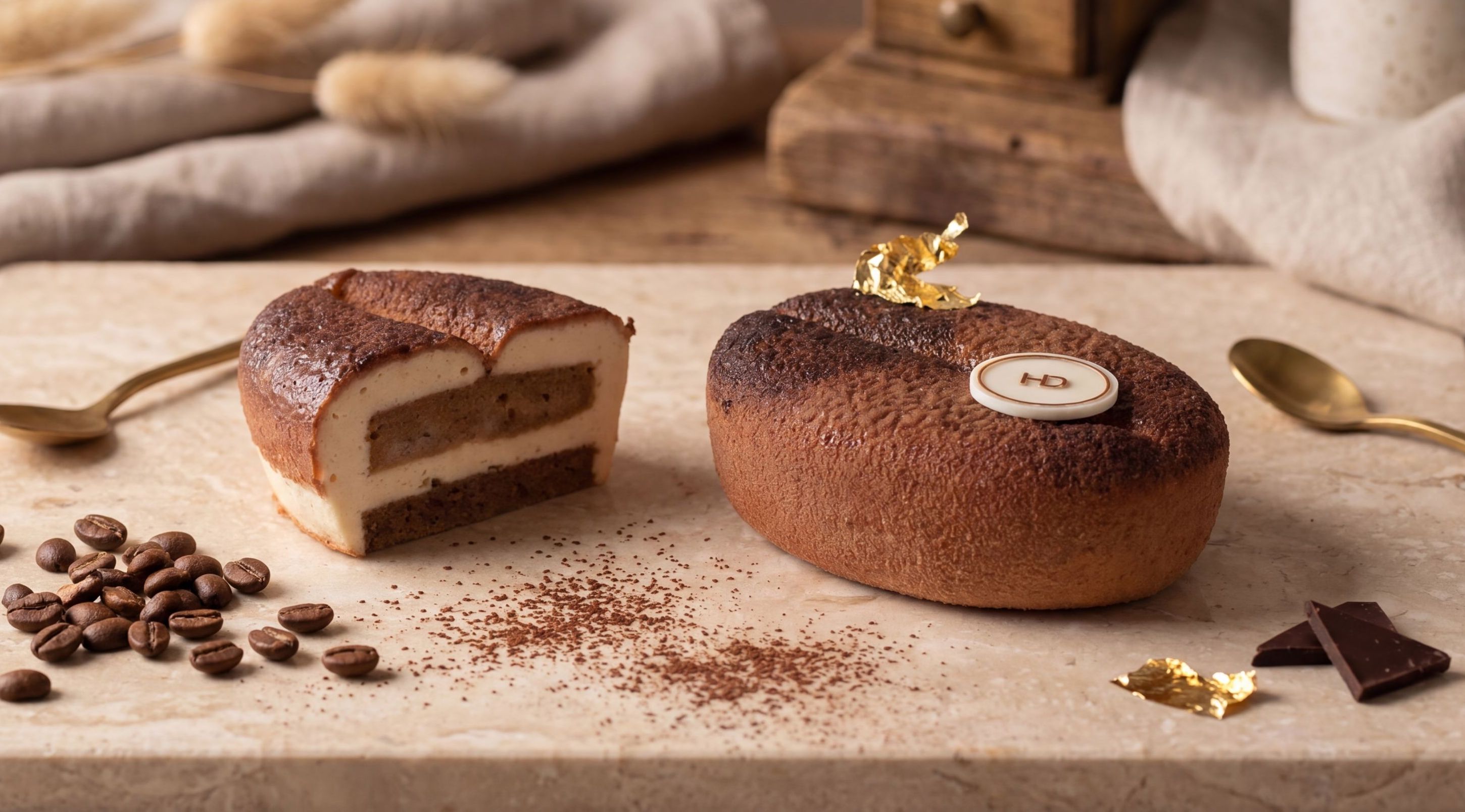
“A good tiramisu-style product should have visible layers, a smooth cream, a soft sponge or biscuit element, and a balanced finish,” Alimah continues. “If you are adding flavours like pistachio, Lotus or chocolate, they should enhance the tiramisu rather than completely mask it.”
For Ludwig, “A product that delivers on flavour, and not only on the look, is the one that will keep selling.” In his view, mascarpone and soaked ladyfingers should always be part of the recipe. “From there, retailers can curate a range that fosters those particularities: fruit in the soaking syrup, pistachio in the mascarpone – that’s still tiramisu.”
Alimah agrees that it is best to start with a strong classic tiramisu before introducing one or two carefully chosen flavour variations.
“The key thing is not to treat tiramisu as just another flavour label. Customers expect tiramisu to have a proper sense of layering, creaminess and balance. It needs to taste indulgent, but not overly sweet, and the coffee element has to be present enough to give it depth.”
“My advice to anyone working with this dessert is the same as for any classic,” Ludwig concludes, “stay true to the product.”