Free digital copy
Get Speciality Food magazine delivered to your inbox FREE
Get your free copy

Halloween gives independent food and drink retailers an opportunity to stand out through unique products that shoppers can’t find in a supermarket sweet tub. Think local, premium and experiential Halloween food ideas. By tapping into local produce and handcrafted gifts, retailers can offer shoppers hand-decorated artisan goods, locally made gift boxes and specialist product selections.
According to IGD research published in September 2026, over a third (36%) of shoppers plan to celebrate Halloween, compared with 27% in 2025. An increasing appetite for the spooky season gives food retailers ample opportunity to appeal to them with diverse and extensive ranges.
Furthermore, YouGov 2025 data shows that handing out sweets is the most common activity among Halloween revellers, with 28% of the UK population stocking up to give to trick-or-treaters—meaning confectionery selections are likely to be particularly sought after.
Retailers can lean into premium sweet treats and party Halloween food that give shoppers an affordable way to make the occasion feel special.
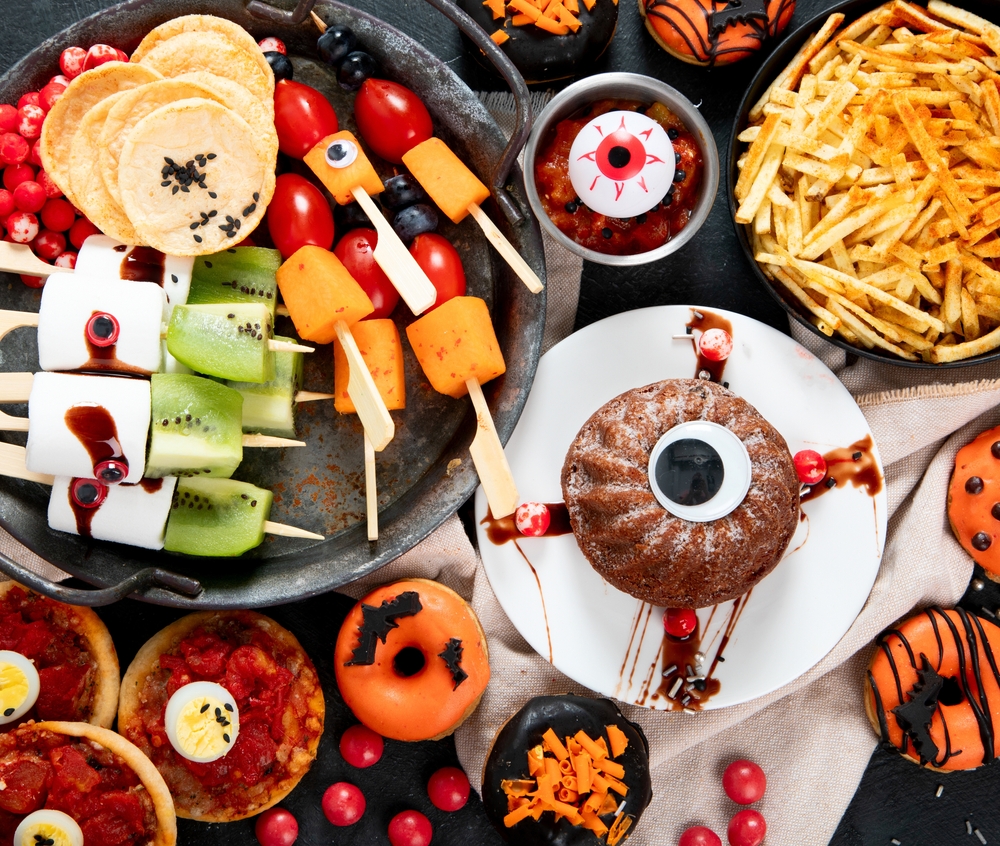
Now one of the big seasonal shopping and retail experiences of the year—alongside Valentine’s Day, Easter and Christmas—Halloween food and drink is synonymous with autumn. And preparing for it really does seem to start earlier each year, with “Summerween” turning Halloween into a full season that starts months before its 31st October date.
Far from a single-day event, Halloween has become a season of celebration.
According to the US National Retail Federation (NRF) data, in 2025, almost half (49%) of consumers began buying Halloween goods before October, up from 34% a decade ago. These aren’t even the most eager of shoppers either, with a fifth (20%) buying sweets for Halloween as early as August, increasing to 34% in 2026.
Halloween is getting an increasingly early commercial start in the UK too, with the rise of “Summerween” reflecting the same appetite for a longer spooky season.
Halloween has grown well beyond costumes and trick-or-treating. Shoppers are serving themed Halloween food and drinks, and pairing these with decorating their homes, hosting parties and looking for experiences they can enjoy and share.
Halloween is fast becoming a premium seasonal shopping occasion in the independent retail market. “Shoppers are looking for seasonal confectionery that feels more special, with greater emphasis on presentation, provenance and the overall eating experience rather than novelty alone,” Carol Oldbury, CEO of Hames Chocolates, told Speciality Food.
“Consumers are still watching what they spend, but many will pay more for something unique, well-made or memorable,” Michele Boylstein, Executive Director at Halloween & Costume Association, told Speciality Food. And that extends to the food and drink sector, with occasion eating attracting shoppers to unique product ranges.
Manufacturer Hames Chocolates is seeing increased demand for better-quality chocolate, distinctive formats and strong seasonal design that help products stand out and deliver on the occasion. “Texture is also becoming an important indicator of indulgence, from a satisfying snap and creamy melt to crunchy inclusions and soft centres,” Carol said.
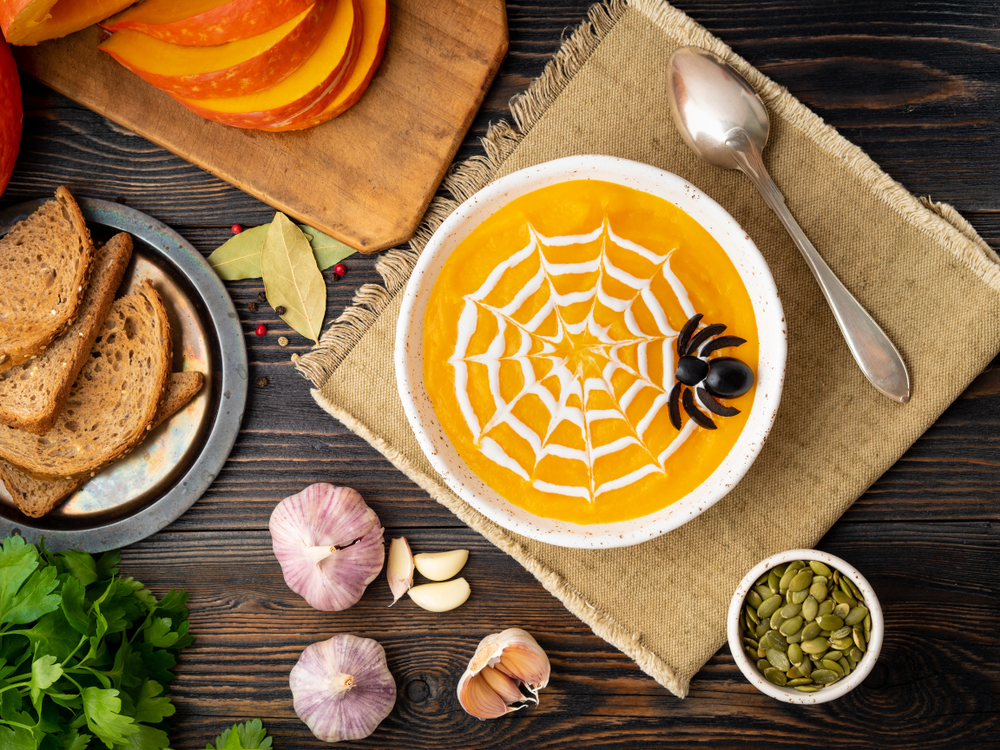
As autumn approaches, farms across the country become full of pumpkins, ripe for picking by families, couples and farm shop visitors. Creating on-farm experiences and engaging in pumpkin events like these can translate into direct sales.
“We are seeing in our core pumpkin time event that the breadth and depth of pumpkins and squash that people are buying on site is increasing,” Tom Nelson, Director of Sunnyfields Farm, a farm shop and pumpkin event in Hampshire, told Speciality Food.
Shoppers are looking for more than a simple treat, which helps push the premiumisation trend among independent retail stockists. “Indulgence is becoming more about the moment a product creates than size or volume, with shoppers seeking chocolate that feels engaging, comforting and memorable,” said Carol.
With ongoing cost-of-living pressures, smaller everyday indulgences can feel more achievable. This consumer purchasing trend supports demand for high-quality Halloween foods, interesting textures and standout visuals, with innovation increasingly focused on elevating the overall experience.
In 2026, consumers want to discover new and novel products, flavours and ingredients, packaged in an attractive display that appeals to their curiosity. “They may pay more for better ingredients, distinctive packaging or something that adds to the overall experience,” said Michele.
However, value is still important, so shoppers need to feel that the higher price point is justified.“Shoppers are looking for Halloween products that feel special enough to justify the spend, with strong product credentials, attractive presentation and formats that suit the occasion,” Carol noted.
Hames Chocolates is seeing this translate into demand from its retail customers for products with clear seasonal appeal that work across trick-or-treating, sharing, gifting and parties. Recognisable flavours still matter, but shoppers increasingly want them delivered in a more considered and indulgent way.
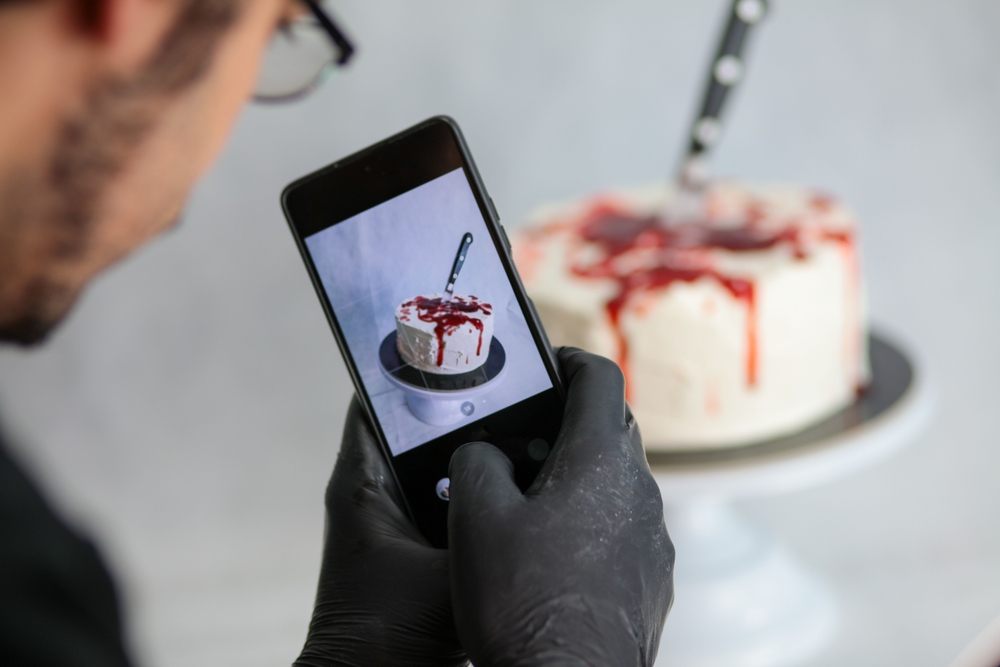
Adult participation is a major driver of this trend, along with nostalgia, social media and the popularity of at-home entertainment. “Halloween gives people an affordable way to be creative, have fun and make an ordinary gathering feel special,” said Michele.
Social media helps push premiumisation in the Halloween food and drink space. And it provides a captive space for independent retailers to reach new audiences, showcasing extensive product selections that speak to shoppers’ demand for premium, local and independent brands. “At the core of [premiumisation] is undoubtedly social media, as well as a possible desire to reconnect with things that grow,” Tom said.
Discovering new varieties also gets a helping hand from social media. Among shoppers, awareness around butternut squash is growing, for instance. “There are so many fantastic varieties from spaghetti squash, gem squash, crown prince, turk’s turban, and green kabocha that people really should be trying,” Tom added.
Halloween gives food and drink retailers a chance to sell the occasion through their imagery, helping shoppers picture a party spread or a special treat at home. “For brands, a premium price needs a visible reason, and showing the detail on a hand-decorated chocolate can communicate quality that a description alone cannot,” Jeff Strauss, Head of Imaging at Photoroom, an artificial intelligence (AI) visual platform for e-commerce sellers, told Speciality Food.
According to global confectioner Mars’ Trick, Treats and Trends 2026 report, TikTok is rewriting the Halloween shopping list. More than half (53%) of Gen Z use TikTok to discover new Halloween or Halloween sweet trends, while 49% head to YouTube and 48% explore the spooky season’s trends on Instagram.
The creative opportunity is in the setting, while the product’s appearance and portion size must stay accurate. “The strongest Halloween imagery will make food look irresistible while showing customers exactly what they are buying,” Jeff added.
To make the most out of the spooky shopping season, Photoroom has shared how independent food and drink retailers can help shoppers discover and purchase their Halloween product ranges.
Highlight why the treat is worth the price upgrade. Use close-up photography and clear descriptions to showcase a product’s craftsmanship, portion size and features that justify its premium price.
Put the local creator in the spotlight. Show who makes your products and where they come from to communicate the value of buying locally. Include accurate producer information, authentic images, and clear collection and availability information to make purchasing easy for shoppers.
Remove the mystery from Halloween packaged products. If you’re offering Halloween bundles in-store or online, show the full bundle clearly, with accurate quantities, flavours, packaging details, ingredients and allergens. Mention whether the included items are designed as sharing bundles or for handing out individually.
Tell social media users how they can buy. Include information on the price, location, availability, ordering deadline and a direct product link so viewers can easily buy, pre-order or visit.
Keep spooky branding true to the product. Seasonal backgrounds can give existing products a Halloween look, but make sure they accurately show the food. Avoid edited images that will exaggerate its size, toppings or quantity.
“For independent retailers, the strongest Halloween presentation brings the product’s character into focus while making the purchase straightforward,” a spokesperson for Photoroom shares. To be effective, shoppers need to be able to clearly spot why the treat is special, understand what their money buys them, and know how to receive it in time for Halloween.
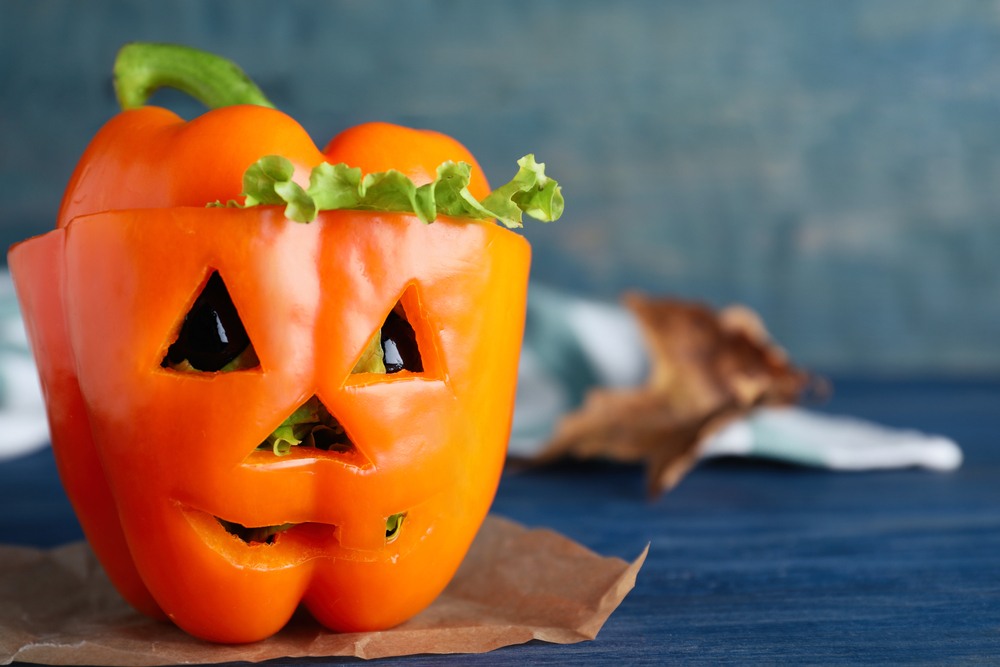
During the Halloween 2026 season, retailers are seeking products that combine strong visual impact with versatility. These attributes help them to build ranges that work across trick-or-treating, sharing, gifting, parties and seasonal nights in.
For independent retailers, products that offer a flexible range for seasonal bays, gifting displays, till points and secondary sightings help boost the positioning and purchase of premium Halloween foods.
“Consumers continue to be enthusiastic about Halloween, but they are also mindful of household costs,” said Michele. Retailers are responding with a range of price points, earlier seasonal launches, coordinated themes and limited-edition products.
They are also increasingly treating Halloween as a full seasonal event by building in-store campaigns around Halloween food and drink inspiration alongside costumes, décor and entertainment.