Free digital copy
Get Speciality Food magazine delivered to your inbox FREE
Get your free copy

Oil-slicked wheat and corn puffs, cheap chocolate and syrup-laden cereal bars are out as the era of healthy snacking claims its stake in the on-the-go world.
Wellbeing, functionality and clean ingredients continue to dominate in artisan food and drink, driving innovation in a space that’s been shaken up considerably in the last five years.
Greater knowledge and wariness of ultra-processed foods, coupled with ‘noise’ around gut health and HFSS regulation changes have led to seismic shifts in the industry, making it even more exciting.
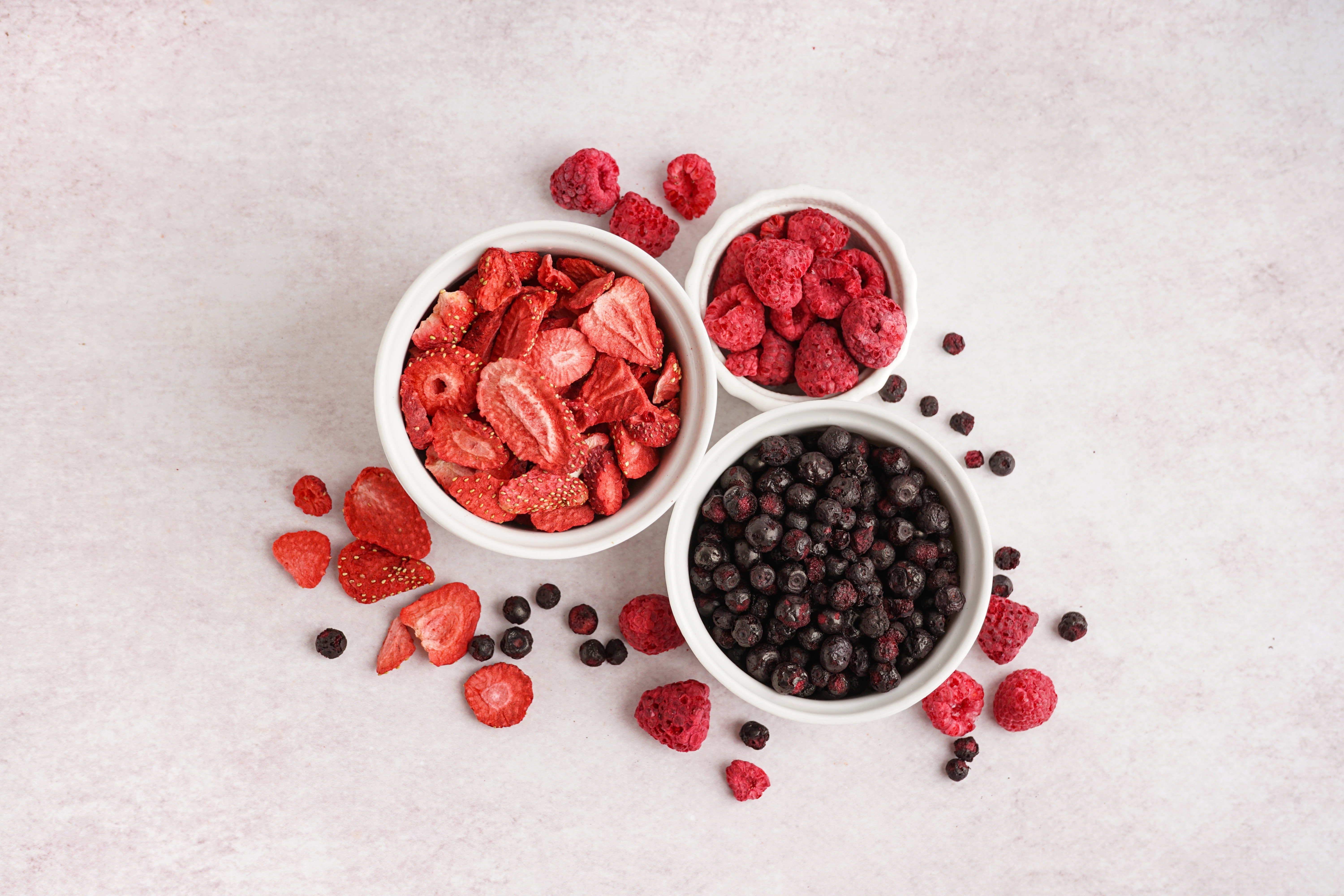
Speciality Food’s team has noticed more and more challenger brands cropping up at events and trade shows, from snappy all-natural fruit crisps, to chocolate-coated frozen berries, and seasoned snacking corn and pulses.
It seems healthy snacks are here to stay, with heavy investment from multiples demonstrating they think these products will go the distance.
In 2025 M&S invested significantly in more than 40 new and reinvented healthy snacking lines across nuts, dried fruit, seeds and pulses.
And Ocado retail’s data is pointing in one direction for these kinds of products to – up!
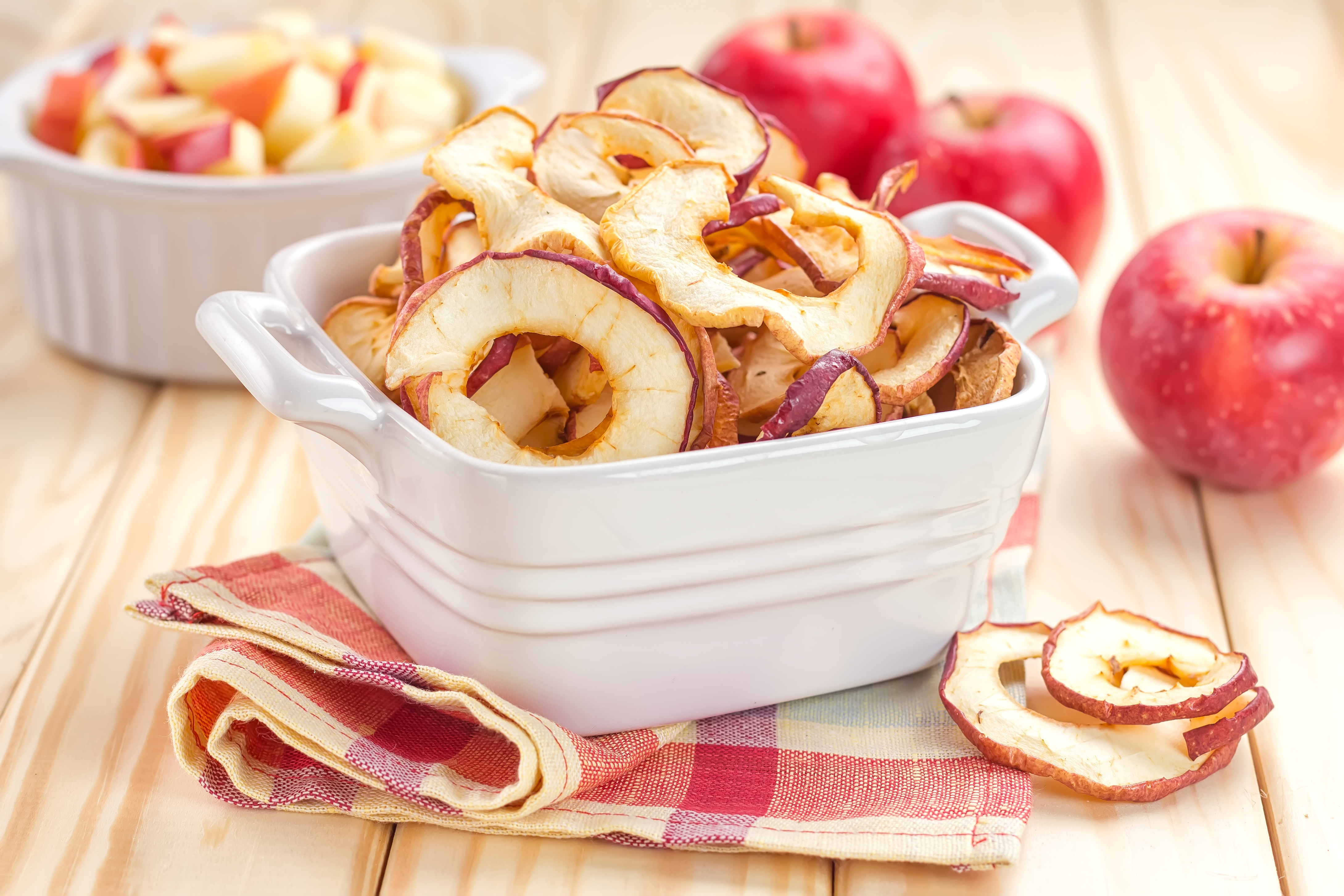
Analysis of Ocado’s online platform shows year-on-year search is up 36.18% for vegetable crisps, 26.41% for apple crisps, 82.99% for brand Forest Feast, 38.3% for honey nuts, 32.5% for salted nuts, 29.89% for healthy snacks for kids and 28.44% for healthy snacks.
This trend is reflected in Ocado’s year-on-year sales. Beans and lentils are up 29%, Love Corn up 15%, Forest Feast by 65%, Spare by 27%, snacking nuts, whole nuts and seeds up 27%, fruit and nuts up 93%, snacking nuts up 47% and whole nuts and seeds up 21%.
This is a sizeable change in buying habits that will have a huge knock-on effect in the development of the snacking world going forward.
Vhari Russell, founder of The Food Marketing Experts, says, “This category offers great opportunities for brands to differentiate and for retailers to stock a wide range of products to cater for different customer segments. Recently we’ve seen Candy Kitten buy Graze; this only emphasises that brands that offer sweet and savoury options are going to be the biggest winners.”
Vhari says multiple studies predict a growing trajectory for healthy snacks. According to Mintel, 54% of snack eaters consume them to boost their daily nutritional intake, while 59% seek snacks offering specific health benefits. Mintel also revealed that 77% of snack eaters find products with just a few ingredients appealing, driving demand for clean label options. And 52% of UK consumers agreed they would pay more for healthier snack attributes like better quality ingredients, despite cost-of-living pressures.
Zee Ahmed, senior buyer for crisps, nuts and snacks at Ocado retail, says snacking is growing right across grocery, even in categories like ice cream. “Customers are looking for snacks that deliver great flavour in smaller servings, and demand is only set to grow - especially as changes in people’s lifestyles mean they snack more often throughout the day due to hybrid or flexible working patterns, or as more adopt GLP-1-influenced diets.”
Karen O’Flaherty, co-founder of Pip Organic, says she’s noticed a real change in terms of kids’ snacking, with parents seeking out better quality, wholefood-based, nutritious options.
“Parents are more mindful than ever about what they’re feeding their children, but often don’t have the time to prepare healthy snacks from scratch, or deal with messy containers when out and about,” she explains. “If you’re a parent, you will know that kids change their minds from week to week, so they demand variety and choice, and the fruit and vegetable snack market provides that.”
Low or no salt and no added sugar are both claims on-pack giving parents peace of mind, Karen adds.
Farmer and owner of The New Forest Fruit Company, which produces crunchy all-natural strawberry crisps using its ‘wonky’ berries, says an increase in food allergies and dietary restrictions has impacted snacking, alongside people being more mindful of what they eat and the effect their diet has on them long-term.
“Customers are also becoming more savvy about where what they eat comes from, and are increasingly looking beyond the product alone, and taking into account the company and people behind it. Having a snack which is not only a healthy and innovative option, but which also tackles the global issue of food waste is very appealing to today’s snacker.”
Functionality is a buzz word in snacking that can’t be ignored either, says Bio&Me co-founder and CEO, Jon Walsh. “There’s a growing expectation that a snack should taste great, but also deliver something meaningful for long-term health. We’ve seen the same trend in breakfast over the past few years, and now it’s firmly moving into snacking. Consumers are increasingly asking, ‘what’s actually in this?’”
Snacks that deliver wellbeing benefits, with no or low added sugars, emulsifiers or artificial ingredients are appealing more and more, Jon says. “This trend really resonates with a younger audience as they’re especially savvy about ingredient labels and the transparency and authenticity of the brands they buy into.”
That’s not to say indulgence is off the cards, explains Tania Ezzedine, CEO of Rifai. She’s seeing a shift in people wanting convenience and luxurious options. “But they increasingly expect quality, natural ingredients and real flavour. Consumers are looking for snacks that deliver pleasure and nutrition – something satisfying, not just empty calories.”
In that sense, “The UK has moved away from ‘grab any snack quickly’, to mindful snacking. Products with traceable sourcing, plant-based benefits, protein and fibre.”
Rafael Rozenson, CEO and founder of Vievé agrees with Tania, saying shoppers want indulgence, but on their terms. “More protein, less sugar, and formats that don’t feel ‘healthified’ or boring. And with the cost-of-living squeeze, products need to work harder: taste great, deliver nutrition and feel worth the price.”
The UPF conversation isn’t going anywhere fast either, says Raise Snacks founder, Chester Robinson. “People are becoming increasingly aware that UPFs are potentially harmful, and so are seeking out natural snacks. Previous protein bars and other snack products have been packed full of synthetic ingredients that consumers are moving away from. Taste is key, nutrition is valued, and nature is becoming more important.”
The fact these products are nutrient-rich by design is a key reason for their growing popularity, says Tania. Nuts, especially, are packed with healthy fats, protein and energy, and also sate the appetite. “They feel like a smart choice. People perceive them as natural, honest snacks that fuel the day rather than create guilt.”
In addition to being more filling, thanks to greater levels of fibre than the average snack, fruit, nut, pulse and vegetable snacks are, says Jon, helping consumers to increase the amount of plant diversity in their diets in a fun way. “Our co-founder, Dr Megan Rossi, and other gut health specialists all concur that 30 is the magic number of different plants you should look to consume each week from what’s known as the ‘super six’: vegetables, fruit, legumes, nuts, seeds and wholegrains. Fruit, nut and pulse snacks all form part of this.”
These products sit in the “sweet spot” between ‘better for you’ and ‘actually enjoyable’, says Rafael. “People want natural cues - real fruit flavours, nuts, plant proteins – but without the sugar hit.” There’s also a sense of permissible indulgence with healthier snacks. “Shoppers feel better picking something with fruit, nuts or pulses because it signals naturally functional nutrition. Plus, the HFSS and anti-UPF environment is pushing retailers to prioritise snacks that have a clearer health story.
The market now offers a much wider variety of choice in fruit and veg snacks than ever before, in a multitude of formats, adds Karen.
Shoppers can now choose from fruit rolls, bars, dried and freeze-dried options, which has created a burst of excitement.
“Our customers are loving brands such as Forest Feast,” says Zee. “Vegetable crisps and mixed dried fruit searches online also reflect this, both increasing 36% this year compared to last.
“Our customer data shows a clear demand for healthier snacking, which we only expect to continue, so it’s important that retailers expand their ranges with more innovative products, and suppliers meet this demand.”
Karen says Pip Organic conducted a survey on family shopping habits, finding one of their top three choices was dried fruit snacks. “They’re popular because they’re convenient, healthy, and there are now more clean label options out there, like our Pip Organic Pipsticks.
“Consumers want snacks that are easy to grab, made from simple ingredients, and aren’t ultra-processed. As a parent myself, I know how precious time is, so snacks that are wholesome and hassle-free really stand out.”
Dr Asiya Maula, who specialises in lifestyle and functional medicine says the stand-outs he’s noticing are roasted pulses and seeds for a crunchy, savoury fix, olive or cacao-based bites for polyphenols and healthy fats, seaweed for minerals and minimal calories, and gently dried berries, where flavour meets plant compounds.
Consumers, Dr Maula says, are checking labels more vigorously, so to hit the right note, brands need to create, and retailers need to stock products with short, recognisable ingredients lists.
Balance is key, says Karen. But so is building trust with customers. “With food production knowledge more accessible than ever, consumers can’t be easily fooled. They want healthier snacks that are simple, easy and accessible.”
Tania agrees with Karen’s thoughts on balance, adding that today’s retailers must offer products that are familiar and comforting, with premium and better-for-you alternatives. “Healthy snacks should not live only in the ‘wellness corner’ - they deserve visibility in mainstream snacking.”
Focus on education, thinks Chester. “Offer formats and flavours that go beyond the usual bars and crisps. Highlight key benefits and ingredients with clear in-store signage. Bring in innovative brands that excite health-conscious shoppers. Use promotions and cross-merchandising to drive trial and increase basket size. And don’t underestimate the power of storytelling. Consumers want to know the ‘why’ behind products.”
Rafael says retailers should look to stock more healthy snacks, while keeping the offering fun. “Shoppers don’t want compromise. If it tastes like cardboard, it’s staying on the shelf!”
Protein, he says, is becoming mainstream, and should be a key consideration for buyers. And you’ve got to remember that front-of-store is where the magic happens. Snacks that are, “compact, flavour-forward and HFSS-friendly are perfect for queues, meal deals and impulse. Retailers should treat the front-of-store as a nutrition upgrade zone.”
This is something Jon feels too, saying that clear signposting of natural snacks is key. “Shoppers are time-poor; they’re looking for simple solutions they can trust.”
Taste, he adds, “still drives repeat purchase, and products that nail both sides of the equation are the ones customers come back for.”
Absolutely, say all our experts. “The shift towards healthier eating isn’t a flash in the pan,” says Jon. “It’s becoming part of everyday behaviour. We don’t see this slowing down. If anything, the bar for what counts as a ‘healthy snack’ is getting higher. Brands that prioritise real ingredients, credible science and great taste will be the ones that win.”
Zee says it’s a long-term consumer shift rather than a fad. “Customers are much more informed because of having access to a wealth of data and resources online. So how brands and retailers engage with consumers and shoppers on healthier snacking is more important than ever.”
“As lifestyles stay busy and urbanised, and as health consciousness – including dietary preferences – continues rising, demand for nutritious, convenient, tasty snacks seems set to increase,” says Tania, who thinks the definition of ‘snack’ is evolving too. “Consumers want nutritional value, premium ingredients, energy, taste excitement and authenticity. Nuts and dried fruits naturally delivery on that. We see healthier snacking becoming the new mainstream, not a niche.”
Rafael says there’s significant room to grow in the UK snacking arena, adding that we’re behind developed markets in the USA and Australia. “Healthy snacking has real momentum behind it. A 2025 Food Manufacturer report shows that ‘healthy snacking’ sales jumped 39% in 2023 compared to 2022, signalling a major shift in how UK shoppers are choosing to spend. There’s also an increase in snacks with functional cues like protein and fibre. Put together, these signals point to a long-term behaviour change, rather than a fad. Healthier snacking isn’t a moment. It’s the direction the whole category is moving in.”
It’s consumer demand, not regulation, that’s driving this shift, which is encouraging, thinks Chester. “People are more informed and motivated than ever to make better choices, and snacking habits are evolving accordingly. As health and wellness remain front of mind, whilst an appetite for flavour persists, I expect the category to continue growing and innovating,” he says.
The shoppers of the future will inform and shape the healthier snacking category of the future, thinks Sandy. “Because they are learning more about their health and the impact of what they eat on their bodies and minds. Consumers know more and more about how a high-sugar diet can impact them, and are increasingly looking for healthy and tasty alternatives without feeling like they’re missing out on a treat.”
1. Functional snacking with flavour: Consumers expect snacks to pack a punch in the flavour department, while meeting needs like protein and fibre goals, immune function or alertness. This is of most importance to 16 to 34-year-olds according to Mintel, with 78% of those surveyed saying they’re looking for snacks with health benefits.
2. Swicy: Sweet and spicy flavours have gone mainstream and we can’t get enough of them. Healthy snacks infused with the taste of gochujang, sriracha, harissa and other warming flavour profiles will be the ones to watch.
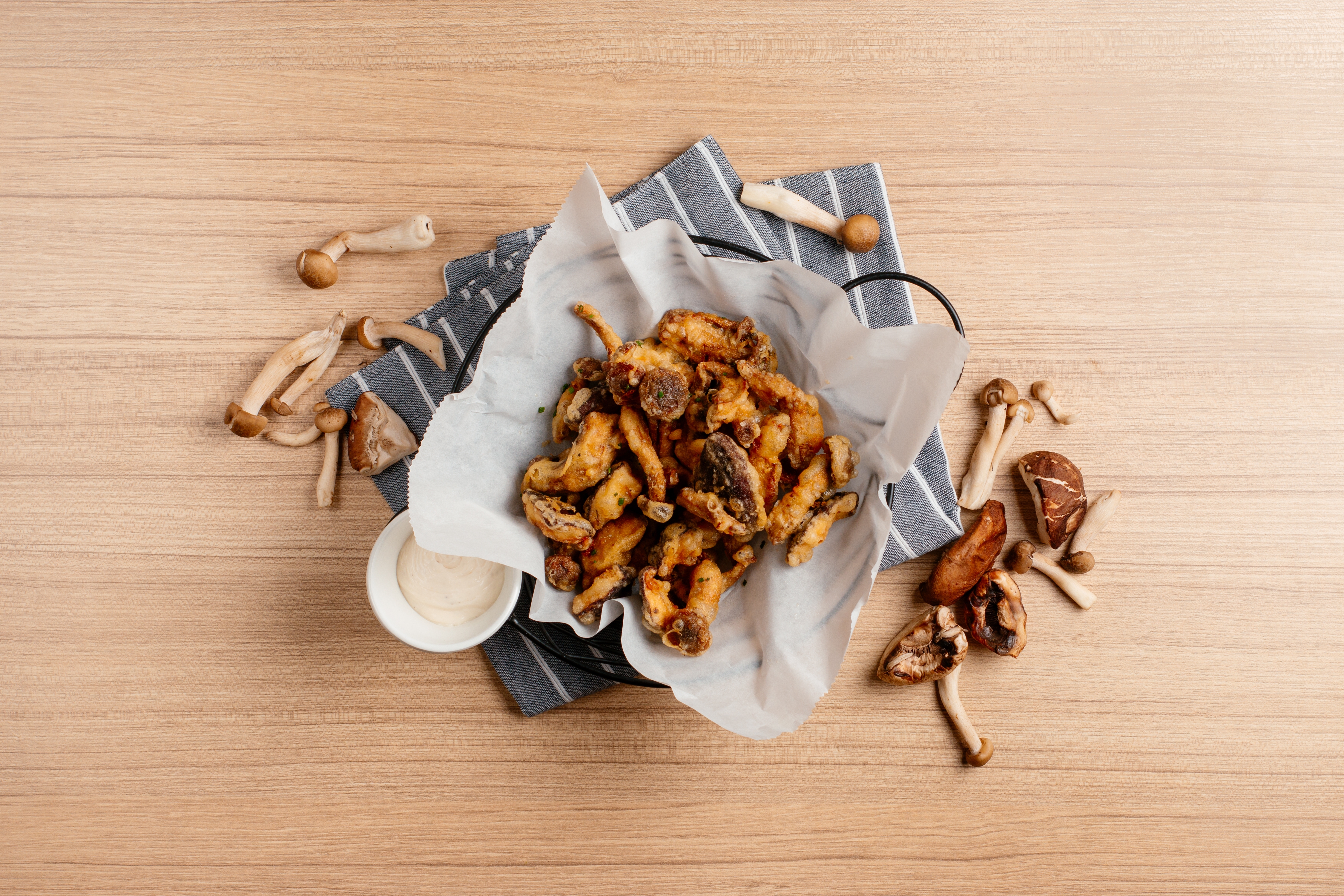
3. Umami: Consumers are moving away from overly sweet snacks or those laden with salt, and instead want to see taste delivered from naturally umami ingredients like miso, mushrooms, black garlic and yeast extract.
4. Clean labels: All-natural labels have becoming crucial for driving sales in snacking, and this trend will only grow.
5. Premium snacking bars: The UK snack bar market is predicted to grow at a rate of 7.86% annually, with 47% of British adults preferring on-the-go snack bars with added protein and fibre, and clean-label claims, according to Mordor Intelligence.