Free digital copy
Get Speciality Food magazine delivered to your inbox FREE
Get your free copy

Pickles seem to be everywhere at the moment: in cocktails, on sandwiches and, somehow, even in coffee.
Mat Moyes, marketing controller for Mrs Elswood, the UK’s top gherkin brand, is closer than most to the growing interest in everything zingy and briny. “What fascinates us is the consumer spaces in which gherkins are being talked about, because as a category with 26% household penetration and a frequency of 3.7 (Kantar, 2025) – gherkins are punching well above their weight,” he tells Speciality Food.
The humble pickle has seen a meteoric rise thanks to the help of big-name brands, dating back to 2023, when Heinz launched a pickle ketchup.
But then, in March this year, “KFC launched a whole pickle burger meal – with pickle ranch sauce, crispy pickle chips and a pickle seasoned glazed sesame bun,” Mat says. “To promote the new menu, KFC even created a pickle puffer jacket.” (And no, that’s not a puffer jacket covered in images of pickles, but one actually filled with sliced gherkins and brine.)
Nespresso was next to jump on the bandwagon with “pickled coffee cola” thanks to brand ambassador Dua Lipa’s apparent obsession with adding pickle juice to her cola.
Co-op has joined the fray too, albeit with the more sensible launch of dill pickle flavoured crisps.
“Pickles and pickle flavours are having a real moment, driven by consumers looking for bolder, more elevated flavours and ways to recreate restaurant-quality food experiences at home,” says Lesley Parker, senior brand manager for Kühne at UK distributor RH Amar.
Barry D’Arcy, a private chef and founder of Ocean Earth Chefs, says people are craving stronger, sharper flavours that make everyday food taste more interesting. “A lot of food now is quite rich, whether it is burgers, loaded fries, barbecue food or cheesy comfort dishes. Pickles cut through that heaviness straight away. They add acidity, crunch, and salt, which gives balance to a dish and makes you want another bite.”
Lesley is also seeing shoppers increasingly drawn to ingredients that bring crunch, acidity and balance to dishes. “Social media has also played a huge role, with viral recipes featuring pickle-brined chicken, loaded burgers and even pickle cocktails helping to introduce younger consumers to the category in new and exciting ways,” she says.
And there’s the sustainability angle as well. “More people are thinking about food waste and looking for ways to make ingredients last longer,” Barry says. “Pickling is one of the easiest ways to extend the life of vegetables that might otherwise get forgotten in the fridge, so there is a sustainability angle to it as well.”
What’s more, consumers are much more open to experimenting with pickling more than traditional cucumbers and onions. “You are seeing pickled chillies, carrots, watermelon rind, fennel, and even citrus-led pickles becoming more common. Once people start trying those flavours, they realise pickles are not only a side garnish anymore,” Barry says.
What makes the pickle trend different, Mat adds, is how “consumer interest in pickles is being seen across every touchpoint, from social media (such as Pickleback shots on TikTok) to QSR menus and snacking products”.
The growing taste for pickle products is being driven by restaurateurs and food brands looking to tap into growing consumer demand for bold, nostalgic and fermented flavours, says Colin Salmon, development chef at Brakes Foodservice. He sees four reasons driving the popularity of the pickle.
1. Nutritional value
“Gen Z is primarily driving the popularity of pickles, and individuals take a keen interest in their health, prioritising regular exercise and budget-friendly and nutrient-dense foods. Pickles are a fermented food, and consuming fermented foods can support gut health, diversifying the beneficial bacteria that lie in the gut and supporting its microbiome.
“Drinking pickling liquid is also thought to support hydration, help to ease muscle cramps and aid recovery from strenuous exercise due to its combination of water and salts. Athletes such as Carlos Alcaraz have even been documented drinking pickle juice during matches to support their bodies.”
2. The general rise in pickling
“At a time when reducing food waste, cutting costs and getting the most out of produce is important, pickling has become increasingly popular with many professional and at-home chefs who are pickling different vegetables to use as garnish in their cooking.
“In fact recent data from Brakes has seen a 1000% growth in sales in pickled sweet and sour red onion year-on-year, while pickled watermelon is up 205% and kimchi sales 191% over the same period - highlighting a strong interest from restaurant operators in pickled-based foods.”
3. Becoming part of the mainstream culture conversation
“Pickle flavours are becoming more mainstream, with more dining out giants leaning into the trend, including KFC.
“Celebrities have set mainstream trends within the food industry by sharing their favourite cuisines, dishes or drinks, and pickles in particular have received a lot of celebrity endorsement.
“The rise of pickle-themed in-person events suggests the trend is here to stay. This September, London will host The Big Brine, the capital’s first festival dedicated to celebrating the craft, process and creativity behind brined and fermented foods.”
4. Global flavours are on the rise
“Online searches for ‘global flavours’ have risen 23% year-on-year, as consumers continue to crave foods from around the world. British food enthusiasts are becoming bolder in their tastes and willing to try new things. Typically, the flavour of pickles can be polarising, but with palettes becoming more adventurous, pickles are growing in popularity.”
Despite the novelty stunts, Mat says there is a legitimate shift in consumer interest. “The likes of KFC and Kraft-Heinz don’t innovate without insight pointing to a sizeable opportunity!” he adds.
Fine food brands have not slept on the trend either. Juno Jablon, co-founder of Nnaise, a new range of quality mayonnaises made by the duo behind small-batch dressings ’Grette, says launching Pickle Nnaise was “kind of inevitable for us”.
“We’ve always been a pickle-eating household, pickling everything from fennel to watermelon rinds for our home cooking, so when we started developing our mayo range, including a pickle flavour felt obvious,” Juno tells Speciality Food.
But what really sealed the deal, she says, was “seeing how mad people have gone for pickles lately”.
And despite this, there was a gap in the market. “When we looked at what was already out there, the mayo market felt pretty same-y. Everything was playing it safe with timid flavours, and there wasn’t really anything that matched the bold, punchy taste profiles we were after. We wanted high-quality, rich mayos with genuine flavour impact, The kind that actually tastes like something,” Juno says.
“So we decided to take matters into our own hands. During our testing with friends and family, bottles of Pickle Nnaise were literally getting guzzled up. We’re confident it’s going to be our best seller. If you want the perfect vehicle for it, slather it on a fish finger sandwich - trust us on that one.”
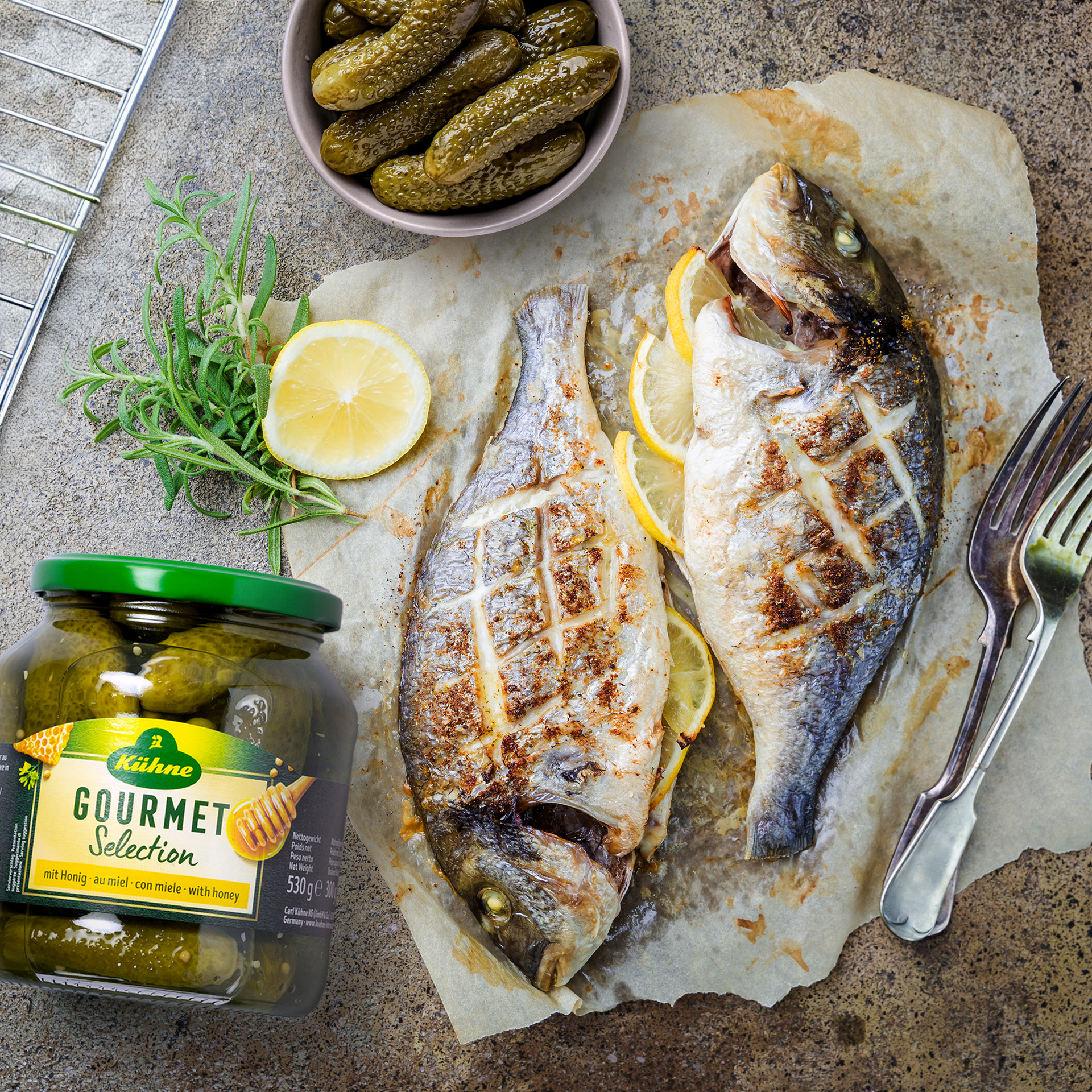
With Kühne, Lesley says, “we’ve seen particularly strong demand for premium and globally inspired flavours, with products like the brand’s Gourmet Selection Honey, Chilli and Dill Cornichons resonating with shoppers who want something more adventurous.
“Consumers are becoming more confident experimenting with flavour, and pickles offer a simple way to add impact to everyday meals,” she says.
For fine food retailers, there are opportunities to boost sales of pickles and pickle-flavoured products – especially with barbecue season having arrived early this year.
Lesley expects demand for premium and gourmet pickles to be high this coming BBQ season and beyond. “For speciality retailers, this presents a fantastic opportunity. Farm shops, delis and food halls are perfectly positioned to showcase pickles as part of a wider premium food experience.
“Merchandising pickles alongside burgers, charcuterie, cheeses or BBQ ingredients can help inspire shoppers and encourage trade-up purchases. Sampling and storytelling are also important, especially around provenance, flavour profiles and serving suggestions,” she continues.
Mat agrees that retailers can do more when it comes to merchandising. “We believe the category would benefit from more space, more frequent aisle end activity and more secondary fixtures.” He advises having a mix of cuts of gherkins, “from sandwich gherkins (27% of all gherkins are eaten in sandwiches) to burger gherkins (14%) and whole gherkins”.
Sampling and chatting through uses is a must, Barry says. “Pickles are one of those products people often need to try before they buy. Once someone tastes how a sharp pickle cuts through something fatty or rich, it clicks immediately.
“A jar on a shelf only tells you so much,” he continues. “The retailers doing this well are the ones giving serving ideas alongside it. If someone sees pickled vegetables next to cheese, cured meats or barbecue foods, they instantly understand where it fits.”
Mat sees the largest area for growth in gherkins to be occasion-driven, “in particular snacking as consumers are increasingly seeking healthier snacking options. With only 26 in every 100 UK households buying gherkins only 3.7 times per year – the headroom for growth is massive. The category could double, and still only be reaching 50% of UK households – an average of 3.7 times per year,” he says.
Mrs Elswood recently launched a new duo of on-the-go snacking pickles in classic and peri peri flavours to capitalise on this.
“By selecting and stocking the artisan brands that are ahead of the curve, speciality retailers could reap the rewards when fans of pickles browse the shelves and curiosity gets the better of them,” Colin adds.
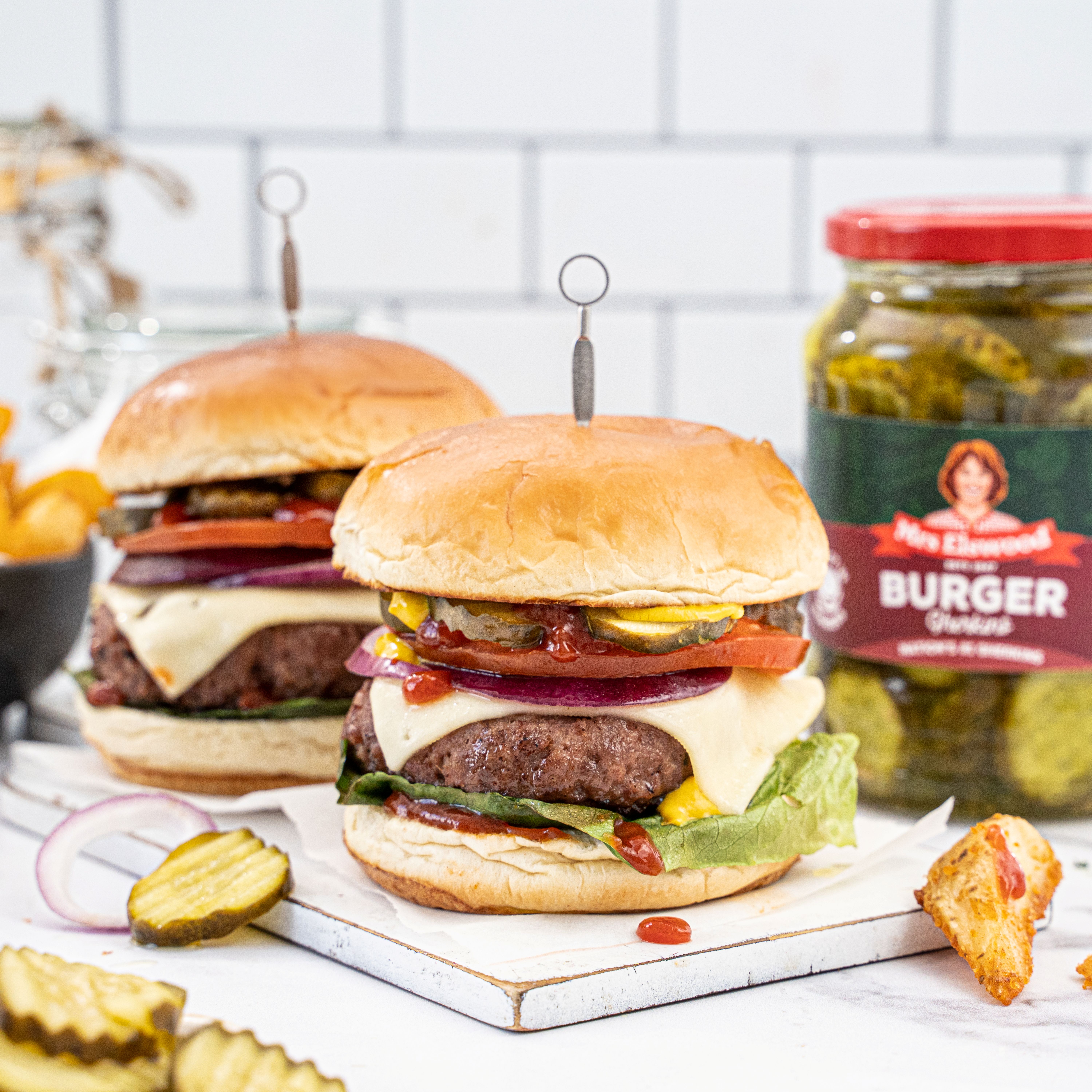
Pickles have rarely been the hero of the plate, but rather the supporting actor who brings out the best in others, Mat says. “From the background, a gherkin elevates whatever it is paired with; have you tried a Reuben sandwich without a gherkin? Don’t,” he says. “Good pickles support, and elevate, the foods they are paired with.” And industry insiders expect they will continue to do so.
Looking ahead, Lesley expects the trend to continue evolving into new formats and occasions, “from snacking pickles and spicy flavour combinations to fermented products and pickle-inspired sauces and seasonings,” Lesley says.
Barry predicts more regional flavours and smaller-batch products will come through. “People are becoming more interested in fermentation and handcrafted foods generally, so pickles fit naturally into that. You are already seeing things inspired by Korean kimchi flavours, Indian-style pickled vegetables with spice and mustard seed, and sharper Eastern European-style brines becoming more popular outside specialist food spaces.”
Colin agrees, expecting more of the snacking sector to be influenced by pickle flavours, “perhaps in the form of pickle popcorn, pickle-coated nuts and crisps, with the acidic and tangy flavour complementing savoury snacks.” Spices and sauces could also see more pickle infusions, he adds, from hot honey to smoky barbecue and spicy Eastern flavours.
There’s an opportunity for cocktails too, as overly sweet and fruity drinks are out, while ‘dirty’ cocktails gain more traction. “The savoury flavour [of pickle brine] lends itself well to margaritas and Bloody Marys, which could come in a ready-to-drink or kit-style format for speciality retailers,” Colin says.
Pickles are truly having a moment. And as Lesley rightly says, “Pickles are no longer just a side garnish – they’ve become a flavour category in their own right.”