Free digital copy
Get Speciality Food magazine delivered to your inbox FREE
Get your free copy

As more Brits become enamoured with the foods of cultures from around the world, it seems the nation’s tolerance for spicy food is heating up.
“There’s a real shift happening in how British food lovers approach heat,” begins Gunikka Ahuja, founder of newly launched Bunta Beer, the UK’s first non-alcoholic Indian craft beer, specially brewed to complement bold Indian food.
“For a long time, ‘spicy’ was a novelty or a dare – something you ordered to prove a point. But now people are genuinely curious about why something is spicy, where that heat comes from, and how it builds,” she says.
“People are more interested now to try new cuisines and to be more adventurous in their eating,” agrees chef Khadim Mane, founder of Little Baobab, London’s only Senegalese restaurant.
While this started with Indian food in the UK, “now we see lots of other Asian and African cuisines getting recognition and showcasing quite bold flavours,” he continues. “Also many of these restaurants are not toning down their spice as much anymore – being proud of our traditions and where we come from.”
Social media has also had a role to play in helping more Brits fall in love with spicy flavours, says Dominique Woolf, founder of Woolf’s Kitchen, a premium Asian flavour brand known for its award-winning chilli oils and modern sauces. “Social media has played a huge role in popularising spicy food, with viral challenges, hot sauces and global cuisines putting heat centre stage,” Dominique says.
Platforms like TikTok have made bold, fiery food incredibly visual and shareable, adds Gunikka. “But I also think there’s a deeper cultural confidence at play. The UK is such a wonderfully diverse country, and as more people grow up eating the cuisines of South Asia, West Africa, the Caribbean and beyond, high heat just becomes… normal. Delicious, even.”
The modern, educated consumer is not only bringing more open-mindedness and knowledge to their use of spice – but also more nuance. “It’s not just about extreme spice; what we are seeing at Woolf’s Kitchen from talking to our customers is that they are more interested in flavourful heat that adds depth and complexity to dishes,” Dominique says.
“They want everyday food to feel exciting, flavourful and elevated without loads of effort,” she continues. “What we’re seeing is that well-made, balanced spicy condiments and sauces are becoming an everyday companion.”
“The old benchmark,” says Gunikka, “used to be the Phaal challenge or the hottest wings on the menu – heat as a competition. What’s exciting now is that people want heat with nuance.
“They’re asking about the difference between the slow burn of a Kashmiri chilli versus the sharp sting of a Bird’s Eye. They want complexity alongside the fire,” she says. “I think shows like The Bear, a wave of brilliant independent restaurants, and a much more adventurous younger generation of eaters have all contributed. People aren’t just tolerating spice – they’re seeking it out intentionally.”
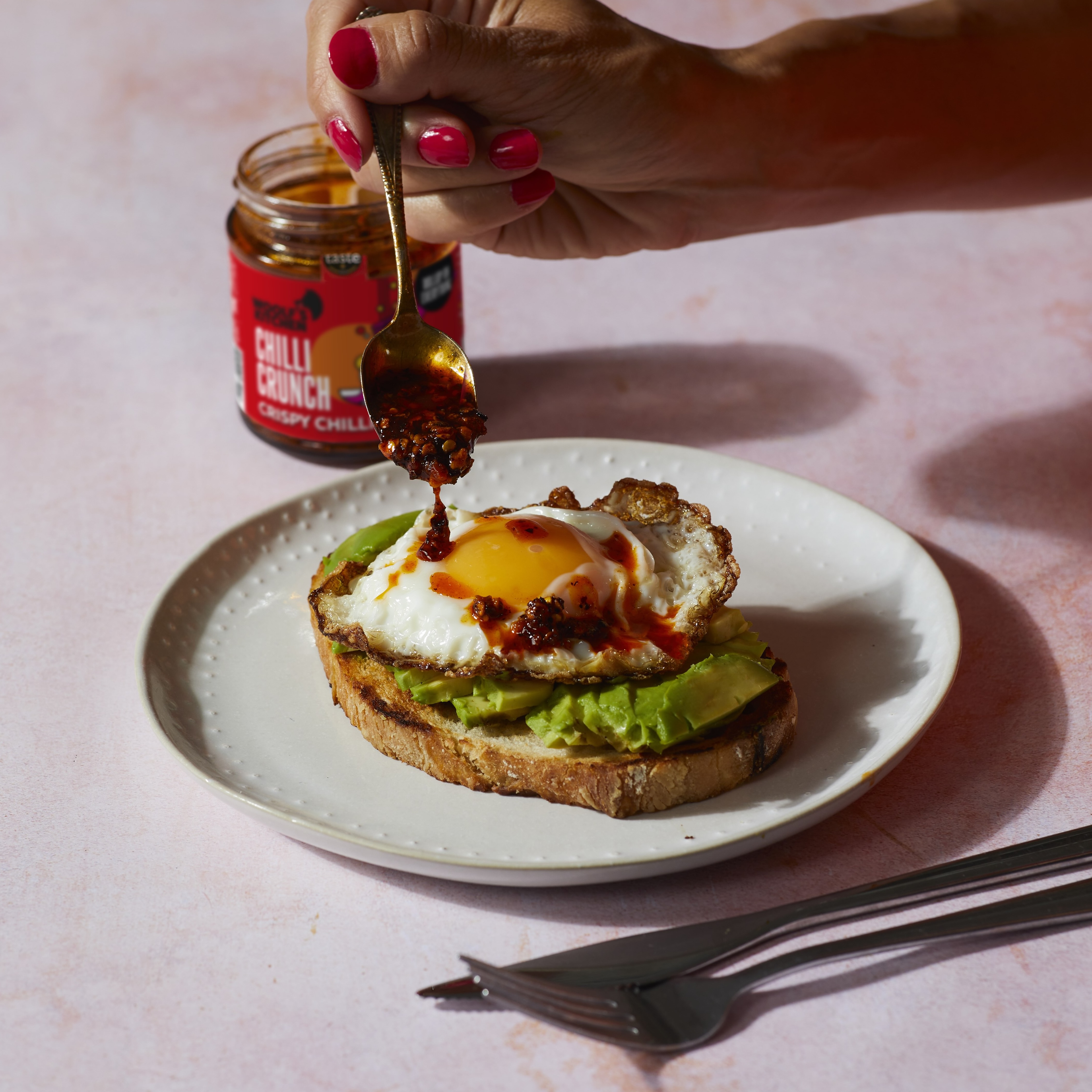
For fine food retailers, the key to boosting sales of spicy foods is to make it easy, Dominique believes. “Shoppers want convenient ways to add flavour without having to buy lots of specialist ingredients. Products such as chilli oils, curry pastes and cooking sauces can help people recreate restaurant-quality dishes at home with minimal effort,” she says.
Chef Khadim advises shops to stock a range of choices in terms of chilli flakes, chilli sauces and hot sauces at different heat levels. “Then people can get to know the flavours and level of spice they enjoy.” He has recently created his own chilli sauce that, he says, “is designed to balance both heat and flavour. We typically eat it as a condiment on the side of dishes, but you can also mix a spoon of it through a dish while you are cooking.”
Therein lies another secret to improving your sales of super spicy foods: education. “Education and storytelling are everything here,” Gunikka says. “If you put a jar of chilli pickle or a bottle of hot sauce on a shelf with no context, it can feel intimidating to someone who isn’t sure how to use it. But if you tell the story – this is a Chettinad spice blend: this is what it tastes like, this is the dish it transforms – suddenly it becomes approachable and exciting.”
Recipe ideas, meal solutions and cross-merchandising complementary products are recipes for success, Dominique says. So, for example, create a display with noodles, eggs, veggies, bone broth and a spicy cooking paste together.
Personally, Dominique tells us she loves versatile products that deliver both flavour and heat. “Our Chilli Crunch Oil is a great example because it can instantly elevate everything from eggs and noodles to pizzas and roasted vegetables. I’m also a big fan of dishes such as spicy dan dan noodles, Thai curries and Korean fried chicken, where chilli brings layers of flavour rather than simply adding heat.”
With many customers still building their confidence with heat, sampling is an powerful tool too. “The moment someone tries something and feels that warmth bloom rather than just burn, they’re converted,” Gunikka says. “Fine food retailers have a real opportunity to be the trusted guide here, not just the stockist.”
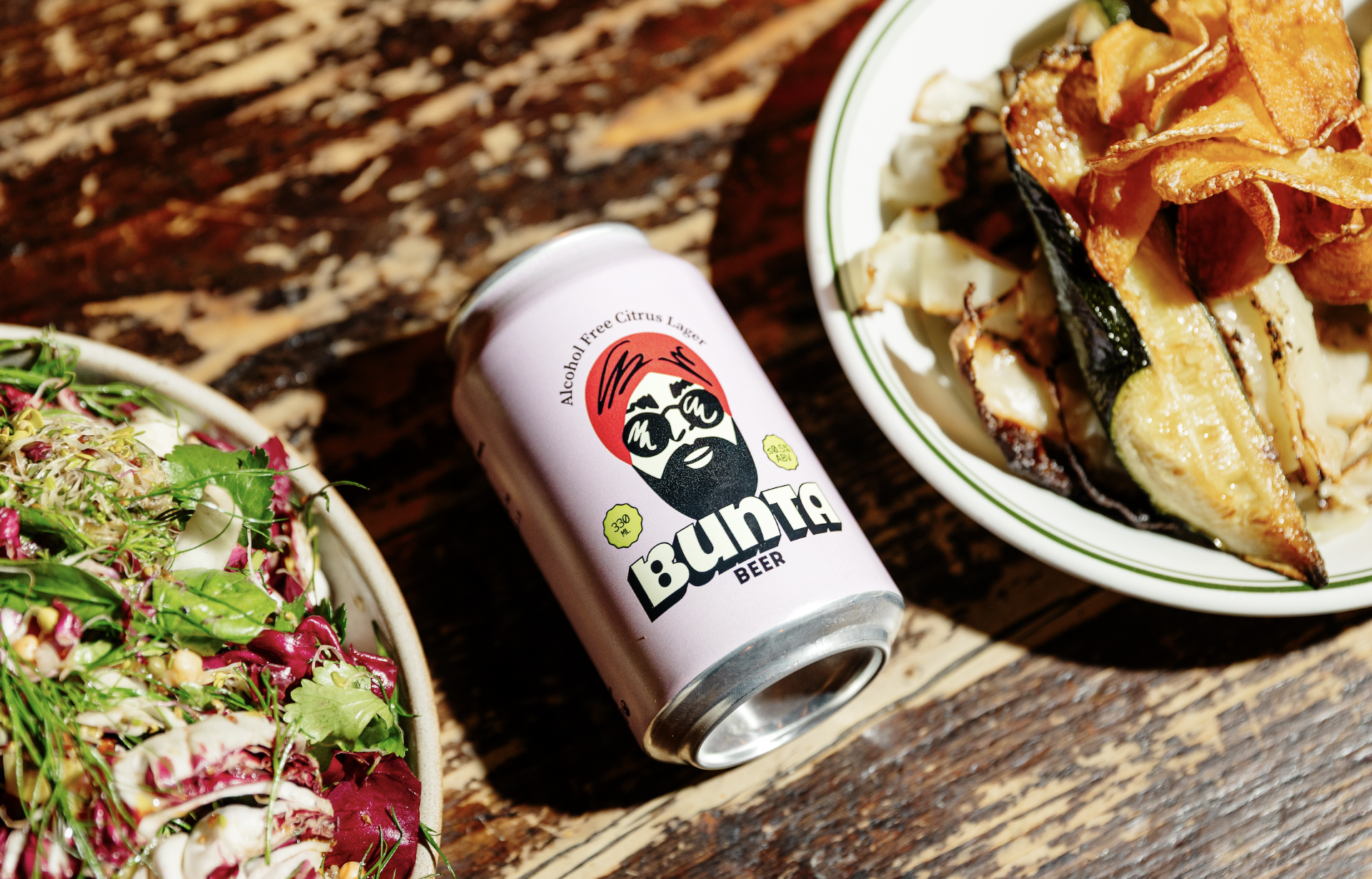
For a well-rounded dining experience, super spicy foods can be balanced with a thoughtfully chosen drink, dip or side dish. These accompaniments are “hugely important because they help create a balanced eating experience,” Dominique says.
“Cooling accompaniments such as yoghurt-based dips, pickles and fresh salads can complement spicy dishes beautifully, while drinks can either tame or enhance the heat. For retailers, this creates a great opportunity to encourage linked purchases and build complete meal occasions around spicy food,” she says.
Gunikka agrees that accompaniments are “absolutely essential” - adding that “this is where the real magic happens”.
“In Indian cooking, we’ve always understood that spice is part of a balance,” Gunikka says. “A cooling raita, a sweet chutney, a crisp papadu. These aren’t afterthoughts; they’re integral to the experience.
“For retailers, this is also a brilliant opportunity to drive basket size. Pair a hot sauce with a craft beer, a fiery pickle with a yoghurt-based dip, a spiced snack with something cooling and creamy,” Gunikka says. “When you help customers think about the full picture, spicy food stops being a standalone thrill and becomes a whole occasion.”
Gunikka designed Bunta to make Indian cuisine taste better after visiting curry houses on Brick Lane and finding the only options from big brands were harsh, overly bitter, heavy and gassy.
As well as a classic curry and pint, spice-loving customers may want to pair their wine with a spiced dish, and Harry Cooper, head sommelier at London’s Appalachia, says this can be “a real minefield”.
“Aromatic spices (cinnamon, turmeric, galangal) and capsicum spices (chillis/peppers) will react badly with bold tannins and additional body developed from oak ageing of wines, meaning the choices for wine pairings with volatile spiced dishes can be severely reduced,” Harry explains.
“Those looking for a white wine with their course, the ‘rules’ for pairing here are a little simpler; to suppress the ‘burn’ of heat or of bright aromatics spices a little (or more) residual sugar is your friend,” he advises. “Or jump in the opposite direction and match cooler spices (dill seeds, caraway, dried limes) with clean, simple aromatics with a greater acidity, think sparkling Sekt or sparkling Riesling such as Frank John’s, Riesling Brut Nature (2018).
“My personal pick for bolder and spicy dishes would be to choose Riesling produced to Kabbinett or Auslese standards; bright with acidity but structured with a generous level of fruits and residual sugar to balance palate (and the reduced alcohol value is also a bonus).”
For guests looking to pair a red wine with their spices, he says, “keeping the tannins low and oak intervention sympathetic means look to Spatburgunder (Pinot Noir) especially one which has ripened appropriately; Dreissigacker’s ‘Wunderwerk Rheinhessen Spatburgunder’ 2018), or Frank John’s ‘Kalkstein’ (2020) are both favourites of mine, especially served at cooler temperatures”.
For chef Khadim, it’s less about the accompaniment – as a spicy food diehard he personally likes to “feel the heat while eating” – and more about a finishing touch. “We do like to finish a meal with our bissap juice, which is made from hibiscus flowers and mint and is very cooling.”
Spicy food has so much to offer, so if your customers are still a little hesitant, take the trend for super spicy foods as an opportunity to introduce a kick of something different to their dining experience.