Free digital copy
Get Speciality Food magazine delivered to your inbox FREE
Get your free copy
Chutneys and pickles may traditionally sit alongside the cheeseboard, but for independent fine food retailers they represent a much broader opportunity – from increasing festive basket spend and creating compelling pairings to introducing shoppers to new flavours and building attractive gifting options.
As Christmas approaches, the category has the potential to become much more than an accompaniment. With shoppers investing time and money in creating memorable festive meals, retailers can use chutneys and pickles to add value to everything from Christmas lunch and cheeseboards to Boxing Day leftovers, drinks and gifts.
“Chutneys and pickles give shoppers simple ways to elevate almost every festive eating occasion across the festive period, without having to spend hours behind the stove,” says Becca Chapman of Tracklements.
“Whether it’s adding a final flourish to Christmas lunch with Cranberry, Port & Orange Sauce, enhancing a cheeseboard with best-tasting chutney pairings, or bringing Boxing Day cold cuts to life with Particularly British Piccalilli, chutneys and pickles transform eats with less effort leaving more time to spend with loved ones!”
That convenience is particularly relevant at Christmas, when consumers are often prepared to pay more for products that help them create an impressive occasion without adding extra preparation. “Shoppers are typically more considered at this time of year,” she adds. “They’ve spent time curating the perfect components for the big day; they don’t want to let it down at the last minute with less than the very best condiments.”
For independent retailers, this makes premium chutneys and pickles an opportunity to reinforce the quality message running through the rest of the festive shop.
One of the biggest opportunities is to stop treating chutney as an isolated product and instead merchandise it alongside the foods with which it will be eaten. “For retailers, this variety of usage occasions creates upsell opportunities with complementary purchases of meats, cheeses, crackers, upping basket spend throughout the festive season,” says Becca.
The category also benefits from being relatively easy to add to an existing purchase. According to the Waitrose Food and Drink Report, the majority of shoppers have more than six condiments in their fridge at any one time, which Becca describes as making chutneys and pickles a “no-risk ‘additional purchase’ for browsing shoppers”.
For indies, the implication is clear: visibility matters. A jar placed next to the cheese counter, festive crackers or charcuterie can become an easy add-on, particularly when the retailer explains exactly why the two products work together. The cheeseboard is an obvious starting point. “Curating pairings from your counter is a surefire way to drive seasonal sales,” Becca says.
Tracklements supports retailers with pairing guides and point-of-sale materials, including recommendations from cheesemakers such as Jamie Montgomery, Sarah Appleby and Dulcie Crickmore. The commercial potential can be considerable: Becca reports that one customer achieved a 62% year-on-year uplift in sales after featuring Fresh Chilli Jam alongside its cheese counter for one month.
While a traditional cheeseboard chutney remains an important staple, retailers should not assume that shoppers only want familiar flavours.
At Teals, founder Ash Sinfield says the traditional all-round cheeseboard chutney remains “a safe bet” – particularly when the product is being bought as a gift. However, she is also seeing customers move towards more adventurous flavour profiles. “Personal tastes seem to be gravitating more towards the exotic, and we’ve seen growth in fermented and sweet and spicy,” she says.
Teal’s is bringing in a local producer making an Indian-style chutney “absolutely packed full of vegetables and spices”. Its appeal, Ash says, is its versatility. “They are equally good with cheese, cold meats or curries so they add versatility and colour to the shelf.” That versatility is valuable because it allows retailers to communicate several different uses for the same product rather than relying solely on cheeseboard sales.
Flavour-wise, there is plenty of scope for experimentation. “Chilli jams are doing well but so are tomato & onion or cider & apple,” she says. For cheeseboards, she particularly favours fruit-led flavours. “I love the contrast that a sweet preserve brings to a salty cheese so I tend to go for fig, damson, quince or honey for a cheeseboard – it’s hard to beat something sweet and sticky with a piece of Bath Blue.”
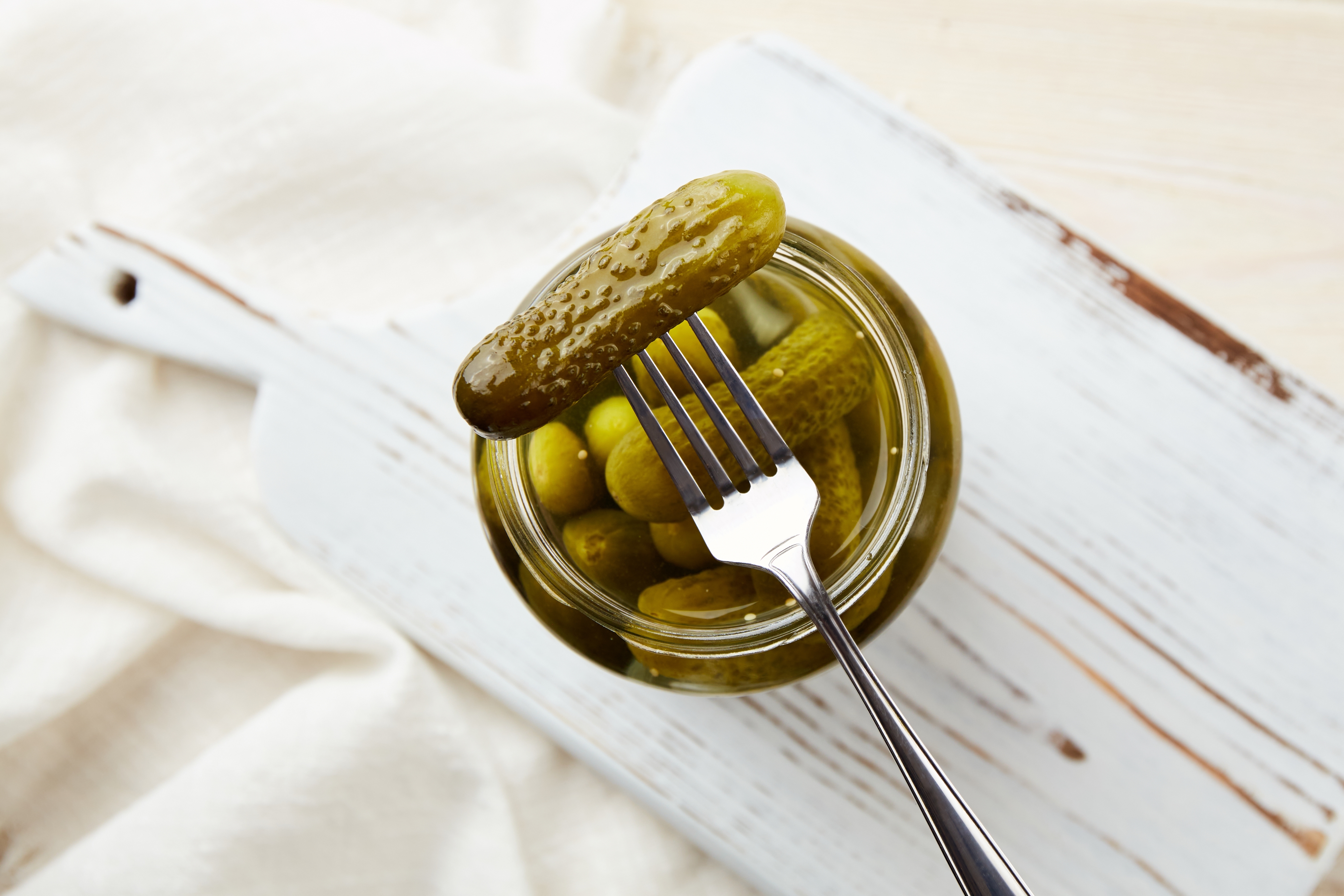
Perhaps the most significant opportunity beyond the traditional chutney category is the renewed interest in pickles. Pickle Project argues that the category is experiencing a resurgence, particularly among younger and more adventurous shoppers. “Pickles are really having a moment right now,” says co-founder Matt. “The hype is absolutely there for pickles, but the products on offer generally don’t match that.”
Its proposition is designed to inject new energy into a category he describes as “quite lacklustre and old-fashioned. New, modern and exciting brands like ours do, and can help attract younger, more adventurous shoppers.” The renewed interest is being driven in part by social media, where pickle-related content has generated huge audiences.
“Pickles are all over social media – racking up billions of views, celebrity endorsement and big brand collabs,” he continues. Crucially, pickles are no longer restricted to their traditional role alongside burgers or sandwiches. “They’re in sauces, cocktails, the list goes on.” That wider usage provides another opportunity for independents to educate customers. Pickles can be positioned as ingredients, cooking components and cocktail accompaniments as well as cheeseboard products. Matt and Heidi at Pickle Project has seen particularly strong demand for its Deli Dill, its take on a classic American garlic and dill pickle, made with no added sugar.
The festive season also gives the category a valuable second role: gifting. According to Mintel, eight in 10 consumers buy food as gifts at Christmas, while Tracklements says its gift packs have delivered strong seasonal sales for retailers as both impulse purchases and stocking fillers.
For independents, chutneys and pickles can work particularly well as affordable gifts that still feel premium and considered. ‘Hamper’ is another important word for retailers to have in mind. Chutneys and pickles can form part of a larger basket of complementary products, whether the retailer offers ready-made hampers or allows shoppers to build their own.
“Hampers are also a simple way to elevate your gift offering,” says Becca. “Whether you create ready-to-buy hampers, or allow shoppers to personalise them, it’s a great opportunity to introduce shoppers to a wider range of your produce, and often generates repeat purchases after Christmas.”
Pickle Project also highlights the stocking-filler potential of its products, noting that its pickles proved popular as stocking fillers and Secret Santa gifts last year because they retail for under £10.
That gives retailers another way to merchandise the category: not simply as an essential accompaniment to Christmas food, but as an accessible gift with personality.
For independent retailers, one of the strongest advantages of the category is the ability to sell it through recommendation rather than relying entirely on packaging.
Ash says small-batch chutneys can offer a marked difference from mass-market products. “Everything from texture to spice level and vibrancy can be better,” she says. The challenge is that smaller producers do not always have the same packaging resources as larger brands. “The flip side of this is that for small producers, packaging usually comes second,” she continues. Her solution is straightforward: “A way to combat this is good POS and in-store tastings.”
The Bay Tree‘s Richard Heddington agrees that tasting can be particularly effective. “Printed pairing suggestions can be useful when placed near the cheese counter. This may pique interest, but a tasting can bring greater results,” he says. “There’s no substitute for getting the customer to taste the product.”
That approach also helps retailers communicate the idea that chutney is not simply something to “dollop” onto a plate. “Chutney is not just a chuck-on-a-dollop product,” he continues. “The aim is to show its versatility as a condiment on (and as an ingredient in) dishes.”
Christmas does not end with the main meal, and retailers can use this to extend the relevance of chutneys and pickles beyond 25th December. “There’s more to Christmas food than cranberry sauce, booze, and mince pies,” says Richard. “Chutneys and condiments are very much the understated heroes waiting to play their part.” Leftover cold meats, cheeses and other festive foods provide multiple opportunities. “At The Bay Tree, we create flavour partnerships because we believe a chutney should have a purpose.”
The company recommends products such as Real Ale Chutney and Gooseberry & Coriander Chutney with leftovers, while Boxing Day Chutney, Fireside Chutney and Spiced Plum Chutney are designed to complement seasonal cold meats and cheeses.
These recommendations give retailers an easy post-Christmas sales message: help customers make the most of what they have already bought. “Each will greatly enhance the picky-bits fest of the Christmas season.”
Branch out: Traditional cheeseboard favourites remain important, particularly for gifting, but adventurous flavours, fermented products, sweet-and-spicy combinations and modern pickles provide opportunities to attract shoppers looking for something different.
Get creative: The category can also work across multiple departments: cheese, charcuterie, crackers, hampers, festive meals and gifting. Pairing suggestions, sampling, prominent POS and thoughtful merchandising can all help customers understand why they should add another jar to their basket.
Tell the story: Chutneys and pickles are so much more than something to dollop on the side of the plate; the opportunities truly are endless and that makes this traditional category ripe for reinvention. The opportunity is not simply to stock more jars, but to give each one a purpose, a pairing and a story.