Free digital copy
Get Speciality Food magazine delivered to your inbox FREE
Get your free copy

Retailers who stock for all become the first stop of the season. As the nights get longer, the streets come alive with the enticing aroma of spiced fruits and browning butter. ‘Tis the season of baking, and inside kitchens across the country, people eagerly mix batter, roll pastry, and fill their homes with the promise of truly scrumptious treats.
The UK has a delicious history steeped in home baking, and the numbers show it’s going nowhere anytime soon. 74% of Brits say they bake “at least occasionally,” with 14% baking at least once a month, and 11% baking several times a month.
In the months leading up to Christmas, casual bakers are likely to up their game. British grocery sales hit a record £13.8 billion in the four weeks to 28 December 2025 alone, up 3.8% year on year.
For fine food retailers, this serves up a real opportunity to not only supply shoppers with high-quality ingredients, but also give them the confidence to get started.
While there’s certainly space for originality, every solid range starts with the basics.
“Ahead of the festive season, retailers should be introducing premium versions of popular ingredients to make the most out of each customer’s spend capacity,” advises Sophie Carey, bakery development manager at Matthews Cotswold Flour. “Customers indulge around the festive period, but home bakers can be relied upon to see the value in additional skill and premium ingredients.”
Opting for high-end versions of classic ingredients, whether that’s a single-origin vanilla, an aged butter or a specialist spice blend, gives customers permission to upgrade a recipe they already know, transforming it into something special.
With a 700,000-strong following on Instagram, content creator and baker Ash Baber has built a community around his viral recipes. He predicts a clear shift towards hybrid desserts that borrow from classic recipes while embracing new trends.
From mince pie cheesecake bars and gingerbread tiramisu to hot chocolate lava cake, he says there’s a real appetite for the unconventional. “ They have the traditional aspect to them, but with a slight twist,” he adds.
Stocking the ingredients that let customers build these hybrids is one way to win them over. Of course, traditional bakes still have their place. Matthew Jones, founder of Bread Ahead, argues that most food trends loop back to a well-made version of the classic. He points to the hot cross bun trend, loaded with extra flavours such as milk chocolate, as a cautionary example.
“A hot cross bun for me is a hot cross bun,” he says. “It has those twelve or thirteen ingredients that represent something.” He prefers his own approach, a proper four-ounce mince pie made with mincemeat from scratch with no gimmicks in sight. “I think it’s really important to honour traditions,” he adds.
Turning browsers into bakers
Getting the ingredients on the shelves is only half the job. Through education, retailers can turn first-time bakers into return shoppers. Baber explains that he aims to make baking less intimidating for the average person, using the age-old rule of ‘show, don’t tell.’
Across his social media accounts and website, he shares easy-to-follow videos, showing bakers how each step should look in real-time. “That’s something you don’t always get from a written recipe,” he says.
Carey supports this notion, encouraging retailers to consider how they can support customers beyond the checkout. “Seeing is learning in bakery, especially for home bakers,” she says. “Tutorials or demos are incredible for helping keen home bakers understand how to improve their skills.
In the digital age, it’s really beneficial to have an inventory of demos that home bakers can access whenever needed.”
While many fine food retailers may not be able to commit to online tutorials, the same lesson can be applied on the shop floor. Investing in in-store demos, to instil customers with the confidence to bake at home, elevates the shopping experience.
Failing that, recipe cards that include simple step-by-step photography offer shoppers something more for their money. When done right, educational activities can also build a sense of community. At Bread Ahead’s bakery school, those who take a class together often stay in touch afterwards. Jones sees this as central to what separates his business from a purely transactional brand.
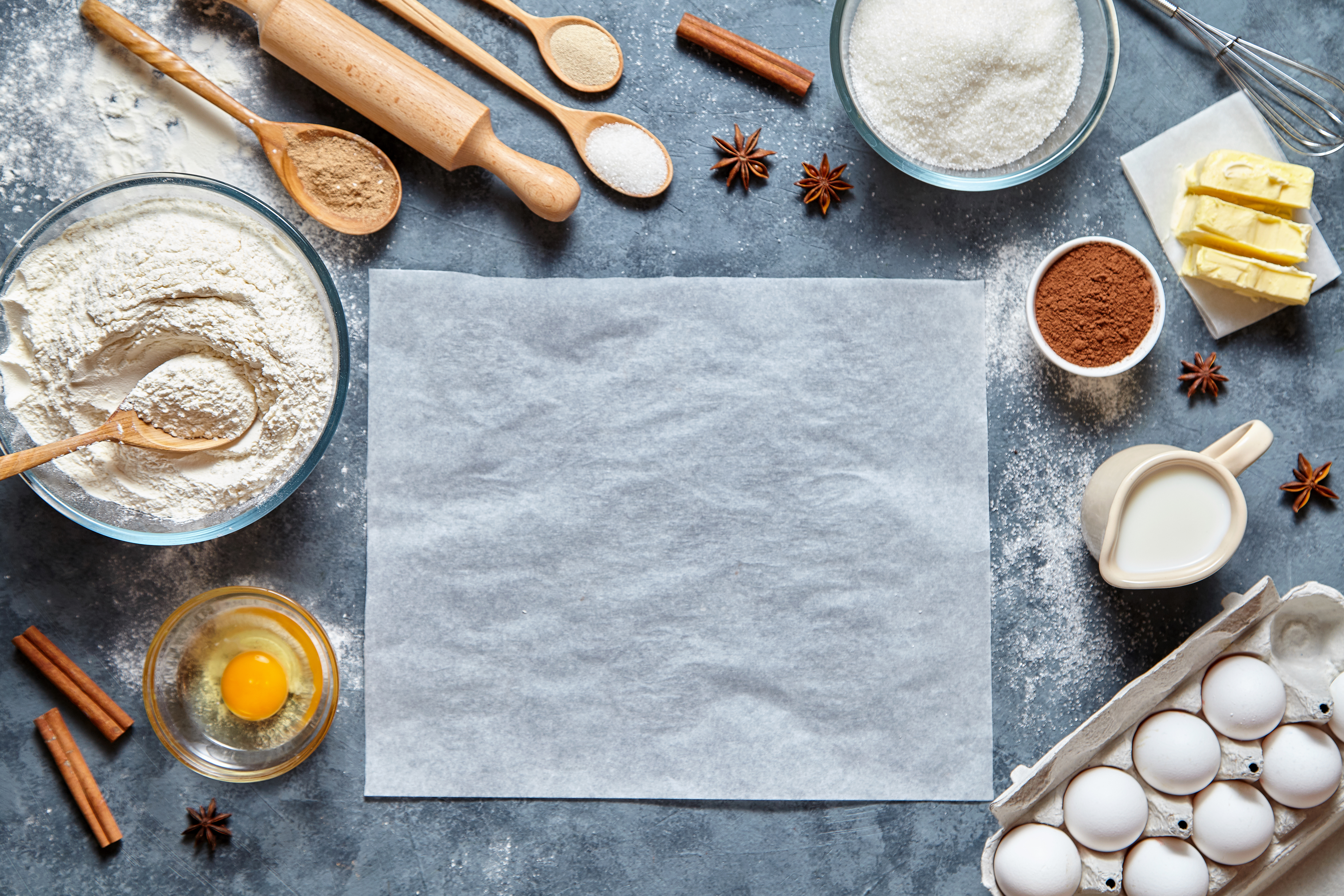
Free-from ranges are much more than a passing trend, and catering for every diet can mean big business for retailers. The UK’s gluten-free food and drink market is worth approx. £173.88 million in 2025 and is on track to grow by more than 60% over the next six years.
Christmas only magnifies the growing demand. Families hosting guests with a mix of dietary requirements want one dessert everyone can eat, rather than preparing separate ones.
Leanne Crowther, founder of The Glorious Mess, designed her meringue range around precisely that conundrum. “Customers increasingly need meals that work for everyone,” she explains. “Creating products that are naturally inclusive feels super positive. It means nobody feels they’re missing out or being an awkward guest.
”Her products are naturally gluten-free, and she wants shoppers buying them “because they look and taste amazing,” with the dietary benefit as an added bonus. Crowther’s merchandising advice for retailers looking to stock free-from products is to avoid hiding them away at the back of the shop. She recommends placing them in the main dessert display as well as the free-from aisle.
“Dual siting really works,” she says. “It improves visibility, encourages impulse purchases and introduces products to consumers who may never visit the free-from fixture.”
Christmas baking doesn’t look the same in every household. Deirdre Walters, founding partner of Untapped Innovation, argues that the strongest festive ranges reflect how different demographics engage with the act of baking.
Someone baking alone for comfort wants something entirely different to a family baking with children for the first time, or a host catering for a full table. “The key question for buyers is not ‘does this look festive?’ but ‘does this meaningfully enhance how different people experience Christmas?’” she explains.
For a customer planning a solo bake, that may mean smaller batch ingredients combined with simple recipes that don’t pose a big time commitment. Families, on the other hand, may be on the lookout for mess-friendly ingredients and recipes suitable for all ages.
Of course, anyone planning to host a crowd is looking for scale and spectacle. Simply put, they want to look effortlessly accomplished without having to spend hours in the kitchen. Understanding what each customer needs before they walk through the door is a strategic way to tailor your range.
“When this depth of user understanding is visible, seasonal products feel genuinely relevant, which justifies their place in a highly competitive festive range,” concludes Walters.
● Upgrade the classics first. Before chasing trend-led additions, make sure premium versions of your best-selling staples are on the shelf. Give regular customers an easy way to spend a little more without needing to be sold on something entirely new.
● Make baking easy. Stocking ingredients alone may be enough for some customers, but others can find baking intimidating. Educate shoppers and help first-timers to commit.
● Avoid segregating the free-from range. Don’t confine gluten-free and allergen-friendly products to a single, hidden shelf. Dual-site them and introduce them to a new crowd.
Freda’s: Crunchy Peanut Butter, Toasted Coconut. Deep-roasted peanuts with organic toasted coconut and coconut oil.
Bakers and Larners: Royal Cinnamon Sweet, spiced, and vibrant, BoTree Royal Cinnamon is sourced from Vietnam.
Vanilla Mart: Premium Madagascan Vanilla Extract. Created using hand-selected beans cultivated on the Bourbon Island of Madagascar.
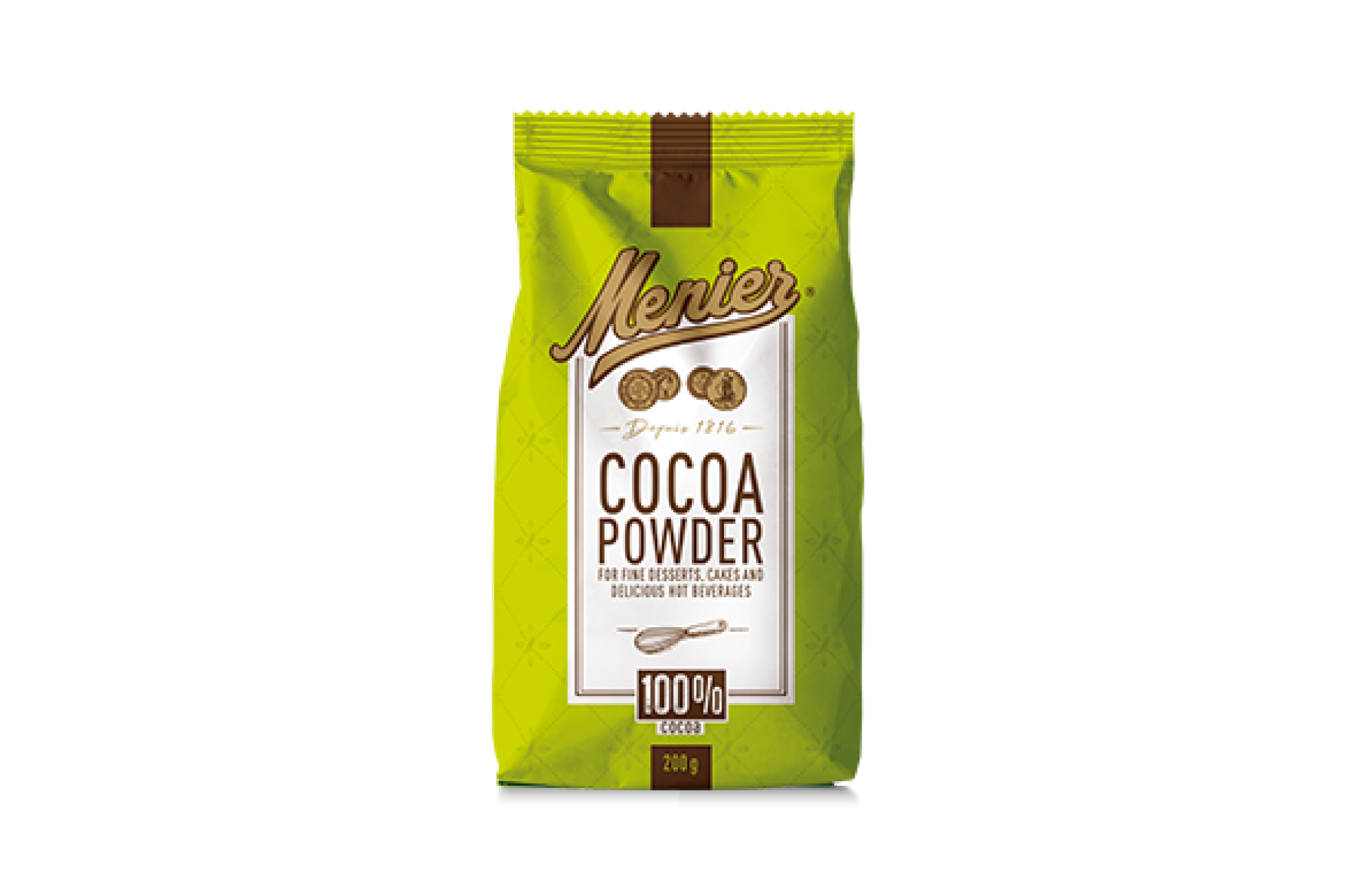
Menier Cocoa Powder. Complete with intense rich chocolate flavour, this is ideal for elevating seasonal cakes.
Doves Farm: Organic Heritage Seeded Bread Flour. A blend of wholemeal bread flour and grains.
The Bottled Baking Co: Cookies & Creme Muffins. This handy bottle helps users create muffins packed with creamy Belgian white chocolate and Oreo pieces.
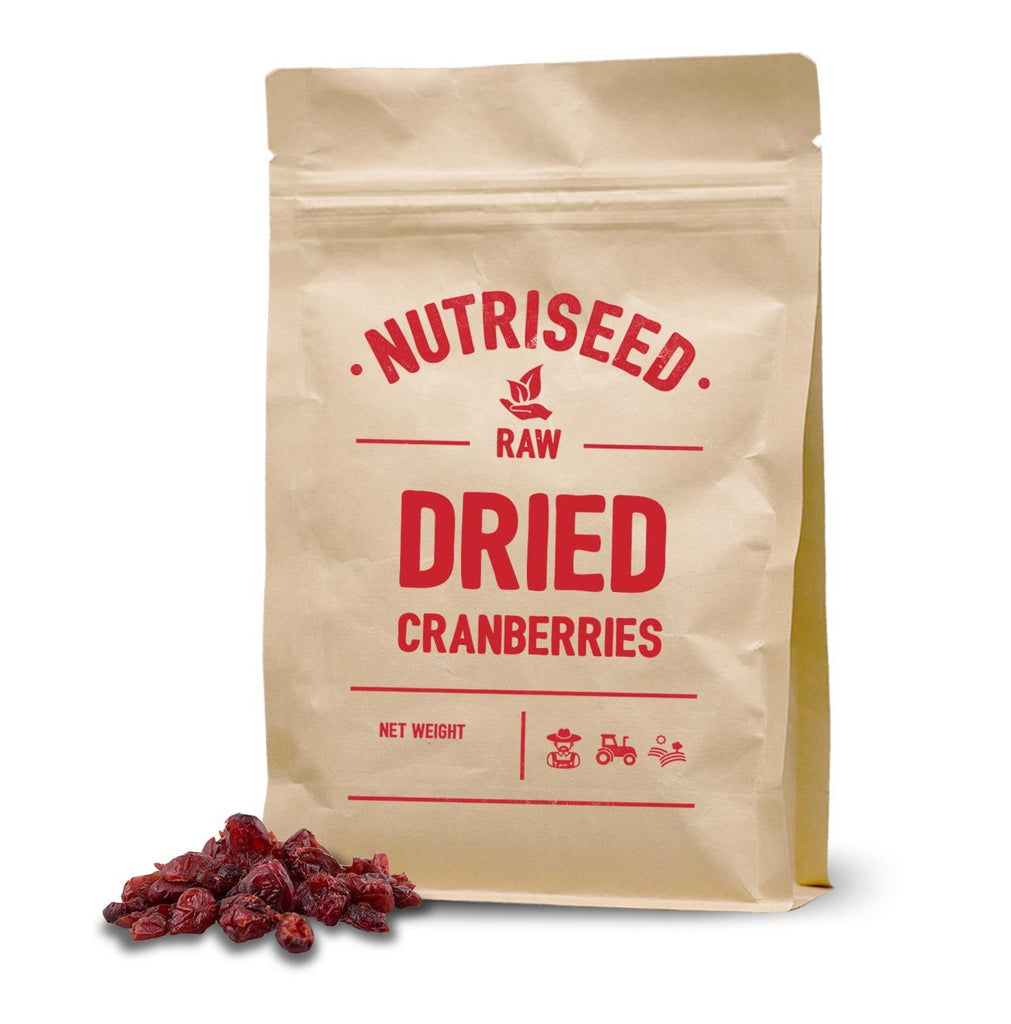
Nutriseed Dried Cranberries. Boasting natural sugars and a delectable tang, these give festive bakes a twist.
Matthews Cotswold Flour: Regenerative all-Purpose Flour. The first four of its kind in the UK, made using regenerative wheat. Suits all kinds of baking.
Craft & Crumb: Bake & Stamp Baking & Craft Kit. This kit contains everything you need to bake, decorate and personalise delicious biscuits.
Pump Street: Chocolate Milk Baking Pastilles. Delicious baking drops made in Suffolk using single farm 58% milk chocolate. Wonderful baked into gourmet cakes and cookies.