Free digital copy
Get Speciality Food magazine delivered to your inbox FREE
Get your free copy

Nostalgia and everything retro is in. And that includes the good old fashioned dinner party. Relegated to the doldrums of history in the 90s and noughties as more of us ventured ‘out out’ to eat, the increased cost of living and lockdown years have reignited Brits’ love of entertaining at home. And they’re doing it in style.
After all, if you’re going to the trouble of sourcing the finest fillet of beef or a Wellington from your local butcher or farm shop, or of paying a trip to a cheesemonger to furnish your table with artisan varieties for discerning friends, why stop at the food and drink when there are even more ways to impress?
Today’s fine food consumers don’t just want to plonk out few plates from the back of the cupboard – they want to ‘slay’ their dinner parties with aesthetically pleasing (but functional) and tactile items that give them a dopamine boost as they lay the table.
From full dinner service sets for special occasions, to authentic pottery bowls from Spain to decant dips into, generously sized chunky French hot chocolate ‘bowls’ and tapered candles – they’re here for it all. And this presents a new (or revived) opportunity for the modern speciality food retailer, who can increase basket size by carefully curating a selection of dinnerware and party perfect goodies to catch consumers’ eyes, just when they need them.
Speciality Food speaks to dinner party and homeware experts about the must-stocks in this category for 2026.
“Hugely,” says international private chef and food writer Philippa Davis. “Over the last couple of years I have seen a real shift towards people treating their table a bit like a wardrobe. They invest in pieces specifically for hosting at home, rather than relying on their everyday plates and glasses.”
Clients who might once have booked a restaurant, Phillipa adds, are now more likely to host at home, but still want it to feel like an occasion. “So they buy proper tablecloths, cloth napkins, interesting glassware, candlesticks and serving pieces. I am often shown a new set of plates or a stack of linen napkins when I arrive for a job. People are proud of and really enjoy their ‘dinner party kit’ in a way they did not use to.”
What’s interesting, thinks What A Host founder, Melanie Kalfaian, is there’s no rush to match dinnerware sets – more an appetite to be creative. “Many hosts,” Melanie says, “aren’t replacing their entire plate collections. Instead they’re adding statement pieces like sculptural candlesticks, textured tablecloths, or small decorative accents that instantly change the mood of the table. These accessories allow people to experiment with new colour palettes and styles without making a major investment every time they host. In our experience at What A Host Home, these accessories are far more than extras – they’re tools that help transform an everyday meal into something immersive and special.”
“How your table looks plays a massive part in the experience for guests, and as a host, setting a beautiful table definitely brings a happy feeling and sense of achievement, says Debbie Marks of Qube Luxe.
While Nikki Greengrass, founder of Rosie Dalia says customers are looking for the fully curated offering for tableware so they can design their own tablescapes all-year-round.
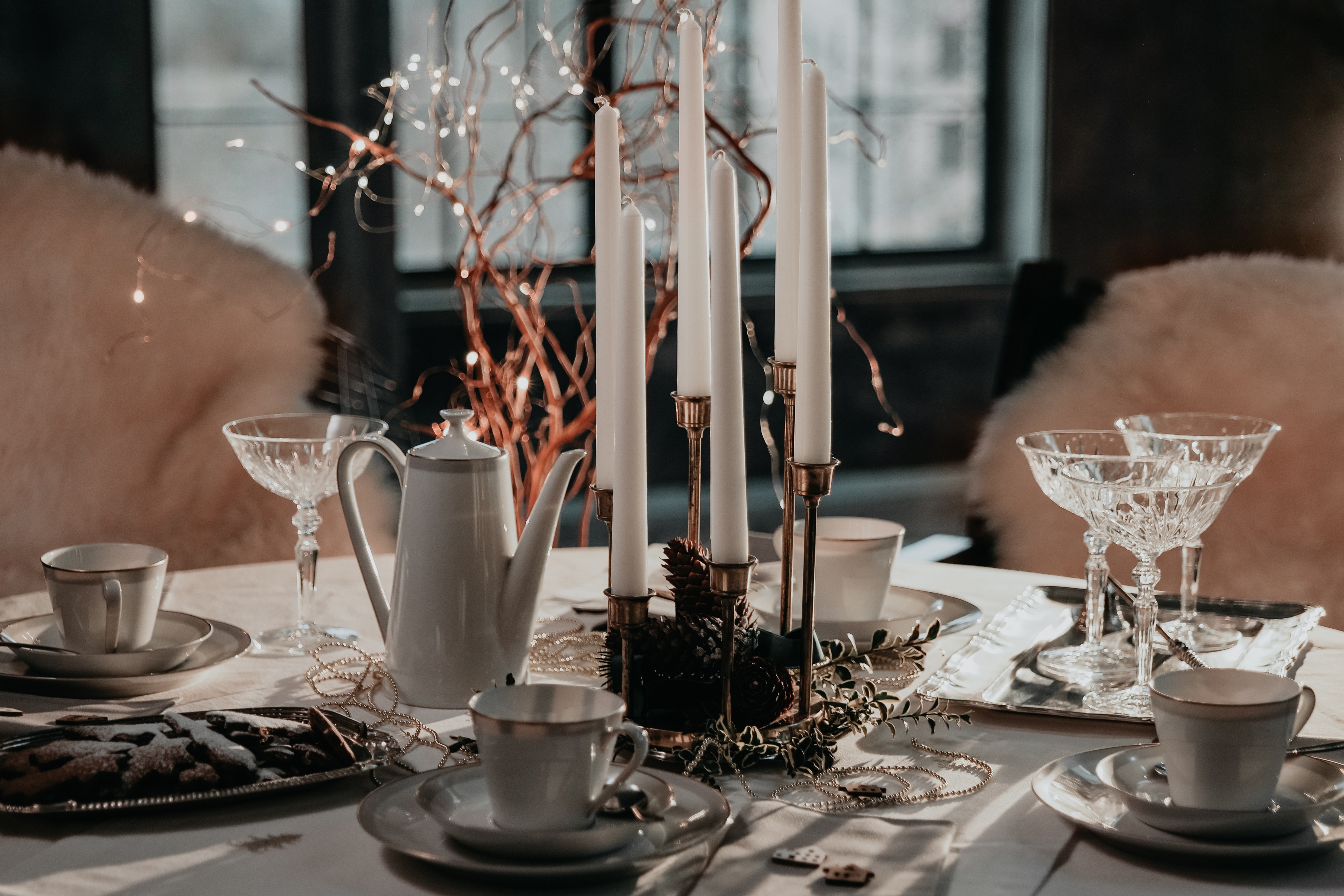
Nikki is noticing an uptake in products leaning into kitsch cottage chic. “Lots of ginghams, bold stripes, ceramic bow candle holders – and lots of pink – with tables styled in gardens and meadows.” Though she does wonder whether the look has run its course as high street brands are now imitating the aesthetic.
Philippa says she’s seeing a lot of variation as people express themselves in their own ways. “Some are very keen on busy tables with a mix of colours, shapes and heights, whereas others prefer a far more unified, formal and symmetrical look.”
While Melanie is seeing what she calls ‘crafted comfort’ - a combination of warmth authenticity, and quietly curated elegance. Think natural materials, lived-in textures, and a layered, homey feel.
“Rather than overly polished or matchy-matchy dining rooms, people want tablescapes that feel personal; like a home that’s been collected over time, not styled for a catalogue. There’s also a growing taste for subtle nostalgia. Soft curves, organic shapes and decor with a hint of Mid-Century charm, vintage inspiration, or artisanal character; but always grounded in practicality and modern living.”
Beyond the look itself, Melanie says something is deeper is happening. “Hosts love when guests ask, ‘where did you find this?’. That moment of curiosity reflects exactly what they’re trying to create; a table full of pieces with meaning, stories and personality.”
For Nikki it’s unique candle holders, handcrafted ceramics and stunning linens that are performing best. “Customers are really responding,” she adds, “to pieces that feel individual and thoughtfully made.”
Melanie is noticing strong sales in candleholders and coasters too, which she says are perennial favourites. Recently she’s also seen a significant uptick in demand for serveware and serving accessories too – cheeseboards and charcuterie platters, rustic-style cheese cutlery sets, marble and wood serving boards, and other pieces that elevate the presentation of appetisers and sharing plates.
“It’s no longer just about the tablescape itself. What’s trending is the whole hosting experience, starting the moment guests arrive and the first drinks and bites are served. The popularity of these pieces reflects a broader shift towards experiential entertaining; people want to make each part of the meal feel thoughtful, from drinks to dessert.”
Philippa too has seen changes in the buying patterns of her clients. They want coloured glassware for water or shorter stemmed wine glasses; a variety of candleholders at different heights; good cotton or linen napkins in block colours; and medium sized platters and shallow serving bowls, small enough for the table, but big enough to hold six to eight portions for family-style sharing.
Debbie says must-haves are table runners, tablecloths, candle holders, coloured candlesticks and napkin rings, with Nikki chiming in to say you really should be stocking affordable yet beautifully designed plates and cutlery which, “allow customers to elevate their tablescape without overspending”.
For Melanie, speciality fine food retail is a place to showcase statement pieces and small investments that will transform a table, like cheese cutlery sets and linens. She also says to look towards versatile serveware (such as wooden or marble boards), mixed glass and drinkware, and mix and match-friendly plates and bowls in neutral or soft tones that pair easily with varied accessories. These, “allow customers to build a layered, personalised hosting aesthetic gradually investing in a few standout pieces, and evolving their table over time.”
Edward Simon, director of Direct Fabrics says retailers really should consider stocking a few napkins and tablecloths because textiles have become the unsung hero of home dining – centrepieces that set the scene instantly.
“More and more hosts are swapping paper for cloth, layering a tablecloth, runner and hemstitched or embroidered napkins to create a premium, tactile setting that looks great in photos and washes easily.
He’s seeing growth especially in machine-washable tablecloths, napkins, coordinating runners, placemats, napkin rings, seat pads and coasters.
If she were curating a collection in a retail setting right now, Philippa says she would be stocking serving platters and shallow bowls, neutral linens, dusty pink and green glass candlestick holders, glass carafes and jugs or water (“generally tall and slender works best as they do not take up too much space”), good-looking serving spoons, salad servers and cheese knives. These can, “completely change the feel of the table. People often forget about having these, so I would say there is an opportunity in the market here!
The key for retailers is to show how these items work together. A bit of tablescaping in-store really helps customers imagine the whole look, not just individual products.
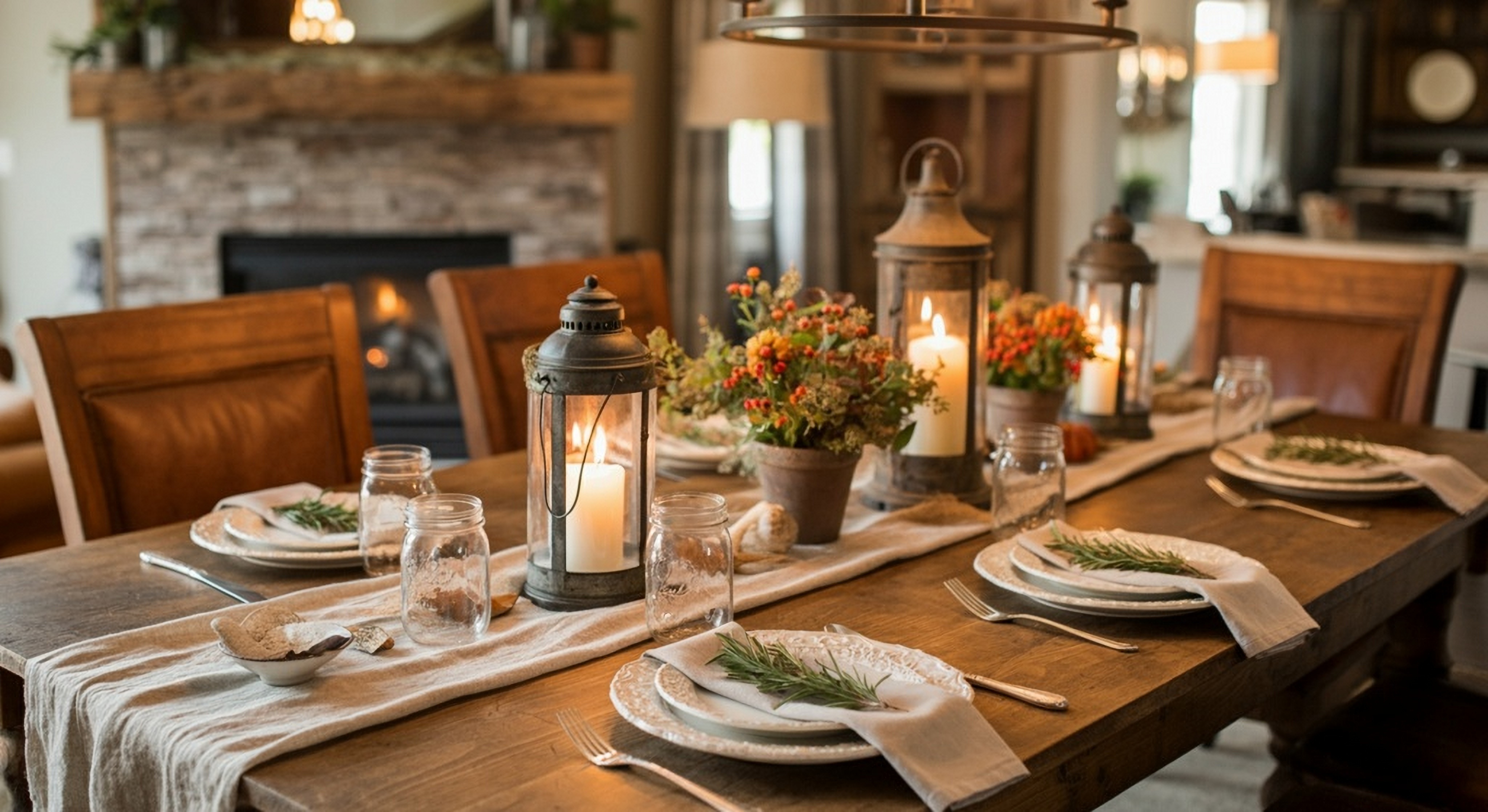
A few directions feel strong to Philippa. Including top quality oven-to-table dishes bought to reflect the style and tone of the house.
“I think 2026 will continue the move towards personality, warmth and quality over old school formality, with homes that feel like the best sort of restaurant but still unmistakably lived in.”
Melanie thinks the serving experience will become all the more important in 2026, with an emphasis across the board for serveware, sharing plates and cheeseboards, with these becoming as essential as plates themselves.
She sees organic, handmade looks and matte finishes as being key, saying consumers increasingly prefer tableware with textured, matte surfaces and artisanal character. And colour palettes, she thinks, will shift towards warm, grounded, earthy neutrals, muted greens, deep blues and rich jewel tones. Dinner at home will become more of an occasion. “The idea of entertaining is evolving into a full sensory experience. From ambient lighting, music and thoughtful serveware, to styled drinks stations and comfortable spaces for guests to linger; dining, drinks snacks – all become part of a seamless, considered evening.”