Free digital copy
Get Speciality Food magazine delivered to your inbox FREE
Get your free copy

From the chamomile in your nightly cup of tea to the juniper spicing up your glass of gin, botanicals are already a part of most of our lives. “Botanicals are not something new; their use in drinks across the world is ubiquitous and ancient,” says Dr Marian Bruce of Highland Boundary, the first distillery in the UK to use only hand-foraged, sustainably harvested wild plants to make their range of drinks.
“In Europe their use stems from the use of wild plants as medicine in tinctures and distillates as far back as the Middle Ages. Whilst most people now use modern medicine, such botanical spirits and herbal liqueurs are now enjoyed for their flavour alone,” Marian says.
Speciality Food details everything you need to know about botanicals, from why their appeal is so widespread to the products and formats exciting industry insiders today.
Why are botanicals different to any other flavouring, you may wonder… here are five reasons.
“Bergamot from Calabria, elderflower from the Cotswolds, chamomile from Hungary: botanicals have geography and for fine food retailers that’s an important distinction,” says Sophie Maxwell Brown, strategy and insight partner at brand innovation and design agency WeWantMore.
Axel Steenberg, founder and co-owner of Steenbergs Organic, agrees. “Whether it’s chamomile, hibiscus, lavender, rose or jasmine, botanicals bring both flavour and a story. Many have been enjoyed in food and drink traditions around the world for centuries, and consumers are drawn to that heritage. They offer something more sophisticated and nuanced than many mainstream flavours while also helping people feel connected to nature and the source of their food.”
Locally foraged botanicals can boost that relationship further. “Using botanicals that are grown locally or even foraged from the surrounding estate gives a drink a much deeper story,” says Robert Pearce, executive chef at Down Hall Hotel, Spa & Estate, “and that’s something both bartenders and guests can get excited about. It turns a simple serve into an actual experience, and those stories often spark memories and nostalgia too, which is what makes food and drink so powerful.”
“For example, a hibiscus note is also an antioxidant, ginger provides flavour whilst simultaneously supporting gut health,” Sophie says.
Botanicals are usually used in Vermouths and bitters for their digestive qualities, point out Agustin Silva and Dante McDermott-Catena of Domaine EdeM, a new no and low alcohol brand developed in collaboration with the Catena Institute of Wine, which includes two botanical-infused alcohol-free Chardonnay wines. These drinks offer “benefits that can be hard to achieve from other foods,” they say.
The chemicals present in plants have a range of functions, Marian says, and they taste more complex and authentic than artificial flavours.
“Floral and herbal complexity unfolds across the palate rather than hitting it immediately,” adds Sophie. “That layered experience is a sensory advantage synthetic profiles find very hard to replicate at scale.”
As Agustin and Dante put it, botanicals “bring aromas and flavours that are often unfamiliar in traditional food and drink; when multiple botanicals are combined, the result can be both complex and unique.” They offer a “one-of-a-kind experience where people get surprised, and sometimes amazed, by the aromas and flavours they encounter in the glass,” they say.
Botanicals are “adventurous without being alienating”, with consumer recognition of some botanicals, such as ginger, chamomile and turmeric, already high, Sophie says.
Axel agrees that consumers are becoming more adventurous with flavour and are increasingly interested in ingredients that feel authentic, natural and connected to their origins. “Botanicals offer a complexity and depth that many conventional flavourings simply can’t match.”
Sophie also points to the fact that the biggest flavour companies in the world are investing in botanical extraction, fermentation and biotech, with DSM-Firmenich naming Frosted Star Anise as its 2026 Flavour of the Year, “a botanical, chosen explicitly because it captures consumer desire for calm, balance and revitalisation,” Sophie says.
Although they’re nothing new, botanicals are big for 2026. That’s because of three shifts in consumer habits, says Sophie.
1. The clean-label shift. “Consumers increasingly prefer ingredients perceived as ‘closer to nature’ and more transparent than artificial flavourings. Botanicals deliver flavour while simultaneously signalling naturalness and authenticity. Synthetics can’t do both,” she says.
2. Wellness is shaping flavour choice. “Specific botanical ingredients trigger emotional states,” Sophie adds. “Ginger signals gut health and emotional energy. Yuzu signals vitality. The flavour choice and the wellness intention have become the same decision — grounded in behavioural science.”
3. Consumers want flavour complexity. “Floral, herbal and spice-led flavours offer something conventional fruit flavours can no longer provide,” she continues. “Innova’s research shows consumers increasingly associate floral flavours with relaxation, calmness, health and premiumisation. Symrise’s 2026 trend intelligence identifies butterfly pea flower, elderflower and aromatic herb-forward notes as leading the shift toward ‘flavour experiences that feel intentional rather than one-dimensional.’”
Customers are much more educated now about what botanicals can do and how natural ingredients may support their health and wellbeing, adds Silvia Mocsari, founder of Honey Heaven. “People are reading labels, researching ingredients and looking for products that are functional as well as enjoyable. They do not just want something that tastes good, they want to understand what it can do for them.
“At Honey Heaven, we have seen this shift very clearly,” Silvia continues. “Customers are increasingly interested in honey products that combine natural sweetness with functional ingredients such as ginger, turmeric, CBD, mushrooms, propolis, bee pollen and royal jelly.
“Botanicals are in demand because they connect flavour with purpose. They allow people to enjoy everyday foods in a way that feels more beneficial, more natural and more aligned with a healthy lifestyle,” Silvia concludes.
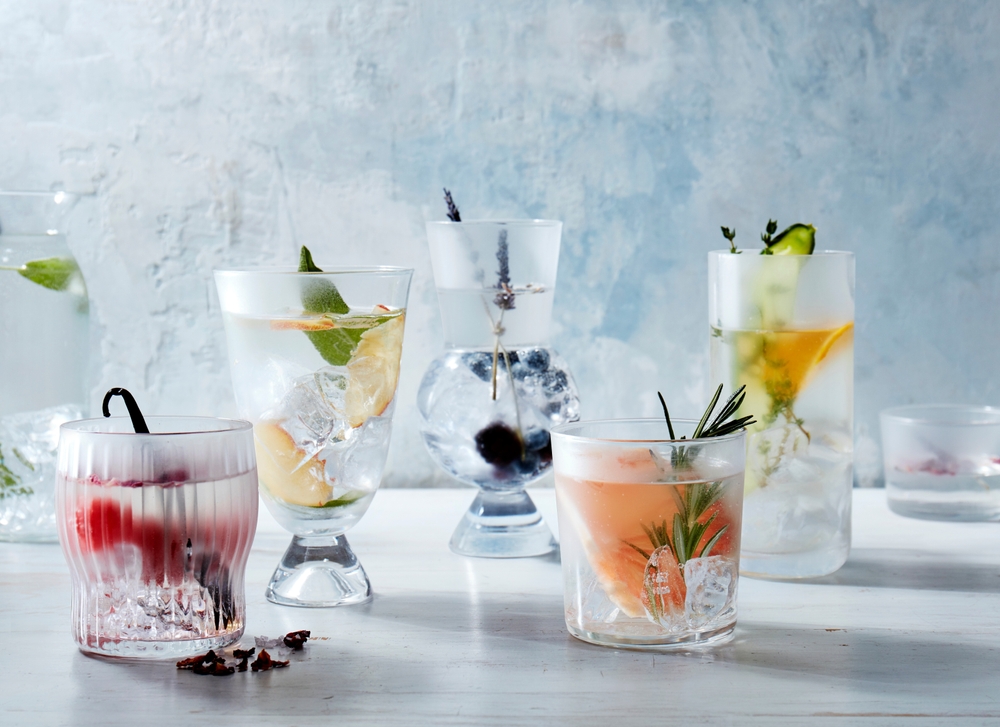
With so many options to choose from, which botanicals are most in-demand today?
“I would certainly recommend looking at chamomile, hibiscus, lavender, rose and jasmine,” Axel says. “These botanicals continue to resonate with consumers because they each bring distinctive flavour characteristics and versatility across food and drink.”
Steenbergs has seen growing interest in its range of single-origin herbal teas and botanical blends, particularly Organic Hibiscus, Organic Chamomile, Dream Time and our Happy Hippy tea, which combines chamomile, mint and rose petals.
“Hibiscus offers vibrant colour and a refreshing tartness, while chamomile and lavender are popular for their gentle floral notes. Rose remains one of the most elegant and versatile botanicals, working beautifully in baking, desserts, drinks and confectionery. Jasmine continues to attract consumers looking for delicate, aromatic flavours that feel premium and indulgent,” Axel continues.
Sophie says floral botanicals are currently the fastest-growing sub-segment globally. “Linden blossom, honeysuckle and chamomile have been flagged by Innova and IFT as ‘poised for rapid growth’, with consumers connecting florals to health, freshness and premiumisation. Butterfly pea flower is particularly strong at the moment as it changes colour on contact with acid, giving visual drama alongside a delicate floral note.”
What’s really exciting Axel, however, is seeing more consumers move beyond traditional tea occasions. “Botanicals are now being used in cocktails, mocktails, baking, desserts and home entertaining. Rose water remains one of our most popular products because people are discovering new ways to use it, from Middle Eastern-inspired baking to adding a floral twist to drinks and desserts.”
Sophie agrees that tea botanicals are acting as a gateway category. “Matcha, rooibos, yerba maté, black tea profiles are moving into confectionery and desserts; these are the products that introduce shoppers who may never have bought a botanical product before. Symrise identifies black tea profiles and butterfly pea flower as the botanicals leading the move into mainstream flavoured confectionery.”
Agustin and Dante believe botanical-infused, alcohol-free products are helping to expand the category “by offering consumers new occasions to enjoy complex, flavour-driven drinks beyond traditional wine consumption”.
They see rising demand for wormwood, a fundamental botanical present in Vermouth and Italian bitters. “In non-alcoholic drinks, it is generally used to simulate the bitterness of alcohol. Currently, wormwood-flavoured drinks are becoming more popular around the world.”
Honey Heaven’s Silvia says consumers are showing interest in ingredients they already associate with wellbeing, immunity, energy, relaxation and everyday health. “Ginger and turmeric are always popular because people understand them and often use them at home already. Ginger is associated with warmth, digestion and comfort, while turmeric is strongly linked with wellness and an anti-inflammatory lifestyle.
“We also see a lot of interest in bee-derived functional ingredients such as bee pollen, propolis and royal jelly, because they feel powerful, natural and closely connected to the hive.”
• Premium functional waters and tonics. “Botanical complexity is replacing sugar as the main sensory driver. The drink earns its interest through botanical depth, not sweetness. Fabric Hop Water, Hiyo, De Soi are all prime examples of this.”
• Adaptogenic and functional spirits. “This is the most sophisticated botanical positioning in no/low. These brands aren’t replacing alcohol, they’re proposing a different kind of effect. Brands to highlight here include: Sentia (GABA-pathway botanicals, founded by Prof. David Nutt), Drømme Calm (nootropics + adaptogens), BREZ (lion’s mane + functional botanicals).”
• Functional mushroom drinks and powders. “This is the category that has moved fastest from fringe to mainstream in the UK. DIRTEA launched in 249 Tesco stores in January 2026, the first functional mushroom brand in UK supermarkets. DIRTEA is building a daily ritual brand and Mother Made is building a purity and provenance brand.”
• Artisan chocolate with botanical inclusions. “Especially florals and herbs; The Specialty Food Association names functional chocolate as a lead 2025 category and it is the most accessible consumer entry point for botanical ingredients. For example, Botivo’s Coco de Mer collaboration (cherry, chilli, cacao, ginseng) applies botanical aperitivo logic to a chocolate format: same architecture, different carrier.”
• Fine condiments. “Such as botanical oils, vinegars, hot sauces: all provide a high margin, high giftability and a strong provenance story potential. An oil infused with a named herb from a named place is one of the simplest and most convincing retail propositions in fine food.”
• Premium baking ingredients. “Encompassing botanical sugars, floral salts, herb-infused spice blends. These provide lower barrier to trial than spirits or supplements, and strong gifting conversion.”
As ever in fine food, education and inspiration are key to igniting customers’ curiosity. “Many consumers are curious about botanicals but may not know how to use them beyond a cup of tea,” Axel says. Sampling can also be incredibly effective. “Once people experience the flavour and quality of a botanical product, they are often surprised by how versatile and enjoyable it can be. Fine food retailers are in a unique position to introduce customers to new flavours and help them discover products they may not have encountered before.”
Retailers can also work with manufacturers and foragers to help customers understand wild flavours and reconnect to nature, says Highland Boundary’s Marian. “By connecting customers to the ecology, culture and biochemistry of the plants from which they are obtained, there is greater enjoyment of the unique wild flavours.” This could be a foraging walk with the help of The Association of Foragers, or an in-store talk with a botanical brand expert.
Themed displays also offer a route in to providing recipe and pairing suggestions, as well as showcasing products together. “For example, pairing herbal teas with biscuits, honey or speciality confectionery can help create a gifting or self-care occasion. Likewise, displaying rose water alongside baking ingredients can encourage customers to experiment at home,” Axel says.
Agustin and Dante say the key is to share “the suggested serving, the food pairings, and the consumption occasion”. For example, their Domaine EdeM Brunette is great as an aperitif, while Blonde pairs well with spicy foods.
In your cafe or restaurant, there are also opportunities, says Robert. “I think there’s a real shift towards using every part of a plant, whether that’s turning stalks into stocks and sauces, using leaves in infusions and spirits (like our homemade gin), or incorporating flowers into presentation,” he says.
“As chefs, we almost see it as a challenge to get the most out of every ingredient and avoid unnecessary waste,” Robert continues. “It’s also fascinating to see how flavours develop as a plant grows – sometimes giving it just a few extra days can completely change its character, and then it becomes a case of asking, ‘What can I create with this instead?’”
One of the most exciting examples Robert has seen was when a chef on his team turned young bramble shoots into fruit-pastel-style sweets. “Most people would walk straight past them, but when they’re cooked slowly for several hours, they soften completely and develop a wonderful flavour and texture. It’s that kind of creativity that makes working with botanicals so rewarding – taking something unexpected and turning it into something delicious,” he says.
The biggest opportunity, Silvia believes, is in offering functional products that are delicious and easy to use. “Botanicals should not feel like a chore. They should fit naturally into everyday rituals, whether that is adding a spoonful to tea, coffee, yoghurt, porridge, smoothies, toast, desserts or even savoury recipes,” she says.
At the end of the day, flavours will always beat out trends. “Retailers should look for botanicals that offer genuine flavour quality and provenance, rather than simply following trends,” Axel says. “The most successful products are those that allow the botanical itself to shine, rather than overwhelming it with other flavours.”
Sophie says there are five qualities that separate the genuinely interesting from the generic.
1. Single-origin sourcing with a named farm, region or cooperative. “It’s not just ‘natural botanical extracts.’, the geography is also part of the product. For example, Botivo names its farm (Lannock Farm, Hertfordshire) and its five raw botanicals explicitly. Botanic Tonics is the only kava brand vertically integrated from its own farm in Vanuatu to bottle.”
2. A functional story that isn’t over-claimed. “A statement such as ‘made with lemon balm, known for its calming properties’ is more credible than ‘stress relief in a bottle.’ Specificity builds trust. Sentia names the precise GABAergic mechanism behind each of its three variants: Red (calm: ashwagandha + passionflower), Black (focus: ginkgo + ginseng), Gold (social: hops + schisandra). The science is the brand.”
3. Crossover formats. “The more unexpected the carrier, the more interesting the conversation, such as botanical vinegars, botanical honey, botanical salt and botanical chocolate. Botivo’s base is aged apple cider vinegar is unusual enough to prompt questions. Their Ottolenghi collaboration brought Middle Eastern florals (pomegranate molasses, rose, black lime) into an aperitivo format (sold exclusively at Waitrose).”
4. Non-alcoholic or low-alcohol products with real botanical complexity. “The no/low category is now the single fastest-growing space for botanical flavour investment (IFT). Hiyo (ashwagandha, lion’s mane, lemon balm, passionflower, ginger) and De Soi (reishi, lion’s mane, L-theanine with yuzu, bergamot, hops) both lead on flavour as well as function. Drømme Calm offers cocktail-format complexity - ginger, molasses, melon, without alcohol. Fabric Hop Water takes a single botanical (hops) and makes the bitterness the point of the product.”
5. Provenance packaging that makes the geography visible. “A consumer who can see where an ingredient was grown is measurably more likely to be a repeat customer. Mother Made names the origin of its mushrooms (sourced from China - a conscious decision to honour the traditional cultivation origin of medicinal fungi) and specifies fruiting body only, no mycelium grain. This level of ingredient transparency is exactly what fine food shoppers interrogate.”