Free digital copy
Get Speciality Food magazine delivered to your inbox FREE
Get your free copy

Matcha for ‘clean’ energy. Ashwagandha and L-theanine for moments of calm. Lion’s Mane for focus. There’s a zen theme running a thread through the UK soft drinks market right now – and according to experts, these products aren’t going anywhere.
As demand for alcohol dips, sales of so-called functional drinks are soaring – be that gut-friendly sodas, infused coffee blends, or vitamin and mineral-powered waters.
Market Research Future’s data predicts a growth rate in these collective categories of 5.34% in the next decade, and those retailers already on the ‘functional trend train’ say they’re reaping the benefits – with a cherry on top.
Ocado, for example, recently released data from its own research, showing an incredible 1,552% increase in search for adaptogenic coffee with mushrooms. A driving force behind this pattern, Ocado says, is Gen Z consumers seeking out health-enhancing products in lieu of caffeine and alcohol. The functional drinks space has grown by 54% year-on-year for the retailer, with two out of five adults purchasing within the category on a regular basis, and 22% revealing they are replacing tea or coffee with functional drinks.
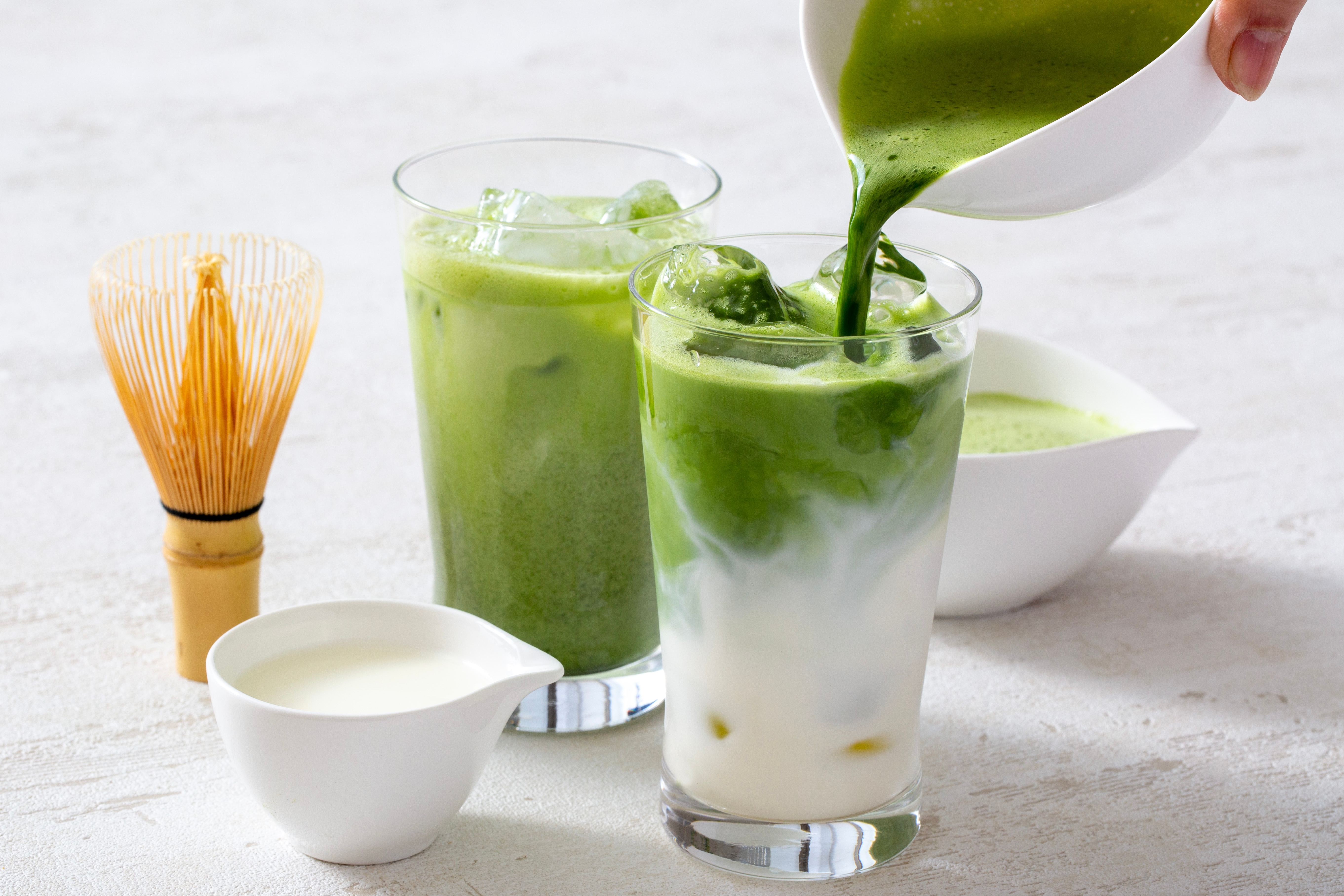
Someone who’s noticed most keenly the huge leap in this arena is PerfectTed founder Marisa Poster. When she launched the brand in 2021, she says, it was quite niche to stock matcha, and limited largely to specialist and health stores. Today, the brand supplies more than 30,000 outlets in over 50 countries.
Marisa identifies three big shifts in retail as being responsible. “First, the pandemic reset priorities. Health moved to the top of the agenda, and consumers started rethinking how they fuel their bodies. Second, information is everywhere. Social media and AI have made people savvier about ingredients, functionality and long-term health, so they’re making more informed choices about what they drink.” A third thing to note, Marisa adds, is that expectations have risen. “Drinks aren’t just about hydration or a caffeine hit anymore. Consumers today aren’t just chasing a sugar rush or quick buzz; they’re looking for balance, focus, and products that genuinely make them feel better.”
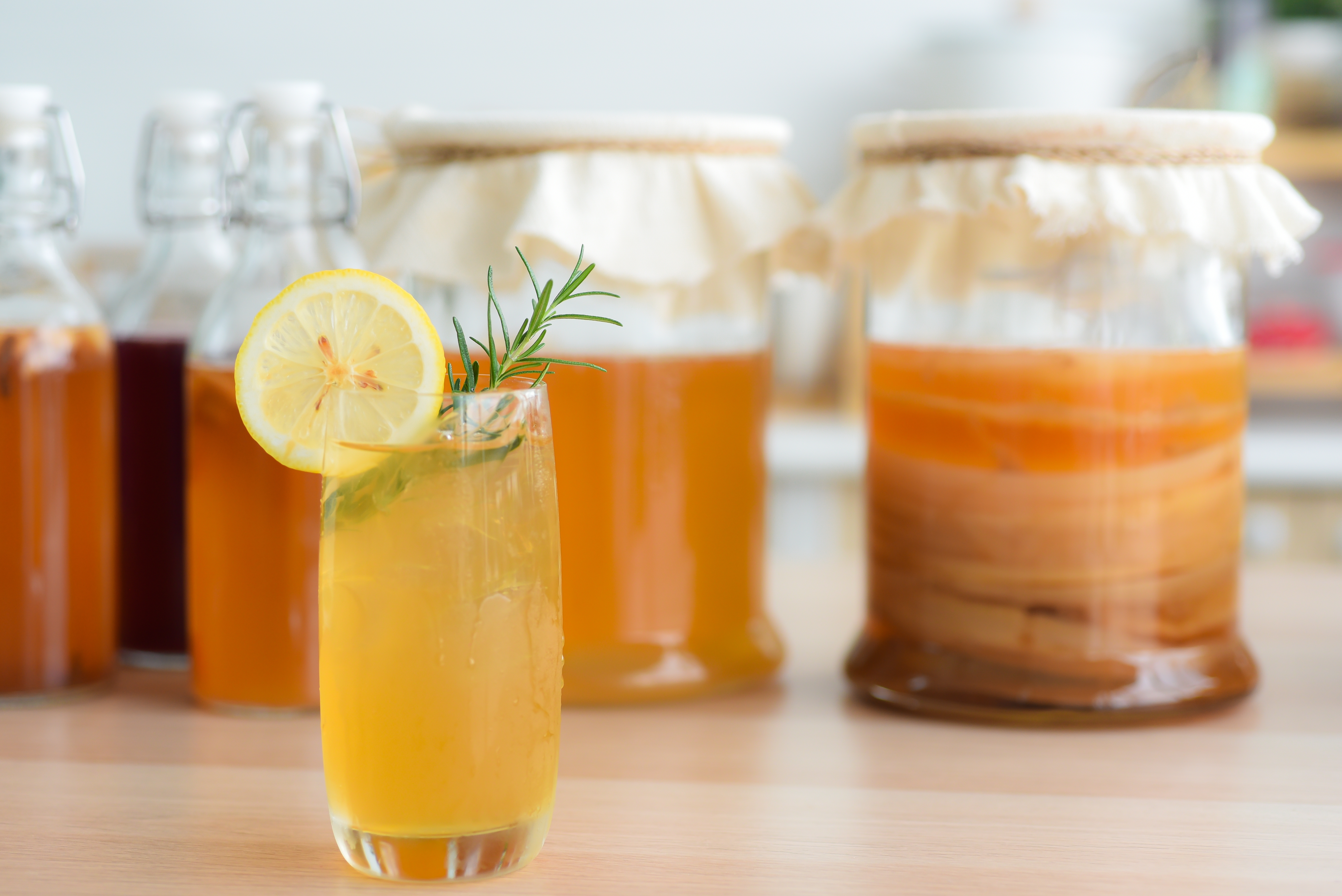
A producer and retailer that’s made significant moves into functional drinks is Suma, which has invested heavily in its crafted, low-calorie, all-natural kombucha range – launched in 2023. Having started with classic flavour combinations, the response was so positive, says the brand’s Sophie Ziegler-Jones, that they’ve introduced old school favourites like Ginger, and Elderflower & Lemon, and more adventurous blends such as Lychee & Lemongrass and Peach & Turmeric, as well as Cola and Winter Berries.
“We’re always looking for ways to bring exciting, wholesome and sustainable products to our customers,” Sophie explains of the decision to dive into the kombucha category. “Kombucha felt like a natural fit for our engaged wholefoods market – it’s a delicious, low-sugar, fermented drink that ties into our passion for gut-friendly, plant-based food and drink. We wanted to create a range that not only tastes great but also champions mindful living and supports wellbeing. The aim has been to balance refreshing, approachable flavours with unique twists that really showcase kombucha’s versatility.”
Tom Parker Creamery, known for its milk and milkshakes, has taken a leap into functional drinks too, launching Bedtime Milk and Vitamin Enriched Whole Milk. During NPD, says CEO Rob Yates, the team discovered three out of five consumers identified stress as their most significant health barrier, with 45% recognising going to bed early was crucial to reduce stress.
“Milk has been a go-to for bedtime drinks for generations, so we wanted to create a product that took milk at bedtime to the next level,” Rob begins.
Bedtime Milk is free-range, whole milk infused with chamomile, lavender, valerian root and magnolia – all known for their calming qualities – while the Vitamin Enriched Whole Milk has added magnesium, Vitamin K and Vitamin D.
“We saw an 80% increase in sales of Vitamin Enriched Whole Milk last year and sales are set to double again this year,” Rob continues. “It’s one of the reasons we took the decision to launch a ‘category first’ with Bedtime Milk as a complement to Vitamin Enriched. We know that people are sleep deprived and we wanted to make something natural that took milk at bedtime to the next level to promote a restful night’s sleep.”
Even foodservice and hospitality have been impacted by the drive towards functional drinks. Club Soda, which has a no and low alcohol bar in central London, bases many of its cocktails on functional ingredients such as the range from Three Spirit and Smiling Wolf, and this is a trend being picked up by bars and restaurants UK-wide as they seek to offer more interesting alternatives to non-drinkers.
And Joe & The Juice is using Myota’s functional fibre blends so, says Myota co-founder Katherine Stennett, “customers are getting an ingredient that they know will deliver meaningful health benefits.”
People want food and drink that works harder for them, thinks Sophie. They’re trying to do more than quench their thirst when they pick up a can or bottle – be that aiding digestion, sustaining energy, or supporting their immune system.
Eirian Cole, founder of Catalyse, whose drinks blends focus on the areas that matter to most to modern consumers (such as energy, relaxation and beauty), agrees with Sophie. “Wellness has become part of mainstream culture, and people want products that fit seamlessly into their routines while supporting their health goals. Functional drinks are booming because they feel like an effortless upgrade: you get the same moment of enjoyment as a sparkling water or soft drink, but with added benefits. People are looking for transparency, credible ingredients, and a sense of ritual or treat — something that feels like a little luxury while genuinely improving how they feel.”
Tahi Grant-Sturgis, co-founder of Jamu (a gut-friendly soda that has recently been given a brand new look), says she’s noticed strong demand for better-for-you-drinks, and that’s certainly driving product development within the sector, with a move away from sugary options and artificial ingredients.
“The marketplace has evolved significantly since we first launched. Consumers are now more informed about functional ingredients and expect both transparency and evidence that health claims are indeed backed by science. They’re looking for products that support their wellness goals, such as drinks that are low in sugar, plant-based, and designed with functional benefits like supporting gut health, hydration, and immunity or to ease some of the stresses of our modern lifestyles.”
Shoppers are definitely more discerning, says Katherine, who thinks empty claims are no longer resonating, and people are less willing to pay a premium for products which lack credible evidence.
Many functional drinks, she continues, rely on ingredient-level studies that don’t necessarily translate reliably into the final product, which can be confusing for the end user.
She also says the average shopper, while they’re going about their day, doing a top-up shop or getting in their weekly groceries, isn’t necessarily looking to overhaul their entire diet. “The best functional foods will deliver a powerful new angle to existing products people know and love. Think cholesterol-lowering bread, stress-reducing soda, or inflammation-lowering yoghurt.”
Chiming with Marisa, she says Covid irreversibly changed the way many of us think about our health and mortality, with a shift towards spending on wellness – 60% of which is accounted for by food and nutrition.
“For consumers, the equation is simple - spend a little more on good nutrition and spend less on more expensive medicines and treatments in years to come. Importantly, it’s also easy for consumers. Swapping a few products in a weekly shop is a relatively frictionless way to start, with supermarkets increasingly shouting about functional categories too. Most dairy aisles now have a whole section desiccated to gut-health, for example. As a result, almost 80% of consumers state they are willing to pay more for functional and clean label products, at a premium of 20-30% above non-functional products.”
In the fitness space particularly, Marisa thinks consumers are looking for energy that works with their bodies, not against them. “They’re looking for clean, functional alternatives without synthetic junk, sugar crashes, or the anxiety that can come with coffee and energy drinks. For many consumers, focus and mental wellbeing are daily essentials, not luxuries.
We’re seeing people use PerfectTed before workouts, during walking meetings or as a healthier mid-afternoon pick-me-up. Many even use it as a non-alcoholic option in social settings which is something we offered at our own wedding. We often receive messages from PerfectTed customers saying, ‘I didn’t know I could feel this good all day without crashing’. That’s the new baseline consumers are seeking: sustained energy, mental clarity and balance.”
Something not regularly talked about in functional drinks, Marisa continues, is the way they can meet the needs of people who are neurodivergent (one in seven in the UK) and can’t handle the spike-and-crash cycle of coffee or high-sugar synthetic energy drinks. Indeed, this is what drove young entrepreneur Darwin Fletcher to launch his functional mushroom drinks range, Quirky Monkey.
“For this group,” says Marisa, energy isn’t optional, it’s essential. But the wrong type of energy makes symptoms worse. Coffee can trigger jitters, heighten anxiety, and lead to a brutal crash.” Research has shown, she adds that the levels of natural caffeine and L-theanine in matcha can deliver focused energy to this group without the downsides, with some studies noting improved attention and task performance, which is especially relevant for those with ADHD.
“This isn’t a niche audience – it’s a huge, underserved market hiding in plain sight. Neurodivergent customers, women and health-conscious Gen Zs are all looking for something better.”
Taste should always drive any buying decisions, insists Sophie. After all, there’s a wealth of functional drinks available now, with plenty for shoppers to choose from. If you pick one for your shelves that doesn’t strike the right chord on flavour, you could be shooting yourself in the foot in what could otherwise be a valuable addition to your business.
“Nobody will drink something regularly unless it’s enjoyable! Beyond that, consumers want transparency, natural ingredients, and clear health benefits without the hype. They’re drawn to drinks that fit easily into their daily routine, whether as a refreshing pick-me-up, a healthier swap for fizzy drinks, or even a mindful moment of self-care.”
“With consumers actively seeking health-centric, nutrient-dense products that fit into their modern lifestyles, retailers can position themselves as forward-thinking and in tune with consumer needs,” says Tahi. “Functional drinks are also versatile and they appeal to a broad range of customers, from those focused on wellness to those looking for alternatives to sugary sodas or traditional soft drinks so it allows retailers to tap into multiple growing trends such as gut health, plant-based, low sugar diets – all driving factors in the retail space.”
Functional drinks are one of the fastest-growing categories in the industry, Eirian points out, saying they offer retailers real value. “Stocking them shows that a retailer understands the direction the market is moving - towards products that combine taste, aesthetics, and wellbeing benefits. They also open up new opportunities for storytelling and cross-merchandising, from wellness aisles to beauty spaces. It’s not just a drink; it’s a lifestyle product that drives engagement and repeat purchases.”
These products attract a wide audience, adds Sophie – from the health-conscious, to those simply curious to try something new. “They also drive repeat custom, as consumers tend to incorporate them into their weekly shop once they discover a flavour they love.”
The overwhelming answer from all our experts is “absolutely”.
Burnout used to be a badge of honour, Marisa recalls. But now consumers are recognising it as unsustainable and unnecessary. “Success today includes clarity, resilience and longevity, and that starts with what you put in your body.”
Shoppers have made the connection between energy, wellbeing and performance. “They don’t just want to feel good in the moment; they want to feel good tomorrow too. That’s why functional, health-forward drinks aren’t going anywhere. In fact, they’re only going to become more central to daily life.”
Wellness is a lifestyle, adds Tahi. “As more research emerges about the connection between gut health and immunity, mood, and energy, we expect interest in functional beverages to grow even further. Consumers want foods and drinks that deliver tangible benefits, allowing them to feel good about their choices while enjoying their favourite indulgences.”
Eirian sees the blending of mainstream food and drink and the wellbeing spheres as a fundamental shift, adding that consumers are simply more proactive now than ever. “In speciality food and drink, there’s a particular opportunity to lead with innovation and creativity, offering products that are both effective and exciting. As people continue to prioritise self-care and preventative health, this category will only grow, with functional products becoming a staple rather than a niche.”
And Katherine thinks we’re just at the beginning of this change, which will continue to intertwine with our entire food system. “The past few decades have been spent on mass-producing ultra-processed foods, which have largely stripped key nutrients, most of all fibre, out. The impact on our health is dramatic, and clear to see. Preventable lifestyle diseases, such as Type 2 diabetes have increased exponentially in line with a reduction in fibre consumption.”
F&B manufacturers have a responsibility, Katherine says, to provide products that don’t actively damage our health. And retailers should also be more responsible in their sourcing to ensure they stock products that are as delicious and natural as possible, supporting the health of their customers.
A functional drink is any drink that has added ingredients that offer specific physiological or health benefits, beyond taste and hydration. Functional ingredients include CBD, herbs and adaptogenic ingredients like mushrooms, L-theanine and a whole host of natural ingredients from ashwagandha to valerian.
“They all offer different feelings, such as energising, relaxation and even GABA stimulating, in which the combination of ingredients stimulates your GABA receptor, giving the relaxed feeling you get from your first drink,” explains Laura Willoughby, founder of Club Soda, a shop selling non-alcoholic drinks, including many mood-boosting functional beverages.
Whether they’re meant to boost your gut health or improve clarity and focus, functional drinks not only offer good-for-you ingredients, but they are also a fast-growing category – with Eoin Keenan, founder of the CBD brand Goodrays, citing a 42% growth rate, outstripping the 10% growth of the overall soft drinks market.
“Frequency and rate of sale of traditional ‘unhealthy’ soft drinks is on the decline,” adds Emma Thackray, founder of kombucha drink Hip Pop.
“Retailers across the UK are capitalising on this and are looking to provide functional beverages for every need state in their stores, leading to more NPD and innovation in the space,” Eoin adds. Waitrose has even created a ‘functional drinks bay’ featuring CBD, kombucha, vitamin drinks, clean energy drinks and more.
As Urvashi Agarwal, founder of JP’s Originals artisan tea says, “More drinks now than ever are consumed for their ‘function’, as opposed to flavour.” But with so many options, where is a retailer to start?
Today, there’s a drink for everything, whether you need to sleep better or improve your digestion. “Consumers can find a drink to provide the support they need, whether it be for sleep or anxiety or mental sharpness. We found the most popular to be sleep, inflammation, energy, mental clarity, digestion and hormonal imbalances,” says Urvashi.
“The end goal is to make you feel better – mentally or physically.”
CBD drinks
CBD is a chemical substance found in cannabis that has been shown to reduce anxiety, improve sleep and even help with pain management, and it has been growing in popularity for a number of years. “We can’t get enough CBD products in the door,” says Laura.
“Consumer knowledge and sophistication around CBD is high, and demand matches this,” she adds.
Several drink styles are already using CBD to enhance their relaxation qualities, such as TRIP’s canned sodas and JP’s Originals CBD teas and infusions. “Most brands are in cans, but we know people are looking for beers (we have one from Brulo) and spirits with CBD in,” Laura adds.
For retailers looking to test out CBD products in their shop, Eoin says drinks are the perfect place to start. “CBD drinks have become the easiest way for the CBD-curious consumer to try the ingredient for the first time at an accessible price point.”
Natural energy drinks
While many of us rely on a boost from our morning brew or even a can of sugary energy drink, it’s a well-known fact that caffeine can have negative side effects, such as anxiety or restlessness. This is driving more consumers to look for caffeine-free alternatives, such as natural energy drinks, which are one of the most common products in the functional drinks sector.
So how are functional drinks different to energy drinks? “Nootropics are a good alternative for those looking for increased energy without that dreaded caffeine crash,” says Kyle Crowley, nutrition expert at Protein Works. “They are functional drinks that aid cognitive function and help boost energy by containing the perfect ratio of L-theanine to caffeine (2:1). L-theanine then works synergistically with caffeine to increase focus, while also offsetting the jittery effect one often experiences after consuming caffeine,” he says.
According to Rahi Daneshmand of Virtue Drinks, the future for energy drinks is clean, citing a key trend as “cleaner drinks with more natural ingredients offering health benefits, including ingredient-forward drinks, which allow consumers to know more about what they are drinking.” Virtue Drinks, for example, use yerba mate. “Yerba mate-based drinks have a wide range of health benefits, including more antioxidants than green tea – these antioxidants are an important part of a healthy immune system – essential vitamins and minerals and 15 amino acids.”
“One of my favourite functional drinks at the moment is DIRTEA’s Matcha super blend, which combines ceremonial-grade matcha green tea with a superstar range of herbs and functional mushrooms to deliver long-lasting energy and calm, collected brain power,” says Clarissa Berry, nutritionist for DIRTEA, a range of adaptogenic powders and blends.
“Matcha provides an immense antioxidant hit and an energy lift, lion’s mane stimulates cognition, reishi relieves stress and promotes a calm mind, tremella supports immunity and beautiful skin, moringa offers a powerful nutrient boost, while MCT oil provides instant fuel for brain cells,” she adds.
Adaptogen drinks
Adaptogens are certain herbs and mushrooms believed to have health benefits, including around stress management and boosting immunity, and they’re increasingly common in wellness-focused drinks.
One adaptogen you may already have on your shelves is turmeric. “Turmeric has been utilised around the world for its many health benefits for a long time, and I personally discovered it during my career as a professional footballer, using it to help my recovery with injury and general strength and joint care,” says Thomas Hal Robson Kanu, founder and CEO of The Turmeric Co.
“Traditionally, turmeric has been used for joint health, digestive disorders, immune system support and to fight fatigue, but in recent years it’s become a key ingredient within functional drinks including shots such as those created by The Turmeric Co.”
Another example is Fungtn, an adaptogenic drink using mushrooms, which Laura says is the shop’s second-biggest selling non-alcoholic beer. “It uses different adaptogenic mushrooms to not only create a health benefit but enhance the flavour and texture of the beer, which is why it has lots of fans!”
Fermented drinks
“Fermented beverages, such as kombucha, promote gut health, digestion and boost our immune system,” says Karine Patel, registered dietitian and founder of Dietitian Fit.
Kombucha has gained popularity in recent years, but if you’re still new to its gently sparkling, fermented charms, it’s time to get acquainted. “This fermented tea-like beverage is rich in beneficial probiotics and antioxidants, helping to kill harmful bacteria and aiding gut health. As well as being beneficial to gut health, kombucha has similar benefits to green tea meaning it can improve cholesterol levels and help with blood sugar control,” Kyle says.
Hip Pop drinks “have been created to be net positive for gut health – as well as probiotics, some have added fibre (also known as prebiotics),” says Emma.
Nicola Hart, founder of Agua de Madre, a live fermented water kefir, says products like hers aren’t only beneficial due to their “billions of probiotic live cultures” which are great for gut health, but they also “hit the spot as a naturally refreshing drink with a delicious fruity, yeasty flavour.”
“It is more of an alcohol replacement for all occasions but with added healthy benefits,” Nicola adds.
Gut-friendly drinks
In addition to gut-healthy fermented drinks like kombucha and kefir, other probiotic drinks and yogurts help with our microbiome, digestion and immunity, says Karine.
Living Things is a prebiotic soda, and co-founder Ben Vear says supporting gut health contributes to our overall wellbeing, and he says improved digestion is one of the key benefits of functional drinks.
“Additionally, the probiotics in functional drinks help to balance the gut flora, which can support a stronger immune system and even improve mental clarity. Unlike sugary sodas or juices, functional drinks are a smarter choice for those looking to optimise their health without sacrificing taste,” Ben says. “There is even a rising trend of consumers selecting functional drinks as alcohol mixers, a move that would look to replace sugary drinks for good.”
Protein drinks
Protein shakes are nothing new, but they’re a good fit for the functional category as demand for high-protein products grows. “For functional drinks that contain protein, opt for protein shakes,” suggests Kyle. “These are a convenient way to increase protein intake in a nutritious and quick-to-make shake.” However, there are also innovative products like protein water from Vieve.
Those leading an active lifestyle will also be on the lookout for drinks that improve their recovery, like BCAA drinks. “These products, often sold as supplements one can mix with water, are rich in amino acids which can support muscle recovery and help reduce muscle soreness.”
Drinks to promote relaxation
“A functional drink designed to calm the body and mind to prepare for sleep might contain herbs, nutrients and active compounds that are known to aid relaxation and sleep, such as reishi mushroom, CBD or ashwagandha,” says DIRTEA’s Clarissa.
Laura from Club Soda says other relaxation-focused drinks that are selling well in her shop are Impossibrew, a popular non-alcoholic beer that promises relaxation and contains amongst other things L-theanine, the relaxing component in tea, and GABA-enhancing drinks. “We sell Sentia and Haelu, and both promise to stimulate your GABA receptors (the neurotransmitters responsible for relaxation) the same way as your first drink, but no more.”
However, this is one for the consumers who know their stuff. “It all gets nice and geeky and sciencey, and so customers seek it out once they have read about them,” she says.
Bone broth
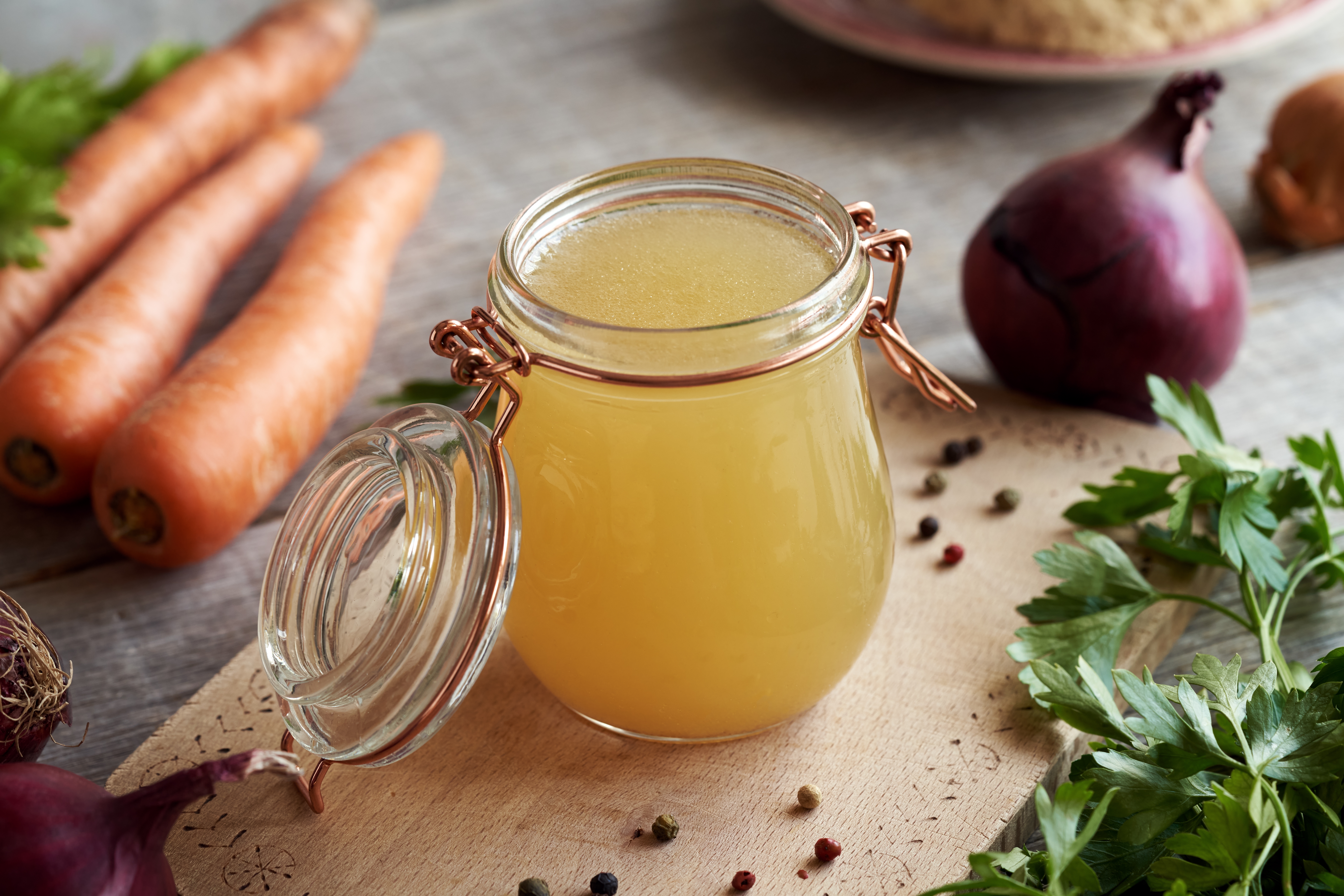
The bone broth trend fits in well with the rise in functional drinks, as consumers are beginning to recognise the health benefits of this product. “Bone broth is the original ‘functional drink’ and has formed the foundation of our cuisines and good health for centuries,” says Jess Higgins, co-founder of Freja Bone Broth. “Our ancestors figured out that simmering animal bones for hours and hours would help them extract essential nutrients and flavour to create a nourishing and delicious broth.”
This broth, she says, boasts a huge range of health benefits, from supporting gut health or immunity to easing joint pain and creating glowing skin.
“Bone broth is packed with collagen, protein, amino acids and hydrating electrolytes, like calcium and magnesium. Because bone broth extracts the nutrients from bone and cartilage, it has a different nutritional profile to meat. Bone broth is not only packed with protein, it’s also an important source of collagen and gelatine, which include the amino acids glycine and proline. Bone broth also has a higher concentration of electrolyte minerals such as potassium and magnesium,” Jess says.
Functional plant-based milk
Yes, even plant-based milks are going functional. Persistence Market Research notes a “surge” in fortified and functional plant-based milk products, enriched with ingredients like vitamins, calcium, and Omega-3 fatty acids. “This aligns with the growing consumer interest in products that not only serve as dairy alternatives but also provide added health benefits,” the research said.
Functional beverages contain biologically active, health-promoting ingredients, going beyond the average ‘healthier’ drink options available today. These have, for the last decade, been removing ingredients like sugar and artificial sweeteners to improve their health credentials, says Eoin. “Whilst some of this progress is good for the consumer, a functional drink is much more beneficial as it contains something that is actually beneficial, not just reducing the amount of unhealthy ingredients.”
The formats of functional drinks that are sold as ‘shots’ to take once a day also align drinks more with health products while keeping them easy to consume. “Since the pandemic, we have seen a huge increase in the health-conscious consumer, and when returning to work and their normal busy lives, people are also demanding convenient health solutions that are easy to implement and do not alter their day-to-day schedules. Functional drinks provide just that,” says The Turmeric Co’s Thomas.
The specific health benefits depend on the functional ingredients used – and there are many in addition to those already mentioned here. “For example, liquorice root, lemon balm and valerian are known to help you sleep,” Laura says.
“You might find turkey tail, turmeric, acerola or echinacea in an immunity drink; ginseng, cordyceps or green tea in an energising blend; and tremella, collagen or camu camu in a skin-focused drink,” Clarissa adds.
“When you pick up a functional drink you should look at the ingredients, check there are no contradictions with your medication and avoid them if you are pregnant,” Laura advises.