Free digital copy
Get Speciality Food magazine delivered to your inbox FREE
Get your free copy

In our Green Issue, we heard from experts across the food and drink sector about how businesses - from agriculture to retail - are doing more to support people and the planet.
Discover what they had to say below.
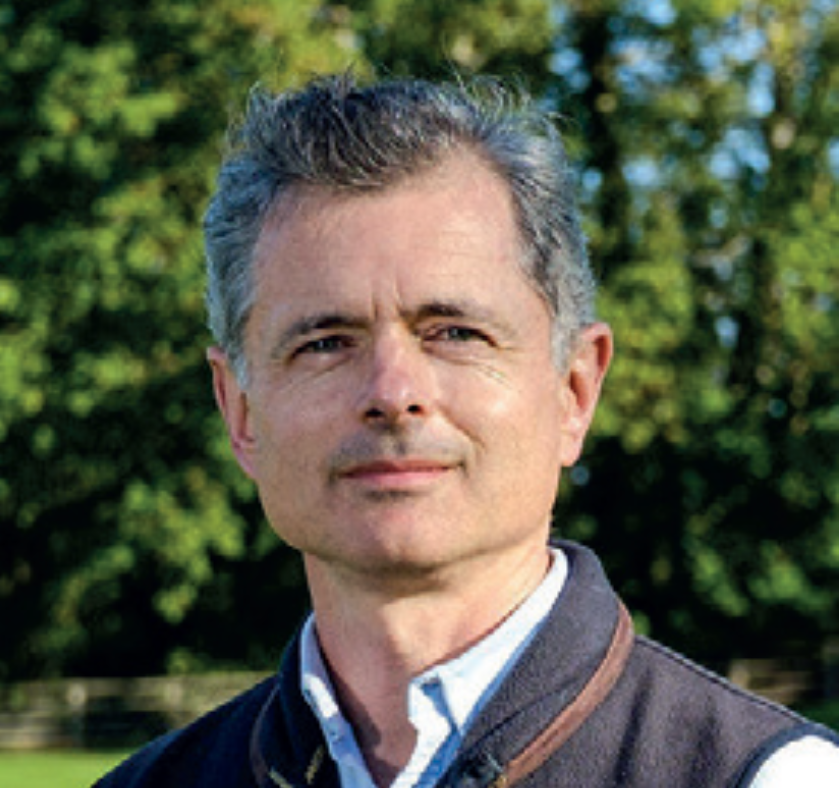
Johnny Wake, managing partner of Courteenhall Estate, says how he is building a sustainable legacy by providing food that is good for people, the planet, and the community – and creating lasting relationships is key to the process.
With a 350-year heritage, sustainability at Courteenhall is multifaceted and constantly evolving. There must be reasons which motivate a business to be more sustainable, and for us, that reason is leaving a legacy to be proud of. Sustainability is not just an end in itself.
From my perspective that’s all about taking a long-term view and considering sustainability holistically.
Financial and environmental sustainability are obviously key in the decisions we make. But alongside this, it’s important not to lose sight of role of sustainable communities. It is often the aspect that gets overlooked. If food and farming are managed in isolation, then it becomes a bit like a piece of flesh without a blood supply. Just as limbs die without blood flow connecting them to the body, farming initiatives fail without community engagement.
This poses a real threat by undermining the resilience of both the land and the people it supports.
As a former GP, I remain committed to the idea that healthy, nutritious food should be accessible to all. High-quality, locally sourced fresh produce should be obtainable for everyone, as a good diet is a cornerstone for every community’s wellbeing, and a society that flourishes.
Making this a reality is a dynamic process, driven by collaboration and education to help bridge the gap between the growing rural/urban divide. Giving people opportunities to engage with farming, the natural environment and encouraging a stronger connection with food production builds greater understanding of the importance of local, seasonal, balanced natural systems.
In practical terms, Courteenhall has a long and proud history of supporting our neighbours.
For us, sustainability means providing food that is good for people, the planet, and the community. It’s a responsibility that many in the sector take seriously.
Initiatives such as LEAF’s Open Farm Sunday and our own New Leaf Learning Programme are turning good intentions into measurable results. We are all accountable for showcasing a route forward in promoting and facilitating social cohesion.
Sustainability can only truly succeed when we build relationships that last – whether with customers, local suppliers, or future generations.
Building sustainable food systems and resilient communities isn’t easy, but it’s a goal worth striving for. Creating a legacy that we’re proud of, depends on leaving the land and the people who live on it in a better place than when we started.
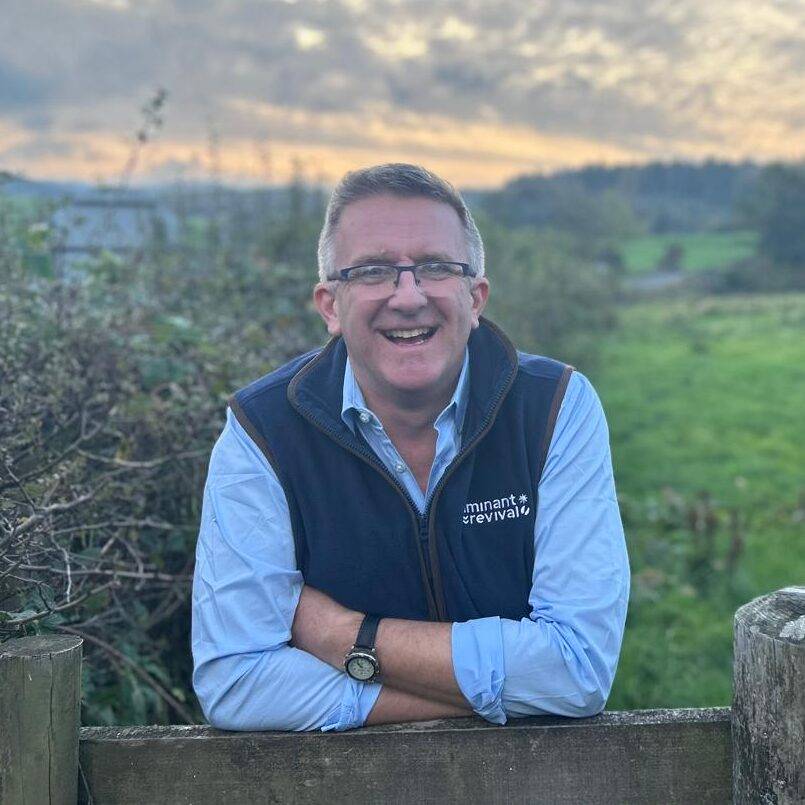
Colin Mason, vet consultant at Ruminant Revival, explains consumers’ evolving concept of what ‘provenance’ means today – and how retailers can incentivise better farming practices.
Provenance has traditionally meant knowing where your food comes from – the farm, the region, the breed. That remains important, but it’s no longer enough.
Retailers and consumers are now asking deeper questions about how food is produced, not just where it is produced. For meat and dairy, this means looking beyond the label to understand how animals are kept healthy. What systems are in place to prevent disease? What advice is the farmer receiving, and from who?
These questions matter because they directly shape the product’s health and welfare credentials, nutritional quality, and sustainability.
Consumers expect transparency about medicine use, what terms like ‘organic’, ‘sustainable’, or ‘regenerative’ actually mean, and whether welfare claims stand up to scrutiny.
Provenance is evolving to encompass these concerns. It’s becoming less about geography and more about the whole system behind the product.
Retailers and producers are closer to what happens on farm than they might realise. The choices they make about sourcing, the questions they ask of suppliers, and the standards they set all influence how animals are reared and kept healthy.
When retailers demand credible evidence of low medicine use or robust welfare standards, they create incentives for farmers to adopt better practices. When they ask how health problems are prevented rather than just treated, they encourage a shift towards proactive management. This ripples back through the supply chain.
The good news is that there’s more information available than ever before, and asking the right questions doesn’t require deep technical knowledge.
Retailers and producers can start by asking suppliers questions like:
- How do you keep your animals healthy?
- What’s your approach to preventing disease rather than just treating it?
- Is the advice you receive independent of commercial interests?
These aren’t confrontational questions. They’re the same questions progressive farmers are asking themselves.
UK farm antibiotic sales have fallen by 55% since 2014, largely because vets and farmers have shifted towards prevention. That’s a story retailers should want to tell.
Empowerment comes from understanding that these conversations benefit everyone in the chain. Healthy, well-managed farms produce higher-quality products more reliably with fewer inputs. That means a more secure supply chain and better margins for retailers.
It also gives them a meaningful way to communicate with customers who ask about the origins of their food. Research consistently shows growing demand for transparency around medicine use, animal welfare, and what ‘sustainable’ actually means in practice.
Generic claims no longer cut it. People want to know specifics, and they’re increasingly sceptical of labels that can’t be backed up.
At the same time, the farming sector has changed significantly. The 55% reduction in antibiotic use isn’t just a headline figure; it reflects a genuine shift in how progressive farms operate, with vets leading proactive health programmes rather than simply responding to problems.
Retailers who understand this shift can source more confidently and communicate more credibly. Understanding this shift and seeking suppliers’ advice is a good place for retailers to start. It connects the dots between what happens on farm and what ends up on the counter.

Philip Wynn, the chair of LEAF, tells Speciality Food how we can create a truly sustainable food system by collaborating across the supply chain.
The changing fundamentals across farming and food production are clear for all to see. What makes this so significant is not just the fact that change is happening, but the sheer scale and pace of it.
Across policy, genetics, technology, environmental pressures and increasing competition for land use, the sector is being reshaped in ways we couldn’t have imagined even a decade ago.
To put that scale into context, the global food system is worth $14 trillion, generating around one-fifth of global GDP.
One in three people on the planet works in agriculture – yet the sector typically contributes just 4% to national economies (in the UK that figure is as low as 0.56%). No other industry operates at this scale, with this level of complexity, or with this degree of imbalance.
For me, the solutions for a more stable, secure future lie in collaboration. The challenges are too extreme to be tackled in isolation. We need to work together, pooling knowledge and resources to create a truly sustainable food system.
One exciting prospect is the availability of more granular AI-driven data to improve decision-making, strengthen resilience and enhance productivity, while helping us reduce our carbon footprint. This information has the power to enhance both financial and environmental outcomes for producers across the UK and beyond.
What we grow, how we grow it and how it’s processed now sits at the heart of every major environmental challenge we face.
At LEAF, we are focused on supporting the farm-to-market value chain to navigate this transformation through collaboration, knowledge exchange, and innovation.
Whether this is through LEAF Marque global assurance; new technologies; ensuring the delivery of land-based college courses that equip the next generation with right skills; or initiatives such as Open Farm Sunday that engages directly with consumers.
While farmers are at the heart of this revolution, the responsibility doesn’t stop there. The entire supply chain is crucial. Speciality food brands and retailers all hold the power to influence consumer choices and contribute to a shift in our food culture.
By championing sustainable sourcing, supporting regenerative practices and promoting transparency, every player can create stronger connections between farmers and consumers, building trust and understanding around the true value of food

Zac Goodall, head of sustainability at Riverford, explains how the business, working together with farmers on the ground, hopes to set a blueprint for how the UK should farm in the future.
Riverford founder Guy Singh-Watson started farming organically at Riverford back in 1986, and this year we celebrate 40 years of staying true to our organic roots.
The principles behind organic farming are woven into Riverford’s ethos. Riverford’s goal is to be the best example of ‘agroecology’ – creating a landscape with: rich biodiversity; strong resilience to climate change; high levels of sequestered carbon; healthy soils; and restored water quality. All while producing nutritious food for our customers.
Working with our farmer friends, we want to set the blueprint for how the UK should farm in the future, for the future. Organic sets the bar high, but we need to go above and beyond.
We have successfully complete research and development trials in Peat Free Media (to reduce horticultural peat usage) successfully creating a peat free recipe to take to an industrialisation phase of the project, which we are now seeking funding for to realise its implementation across the commercial horticulture industry.
We have several agroforestry projects happening now, including silvo-horticultural planting and a collaborative project between three neighbouring farms (Riverford’s Wash farm and two local suppliers) to plant several hectares of wood pasture and woodland systems, integrating woodland planting and livestock grazing.
This is helping to build climate resilient farming systems. Biodiversity Action Plans at Riverford Farms – from 2023 to 2025 included planting hundreds of meters of new hedgerow, digging multiple wildlife ponds, and altered hedgerow cutting regimes to increase the height, width and wildlife value of the hedgerow network.

Lee Holdstock, head of regulatory and trade affairs at the Soil Association, tells us quality and dietary needs are driving more frequent purchases of organic food and drink across all income brackets.
Awareness is definitely growing around the dangers of pesticides and PFAs (“forever chemicals” – which are often found in the artificially derived pesticides that are not permitted in organic farming) and consumers are seeking to reduce their chemical load.
Organic offers a trusted alternative which is demonstrated in this year’s organic market report, showing a continued growth in the market.
Soil Association Certification is continuously committed to raising awareness of the benefits of organic with campaigns like Wake up to Organic, Organic Open Farm Sunday and Organic September, which we would love to see independent retailers get involved with.
Availability of organic food continues to be a barrier for many people. We know that demand for organic food remains high with the latest figures showing that there has been 7% growth of sales of organic in major retail over the last 12 months (Organic Market Report, Soil Association Certification, 2026).
While some consumers may see price as a barrier to eating more organic food, some of the latest research actually shows that it is lower- and middle-income shoppers who are now the most frequent buyers of organic food and drink, whereas the highest income bracket are “Dealseekers”, buying organic less frequently when offers mean the price is more comparative to conventional.
The research shows consumers are seeking a balance between cost and value, and health, quality and dietary needs are driving more frequent purchases of organic food and drink across all income brackets.

Anna Mann, associate director of responsible business at the Fairtrade Foundation, explains how a new law could push sustainability in the UK even further.
True sustainability extends beyond environmental protection to address social issues such as fair wages, safe working conditions, gender equality, and community development. It must empower farmers with stable incomes, support democratic cooperatives, and enable producers to invest in their communities and futures through improved education, healthcare, and local infrastructure.
Fairtrade offers a practical framework that puts those social dimensions of sustainability into action. It takes the principles of fair wages, safe conditions, gender equality, community investment, and turns them into enforceable standards within global supply chains.
Fairtrade also has an important role to play in advocating with businesses and government for changes to the trading system to make it fairer so that the lives of farmers and workers are improved.
Fairtrade is currently campaigning for the UK Government to introduce a single responsible business law that will ensure that human rights are respected and the environment is protected. Mandatory Human Rights and Environmental Due Diligence (HREDD) would require companies to identify, prevent, mitigate, and take responsibility for human rights abuses such as unfair pay and environmental harm within their operations.
We believe this legislation would not only be good for farmers and workers, it will also bring benefits for consumers and for businesses. A single law would simplify the regulatory framework for UK companies and keeps the UK competitive and avoids trade barriers.
Effective HREDD requires companies to move beyond minimum wage compliance and address the gap between minimum wages and living wages. A core area of HREDD is evaluating how a company’s own purchasing practices (e.g., low prices, last-minute changes) contribute to poor wages and overtime at the supplier level.
Companies are expected to engage with suppliers to ensure fair wages, social security, and formal contracts, as seen in Fairtrade Standards. Poverty and inequality are the main causes of many risks in global supply chains, that’s why it’s important that there is a collaboration between suppliers, buyers,
governments and civil society.
In order that farmers can invest in strong due diligence measures, they need to be able to achieve better prices, longer lasting business relationships, and co-investment among all supply chain actors.
Independent fine food retailers can get involved by sourcing Fairtrade products, learning about Fairtrade standards, asking suppliers to source Fairtrade products and staying informed through Fairtrade Foundation resources.
They can educate customers with clear in‑store information, staff training, and small events that highlight Fairtrade products. They can also use our online resources and publicly back campaigns like HREDD, use social media to raise awareness, and expand their Fairtrade product range to show real commitment to ethical trade.
We urge any company, big or small, to reach out to us and start a conversation.